Best Hidden Spots Around Reykjavík for Last-Minute Northern Lights Viewing
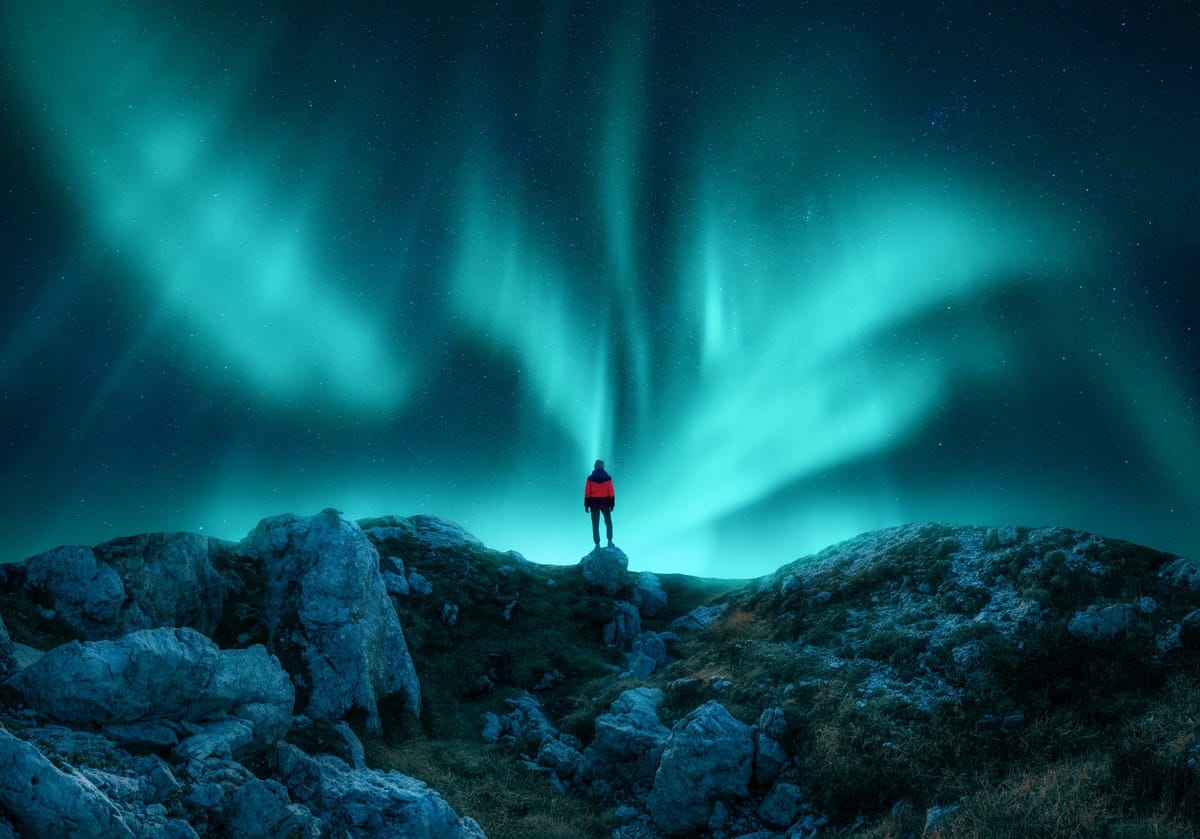
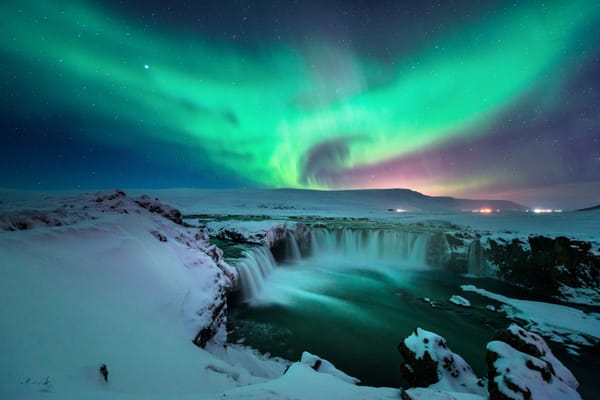
While seeing the northern lights is never guaranteed, Iceland offers a unique advantage: the chance to spot them just outside the capital city. Reykjavík is close to open water, quiet hills, and dark nature reserves. When conditions are right, a short drive or even a long walk can lead you to clear horizons. Understanding cloud cover, light pollution, and positioning is key, especially when forecasts change quickly.
This guide reveals Reykjavík's best hidden spots for last-minute aurora viewing, away from the crowded tourist locations. These are quieter places known for open sightlines and better visibility when you can't travel far. Each location is described with practical details to help you make confident, last-minute decisions.
You'll also learn when guided experiences, like the Northern Lights Tour with Lagoon Soak and Icelandic Tasting, are most valuable. On some nights, a guide's expertise in reading cloud movements and adjusting routes is essential.
Our goal is to help you find quiet places where you can connect with Iceland's winter rhythm, turning a last-minute decision into a memorable encounter with the aurora.
Understanding Last-Minute Aurora Strategy Around Reykjavík
Seeing the northern lights requires three conditions:
- Darkness
- Clear or partly clear skies
- Solar activity
The first and third conditions are fixed; the second is the one that changes. Cloud cover around Reykjavík moves quickly, creating small windows where visibility opens for ten, twenty or thirty minutes. Last-minute viewing is not about traveling far—it is about reaching a clear patch before it closes again.
What helps around Reykjavík:
- The coastline creates movement in cloud layers.
- Hills and low-lying geothermal areas often sit under thinner skies.
- Short drives can move you from full cloud to partial clarity.
- Light pollution drops sharply just outside the city center.
Understanding these details allows you to choose locations that give you the highest chance of seeing auroras without needing to leave the capital for hours.
Hidden Spot 1: Seltjarnarnes Peninsula – Grótta Lighthouse Area (The Quiet Edges)
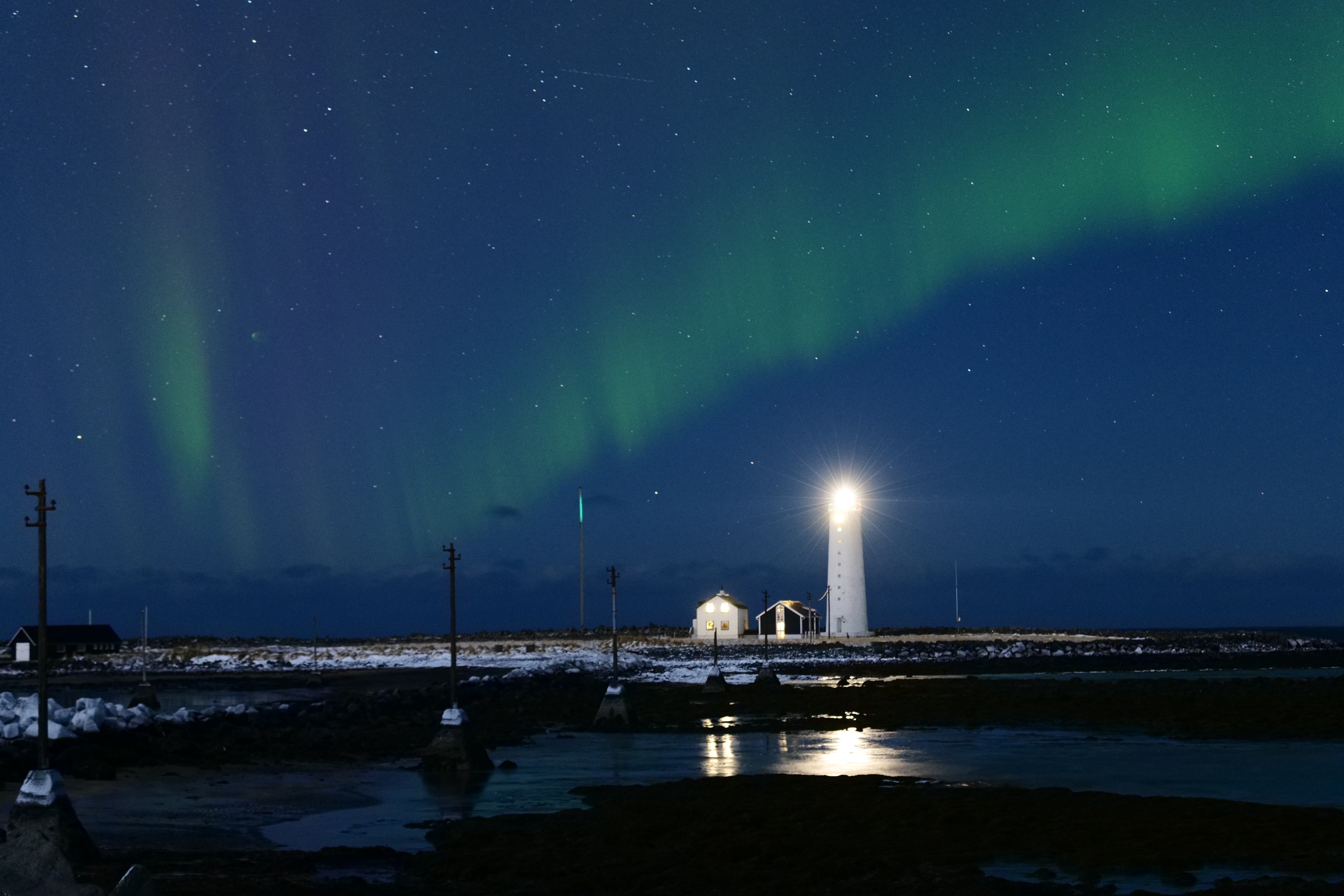
Grótta is known, but its hidden pockets around the peninsula offer some of the best last-minute visibility near Reykjavík. Most visitors stand only by the lighthouse. Those who walk deeper along the coastal paths find quieter, darker areas with clearer sightlines.
Why it works:
- Strong offshore winds often push low clouds inland or away from the peninsula.
- The horizon opens fully to the north and west.
- Reflections appear on the rocky shoreline when the tide is low.
How to use it last-minute:
If cloud maps show partial openings west of Reykjavík, you can often reach clearer skies here within minutes.
Best areas:
- The small paths behind the lighthouse, shielded from streetlight glow
- The westernmost coastal rocks, often empty even during active nights
- The grassy dunes toward Norðurströnd, offering more darkness
Atmosphere:
Calm, coastal, shaped by consistent wind. The auroras feel close here, especially on clear, cold nights.
Hidden Spot 2: Ægisíða Coastal Path – A Local Favorite
Few travelers walk this long stretch between the Vesturbær neighborhood and Nauthólsvík. Yet its distance from main roads makes it a quiet choice for late-night viewing.
Why it works:
- Darkness increases steadily as you move away from the city center.
- The ocean absorbs ambient light, creating cleaner skies.
- Easy access on foot makes it ideal for last-minute outings.
How to use it last-minute:
Check for wind direction. If winds come from the north, clouds often pull back from the bay, revealing quick openings.
Best sections:
- The middle of the path near the sculpture Hringsjá
- The stretch close to the lighthouse ruins near Ægissíða
- The beaches before you reach Nauthólsvík
Atmosphere:
Wide, peaceful, often silent except for the ocean. It offers one of the easiest last-minute aurora spots accessible without a car.
Hidden Spot 3: Rauðhólar – The Red Hills Near Reykjavík Outskirts
Rauðhólar is a cluster of volcanic pseudocraters only 15 minutes from downtown. Their position just beyond the city lights creates ideal dark conditions for short-notice aurora viewing.
Why it works:
- Minimal light pollution
- Open plateaus offering 360-degree visibility
- Volcanic formations create natural windbreaks
How to use it last-minute:
If satellite updates show openings south or southeast of Reykjavík, Rauðhólar often sits directly under clearer pockets.
Best areas:
- The top ridges of the craters
- The small gravel clearings with unobstructed northern views
- The lakes nearby, which reflect green arcs beautifully
Atmosphere:
Quiet, cinematic and shaped by lava formations. Strong auroras feel especially dramatic here.
Hidden Spot 4: Elliðaárdalur Valley – A Forested Refuge Inside the City
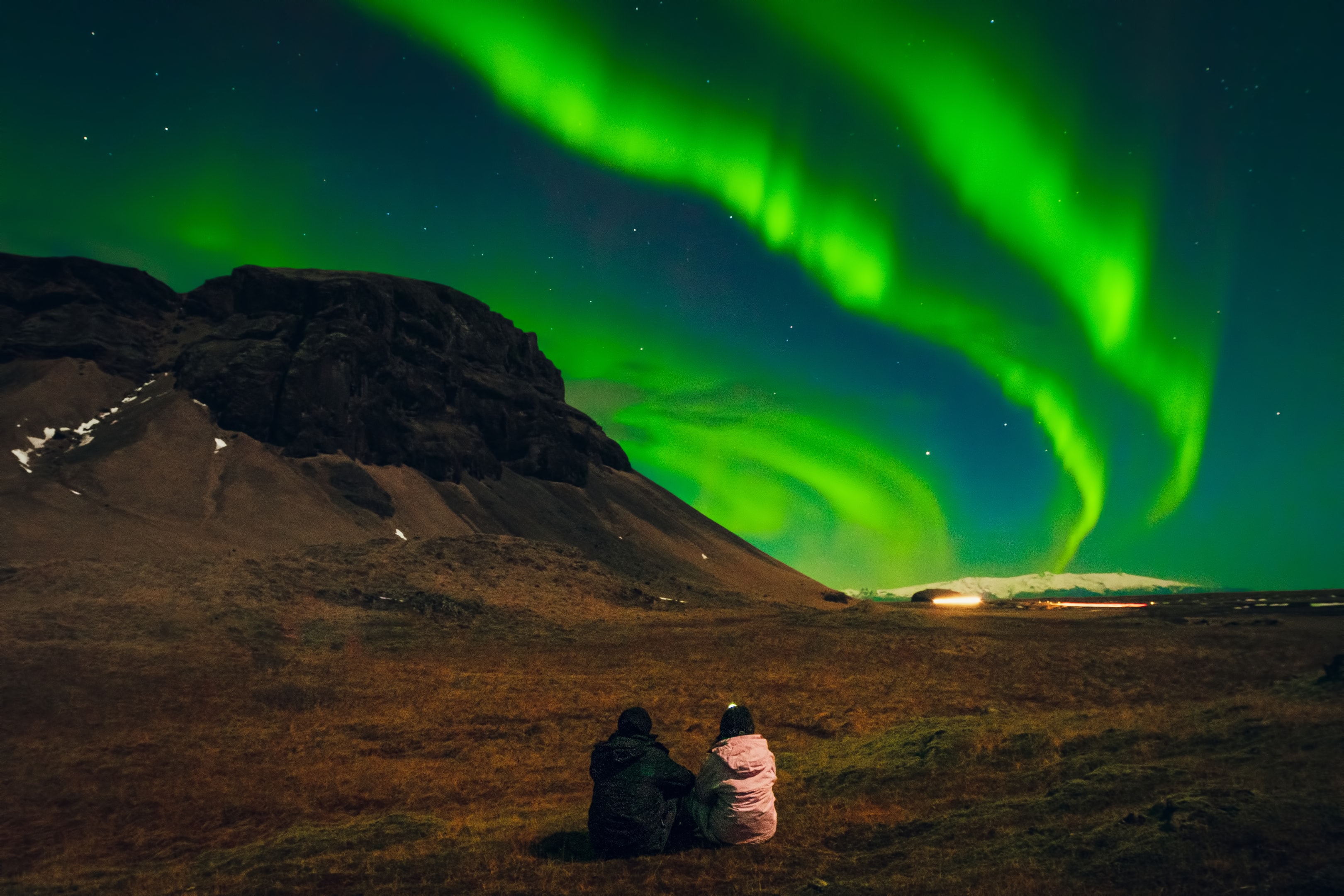
Elliðaárdalur is one of Reykjavík’s secret comforts: a dark valley filled with waterfalls, streams and wooded paths. Despite being inside the city, it offers pockets of near-darkness.
Why it works:
- Trees block surrounding streetlights
- Numerous open meadows allow clear sky visibility
- Ideal when you want a close, gentle place without traveling far
How to use it last-minute:
This area works well when clouds form uneven patches. Open glades often reveal brief windows of clarity.
Best areas:
- The open field near the power station
- The riverbanks just east of the main walking paths
- The high meadow toward Heiðmörk entrance
Atmosphere:
Soft, natural and surprisingly secluded. The aurora appears between branches, forming delicate shapes across the valley.
Hidden Spot 5: Heiðmörk Nature Reserve – The Darkest Area Closest to Reykjavík
Heiðmörk is vast, quiet and one of the most reliable last-minute viewing areas near the capital.
Why it works:
- Almost no artificial light
- Large open fields with clear northern views
- Multiple microclimates; clouds often pass quickly
How to use it last-minute:
If city-level clouds look uneven, Heiðmörk often reveals openings because its elevation differs slightly from Reykjavík’s coastal climate.
Best sections:
- Maríuhellar area (broad horizons)
- The lava field viewpoints
- The open meadows near Elliðavatn lake
Atmosphere:
Calm, earthy, and deeply connected to nature. Ideal for travelers seeking silence as they wait for the sky to open.
Hidden Spot 6: Mosfellsbær Hills – Elevated Vantage Points
Mosfellsbær is a small town just north of Reykjavík. Its low hills and residential edges offer consistent dark conditions with minimal travel time.
Why it works:
- Elevation provides clearer views over low clouds
- Northern horizon is unobstructed
- Less light pollution than any Reykjavík neighborhood
How to use it last-minute:
If Reykjavík is partially cloudy but the northern sky shows openings, drive toward Mosfellsbær and follow the higher roads for a better angle.
Best areas:
- The hill above Varmárskóli
- The trails leading into Mt. Helgafell area
- The gravel turnouts near Reykjahverfi
Atmosphere:
Still, open and steady. Auroras here feel spacious and uninterrupted.
Hidden Spot 7: Hafnarfjörður Lava Fields – A Dark, Atmospheric Landscape
Hafnarfjörður’s lava fields are underrated for aurora viewing. The dark rock absorbs ambient light, creating excellent contrast against the sky.
Why it works:
- Very low light pollution
- Lava forms natural wind shelters
- Easy to reach from Reykjavík in under 20 minutes
How to use it last-minute:
If winds push clouds north, the lava fields often sit under brief clearings.
Best locations:
- The viewpoint near Hvaleyrarvatn lake
- The small hills around Ásfjall
- Clearings near Krýsuvíkurvegur road
Atmosphere:
Quiet, textured and deeply tied to Iceland’s volcanic identity. The auroras often feel dramatic here even in low activity.
Why Hidden Spots Work Better for Last-Minute Viewing?
Traditional aurora viewing locations, especially those prominently featured in travel guides, tend to fill up quickly, particularly on nights when the forecast predicts strong auroral activity. These spots often draw large crowds, and when shifting weather forces last-minute changes to your plans, the experience can become chaotic.
Navigating through clusters of people, dealing with headlamps that blind your eyes, and contending with the constant flash of car lights can break the magic of the moment and compromise your night vision, making it harder to fully enjoy the aurora.
Instead, seeking out hidden, less-frequented spots can offer a far more rewarding experience, and here’s why:
- Lower foot traffic: In less-trafficked areas, you won’t find yourself vying for space or competing with dozens of other people for an unobstructed view of the sky. Instead of jostling for the best angle, you can settle in comfortably and take your time enjoying the spectacle. This makes a big difference, especially during peak aurora season when popular locations are often overrun.
- Less light contamination: Secluded spots allow you to escape the artificial light pollution that can ruin an otherwise breathtaking display. Car headlights, phone screens, and flashlights are common culprits in busier areas, washing out the faint glow of the aurora. In quieter locations, the darkness lets your eyes adjust fully, making it easier to appreciate even subtle displays of the northern lights.
- Faster setup time: Without needing to search for a parking spot or elbow your way through a crowd for an open viewing area, you can focus on getting your gear ready quickly. Whether you’re setting up a tripod for photography or simply getting comfortable for a long night of watching the sky, the lack of distractions means you can spend less time preparing and more time immersed in the moment.
- More privacy: Being in a quieter, more isolated location allows for a deeper, more personal connection with the natural phenomenon unfolding above you. The tranquility of a private viewing spot enhances the sense of awe and wonder, making the experience feel more meaningful and less like a tourist activity.
- Better conditions for photography: Capturing the aurora with long-exposure photography requires darkness, stability, and patience. Busy locations often mean people walking through your frame, accidentally shining lights, or creating vibrations that can ruin your shot. In a remote, peaceful spot, you’ll have the uninterrupted conditions needed to focus and experiment with your camera settings for that perfect photo.
Ultimately, successful aurora viewing—especially when plans shift at the last minute—depends on your ability to adapt. It’s not just about how far you go to escape the city lights but how well you can adjust to the ever-changing conditions of the Icelandic sky. Picking a secluded spot gives you the flexibility and serenity needed to fully appreciate this natural wonder without interference.
How to Read the Sky in Reykjavík on Short Notice
Even with minimal planning, you can still make informed decisions by following a few key principles. These guidelines will help you quickly assess the best viewing locations based on current weather conditions.
1. Focus on Wind Direction
Wind is the primary factor that dictates cloud movement, so understanding its direction can help you predict where the skies will be clearest.
- North wind: When the wind blows from the north, it tends to push clouds inland, resulting in clearer skies along the southern coastline.
- South wind: A south wind often clears the skies to the north of Reykjavík, making areas toward Mosfellsbær and the Esja mountain range your best bet.
- West wind: If the wind is coming from the west, conditions will likely improve in western areas like Grótta and the Seltjarnarnes peninsula.
- East wind: An east wind typically clears the cloud cover over areas to the east and south of the city, making spots like Heiðmörk and Hafnarfjörður ideal.
2. Look for Patchy Cloud Cover Rather Than Full Clarity
Don't be discouraged by a few clouds. The auroras often become visible through thin cloud layers or during breaks in the cover. A sky does not need to be perfectly clear to offer a spectacular show; in fact, patchy clouds can sometimes add a dramatic effect to your photos.
3. Use the Horizon to Your Advantage
The Northern Lights frequently begin as a faint glow low on the northern horizon, gradually forming arcs that rise higher into the sky. By choosing hidden spots with wide-open, unobstructed horizons, you significantly increase your chances of spotting the aurora as soon as it appears.
4. Stay Ready to Move
Weather and aurora conditions can change in an instant. The difference between missing the lights entirely and witnessing a brilliant display is often just a five-minute drive to a new location. The advantage of using hidden spots near Reykjavík is that they allow you to relocate quickly and adapt to the shifting sky.
When Last-Minute Viewing Isn’t Enough: The Value of a Curated Northern Lights Experience
Some nights, cloud cover becomes too dynamic to manage alone. In these cases, a guided experience—especially one shaped around real-time monitoring—provides clarity and ease.
The Northern Lights Tour with Lagoon Soak and Icelandic Tasting, offered by The Iceland Tour Company, is designed precisely for nights when conditions change quickly.
Why it works so well for last-minute viewing:
1. Expert tracking of cloud patterns
Guides monitor satellite data, wind behavior and microclimates, choosing the evening route based on where openings will form.
2. Flexible routing
The tour adjusts direction calmly throughout the night.
3. Thoughtful pacing
Guests avoid standing in cold wind for long periods. Instead, the evening includes:
- A geothermal soak at Laugarás Lagoon
- A fireside tasting of Icelandic bites at Laugarvatn Caves
This creates warmth and comfort while guides assess the next steps.
4. Viewing areas far from crowds
The team selects quiet locations where auroras appear clearly and photography becomes easier.
5. Private versions available
For travelers who want deeper photography time or full control of pacing.
This curated approach becomes invaluable on nights when Reykjavík cloud cover shifts quickly and hidden local spots are not enough.
How to Choose the Right Hidden Spot Tonight: A Quick Decision Guide
Where to Go for Northern Lights Viewing:
- Partly cloudy skies, northwest wind: Head to Ægisíða or Grótta.
- Low clouds over Reykjavík, clear southeast on satellite maps: Try Rauðhólar or Heiðmörk.
- Clearer northern horizon: Go toward Mosfellsbær hills.
- Quick and easy access: Visit Elliðaárdalur.
- Uncertain or difficult conditions: Opt for the Northern Lights Tour with a lagoon soak and Icelandic tasting.
Choose your spot based on the conditions, and enjoy chasing the northern lights!
Tips for Last-Minute Aurora Photography
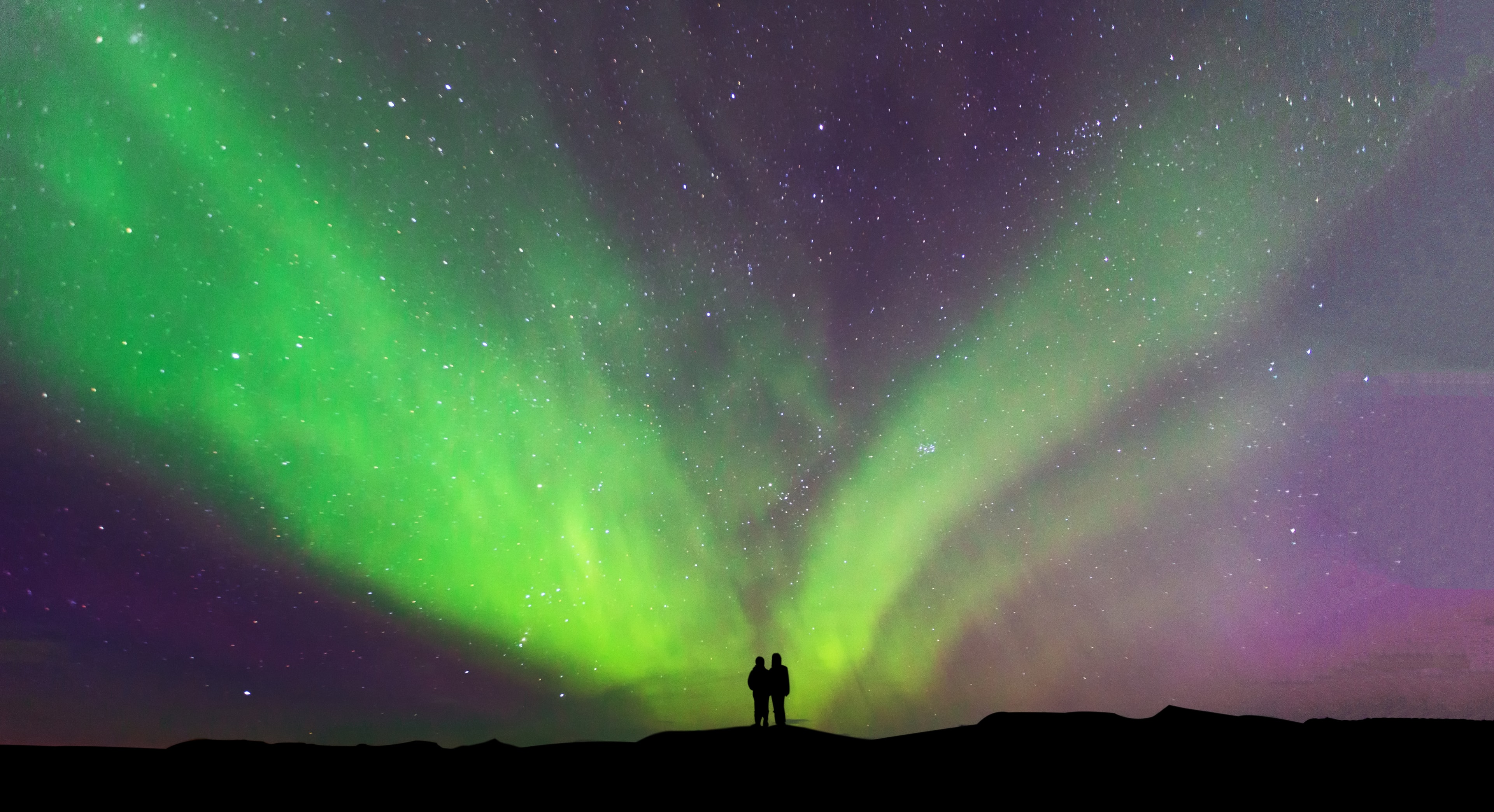
Even in hidden spots, calm preparation helps.
Bring:
- Tripod
- Wide-angle lens (14–24mm)
- Spare batteries kept warm
- Headlamp with red light
Settings to start with:
- Shutter speed: 4–8 seconds
- Aperture: f/2.8
- ISO: 1600–3200
- Focus: manually on a distant light or star
Hidden spots provide darker skies, which improves both clarity and color.
Safety and Comfort Notes for Last-Minute Viewing
Exploring Reykjavík at night, especially in search of the Northern Lights, can be magical. To make the most of your experience, here are some tips to keep in mind.
First, dress in layers. Nights can be chilly, and the wind often makes it feel even colder. Layering allows you to stay warm while adapting to changes in temperature.
When driving, avoid parking on narrow roads. Instead, use designated pull-outs near popular hidden spots to ensure safety and avoid blocking traffic.
If your adventure takes you near coastal areas, stay aware of the tides, especially around Grótta. The oceanline can change quickly, and being mindful of this will keep you safe during your visit.
Lastly, know when to stop and call it a night. While seeing the Northern Lights is an unforgettable experience, sometimes it’s just as rewarding to enjoy the calm and beauty of the surroundings, even if the lights don’t appear.
With these tips, you’ll make your Reykjavík nighttime adventure safe, enjoyable, and memorable!
FAQs
Where are the best hidden spots for a last-minute northern lights hunt near Reykjavík?
Þingvellir National Park, a UNESCO World Heritage Site, is a fantastic spot just an hour's drive from central Reykjavík. Kleifarvatn Lake and the dark countryside along the South Coast also offer low light pollution and great views of aurora borealis.
How do I know if tonight is good for northern lights in Reykjavík?
Check the northern lights forecast from the Icelandic Meteorological Office, monitor aurora activity, and look at moon phase for darker nights. Clear nights help solar particles interact with Earth’s magnetic field, creating green ribbons and dancing lights.
What should I bring for last-minute aurora hunting?
Dress warmly, pack warm layers, and bring hot drinks like hot chocolate. Icy roads are common, so prepare for a safe self drive tour or join a guided tour or small group outing.
Can I see northern lights in Reykjavík itself?
Yes, but northern lights in Reykjavík are weaker due to city light. Areas near Sun Voyager or downtown Reykjavík may work, but a darker environment makes all the difference when visiting Iceland.
Conclusion: Reykjavík’s Hidden Aurora Landscape
The auroras rarely follow a plan, yet Reykjavík offers a collection of quiet places where last-minute decisions can still lead to meaningful experiences. From the stillness of Elliðaárdalur to the volcanic silhouettes of Rauðhólar, each hidden spot holds its own relationship with the sky. These are not tourist viewpoints, but local spaces where the city meets the night naturally.
When conditions are challenging, a curated experience offers a clear path. A geothermal soak, a fireside tasting, and a guide tracking the sky create a calm, arranged way to see the lights.
Reykjavík is one of the few cities where a last-minute decision can place you beneath the auroras in under fifteen minutes. With the right locations and insight, your night becomes less about chasing forecasts and more about standing in quiet expectation as Iceland’s winter sky opens above you.