Best Spots Near Reykjavík to Watch the Northern Lights (Without the Crowds)
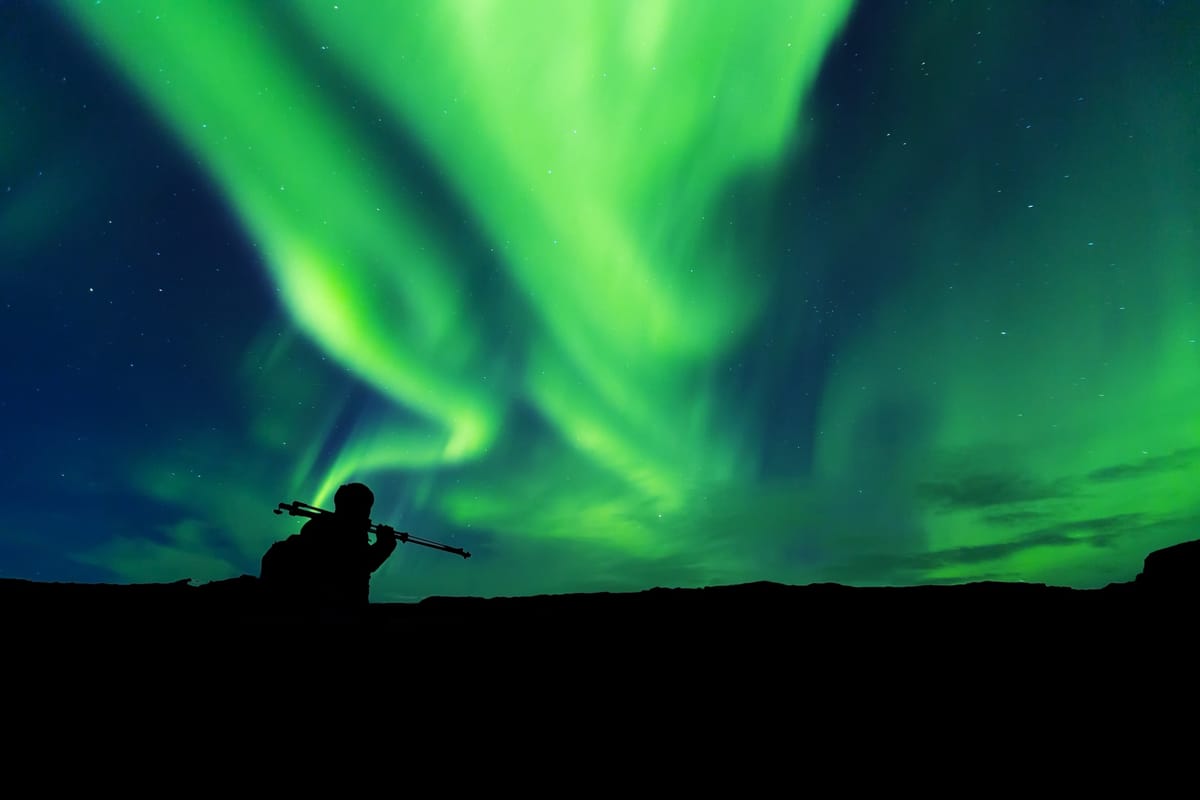
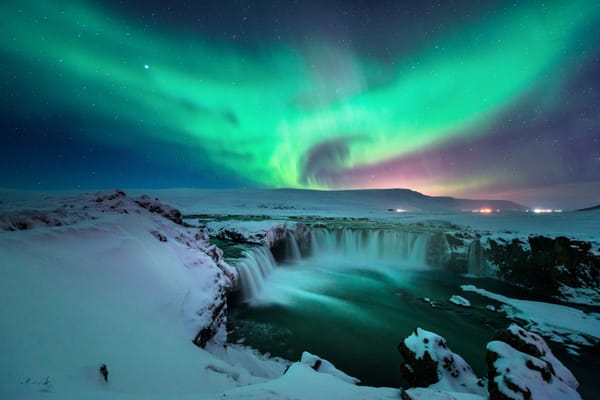
Watching the aurora borealis light up Iceland’s winter sky is an unforgettable experience. Reykjavík is a great base, but city lights can dull faint displays, and popular spots get crowded.
The good news: within 15–75 minutes of downtown are darker, quieter areas where the lights shine brighter and the experience feels more personal.
This guide maps out the best low-crowd spots near Reykjavík, explains when and how to go, shares safety and photography tips, and suggests pairing your outing with relaxing winter activities. Plan a calm, crowd-light aurora chase without driving for hours into the highlands.
How to Pick a Great Aurora Spot (Fast)
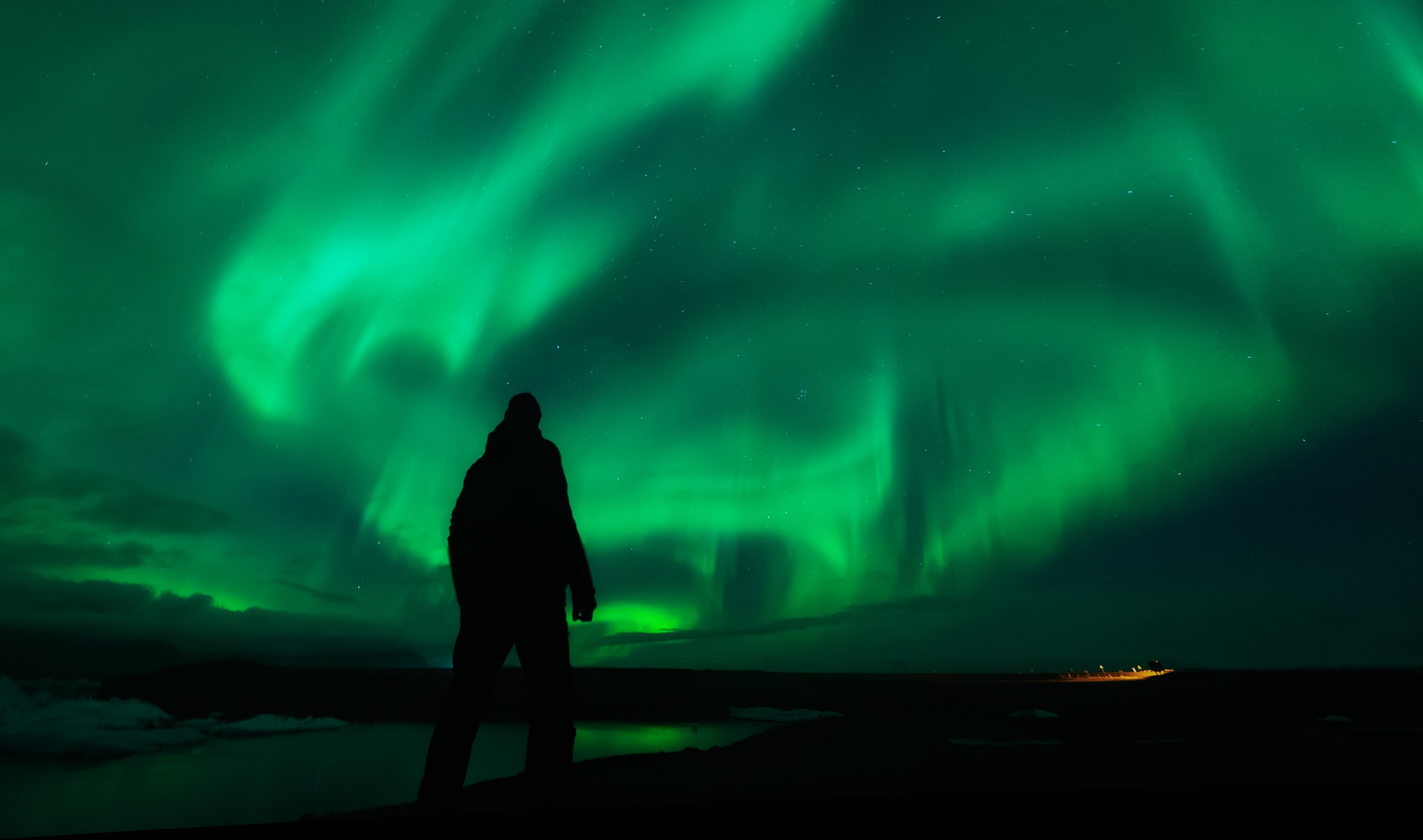
Before we dive into locations, use this quick checklist whenever you’re deciding where to go:
- Darkness beats distance. You don’t always need to go far—just beyond the city’s light dome.
- Cloud cover rules the night. Even strong solar activity won’t show through thick clouds. Favor areas trending clear on forecast maps.
- Face north with a low horizon. Flat shorelines, lakes, and open valleys make it easier to see low arcs as a show begins.
- Wind matters. A calmer shoreline or inland valley is far more comfortable for long waits.
- Safe pull-outs and parking. Choose signed, paved or well-graded spots. Don’t stop in the road shoulder on fast routes.
Safety & Comfort: Winter Night Essentials
Before you head out, make sure you're prepared for the cold.
- Wear layers and windproof outerwear. The cold feels more intense when you're standing still.
- Choose footwear with good grip. Icy pull-outs and trails are common, so add microspikes if you have them.
- Use a red-light headlamp. This preserves your night vision and won't blind others.
- Bring hot drinks and snacks. A warm drink can boost morale during lulls in the aurora.
- Have a full tank of gas and a charged phone. Some areas have spotty service and few open gas stations late at night.
- Park safely. Use marked lots, keep lanes clear, and avoid stopping on blind corners or narrow shoulders.
- Know when to move. If winds pick up or conditions get icy, relocate to a more sheltered spot like a valley or the leeward side of a lake.
Crowd-Light Northern Lights Spots Within 20–40 Minutes of Reykjavík
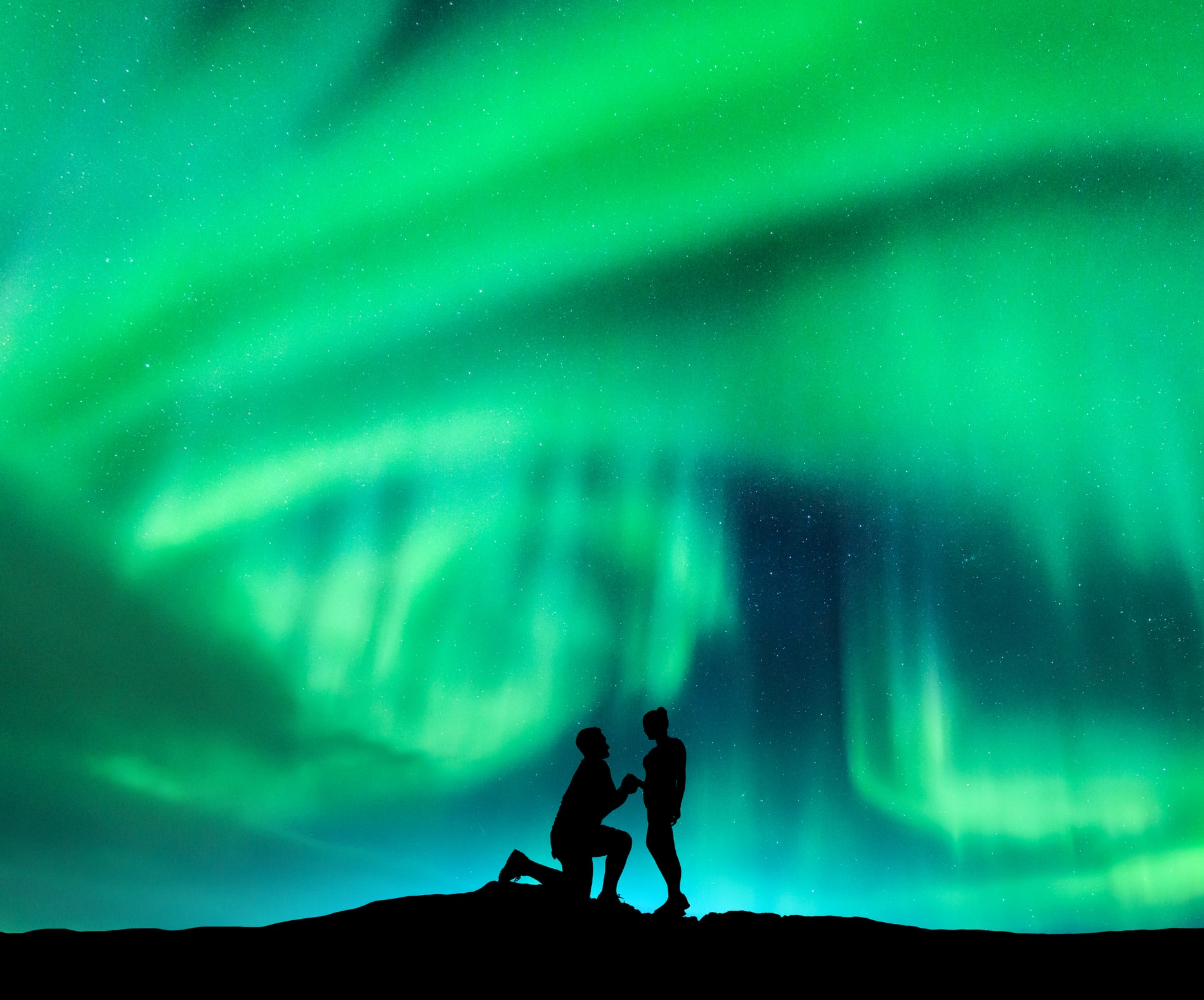
Even with Reykjavík’s city lights, you don’t have to travel far to find darker skies and prime aurora viewpoints. Within a short drive, several coastal and inland locations offer less light pollution, scenic settings, and easy access back to the city once the show is over. Here are five excellent options favored by both locals and photographers.
1. Kjalarnes Coastline (North of Reykjavík)
Drive time: 20–30 minutes
This rugged northern coastline provides expansive views toward Faxaflói Bay and the distant mountains, making it one of the best near-city spots for wide-angle aurora photos. It’s quieter than popular Reykjavík lighthouses, with fewer tour buses and minimal glow from nearby homes.
Where to go: Follow Route 1 toward Hvalfjörður and take side lanes near Miðfell for pull-outs with clear sea horizons. The farther you drive from suburban lights, the darker it gets.
Tip: When coastal winds whip across the bay, head slightly inland behind low hills for natural shelter while you wait for activity to peak.
2. Heiðmörk Nature Reserve (Southeast Edge of the City)
Drive time: 20–25 minutes
Heiðmörk is Reykjavík’s favorite outdoor escape — a peaceful forested reserve filled with birch trees, lava formations, and small lakes. At night, it transforms into a dark, tranquil aurora-watching haven with far less light pollution than the suburbs.
Where to go: Park near Elliðavatn lake or take one of the gravel access roads deeper into the reserve. Walk a few minutes to a clearing to open up the sky view.
Tip: The trees block both stray light and strong wind, providing comfort on cold nights, but remember to step into a meadow or lakeside clearing for the best panorama.
3. Esja Foothills (Mount Esja Trailheads)
Drive time: 25–30 minutes
The foothills of Mount Esja, Reykjavík’s signature mountain, give you elevation and wide northern horizons ideal for aurora viewing. Fewer houses and higher vantage points mean clearer skies and better photos.
Where to go: The main Móskarðshnúkar trailhead and Esjustofa café parking area (after closing) both provide safe, open viewing spots.
Tip: Esja often forms its own weather pocket — even when the city is cloudy, clear gaps can appear here. Always check the local wind chill; it can feel significantly colder in the uplands.
4. Álftanes Peninsula
Drive time: 20–25 minutes
This small peninsula southwest of Reykjavík offers unobstructed north-facing views across the sea with very low light interference. It’s an underrated alternative for those who want quiet, open coastal scenery without a long drive.
Where to go: Try the lay-bys near Garðakirkja Church or along the outer roads looping around the tip of the peninsula.
Tip: After rain or high tide, shallow puddles and wet sand can mirror the aurora beautifully. Bring waterproof boots so you can safely explore the shoreline for reflection shots.
5. Mosfellsdalur Valley
Drive time: 25–30 minutes
This rural valley northeast of Reykjavík combines dark, open skies with a peaceful countryside atmosphere. Shielded by surrounding hills, it often enjoys calmer winds than coastal areas.
Where to go: Continue past Mosfellsbær along Routes 36 or 37 toward Þingvellir National Park and stop at one of the signed pull-offs.
Tip: If the coastline is too blustery, Mosfellsdalur is an excellent inland backup — its sheltered terrain often provides clearer viewing and milder conditions late into the night.
Step Up the Darkness: 40–75 Minutes from Reykjavík
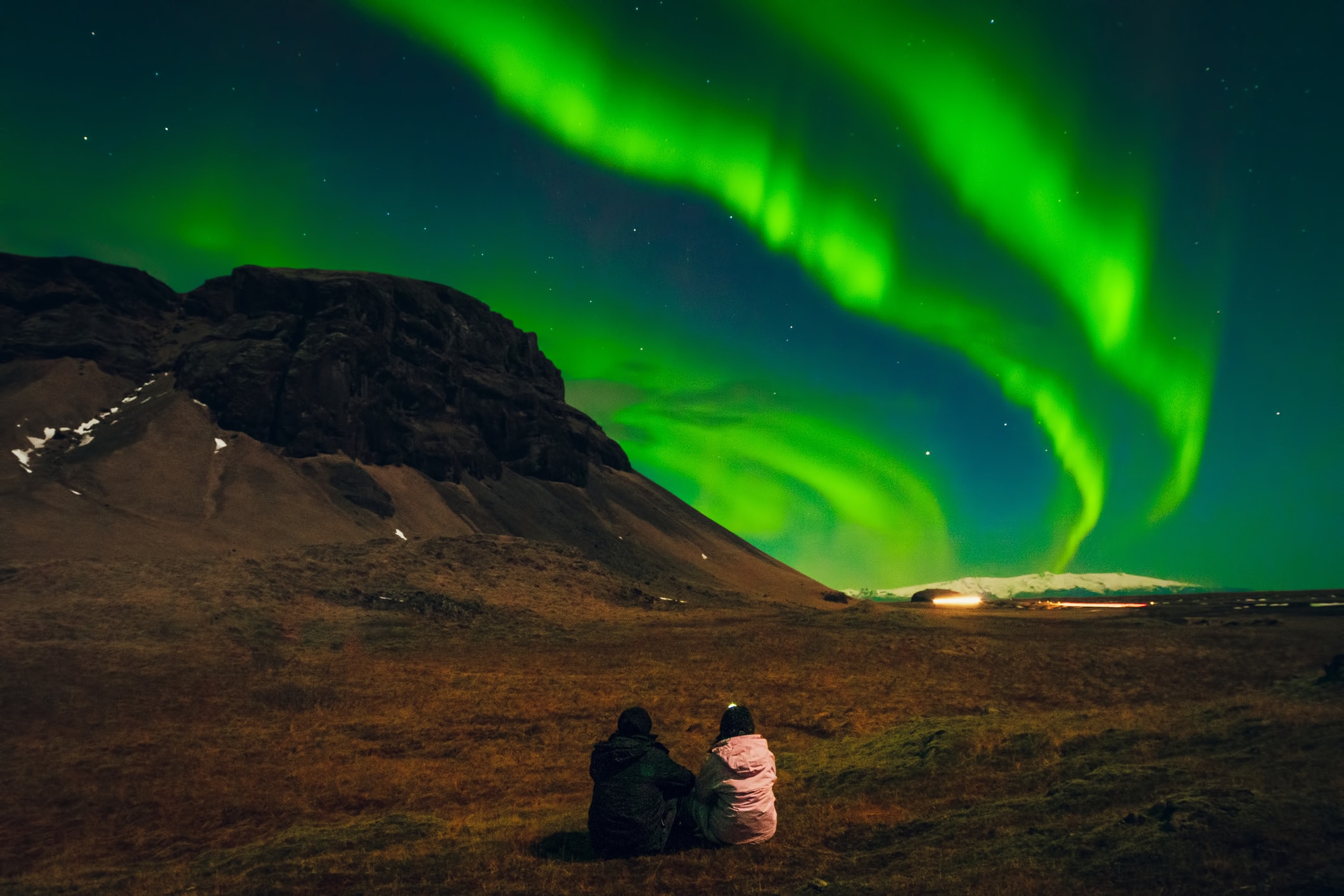
For travelers willing to venture a bit farther, these mid-distance Northern Lights spots offer dramatically darker skies and otherworldly landscapes. Within roughly an hour’s drive from Reykjavík, you’ll trade city glow for volcanic plains, tranquil lakes, and fjords where auroral bands ripple freely across the horizon. These are ideal for photographers, nature lovers, and anyone who wants deeper solitude without committing to a full overnight road trip.
6. Kleifarvatn Lake (Reykjanes Peninsula)
Drive time: 45 minutes
Encircled by volcanic ridges and steep lava slopes, Kleifarvatn is one of Iceland’s most atmospheric Northern Lights backdrops. When the wind calms, the vast lake surface mirrors the aurora in striking symmetry, creating some of the most photogenic reflections near the capital.
Where to go: Use the designated pull-outs along Route 42 on the eastern shore, where the terrain is accessible and the view stretches across the water. Avoid soft shoulders, especially in winter when they can be muddy or icy.
Tip: If the wind picks up, move toward a sheltered cove on the leeward side. The rugged basalt formations provide dramatic silhouettes for your long-exposure shots.
7. Krýsuvík–Seltún Geothermal Area
Drive time: 50 minutes
This geothermal valley offers a surreal stage for aurora viewing — boiling mud pots, sulfur vents, and rising steam clouds create a haunting, cinematic foreground beneath the glowing sky. With minimal artificial light, it’s a perfect mix of geothermal wonder and celestial drama.
Where to go: Park in marked lots only and stay on the boardwalks if you explore; the geothermal ground is fragile and dangerously hot beneath the surface.
Tip: Rising steam can fog your camera lens quickly. Position yourself upwind of the vents when photographing to keep your gear dry and your images crisp.
8. Hvalfjörður (Whale Fjord)
Drive time: 45–60 minutes (depending on location)
This quiet fjord north of Reykjavík offers some of the best sheltered and low-glow viewing conditions within easy reach of the city. The winding road hugs the water, with numerous lay-bys and small coves perfect for private aurora sessions.
Where to go: Follow Route 47 and pull into marked lay-bys overlooking the fjord. You can also explore side roads that veer closer to the shoreline — just ensure you park well off traffic lines.
Tip: Some inner fjord areas have steep mountains that block the northern view. Scout your preferred spot during daylight to avoid disappointment when the lights appear.
9. Þingvellir Outskirts (Beyond the Main Crowds)
Drive time: 45–55 minutes
Þingvellir National Park is world-famous for its rift valleys and Icelandic heritage, but just outside the main visitor area you’ll find truly dark skies and peaceful solitude. A short drive from the main car parks brings you to mirror-like lakes and lava fissures perfect for aurora reflection shots.
Where to go: Use smaller pull-offs along Route 36 or side lanes branching toward the less-frequented park edges. Always respect signage and any temporary closures.
Tip: The main Þingvellir lots can get busy with bus tours. Visit on weeknights, later hours after 11 p.m., or during the shoulder seasons (September–October or March–April) to enjoy a quieter, more immersive experience.
10. Laugarvatn Area
Drive time: 1 hour–1 hour 15 minutes
Laugarvatn sits midway between Þingvellir and Geysir, making it a comfortable midpoint for travelers chasing the Northern Lights in the Golden Circle region. The lakeside town is surrounded by dark countryside, and you can reach wide-open viewing areas just a few minutes from any guesthouse or café.
Why it’s special: This region blends comfort and wilderness — you can enjoy a hot soak, a meal, and still have pitch-dark skies minutes away. The Northern Lights Tour with Lagoon Soak and Icelandic Tasting by The Iceland Tour Co. showcases this area for its rare combination of warmth, amenities, and crowd-light aurora visibility.
Tip: Combine your viewing with a relaxing evening: start with a geothermal dip, then bring warm layers and a thermos for a serene family-friendly vigil under the glowing night sky.
How to Avoid Crowds—Even on “Big Aurora” Nights
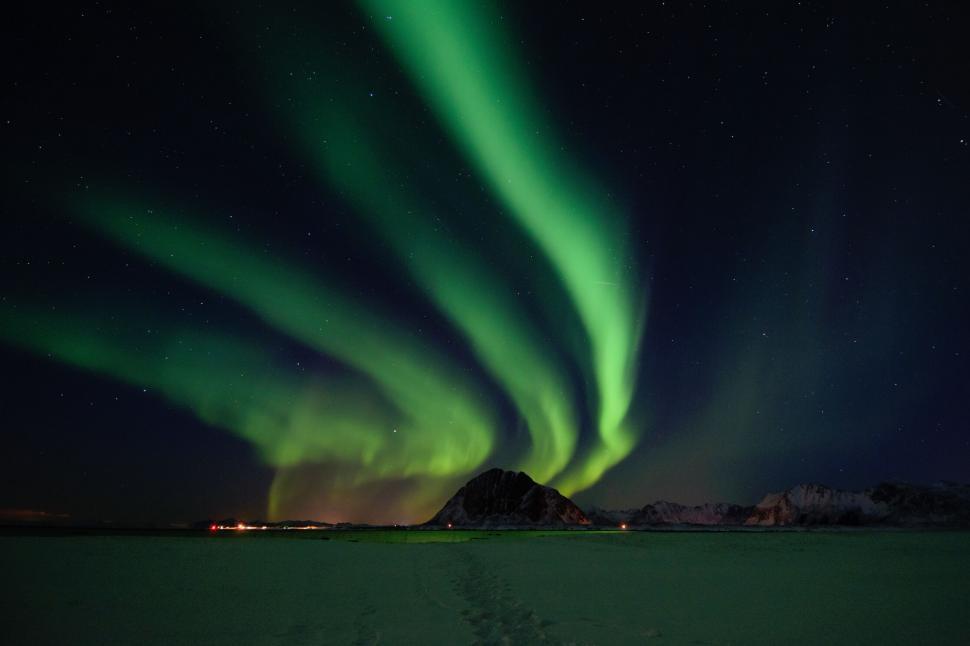
Here are some friendly tips to help you escape the crowds:
- Go a bit later or try a different time. Most groups aim for 9–11 pm. If the forecast looks promising for a long display, consider heading out around midnight–1:30 am—many buses will have already headed back!
- Give the famous lighthouse a miss. Grótta is super iconic, which also means it gets pretty busy. If you're looking for a quick spot near the city, why not check out Álftanes or Heiðmörk instead?
- Opt for weekdays and shoulder weeks. Early November and late March can be wonderfully quieter than the bustling Christmas period or mid-February.
- Just walk 5 minutes further! Even at popular spots, simply stepping a little beyond the main viewpoint often leaves most of the crowd behind.
- Join a flexible small-group tour. Smaller groups can zip around much faster to find those clearer, quieter pockets. The Iceland Tour Co. offers small-group Northern Lightsoutings designed specifically for this—meaning fewer people, quicker moves, and much calmer vibes for you!
Reading Forecasts Without Overthinking Them
For optimal aurora viewing, prioritize clear skies over strong geomagnetic forecasts. A modest display in a clear sky is far more rewarding than a powerful one obscured by clouds.
Monitor meteorological conditions. Onshore winds can bring low cloud cover and sea spray, while inland areas often offer calmer, clearer skies and better vantage points. Don't be deterred by a bright moon; it can enhance foreground details in photos, even if it slightly reduces fainter aurora contrast.
Patience is crucial; many spectacular displays occur after midnight. If early hours are quiet, don't leave prematurely – the most brilliant shows often unfold later for those who wait.
Aurora Photography: Recommended Camera Settings
Here are some practical tips to help you capture the Northern Lights:
- Baseline settings: Start with an exposure of 10–15 seconds, an aperture of f/1.8–f/2.8, and an ISO between 1600–3200. Set your focus manually to infinity, using a bright star for fine-tuning.
- For brighter displays: To capture more detail and texture when the aurora intensifies, reduce your shutter speed to 3–6 seconds and lower the ISO to 800–1600.
- Foreground locations near Reykjavík: Consider the basalt boulders at Kleifarvatn, reeds at Lake Elliðavatn (in Heiðmörk), the calm waters at Álftanes, or the snow-covered ridges near Mt. Esja.
- Ensure stability: Use a tripod and a remote shutter or a 2-second timer to prevent camera shake. Remember to disable any in-body image stabilization when using a tripod.
- Adapt to changing conditions: If clouds appear, consider creating a time-lapse. Capturing the fast-moving gaps between clouds can result in beautiful, dynamic sequences.
Three Sample “No-Crowd” Evening Plans
Avoid the tourist rush and enjoy the Northern Lights in peaceful settings near Reykjavík. These sample itineraries balance travel time, weather flexibility, and photography potential.
A) Quick Escape (2.5–3 hours total)
8:30 pm: Depart Reykjavík and head toward Heiðmörk Nature Reserve, stopping at a lake clearing near Elliðavatn.
9:15–10:15 pm: Wait for the first auroral arcs or capture reflections on the calm water. Bring a thermos and tripod for comfort and stability.
10:20 pm: If clouds roll in, shift 15–20 minutes west to Álftanes, where the coastal horizon and tidal reflections often deliver beautiful compositions.
B) Shore + Fjord Double (4 hours)
8:30 pm: Drive to a Kjalarnes coastal pull-out and look north across the bay toward the Snæfellsnes Peninsula—an ideal spot for early activity.
10:00 pm: If the wind picks up, retreat inland to Hvalfjörður (Whale Fjord) and choose a sheltered lay-by along Route 47.
11:30 pm: On your way back, make a quick sky check at the Esja trailhead before heading home.
C) Dark Lake & Lava (5 hours, for clear nights)
8:00 pm: Set out for Kleifarvatn Lake and set up along the eastern shore to capture mirror-like aurora reflections.
10:00 pm: If geothermal steam or clouds shift the mood, continue to Krýsuvík–Seltún, where rising vapors create dramatic silhouettes under the lights.
11:30 pm: Make an optional final stop at a quiet roadside pull-off as you return toward Reykjavík to end your night in calm, starlit solitude.
When to Book a Tour (and What Kind)
Self-driving works well if you’re confident with winter roads and want maximum freedom. But tours have real advantages on aurora nights:
- Live rerouting. Experienced guides watch cloud breaks minute-to-minute and pivot quickly.
- Local micro-knowledge. Knowing which small lay-by is both dark and safe saves precious time.
- Comfort built in. Warm drinks, blankets, and a patient pace take the edge off long waits.
For a relaxed, crowd-light evening, many travelers choose the Northern Lights Tour with Lagoon Soak and Icelandic Tasting by The Iceland Tour Co.
The warm soak at Laugarás Lagoon keeps everyone comfortable, and the small-group format means fewer people at each stop and easier moves when the forecast shifts. If your trip spans several nights, consider booking an aurora outing early in your stay; you can keep a second evening open as a backup.
Add a Daytime Pairing (So the Day Isn’t “Wasted” if Skies Don’t Cooperate)
Even with the best preparation, the aurora is never guaranteed—so plan your trip so that a cloudy night still feels rewarding. Pair your Northern Lights hunt with daytime experiences that make the most of Iceland’s landscapes and culture:
- Golden Circle, Friðheimar & Laugarás Lagoon Tour (The Iceland Tour Co.) – A seamless daytime pairing for an evening aurora plan in the same region. You’ll enjoy geysers, waterfalls, greenhouse dining, and lagoon relaxation without unnecessary backtracking.
- South Coast with Glacier Views – Start early to catch sunrise over Seljalandsfoss or Skógafoss, then explore Reynisfjara’s black sands and glacier vistas before resting up for your night sky adventure.
- Reykjavík Culture by Day – Explore the city’s museums, thermal pools, and food markets, balancing easy sightseeing with downtime so you’re refreshed for a late-night aurora chase.
By designing your itinerary this way, every day in Iceland delivers value—rain, snow, or shine—and you’ll never feel that a missed aurora meant a wasted day.
Responsible Aurora Watching
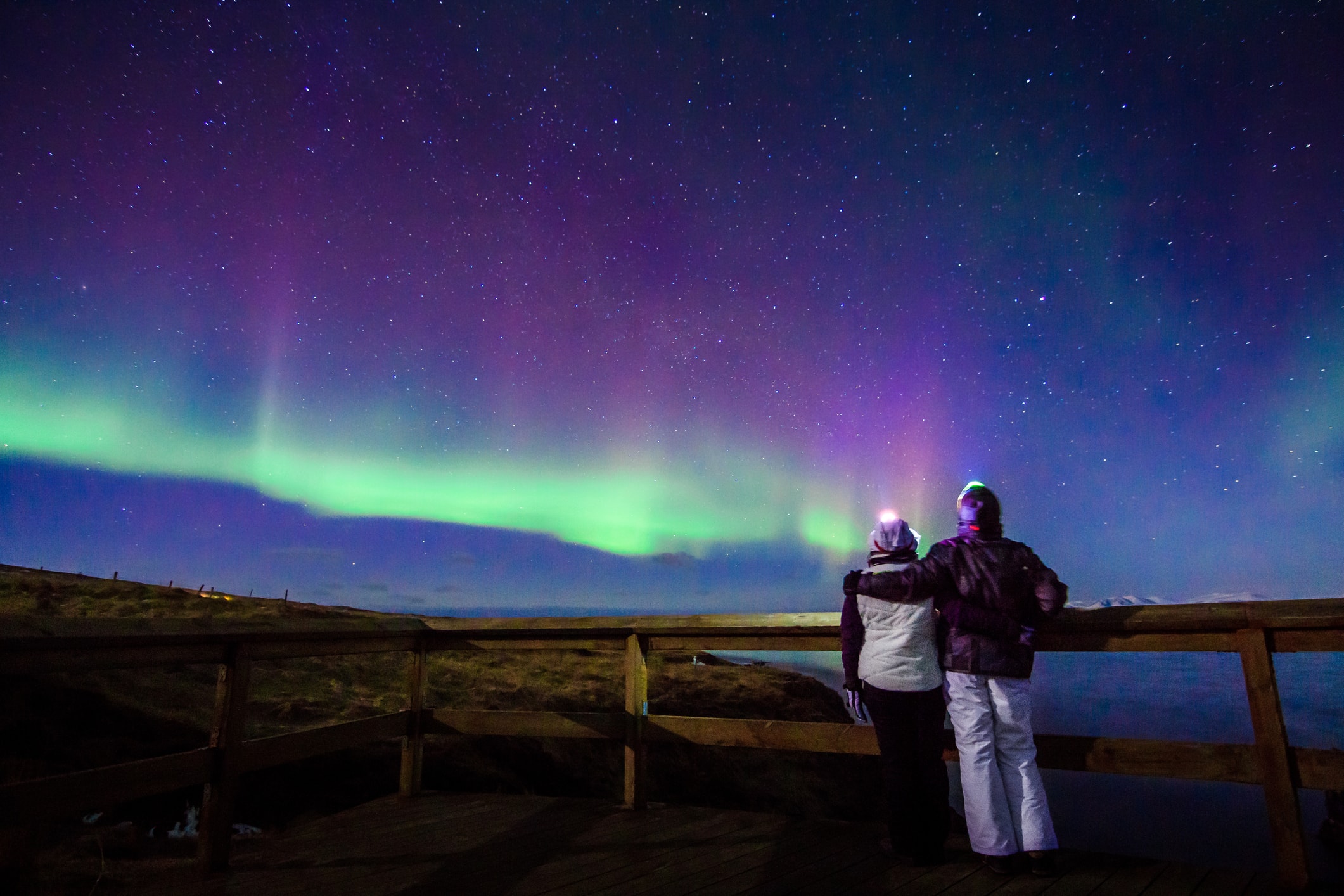
When viewing the Northern Lights, it is crucial to practice responsible tourism to preserve the natural beauty and respect local communities.
Always follow the "leave no trace" principle by packing out all your rubbish, including snack wrappers and cups. Be mindful of private property; do not enter gated or signed areas.
Also, be considerate of nearby rural homes by keeping noise to a minimum, such as closing car doors gently and keeping your voices low. For everyone's viewing experience, park your vehicle before switching to parking lights. Use a red headlamp to protect your own and others' night vision.
Quick Decision Tree (Save This for the Night Of)
Conditions can shift fast in Iceland, so it helps to have a simple plan ready before you head out. Use this quick decision guide to choose your best aurora option once you’ve checked the forecast:
- Reykjavík looks clear, wind modest? → Start nearby at Heiðmörk or Álftanes for easy access and great reflections.
- Clouds spilling in from the ocean? → Go inland toward Mosfellsdalur or the Þingvellir outskirts, where skies often stay clearer longer.
- Coast is clear but windy? → Begin at Kjalarnes, then if gusts pick up, retreat into Hvalfjörður for shelter and still water views.
- South looks better on the map? → Try the Kleifarvatn → Krýsuvík–Seltún combo for volcanic landscapes and geothermal steam beneath the lights.
- Prefer warmth and fewer crowds built-in? → Book the Northern Lights Tour with Lagoon Soak by The Iceland Tour Co.—the guides track the best sky gaps while you stay cozy and relaxed in the water.
Keep this checklist handy on your phone—the best aurora nights often reward those who adapt quickly and move with the weather.
FAQs
When is the best time to see the Northern Lights near Reykjavík?
The aurora season begins in late August and peaks during the winter months, when nights are longest and aurora activity is highest. Check the northern lights forecast from the Icelandic Meteorological Office before heading out for your aurora hunt.
Where can I find the best viewing locations close to the city?
Top spots include Grótta Lighthouse on the Seltjarnarnes Peninsula, far enough from the city center for minimal light pollution. You can also drive toward Thingvellir, Iceland’s largest lake, for darker areas and wide skies.
Is it better to join a guided tour or self-drive?
A guided tour offers expert navigation, but a self-drive tour lets you explore remote locations and hidden spots off the beaten track, depending on road conditions.
What helps improve my chances of seeing the lights?
Look for low light pollution, clear skies, and active nights during solar maximum. Even near downtown Reykjavík or the Blue Lagoon, you might see the Northern Lights if the sun and Earth’s magnetic field align for a powerful natural phenomenon.
Conclusion
You don't need to trek deep into the highlands for a prime aurora viewing spot. Within an hour of Reykjavík, coastal horizons, forest clearings, lake shores, and fjord pull-outs offer brighter lights and calmer experiences.
Prioritize darkness over distance, monitor the clouds, and be ready to adapt throughout the night. For a cozy, small-group experience with built-in comfort and flexible rerouting, The Iceland Tour Co.'s Northern Lights Tour with Lagoon Soak and Icelandic Tasting is a thoughtful option.
However you chase it, the aurora rewards patience and preparedness. When those green ribbons appear, the quiet around Reykjavík will feel like your own private theater.