Best Time to See Northern Lights in Iceland: Month-by-Month Breakdown
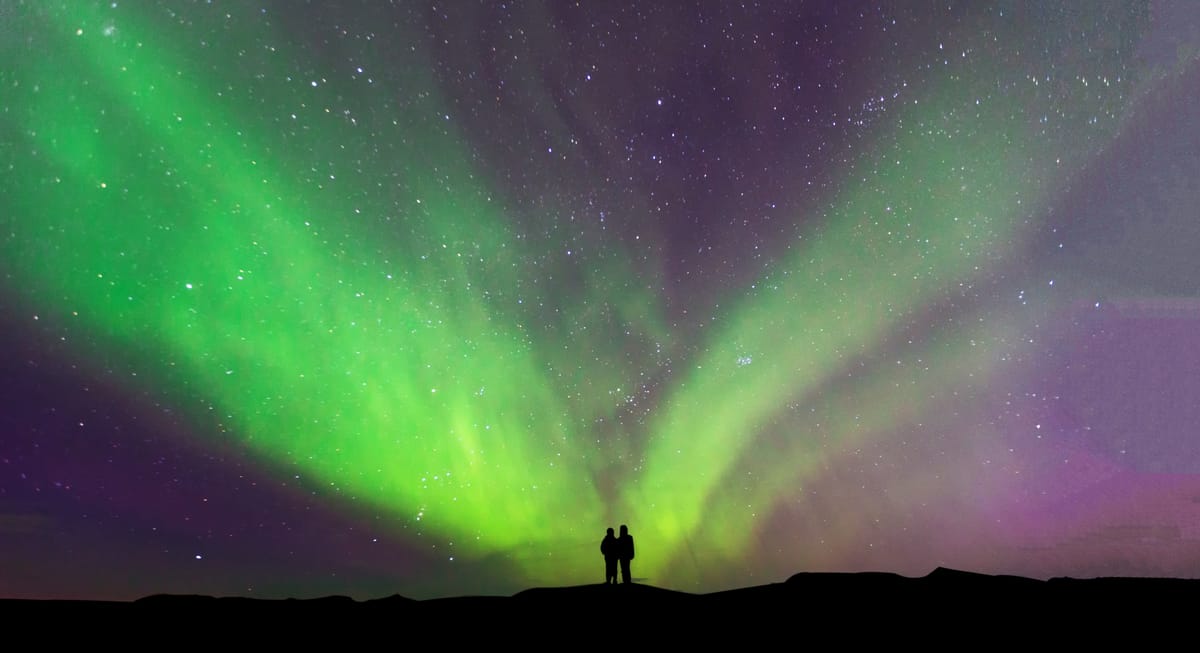
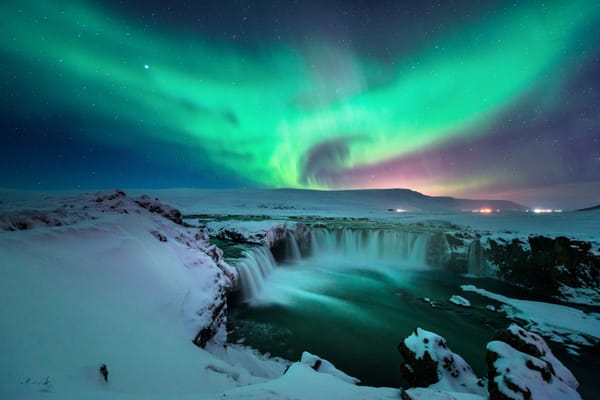
The northern lights are a natural phenomenon, but in Iceland, they feel more like a quiet conversation between the sky and the landscape. Seeing them depends on timing, weather, and the shifting light of each season.
To experience them fully, you need more than just darkness—you need patience and an understanding of how Iceland’s environment changes throughout the year.
This guide offers a clear, month-by-month breakdown of the aurora season, blending scientific data with local insights. It explains how solar activity creates the vibrant colors, why some months offer better viewing opportunities, and how planning can help you see the lights comfortably.
With curated itineraries and thoughtful timing, you can turn a simple viewing into a lasting memory. Here’s when and how to experience the northern lights in Iceland.
The Science Behind the Northern Lights
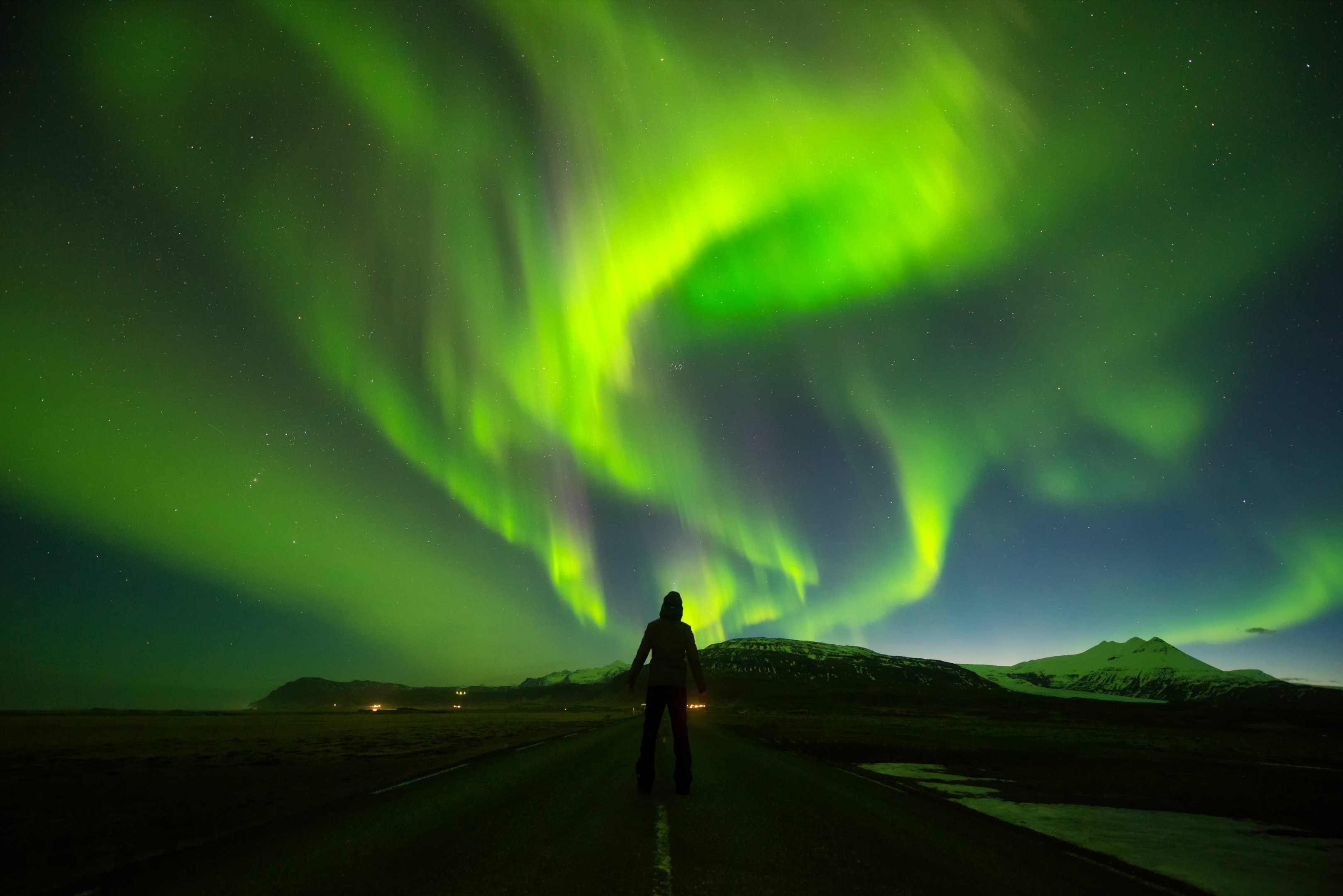
Auroras occur when charged particles from the sun travel along Earth’s magnetic field and interact with atmospheric gases. This interaction energizes oxygen and nitrogen in the upper atmosphere, which release light as they return to their normal state. The result is a stunning natural light display shaped by solar activity, though visibility depends on local weather conditions like clouds.
Two key factors affect auroras in Iceland:
Solar wind activity
The brightness and movement of auroras depend on the intensity of solar particles reaching Earth. This is measured using the KP Index, which tracks geomagnetic activity. In Iceland, a KP level of 2 or higher is usually sufficient because the country’s position near the Arctic Circle amplifies magnetic influence.
Local weather conditions
Even with strong solar activity, auroras require clear skies to be visible. Factors like cloud cover, wind, and humidity can all impact visibility. Iceland’s microclimates often lead to varying conditions over short distances, so flexible itineraries with multiple viewing locations are essential. A short drive can often mean the difference between an obstructed sky and a clear, open view.
Balancing solar activity with favorable ground conditions is key to planning a successful aurora experience. The following months highlight what each part of Iceland’s aurora season offers in terms of light, weather, and the rhythms of winter.
When the Aurora Season Begins
Iceland’s aurora season runs from late August to mid-April. The lights don't disappear outside this window; the sky simply becomes too bright. The atmosphere must be dark enough for the colors to show, and this deep darkness only returns in late summer.
For most travelers, September through March is the most practical viewing period. Within this window, each month offers its own pace, character, and considerations. The following breakdown explains what to expect at each stage of the season, grounded in real conditions rather than generalized promises.
Month-by-Month Breakdown
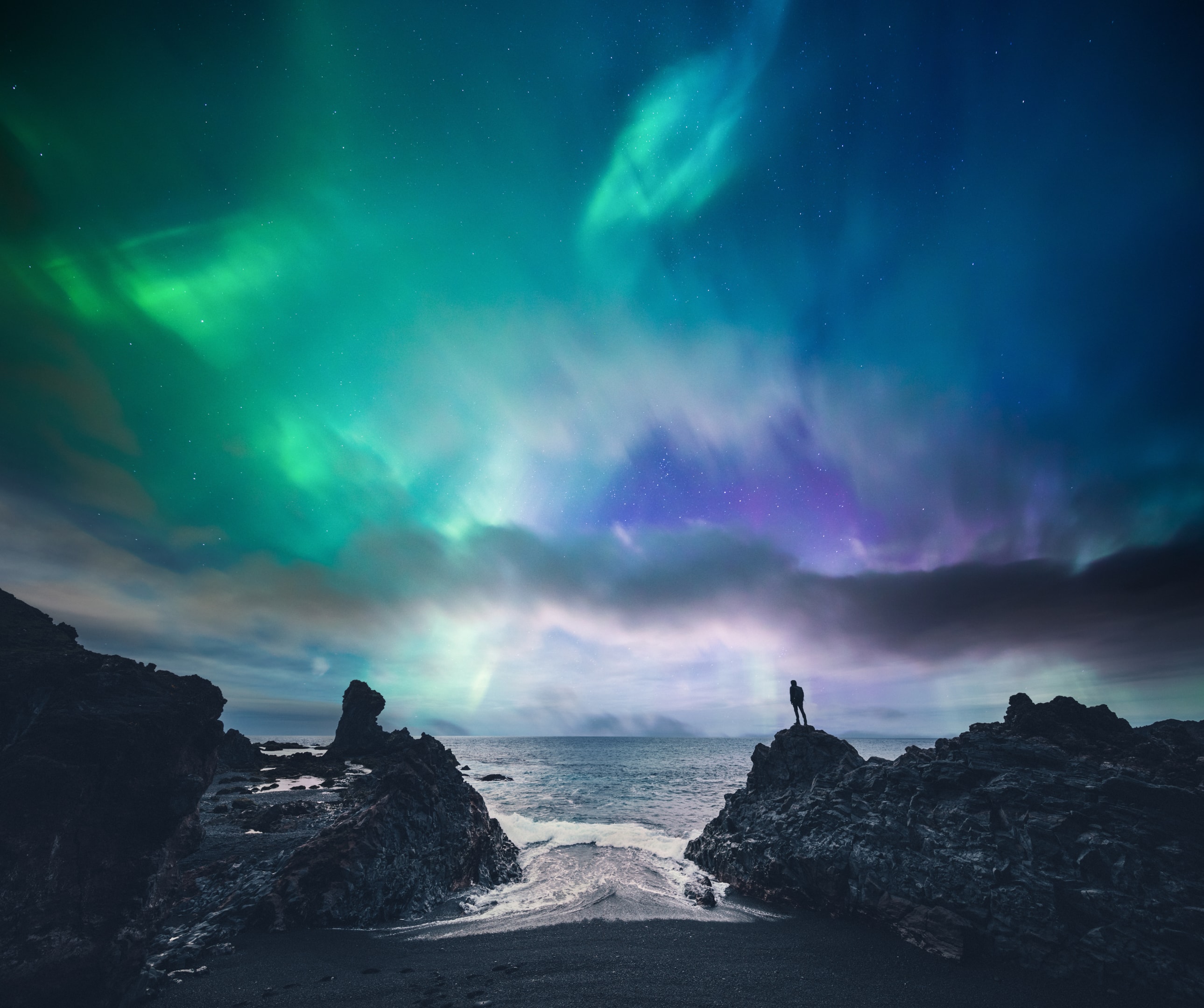
Here is a month-by-month breakdown of what you can expect when viewing the Northern Lights:
September
September marks the true start of the viewing season. Nights grow longer, but the landscape still carries autumn warmth. The weather shifts quickly, bringing a mix of clear evenings and fast-moving clouds. Because temperatures are mild compared to winter, outdoor viewing can feel more comfortable.
Daylight and darkness
Darkness returns steadily, offering long viewing windows by mid-month. Sunset comes earlier each day, creating a gentle transition into the aurora season.
Local insight
This is a month of balance. Roads are open, viewpoints are easy to reach, and the weather often brings clear skies. Gentle winds can push light clouds aside at just the right moment, offering a reward to travelers who take the time to wait.
October
October deepens the season. Temperatures cool, but not yet to winter levels. With longer nights, viewing opportunities increase, though autumn storms occasionally bring cloudier periods.
Daylight and darkness
By late October, darkness stretches well into the evening and early morning, creating wide windows for aurora activity.
Local insight
This month blends fall color with early signs of winter. Travelers who move between regions often find clearer skies just a valley or headland away. With flexible timing, October can offer consistent viewing.
November
November introduces the steady rhythm of Iceland’s winter. Nights are long, and the landscape grows quieter. This is a reliable month for aurora activity because darkness dominates most hours.
Daylight and darkness
Limited daylight means many opportunities for viewing. Even early evening holds deep darkness suitable for the lights.
Local insight
Winter weather becomes more variable. Clear nights can be exceptionally crisp, offering strong visibility, but cloud systems can settle for longer stretches. Monitoring conditions and choosing routes carefully helps make the most of the month.
December
December is one of the darkest months in Iceland, with only a few hours of daylight. While this creates excellent visibility for auroras, weather can be unpredictable. Snowfall, storms, and cloud cover often arrive in waves.
Daylight and darkness
Darkness lasts for most of the day. For travelers, this allows for flexible viewing times, including mornings, early evenings, and late nights.
Local insight
December rewards patience. There are nights when clouds settle heavily, and others when they open suddenly, revealing clear skies above fresh snow. Local forecasting and careful timing become essential, especially on rural routes where conditions shift quickly.
January
January continues the deep-winter pattern. Nights remain long, offering abundant darkness, and temperatures drop. This often brings crisp, clear evenings between weather systems.
Daylight and darkness
Daylight begins to return slowly, but darkness still dominates, making January one of the most reliable months for viewing.
Local insight
Winter calm can appear without warning. A break in the clouds before midnight might give way to an open sky across the southern coast. Having a planned route with alternative stops helps turn these brief openings into memorable moments.
February
February blends winter stability with slightly longer days. This month often sees colder air and clearer nights, producing conditions that favor strong aurora visibility.
Daylight and darkness
Even with increasing daylight, nights remain long enough for extended viewing.
Local insight
February is well-suited for curated itineraries with multiple potential lookout points. If cloud patterns shift, travelling a short distance inland or toward a sheltered valley can reveal clearer skies.
March
March is one of the best times to see auroras in Iceland. The combination of longer days, more stable weather patterns, and still-dark nights creates excellent conditions.
Daylight and darkness
Even though daylight stretches further, the night offers more than enough darkness, especially during the early evening.
Local insight
March can provide some of the clearest skies of the entire season. The balance between winter cold and spring transition often brings visibility that feels steady and calm.
April
April marks the end of the season. Early April can still deliver strong aurora activity, but by mid-month the returning daylight reduces the viewing window significantly.
Daylight and darkness
Evenings begin to brighten. The lights remain visible, but timing becomes more precise.
Local insight
April is best approached with a flexible schedule and a focus on early viewing. Calm conditions can produce beautiful displays just after sunset, before the sky brightens toward spring.
How Weather and Light Shape Your Chances
Aurora viewing depends as much on Iceland’s microclimates as it does on solar activity. The country’s varied terrain creates shifting cloud patterns, meaning neighboring regions can have entirely different conditions at the same moment.
Three elements matter most:
Cloud cover
Clear skies are essential. Experienced guides often follow multiple forecasts simultaneously, watching for short-lived openings.
Wind patterns
Iceland’s coastal winds frequently move cloud layers aside, revealing the stars with little warning. Timing arrivals with these changes is part of a well-curated route.
Light level
Darkness is necessary, but moonlight can affect visibility. A full moon brightens the landscape, which helps with photography, while a new moon enhances contrast. Both can be beautiful when approached with intention.
Travelers who rely on local expertise benefit from the flexibility and calm pacing that these conditions require. Knowing where the skies will open and when to pause makes a significant difference.
The Value of a Curated Northern Lights Experience
Seeing the northern lights can feel effortless when the trip is well-organized. A curated experience takes care of the planning, monitors the conditions, and sets the pace. It minimizes the challenges of winter travel, letting travelers focus on the experience instead of the logistics.
Here, comfort isn’t about luxury—it’s about simplicity: warm spaces, seamless transitions, and clear communication. When the night revolves around light, weather, and timing, travelers can enjoy the auroras with the peace of mind and clarity they deserve.
Highlight: Northern Lights Tour with Lagoon Soak and Icelandic Tasting
The Iceland Tour Company offers an evening experience focused on light, tranquility, and atmosphere. This small-group tour departs from Reykjavík and follows a route tailored to the night’s conditions.
The first stop is a peaceful geothermal soak at Laugarás Lagoon. Surrounded by quiet, warm water, and an open sky, it’s the perfect break in the journey. Next, the evening takes you to the Caves of Laugarvatn, where you’ll enjoy a tasting of local flavors by the fire—a calming, grounding moment in the heart of winter.
If the conditions are right, the Northern Lights appear over the valley, far from the crowds. Guests can watch from a location specifically chosen for its serenity and clear views. Guides continuously monitor the weather throughout the night, ensuring every stop is planned with care. A private version of this tour is also available for those seeking a more personalized experience.
How to Get Ready for a Night Under the Northern Lights?
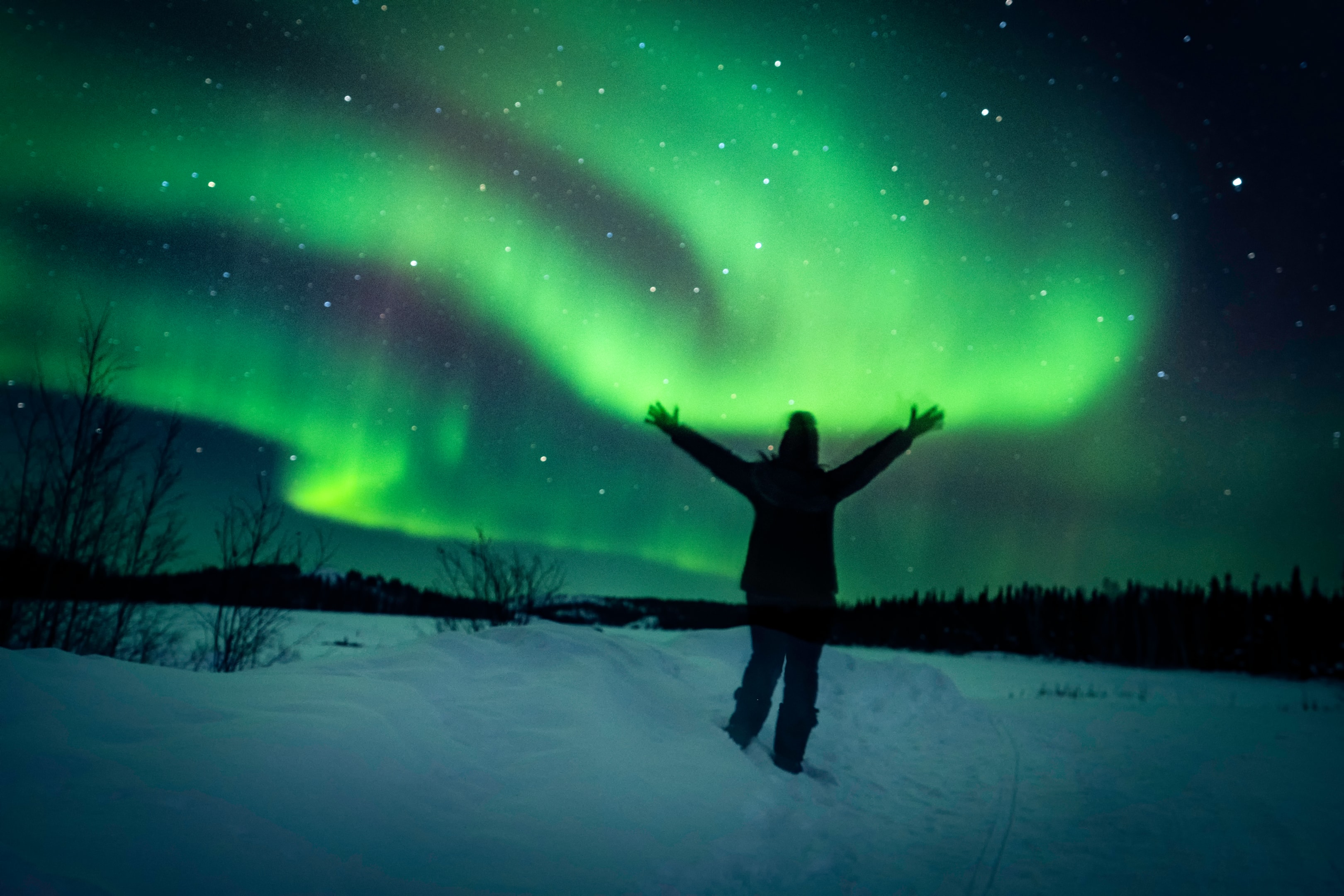
A little preparation goes a long way for an unforgettable evening:
Dress in layers
The weather can change fast! Wear a cozy base layer, an insulated mid-layer, and a windproof outer layer to stay warm and comfortable.
Pick sturdy footwear
You'll likely be walking on icy or uneven ground, so good boots are a must.
Know how moonlight affects the view
Both full moon and new moon nights have their charms. Trust your guide to pick the perfect timing.
Keep your expectations in check
The auroras can be unpredictable, but a little patience and flexibility often lead to the most magical moments.
Rely on local experts
Routes are planned with care, not convenience. Whether it’s a valley sheltered from the wind or a ridge with wide-open northern views, trust that your guide knows the best spots for the perfect sighting!
FAQs
What is the best northern lights season month by month in Iceland?
Iceland’s northern lights season runs from late August to early April, when dark skies replace long daylight hours. September and October bring frequent auroral displays around the autumn equinox, while November through February offer long nights during the winter months. March and early spring often provide strong aurora sightings near the spring equinox, making it an excellent time to visit Iceland for consistent northern lights viewing.
Why are the winter months considered peak season for aurora borealis?
The winter solstice brings extended darkness, low city lights, and minimal light pollution, which is ideal for a northern lights hunt. Winter storms can reduce visibility, but clear breaks often appear. Remote locations such as the Icelandic highlands offer low light pollution and a winter wonderland setting for magical northern lights dancing across the sky.
Can the aurora borealis be seen during the midnight sun?
It is extremely unlikely. When the midnight sun begins, the night sky stays bright, making auroral displays nearly invisible. Even strong solar storms cannot outshine constant summer illumination. During this period, travelers often choose guided northern lights tour lectures or learn about southern lights like aurora australis instead of active viewing.
How can I increase my chance of aurora sightings in Iceland?
Check aurora forecasts, pick nights with low light pollution, and head to a remote location such as Jökulsárlón Glacier Lagoon. Warm clothes are essential, especially if combining ice caving or glacier hiking with aurora viewing. When geomagnetic storms interact with Earth’s magnetosphere, they can create frequent displays and truly magical northern lights dancing overhead.
Conclusion
There is no single perfect moment to see the northern lights in Iceland. Each month brings its own opportunities, shaped by light, weather, and the changing of the season. What matters most is understanding the rhythm of the landscape and choosing an approach that prioritizes calm, clarity, and thoughtful timing.
A curated experience allows travelers to focus on the sky while every practical detail is handled with care. When viewed with intention, the northern lights become more than a spectacle. They become a moment that feels chosen, not chased. And in Iceland, that makes all the difference.