Best Time to Visit Iceland for Northern Lights & Whale Watching
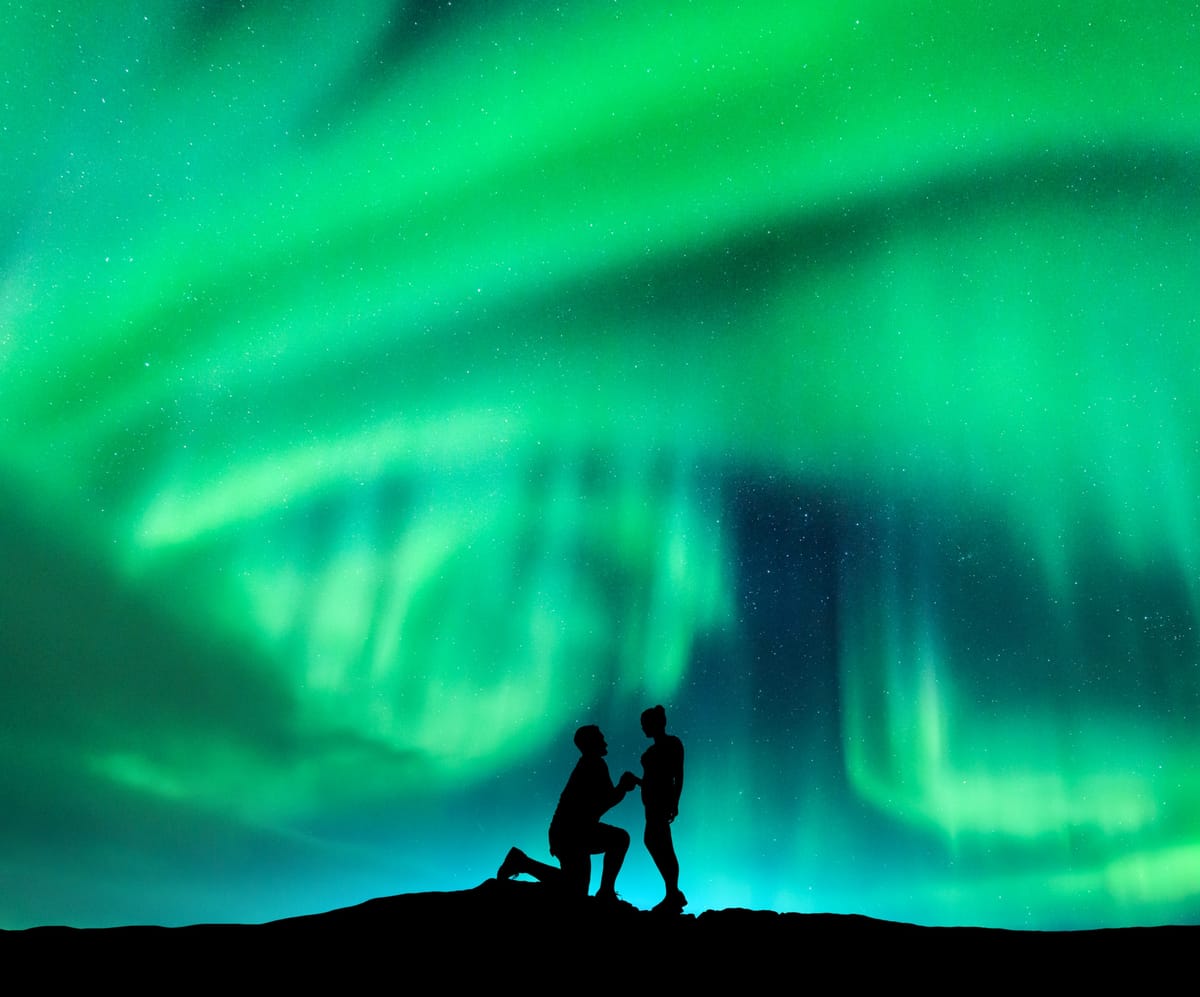
Iceland offers a natural spectacle unlike anywhere else, with two of its biggest draws being the northern lights and its abundant whales.
Watching the aurora borealis light up the winter sky or spotting a humpback whale breach in summer are unforgettable experiences. However, timing is crucial to enjoy both in one trip.
The northern lights shine brightest during the dark winter months, while whales are most active in summer's long daylight hours. With careful planning, you can experience both. This guide helps you plan the perfect itinerary to catch Iceland’s seasonal wonders.
Why Time Matters In Iceland
Iceland's dramatic seasons play a key role in shaping visitor experiences, making timing an essential aspect of any trip. The country’s long, dark winters create ideal conditions for witnessing the spectacular northern lights, while its bright, extended summer days showcase abundant wildlife, including diverse seabirds and migrating whales.
Additionally, seasonal changes impact accessibility to some of Iceland’s iconic attractions, like ice caves during winter and highland roads in summer. Understanding these seasonal variations allows travelers to prioritize activities and destinations that align with their interests.
Whether chasing the aurora borealis, hiking under the midnight sun, or exploring natural wonders, careful planning ensures you make the most of Iceland’s unique offerings at the right time of year.
Understanding Iceland’s Seasons
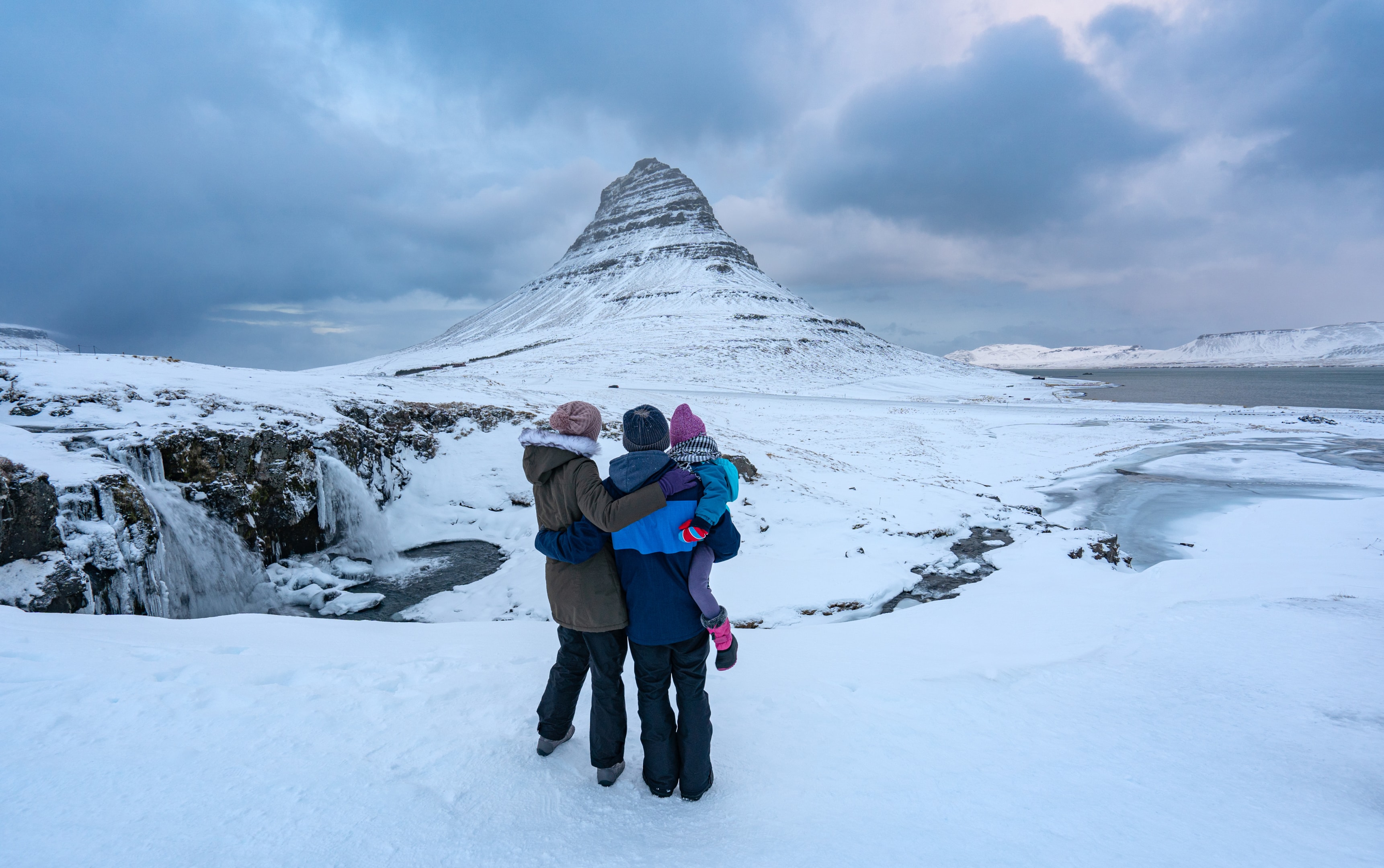
Iceland’s unique geography means that its seasons vary dramatically, not only in temperature but also in daylight. These changes define when travelers can see whales and when they can catch the aurora.
Summer (May–August)
Summer in Iceland is defined by the midnight sun. Days are almost endless, with up to 24 hours of daylight in June.
This is prime whale watching season, as humpback whales, minke whales, and dolphins thrive in the rich feeding grounds of Faxaflói Bay. However, summer’s constant daylight makes northern lights viewing impossible.
Autumn (September–October)
As the days shorten, Iceland shifts into autumn. This is the start of northern lights season, with dark nights returning in late September.
At the same time, whale watching is still strong, as many migratory species remain in Icelandic waters through October. Autumn is therefore one of the best times to combine both experiences.
Winter (November–March)
Winter brings long nights, snow, and icy landscapes. This is prime northern lights season, offering the best chance to see the aurora borealis.
Whale sightings are fewer, but minke whales and white-beaked dolphins can still be seen on some tours. The atmosphere in winter is magical, with aurora hunts paired with hot chocolate, campfires, and warm geothermal lagoons.
Spring (April)
In April, the days lengthen again, but nights are still dark enough for northern lights viewing early in the month.
Whale watching season begins to pick up, with migratory species returning to Iceland’s waters. Like autumn, spring offers travelers a chance to combine both highlights.
Iceland’s seasons each bring their own magic, offering unique experiences that cater to a variety of interests. Whether you’re chasing the midnight sun, spotting whales, or marveling at the northern lights, Iceland promises unforgettable memories year-round.
The Best Time to See the Northern Lights in Iceland
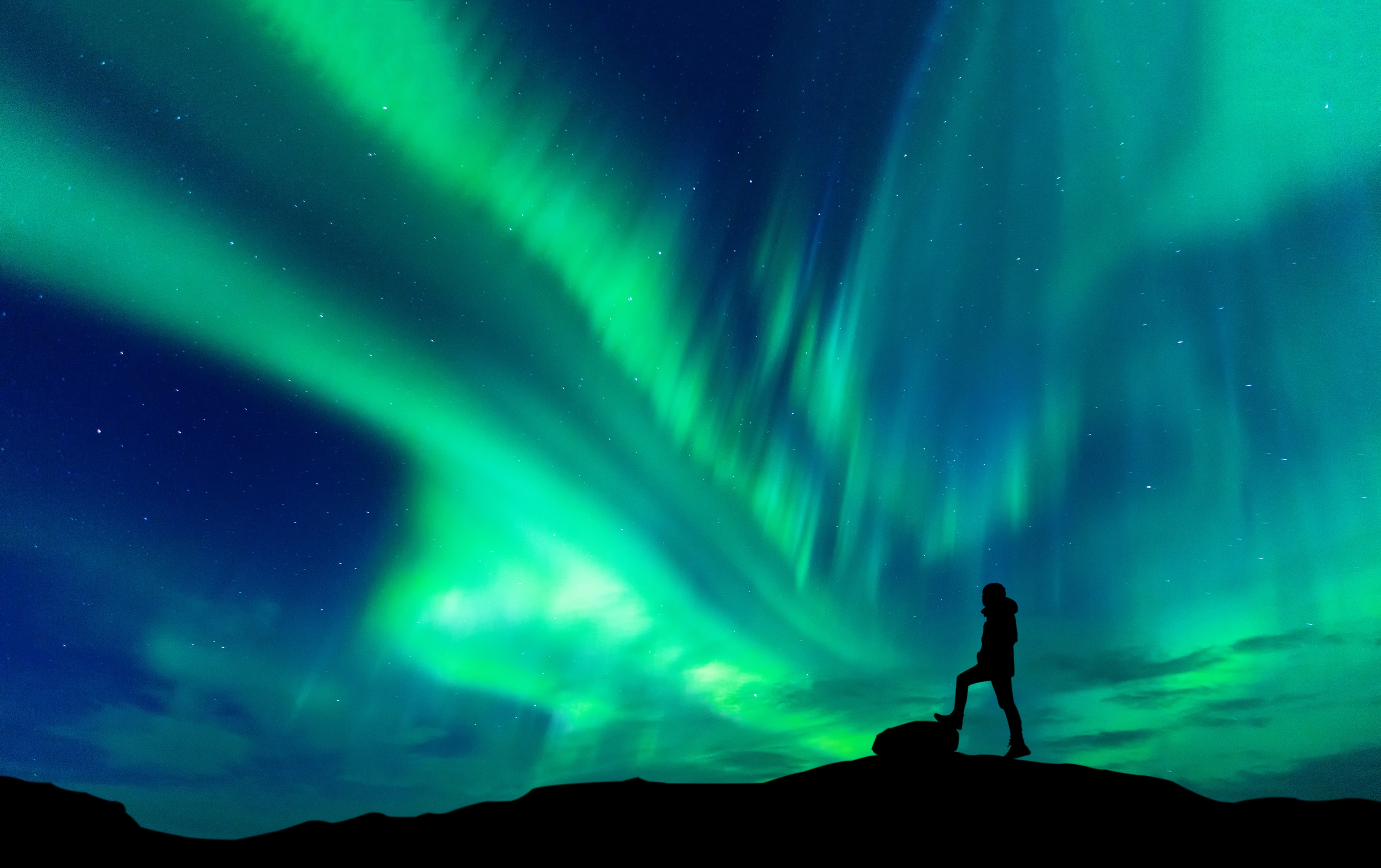
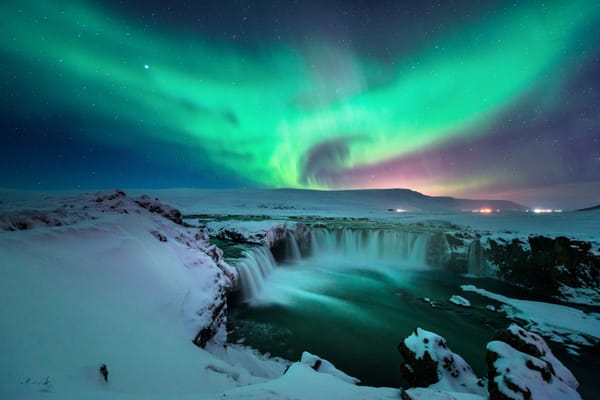
Few natural wonders rival the enchantment of the northern lights, or aurora borealis, in Iceland. These breathtaking displays of green, pink, and purple light ribbons dancing across the night sky are a bucket-list experience for countless travelers.
When to See the Northern Lights
The ideal time to witness this stunning phenomenon is from late September to early April, when Iceland’s nights are at their longest and darkest. The peak viewing months are November through February, offering up to 18 hours of darkness—perfect for aurora spotting.
What You Need for the Best Aurora Views
To increase your chances of seeing the northern lights, consider these key factors:
- Dark Skies: The aurora is only visible in complete darkness, so avoid light pollution as much as possible.
- Clear Weather: Cloud cover can block your view, so flexibility with your schedule is essential.
- Solar Activity: Intense solar winds and heightened magnetic activity enhance the brightness and frequency of the lights.
Where to Go for Optimal Viewing
While Reykjavík occasionally offers glimpses of the aurora, the most spectacular views are found far from city lights.
For a more immersive experience, venture to spots like Þingvellir National Park, the Laugarvatn area, or Iceland’s serene countryside. Many northern lights tours monitor real-time conditions to guide you to the clearest skies for the best chance of success.
A Unique Northern Lights Experience
Looking for more than just waiting in the cold for the lights to appear? The Iceland Tour Co.’s Northern Lights Tour with Lagoon Soak and Icelandic Tasting offers a magical evening to remember. Start with a soak in the tranquil Laugarás Lagoon beneath a starry sky.
From there, head to the Caves of Laugarvatn, where a cozy campfire awaits with warm drinks and authentic Icelandic delicacies. If the aurora graces the sky, you’ll witness the spectacle in one of the most unforgettable settings imaginable.
Whether exploring solo or joining a guided tour, seeing the northern lights in Iceland is an awe-inspiring experience that will stay with you forever.
Best Time for Whale Watching in Iceland
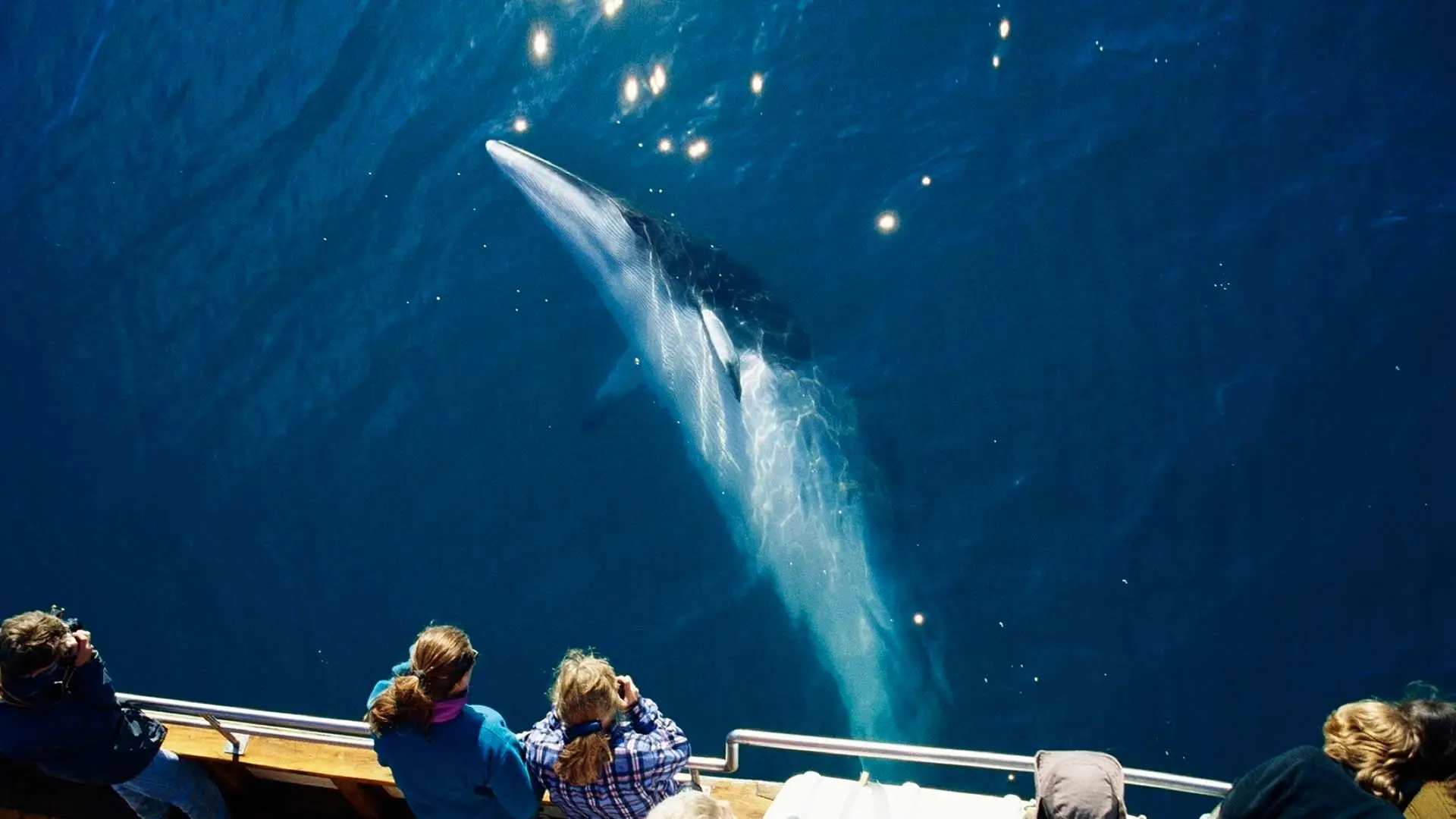
Whale watching is a must-do bucket-list activity in Iceland. The waters around Reykjavík are home to more than 20 species of whales, dolphins, and porpoises, creating an unforgettable experience for nature lovers.
When to Go
The prime whale watching season runs from April to October, when migratory species flock to Iceland’s nutrient-rich waters.
Humpback whales are the stars of the show, known for their playful breaching and tail-slapping displays. Minke whales and dolphins can be spotted year-round, while majestic blue whales and orcas occasionally make special appearances, delighting lucky visitors.
What You’ll See
- Humpback whales: Famous for their acrobatics and dramatic breaches, these playful giants are a highlight of any trip.
- Minke whales: Smaller but curious, they often approach boats, giving visitors an up-close encounter.
- Sperm whales: The deep-water giants, sometimes seen in more remote areas.
- White-beaked dolphins: Energetic and social, they often race alongside boats, riding the waves with contagious enthusiasm.
Where to Go
Most whale watching tours conveniently depart from Reykjavík Harbor, just a short walk from the city center. From there, boats sail into Faxaflói Bay, one of Iceland’s richest feeding grounds and a hotspot for marine life.
For those exploring beyond the capital, towns like Húsavík in the north also offer incredible whale watching opportunities, renowned for their scenic backdrops and high sighting success rates.
Whale Watching with The Iceland Tour Co.
The Iceland Tour Co. elevates your whale watching experience with top-tier comfort and expert guidance.
Guests can choose from small-group or private tours, where knowledgeable guides share fascinating insights into whale behavior while breathtaking views of Iceland’s stunning coastline unfold.
For an unforgettable adventure, pair a daytime whale watching trip with an evening northern lights hunt, offering the perfect combination of ocean wonders and celestial beauty.
Whether you're seeking an up-close encounter with these ocean giants or simply want to soak in Iceland’s incredible natural beauty, whale watching is a once-in-a-lifetime experience not to be missed.
Combining Northern Lights & Whale Watching in One Trip
For many travelers, the ultimate Icelandic experience is seeing both whales and the northern lights in a single trip. While these natural wonders peak in opposite seasons, there are special times of the year when they overlap, giving you the chance to enjoy the best of both worlds.
Best Months for Both
- September & October: These months offer a perfect overlap. Whales are still active in Iceland’s waters, and the nights are comfortably dark for aurora sightings.
- March & April: As the aurora season finishes, migratory whales begin to return, making spring another great option for a combined experience.
Sample Itineraries
- Autumn Adventure: Kick off your day with an exhilarating whale watching tour in Faxaflói Bay, where you can spot humpbacks or minke whales. In the evening, unwind with the Northern Lights Tour with Lagoon Soak, an unforgettable way to end your day.
- Spring Escape: Start with whale watching and follow it with a Golden Circle excursion to see geysers, waterfalls, and volcanic landscapes. Wrap up the day by chasing the northern lights under Iceland’s starry skies.
Why Guided Tours Matter
Both whales and the northern lights are unpredictable phenomena, influenced by weather, migration patterns, and solar activity. Guided tours are your best bet for making the most of your trip.
Companies like The Iceland Tour Co. use expert guides and up-to-date tracking technology to maximize your chances of spotting these wonders. Plus, they handle all the logistics, so you can focus on enjoying the experience.
Plan Your Dream Adventure Today
Seeing whales and northern lights together is a bucket-list-worthy adventure. With the right timing, guided tours, and a bit of luck, you'll create memories that will last a lifetime.
How Long Should You Stay in Iceland to Catch Both Experiences?
To catch both whales and the northern lights, plan to spend at least 7 to 10 days in Iceland. These experiences depend on nature’s timing and conditions, so a longer stay increases your chances of success.
Whale watching tours run throughout summer, while northern lights are best spotted from late August to mid-April. Arriving during the transition months, like September or early October, allows you to experience both. Allocate time to join multiple tours, as weather conditions may impact schedules.
Additionally, exploring Iceland’s other wonders, such as glaciers, waterfalls, and geysers, makes your trip even more rewarding. Staying flexible and allowing buffer days ensures you maximize this unforgettable adventure.
Tips for an Unforgettable Northern Lights Adventure in Iceland
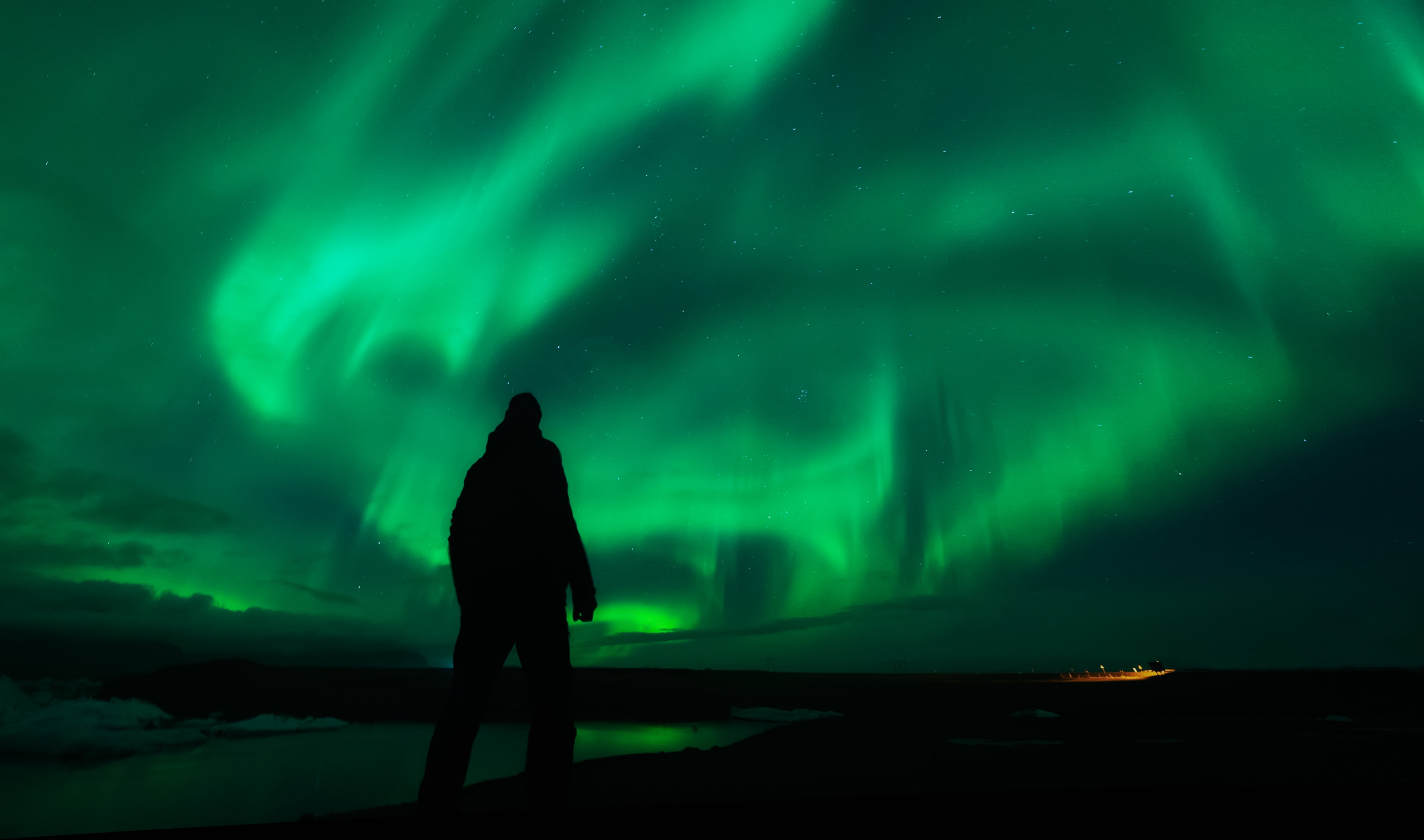
Make the most of your Northern Lights experience in Iceland with these practical and helpful tips:
Dress for Iceland’s Ever-Changing Weather
Staying warm and comfortable is essential when exploring Iceland’s breathtaking landscapes. Layer your clothing to adapt to fluctuating temperatures and always bring waterproof outerwear to handle the island’s unpredictable weather.
Don’t forget to pack essentials like hats, gloves, and scarves to keep the chill at bay. Being well-prepared ensures you can fully enjoy your adventure, whether you’re chasing the aurora or embarking on a whale-watching tour.
Stay Flexible with Your Plans
Iceland’s weather is famously unpredictable, so flexibility is key to a successful trip. Tours and activities may be delayed or canceled due to changing conditions, so it’s smart to include extra days in your itinerary.
By leaving some wiggle room in your schedule, you’ll be able to adapt and still take advantage of everything Iceland has to offer, no matter what the weather brings.
Opt for Guided Tours
Guided tours are the best way to elevate your Icelandic adventure. Local guides bring expertise and insider knowledge, maximizing your chances of spotting the Northern Lights or encountering majestic whales.
Their deep understanding of the area enriches your experience, ensuring a more informative and enjoyable journey. Booking a professional guide means you won’t miss out on any of Iceland’s highlights.
Bring the Right Equipment
Capturing Iceland’s awe-inspiring beauty requires the right gear. A reliable camera with manual settings is essential for photographing the northern lights or a breaching whale.
Be sure to pack extra batteries and memory cards, as cold weather can drain power quickly. Equipped with the right tools, you’ll be able to preserve the magic of your adventure for years to come.
Choose Small-Group Tours for a Personalized Experience
For a more intimate and rewarding experience, consider booking small-group tours. Companies like The Iceland Tour Co. specialize in personalized adventures, giving you more attention and better opportunities to connect with your surroundings.
With fewer people, you’ll enjoy unobstructed views, the chance to ask questions, and a closer connection to the action, creating lasting memories. Small-group tours are perfect for travelers seeking a tailored and immersive journey.
By following these tips, you’ll be well-prepared to embrace the wonders of Iceland and create unforgettable memories under the dazzling Northern Lights.
Elevate Your Iceland Adventure with Must-Try Activities
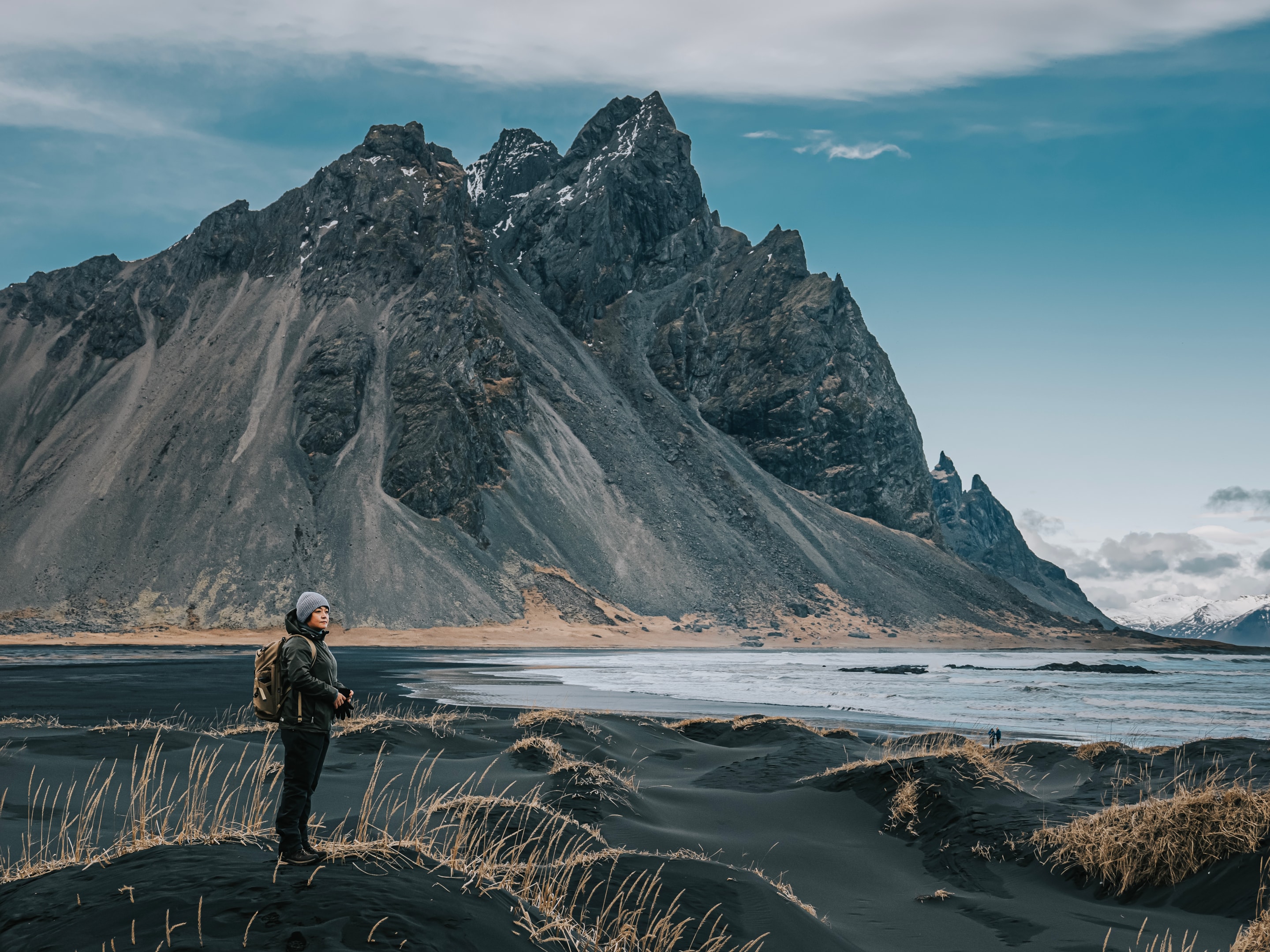
While Iceland is famed for its whales and northern lights, there’s so much more to uncover. Make your trip truly unforgettable by including these incredible experiences in your itinerary.
Unveil the Wonders of the Golden Circle
The Golden Circle is a quintessential Icelandic route, featuring iconic stops like Þingvellir National Park, the Geysir geothermal area, and the impressive Gullfoss waterfall. Along the way, uncover hidden treasures that transform this classic journey into an unforgettable adventure.
For a unique twist, consider the Golden Circle, Friðheimar & Laugarás Lagoon Tour by The Iceland Tour Co. This thoughtfully curated tour combines breathtaking sights with a taste of Icelandic cuisine and a rejuvenating visit to the Laugarás Lagoon. It’s the perfect balance of exploration and relaxation.
Experience the South Coast’s Natural Marvels
Iceland’s South Coast offers some of the country’s most awe-inspiring landscapes. From powerful waterfalls to stunning glaciers and dramatic black sand beaches, this region is a feast for the senses.
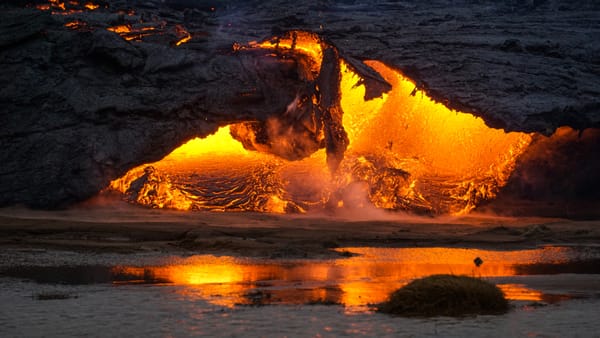
Must-see landmarks include Seljalandsfoss and Skógafoss waterfalls, where nature’s raw power is on full display, and the Sólheimajökull glacier, a mesmerizing frozen expanse waiting to be explored. Every stop along the South Coast promises adventure, beauty, and memories to last a lifetime.
Immerse Yourself in Reykjavík’s Vibrant Culture
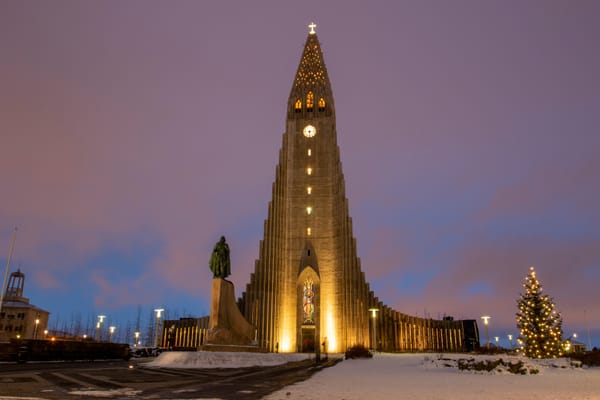
Reykjavík, Iceland’s dynamic capital, is a cultural hotspot brimming with unique experiences. Savor local flavors on a food tour or get creative with a cocktail-making class that showcases Icelandic culinary innovation.
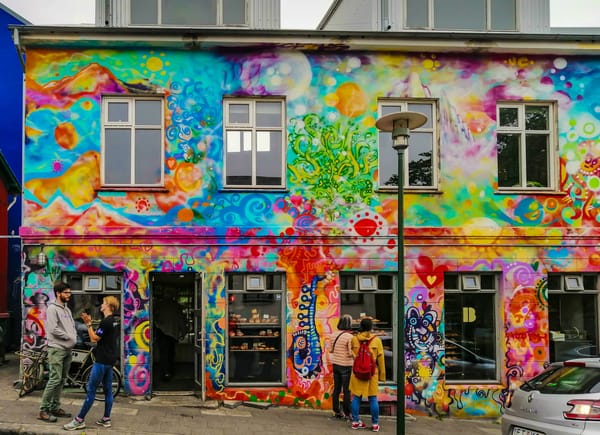
Beyond its food scene, Reykjavík is a hub of artistic energy. Wander through its art galleries, live music venues, and streets adorned with colorful murals that reflect the city’s creative spirit. No Icelandic adventure is complete without soaking in the lively culture of this bustling capital.
Create Lasting Memories
Whether you’re marveling at cascading waterfalls, unwinding in serene lagoons, or embracing Reykjavík’s cultural pulse, these activities will make your Icelandic journey one for the books. Even when the weather takes a turn, these experiences ensure every moment is unforgettable.
FAQs
Where should I go for whale watching in Iceland?
Húsavík in north Iceland is known as the whale watching capital, while west Iceland and south Iceland also offer boat tours. Summer months bring killer whales, and tour operators often combine whale spotting with visits to natural attractions like hot springs or even the Blue Lagoon.
Can I combine northern lights and summer activities?
Yes, though whale watching is best in summer months with milder temperatures, you can still enjoy glacier hiking, Jökulsárlón Glacier Lagoon, or the Ring Road.
When is the best season to see the magical northern lights?
The northern lights tend to appear most vividly during dark winter nights, late fall, and early spring. A guided northern lights tour often takes travelers away from distracting lights in Iceland’s capital to the Icelandic countryside or remote locations. The auroral oval and Earth’s rotation influence aurora activity, and periods of solar maximum increase visibility. On New Year’s Eve, the northern lights dancing across the sky create an unforgettable natural phenomenon.
What should travelers consider before visiting?
Always check the weather forecast, opt for a rental car for self drive flexibility, and note that shoulder seasons provide warmer temperatures and fewer crowds.
Conclusion
Iceland offers two of the world’s most spectacular natural experiences — whale watching and the northern lights.
While their peak seasons differ, travelers who plan carefully can enjoy both in the same trip, especially in autumn and spring. Daytime adventures at sea followed by evenings under the stars create a rhythm of exploration and wonder that defines the Icelandic experience.
Booking with The Iceland Tour Co. ensures that each moment — from spotting a humpback breach to watching the aurora shimmer across the sky — is guided by experts who know how to make these rare encounters unforgettable.
Whether you come for the whales, the lights, or both, Iceland will leave you with memories to last a lifetime.