Cloud Cover vs. Aurora Strength: How to Know If Tonight Is Good for Northern Lights
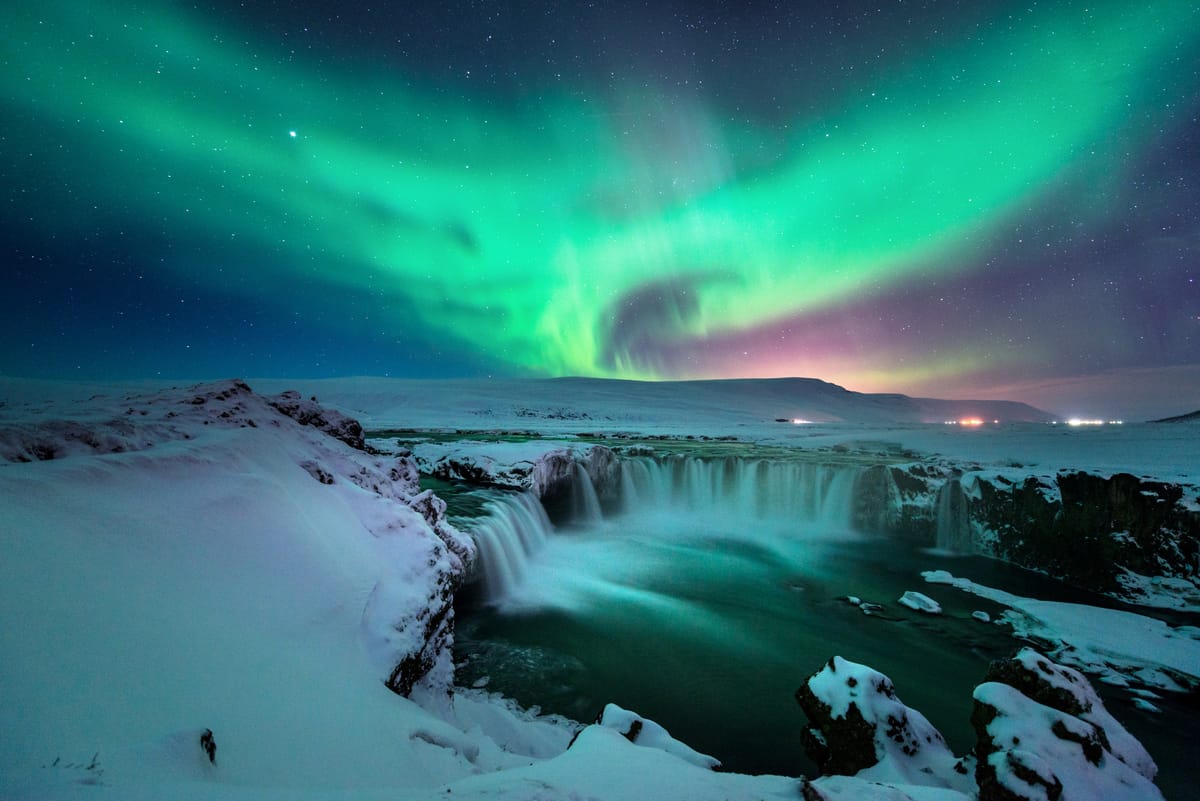
Predicting the perfect night to see the Northern Lights isn’t as simple as checking one forecast. Many travelers focus solely on aurora strength, thinking a high KP index guarantees an unforgettable show. But visibility depends just as much on cloud cover as it does on geomagnetic activity.
Even the strongest auroras can disappear behind heavy clouds, while clear skies can showcase stunning displays during weaker solar activity. Understanding how these two factors work together is the key to figuring out if tonight is truly worth heading out.
By learning to read cloud maps alongside aurora forecasts, you can make smarter choices, pick better viewing spots, and greatly increase your chances of experiencing Iceland’s most magical natural wonder.
Why is Iceland a Prime Location for Aurora Borealis Viewing?
Iceland sits directly beneath the auroral oval, the ring-shaped zone around the magnetic poles where auroras most frequently occur. This natural positioning means even moderate geomagnetic activity can produce visible Northern Lights across the country, often without needing a high KP index.
Iceland’s long winter nights provide extended darkness, increasing viewing opportunities, while its low population density reduces light pollution across vast open landscapes. The island’s dramatic geography also creates microclimates, allowing travelers to easily move between regions and find clearer skies when clouds gather in one area.
Combined with easy access to remote viewing spots just minutes outside major towns, Iceland offers one of the world’s most reliable and accessible environments for witnessing vibrant, dancing auroras.
Overview the Phenomena of Nature: Northern Lights
The Aurora Borealis is caused by plasma dynamics in Earth’s magnetosphere, driven by the interaction between the solar wind and the magnetosphere. When high-energy charged particles—originating from coronal mass ejections or fast-moving solar wind streams—reach Earth’s bow shock, they undergo magnetic reconnection processes along the magnetopause.
These processes direct the particles into the plasma sheet, where they are accelerated by field-aligned currents into the ionosphere. As these electrons and ions penetrate altitudes of approximately 50 to 190 miles (80 to 300 kilometers), they collide with atmospheric gases, exciting atomic oxygen and molecular nitrogen both electronically and vibrationally.
When these excited states decay, they emit light at specific wavelengths, producing the aurora's distinct colors. For example, the well-known green and red auroras are caused by oxygen emissions at 557.7 nm and 630.0 nm, respectively. The shape and behavior of auroras are influenced by magnetohydrodynamic instabilities, geomagnetic substorms, and changes in the orientation of the interplanetary magnetic field, especially when the Bz component is sustained in a southward (negative) direction.
Understanding Aurora Activity: What KP Index Really Means
What Causes Aurora Strength
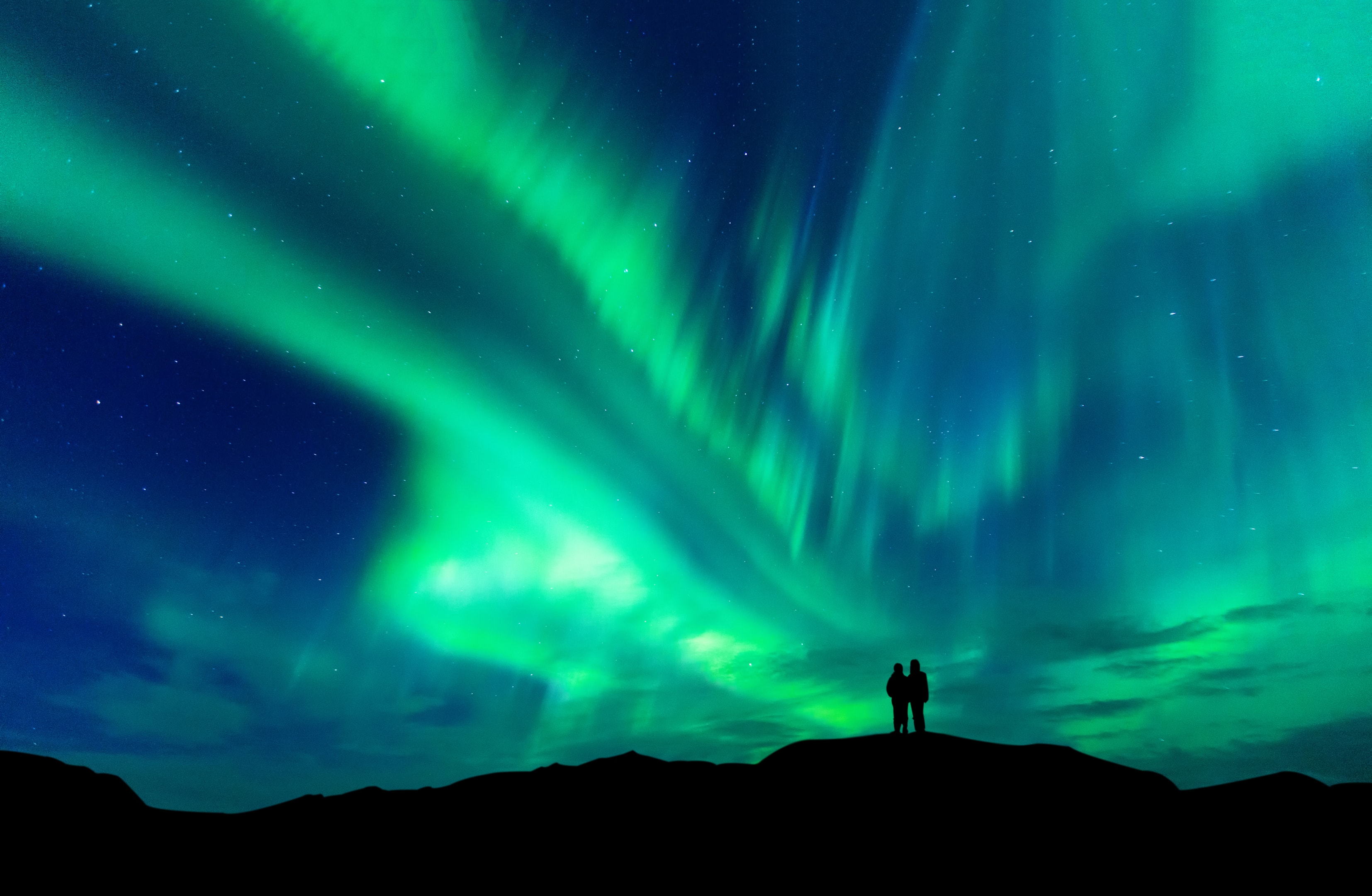
- Aurora intensity begins with solar winds, geomagnetic storms, and streams of charged particles ejected from the sun.
- When these particles reach Earth, the planet’s magnetic field guides them along magnetic field lines toward the polar regions.
- This funneling effect concentrates energy near the poles, producing stronger auroral activity when solar input is high.
KP Index Explained
- The KP Index measures global geomagnetic disturbance on a scale from 0 to 9.
- In Iceland, auroras are often visible at KP levels as low as 2 or 3 due to the country’s proximity to the auroral oval.
- A common misconception is that high KP guarantees visibility, but cloud cover and local conditions can still prevent sightings.
Other Indicators Beyond KP
- Bz indicates the direction of the interplanetary magnetic field; a southward Bz increases aurora likelihood.
- Solar wind speed affects how much energy reaches Earth, with high speeds promoting stronger activity.
- Solar wind density also matters, as denser particle streams carry more energy.
- Real-time space weather tools help combine these metrics for accurate forecasting.
Cloud Cover: The Most Overlooked Factor in Aurora Hunting

Cloud cover is one of the most underestimated variables in successful aurora viewing, yet it is often the single factor that determines whether a night becomes unforgettable or completely uneventful. Travelers frequently focus on the KP Index or solar activity forecasts, believing strong geomagnetic conditions alone will guarantee a vivid display. In reality, even the most powerful auroras cannot penetrate a thick layer of clouds. The Northern Lights occur more than 60 miles above Earth, while cloud layers sit far below, creating a physical barrier that blocks all visibility when coverage is dense.
Different types of clouds influence aurora viewing in different ways. Low and mid-level clouds are the most disruptive because they form solid, opaque layers that prevent any upward visibility. High-altitude clouds, especially thin cirrus formations, may still allow portions of the aurora to shine through, although the colors and clarity may be reduced. Iceland’s constantly shifting weather patterns, driven by the convergence of Arctic and Atlantic air masses, mean cloud cover can change dramatically within minutes. A sky that appears hopelessly overcast can clear unexpectedly, revealing bright auroral activity, while a seemingly clear forecast can quickly deteriorate.
Microclimates also play a significant role. Iceland’s varied terrain creates pockets where weather behaves differently from surrounding areas. Coastal regions may clear faster than inland valleys, and locations near mountains often experience rapidly moving cloud layers. This makes mobility a crucial strategy for aurora hunters. Being willing to drive 10 or 20 miles can transform a cloudy, disappointing night into a perfect viewing opportunity.
Relying solely on aurora strength forecasts without monitoring cloud maps is one of the most common mistakes visitors make. Evaluating both atmospheric and space weather conditions provides a far more accurate picture of viewing potential and significantly increases the chance of success.
How to Read Aurora and Cloud Cover Forecasts Together?
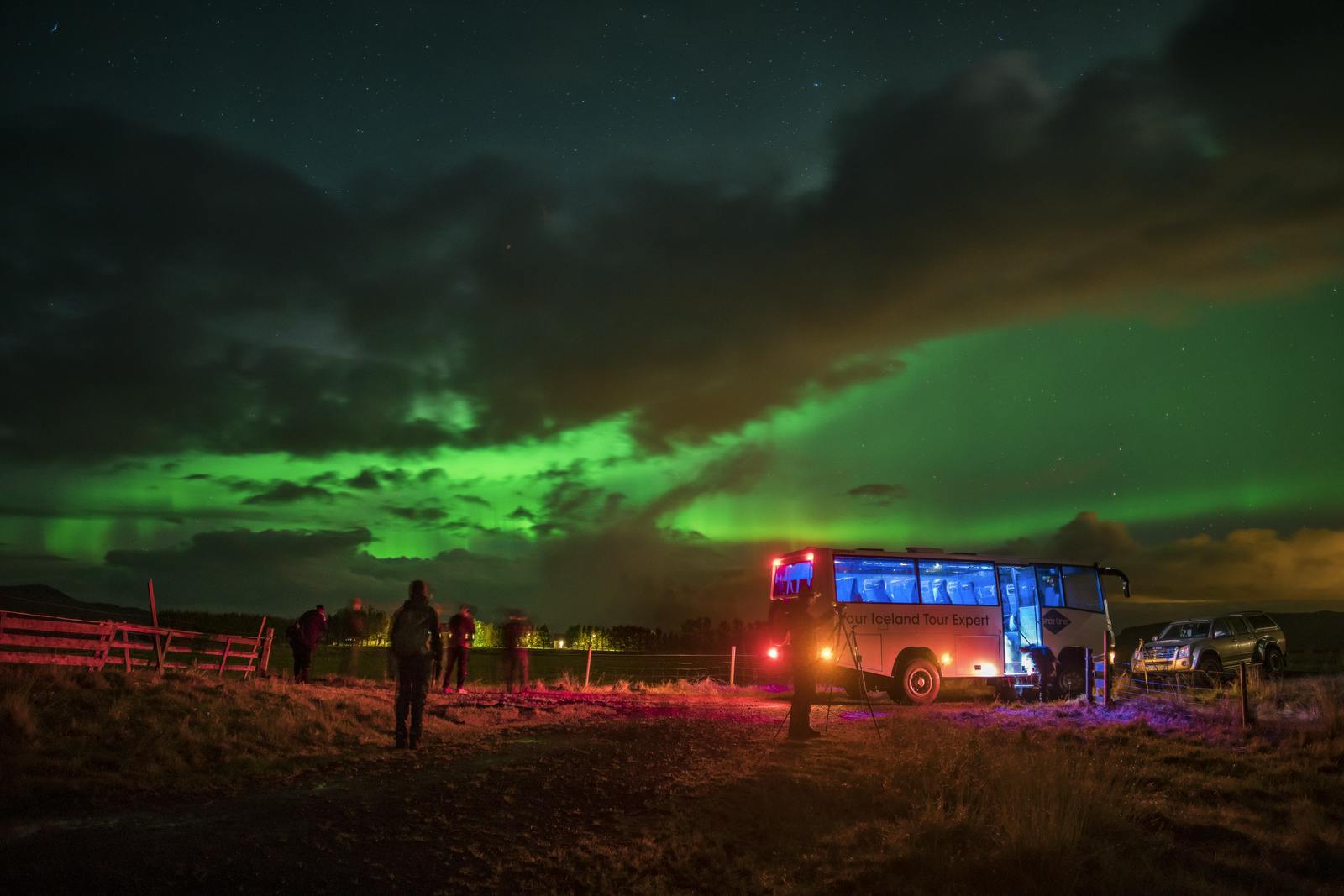
Successfully predicting whether the Northern Lights will be visible on any given night requires understanding how to interpret aurora activity and cloud cover in combination. Many travelers make the mistake of checking only the KP Index or relying solely on cloud predictions, but these elements must be analyzed together.
By learning to read both forecasts in a coordinated way, you significantly increase your chances of seeing a strong auroral display.
Step One: Assess the Aurora Forecast
The first component to examine is geomagnetic activity. The KP Index provides a baseline measurement of global magnetic disturbance on a scale from 0 to 9. In Iceland, auroras are often visible at KP 2 or KP 3 because the country sits beneath the auroral oval. However, the KP Index updates in three hour intervals, making it a delayed indicator rather than a real time predictor.
To form a more accurate picture, advanced aurora hunters rely on additional space weather data. Solar wind speed shows how fast charged particles are approaching Earth. Higher speeds generally correspond to stronger auroral potential. Solar wind density is also critical because it indicates the amount of charged particle flow. One of the most important measurements is Bz, the north south component of the interplanetary magnetic field. When Bz turns southward, it opens a pathway for solar particles to enter Earth’s magnetosphere, often triggering rapid intensification of aurora activity.
Step Two: Analyze Cloud Cover Maps
Even perfect geomagnetic conditions mean nothing if the sky is covered in thick clouds. Cloud cover forecasts determine whether you will actually be able to see the aurora. Iceland’s meteorological office provides highly detailed cloud maps showing clear areas, partial cover, and fully opaque cloud layers. These maps update frequently, often hourly, making them more immediate than aurora strength charts.
Different cloud types vary in impact. Low and mid level clouds typically block visibility entirely, while thin high altitude clouds may still allow auroral colors to shine through. Iceland’s rapidly changing weather adds complexity, as clouds can shift quickly due to the interaction of Arctic and Atlantic air systems. This means a currently overcast region may open up within an hour.
Step Three: Cross Match Aurora and Cloud Forecasts
To determine whether tonight is promising, you must combine your findings. A moderate KP with clear skies is far better than a high KP beneath heavy cloud cover. Begin by checking time intervals where aurora activity is expected to peak. Then compare those hours with cloud cover predictions. Look for windows of clear or partially clear skies during strong geomagnetic periods.
Step Four: Adjust Location Based on Forecast Patterns
Cloud cover often varies dramatically across short distances in Iceland. If your area appears cloudy, nearby coastal or inland regions may offer better visibility. Mobility is one of the most useful strategies, as driving just 10 to 20 miles can mean the difference between seeing nothing and witnessing a spectacular aurora event.
When Low KP Can Still Produce Beautiful Northern Lights?
Low KP levels can still produce striking Northern Lights, especially in high-latitude regions like Iceland that sit directly beneath the auroral oval. The KP Index reflects global geomagnetic disturbance, but local visibility depends more on how the magnetosphere channels charged particles into polar regions than on the overall strength of the storm.
Even at KP 1 or KP 2, a steady flow of solar wind combined with favorable magnetic conditions can create bright, dynamic auroras. A southward Bz allows particles to penetrate Earth’s magnetic field more efficiently, amplifying local activity despite low KP readings.
Clear skies play a major role as well. A weak aurora viewed under perfectly transparent conditions often appears more vivid than a strong aurora hidden behind clouds. This is why experienced aurora hunters never dismiss low KP nights.
How to Choose the Best Viewing Location Based on Cloud Movement?
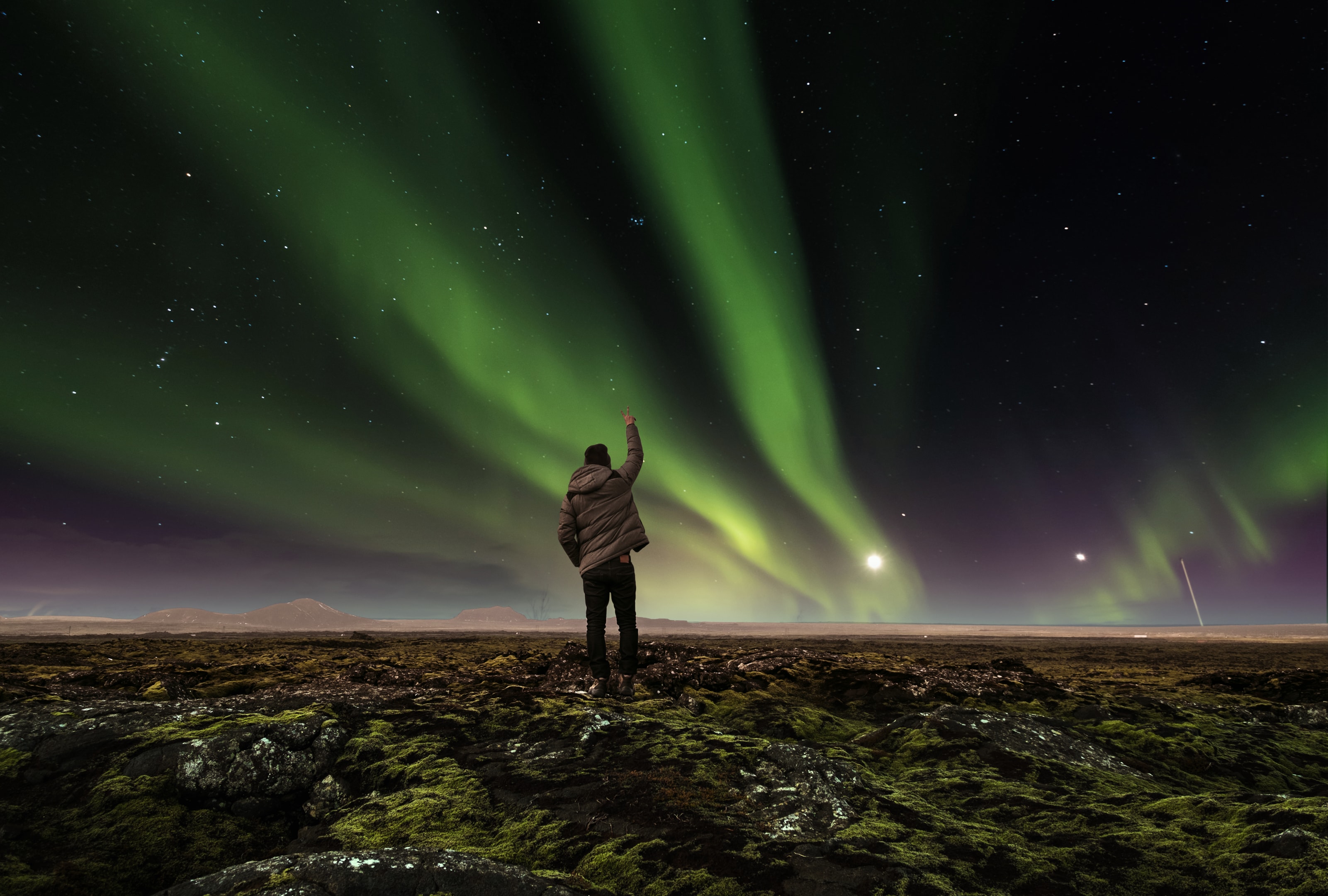
So how do you choose the best viewing spot? Here are some tips:
Understanding Why Cloud Movement Matters
Choosing the right viewing location for the Northern Lights depends heavily on how cloud patterns shift across Iceland. Even when the aurora forecast is strong, thick clouds can block visibility entirely. Iceland’s weather is highly dynamic because warm Atlantic air interacts with cold Arctic systems, creating rapid changes in cloud cover.
This means a poor forecast in one region does not necessarily reflect conditions only a short distance away. Successful aurora hunters focus on movement rather than static forecasts, looking for gaps in the sky that align with expected aurora activity.
Using Cloud Maps to Identify Clear Windows
Cloud cover maps from the Icelandic Meteorological Office show predictions for low, mid, and high cloud layers, updated throughout the night. Low clouds create the greatest obstruction, while high thin clouds may still allow auroral colors to shine through. When studying cloud maps, look at the direction of movement.
If a dense cloud band is drifting east, moving west of your location may bring clearer skies. Similarly, shifting inland or toward the coast can help you find openings. The key is to track how cloud layers evolve over time rather than relying on a single forecast snapshot.
Choosing Regions That Often Clear Faster
Some parts of Iceland naturally experience quicker breaks in cloud cover. Coastal areas frequently clear when wind patterns push moisture inland. The Reykjanes Peninsula, Snæfellsnes region, and areas near Vík often develop temporary openings even on nights with widespread cloud cover.
Highlands and mountainous regions can also influence airflow, creating microclimates where clouds disperse more quickly. By knowing these tendencies, you can position yourself in places where clearer skies are more common.
Staying Mobile and Adapting in Real Time
Flexibility is one of the most effective strategies for aurora viewing. If your planned location becomes clouded, being willing to drive 10 to 30 miles can transform your night. Roads in Iceland often transition from cloudy to clear conditions within minutes. Use real time satellite images or cloud movement loops to identify where clearer conditions are heading.
Combine this information with aurora activity indicators to choose the best time and direction to move. Many experienced photographers and guides rely heavily on mobility because it dramatically increases success rates.
Balancing Cloud Movement with Aurora Timing
Clouds and auroras rarely line up perfectly, so the goal is to find overlapping windows. Even a short period of clear skies can reveal a spectacular display. By understanding cloud behavior and adjusting your location accordingly, you maximize your chances of witnessing a vivid, uninterrupted Northern Lights event.
Checklist: Is Tonight a Good Night for Northern Lights?
- KP Index of 2 or higher
Iceland’s high latitude allows auroras to appear even at lower KP levels, but KP 2 or above increases your chances significantly. - Southward Bz conditions
A negative Bz value means the interplanetary magnetic field is oriented south, allowing solar particles to enter Earth’s magnetosphere more easily and strengthen auroral activity. - Solar wind speed above 400 kilometers per second
Faster solar wind delivers more energy to Earth’s magnetic field, often resulting in brighter and more dynamic auroras. - Clear or partially clear skies on cloud maps
Cloud cover is the most common barrier. Look for open sky windows that align with peak aurora hours. - Low light pollution at your viewing location
Move away from city lights to improve contrast and visibility. - Forecast alignment of clear skies and aurora activity
When both conditions overlap, the chance of seeing auroras increases dramatically.
What Time of Night Is Usually Best?
Peak Hours for Aurora Visibility
The best time to see the Northern Lights typically falls between 9 PM and 2 AM, when geomagnetic activity most often intensifies. During these hours, Earth’s magnetic field aligns in a way that allows charged particles to enter the atmosphere more efficiently. Darkness is also deepest in this window, which improves contrast and makes faint auroras more visible.
In Iceland, winter nights are long, giving observers an extended period to scan the sky. While auroras can occur at any time, statistical patterns show that late evening to early morning offers the greatest chance of seeing strong, structured displays.
Why Earlier or Later Hours Can Still Work
Although the peak window is reliable, auroral outbursts are unpredictable and may occur outside typical hours. Sudden geomagnetic shifts, rapid changes in Bz orientation, or bursts of dense solar wind can trigger activity at dusk or just before dawn. Clear skies combined with unexpected solar conditions can make these off-peak times surprisingly productive.
Common Mistakes to Avoid When Aurora Hunting
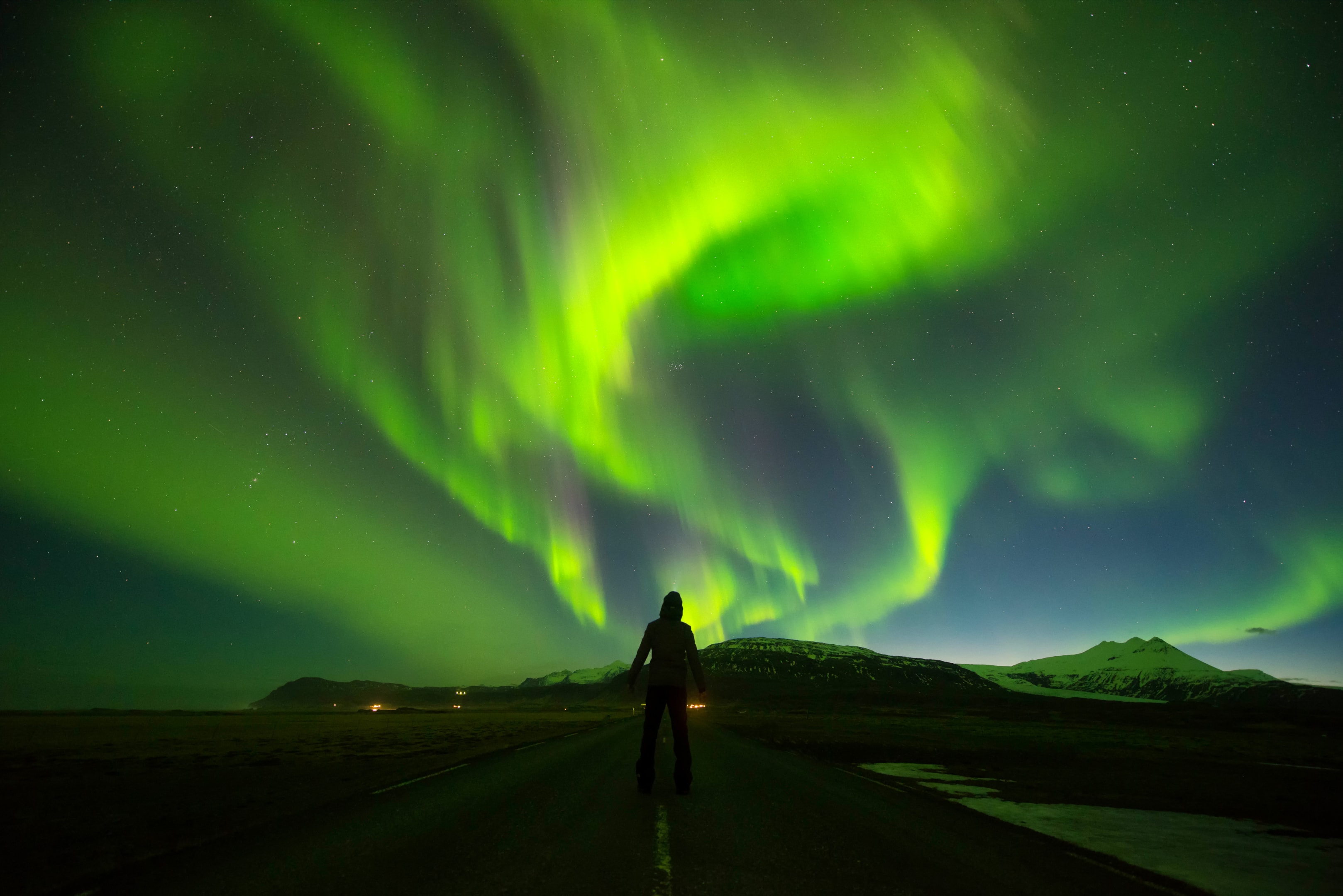
Many travelers miss the Northern Lights not due to weak activity, but because of a few common mistakes.
- Relying only on the KP Index: Cloud cover is often the biggest obstacle to a good view, so always check the cloud forecast.
- Staying in one spot: Iceland's weather is unpredictable. Moving to a different location can make all the difference.
- Giving up too early: Auroras often peak after midnight, so patience is key.
- Ignoring light pollution: Bright lights from cities or roads can wash out the aurora's colors, making the display seem faint.
- Not checking forecasts frequently: Space weather and cloud conditions change quickly. Real-time updates are essential for finding the best viewing opportunities.
FAQs
How does cloud coverage affect the northern lights forecast?
Even strong geomagnetic activity level cannot be seen through thick clouds. A cloudy night blocks the aurora completely, so always compare your northern lights forecast with local weather updates to judge visibility.
Why does geomagnetic latitude matter for visibility?
Locations within the auroral zone in the northern hemisphere have the highest visibility. Mid latitudes and lower latitudes need stronger storms, making the aurora an elusive phenomenon. The same applies to the southern hemisphere for southern lights.
Which tools help determine if tonight is good for viewing?
Use an aurora app that provides real time data, cloud coverage maps, and geomagnetic activity indicators. When the northern horizon is clear and forecasts align, chances of seeing lights increase significantly.
Can a weak aurora still appear on a cloudy night?
Weak displays may glow faintly, but cloud coverage usually hides them. Clear breaks in the sky combined with a high geomagnetic activity level give the best odds for a strong show.
Conclusion
Understanding how cloud cover and aurora strength work together is the key to predicting whether tonight will offer a meaningful chance to see the Northern Lights. Strong geomagnetic activity means little if the sky is blocked by thick cloud layers, while even low KP levels can produce beautiful displays when conditions are clear.
By learning to interpret KP Index values, Bz orientation, solar wind patterns, and real time cloud maps, you can make far more accurate decisions about when and where to go. Staying flexible, monitoring updates, and being willing to move between regions will always increase your success. With the right balance of space weather and Earth weather, unforgettable aurora sightings become far more likely.