Driving at Night in Iceland for Aurora Hunting: Safety + Local Tips
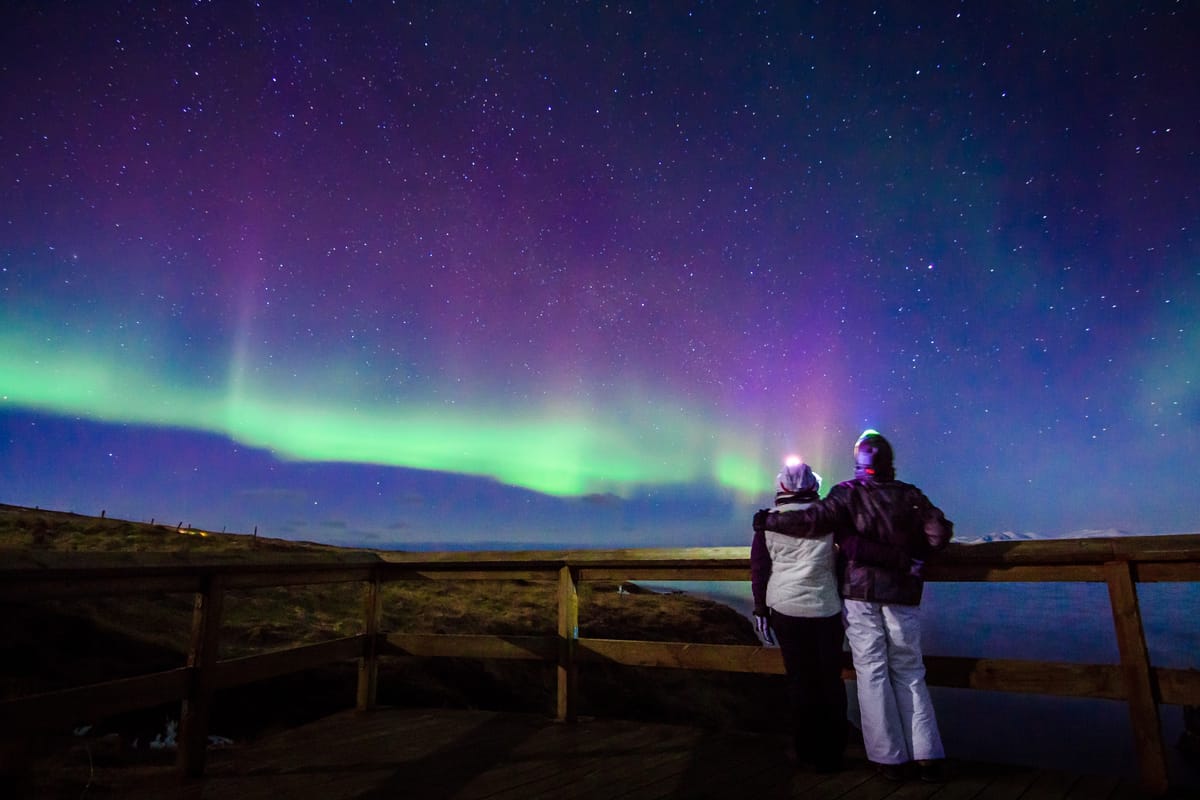
Driving at night in Iceland is one of the most effective ways to find clear skies and catch the Northern Lights, but it also requires awareness, preparation, and respect for local conditions. Weather can shift quickly, roads may be icy or unlit, and visibility can drop suddenly, especially in winter.
Many travelers underestimate how remote certain areas become after dark, yet nighttime mobility is often the key to successful aurora hunting. This guide explains what to expect on Icelandic roads at night, how to stay safe, and which local strategies help you reach the best viewing spots.
With the right knowledge, nighttime driving can become both safe and incredibly rewarding during your aurora adventure.
Understanding Night Driving Conditions in Iceland
Driving at night in Iceland is very different from nighttime driving in most other countries, mainly because of the country’s extreme seasonal darkness and rapidly changing weather.
In winter, daylight can last only a few hours, meaning long stretches of driving happen in full darkness. Rural roads have little to no lighting, and visibility depends entirely on your headlights. Road surfaces can shift quickly between wet, icy, snowy, and completely clear within a short distance, making it essential to drive more slowly and anticipate longer braking times.
Strong winds, heavy rain, blowing snow, and fog can also reduce visibility or affect vehicle control, especially on open stretches of road or near the coast. Even the main Ring Road can feel isolated at night, and secondary routes may be narrow or gravel. Understanding these conditions helps drivers prepare mentally and practically before heading out to hunt the Northern Lights.
Why is Aurora Hunting a Popular Activity in Iceland?
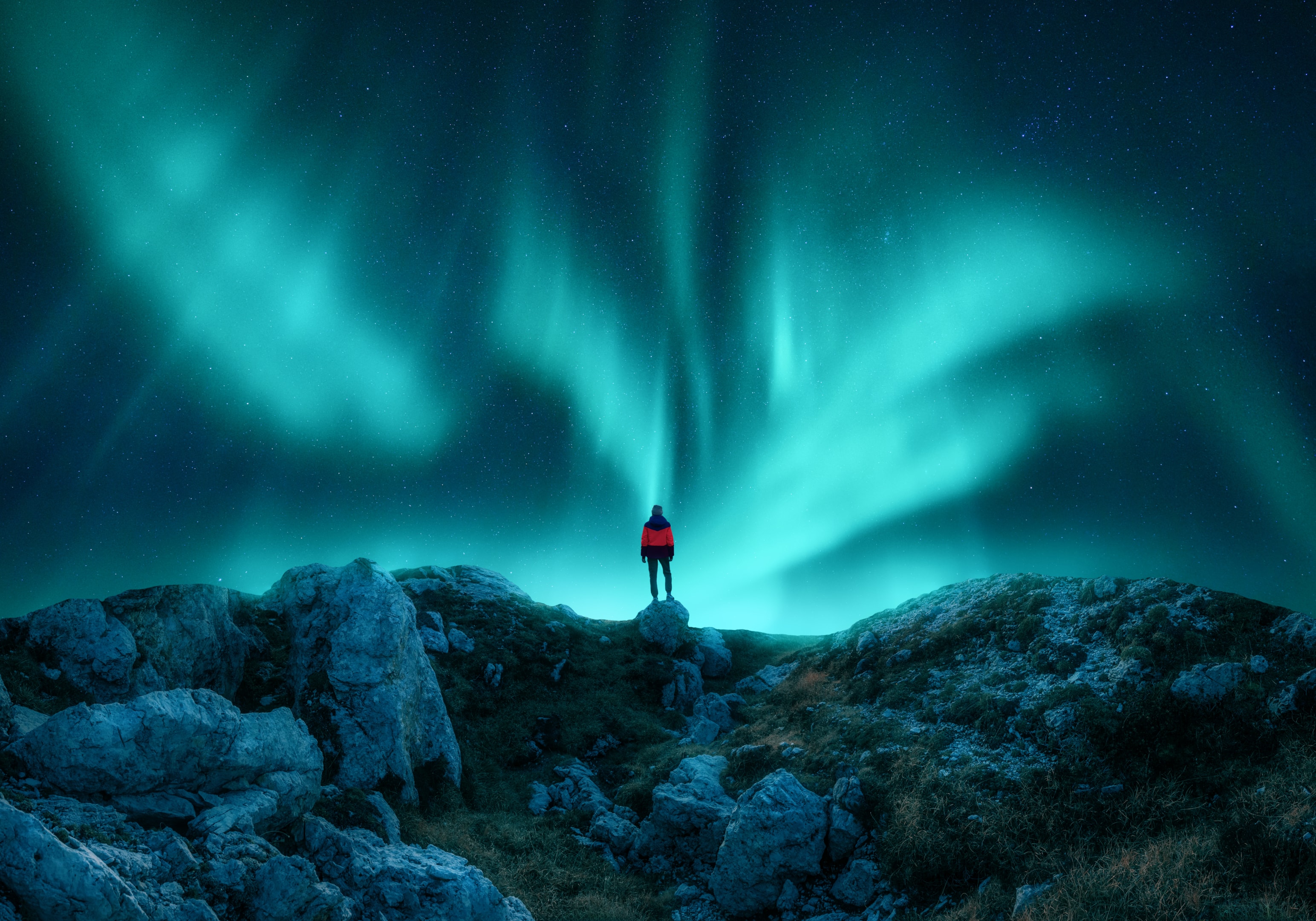
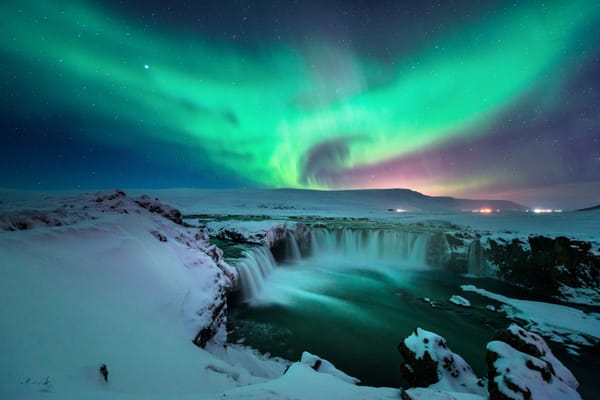
Aurora hunting is one of the most sought after experiences in Iceland because the country sits directly beneath the auroral oval, where Northern Lights activity is strongest and most frequent.
Long winter nights, low light pollution outside the capital, and expansive open landscapes create ideal conditions for watching the sky come alive with color. Visitors are drawn to the combination of natural beauty, scientific wonder, and the thrill of unpredictability, since each aurora display is unique.
Key reasons for its popularity include:
- High visibility thanks to Iceland’s northern location
- Easy access to dark sky areas just minutes from Reykjavík
- Frequent geomagnetic activity producing vivid displays
- Stunning backdrops like glaciers, waterfalls, and coastlines
- Strong cultural and travel appeal as a bucket list experience
Essential Car Preparation Before You Leave
Before embarking on your journey to experience the Northern Lights in Iceland, it is important to make sure that you are fully prepared for the adventure ahead. This includes making sure your car is equipped and ready for the unique road conditions you may encounter while chasing the auroras.
Here are some essential car preparations to consider before leaving for Iceland:
Check the Vehicle Thoroughly Before Departure
Before heading out for nighttime aurora hunting, inspecting your vehicle is one of the most important steps you can take. Start with the tires, ensuring they have proper tread and are suitable for winter conditions, which is essential between October and April. Check that all exterior lights work, including headlights, high beams, brake lights, and indicators, since Icelandic roads are often unlit.
Make sure the windshield wipers are functioning well and that the washer fluid is full, ideally with a winter formula to prevent freezing. Fuel up before you leave, as gas stations become sparse outside Reykjavík and smaller towns at night.
Understand Your Rental Car’s Features
Many visitors are unfamiliar with the features available in Icelandic rental cars, so spend a few minutes learning how everything works before driving into the dark. Locate the controls for defrosting the windshield and rear window, which help prevent ice buildup. Understand how to activate traction control, heated mirrors, and fog lights if the car has them.
Practice adjusting the high beams, since using them correctly is essential for visibility on dark rural roads. If you are driving a 4x4, learn how and when to use different drive modes, especially on icy or uneven surfaces.
Pack Smart: Bring Essential Safety Items
Iceland’s weather can be unpredictable, so always bring items that prepare you for unexpected delays. Pack warm layers, gloves, and a hat in case you need to step outside or wait in cold conditions. Carry a phone charger, portable power bank, flashlight, and ice scraper to manage low light situations.
Bring snacks and water for longer aurora chasing nights. An emergency kit with a reflective vest, first aid supplies, and a small shovel is also useful. With proper preparation, your nighttime drive becomes safer, smoother, and far more enjoyable.
How to Read Road and Weather Forecasts?
Reading road and weather forecasts correctly is crucial for safe nighttime driving in Iceland, especially when hunting for auroras. Start with the official road website, Road.is, which uses color coded maps to show real time road conditions.
Green indicates clear routes, while blue, red, or purple signal icy, hazardous, or closed roads. Pay special attention to wind warnings, as strong gusts can be more dangerous than snow or ice. Next, check Vedur.is for weather updates, including temperature, precipitation, fog, and wind speeds. Wind over 20 meters per second can make driving extremely risky.
For aurora hunters, cloud cover forecasts are equally important. Look for areas showing partial or clear skies during expected aurora hours. Combine this information with aurora activity charts to determine whether a route is safe and whether the sky is likely to be visible.
Safe Driving Techniques for Nighttime in Iceland
- Reduce your speed to allow more reaction time on dark or icy roads. Night visibility is limited, and conditions can change suddenly.
- Use high beams wisely, switching them off when another vehicle approaches to avoid blinding drivers.
- Increase following distance so you have enough space to brake safely on slick surfaces.
- Avoid sudden movements, including sharp braking or quick steering, which can cause skidding on icy patches.
- Watch for black ice, especially on bridges, shaded areas, and coastal roads where temperatures drop quickly.
- Stay alert to strong winds, which can push your vehicle sideways; grip the wheel firmly and reduce speed during gusts.
- Do not stop on the road when looking for auroras. Always pull into designated lay-bys or safe parking areas.
- Stay aware of wildlife, including reindeer in the east and sheep during warmer months, which may wander onto rural roads.
How to Choose Safe Aurora Viewing Spots
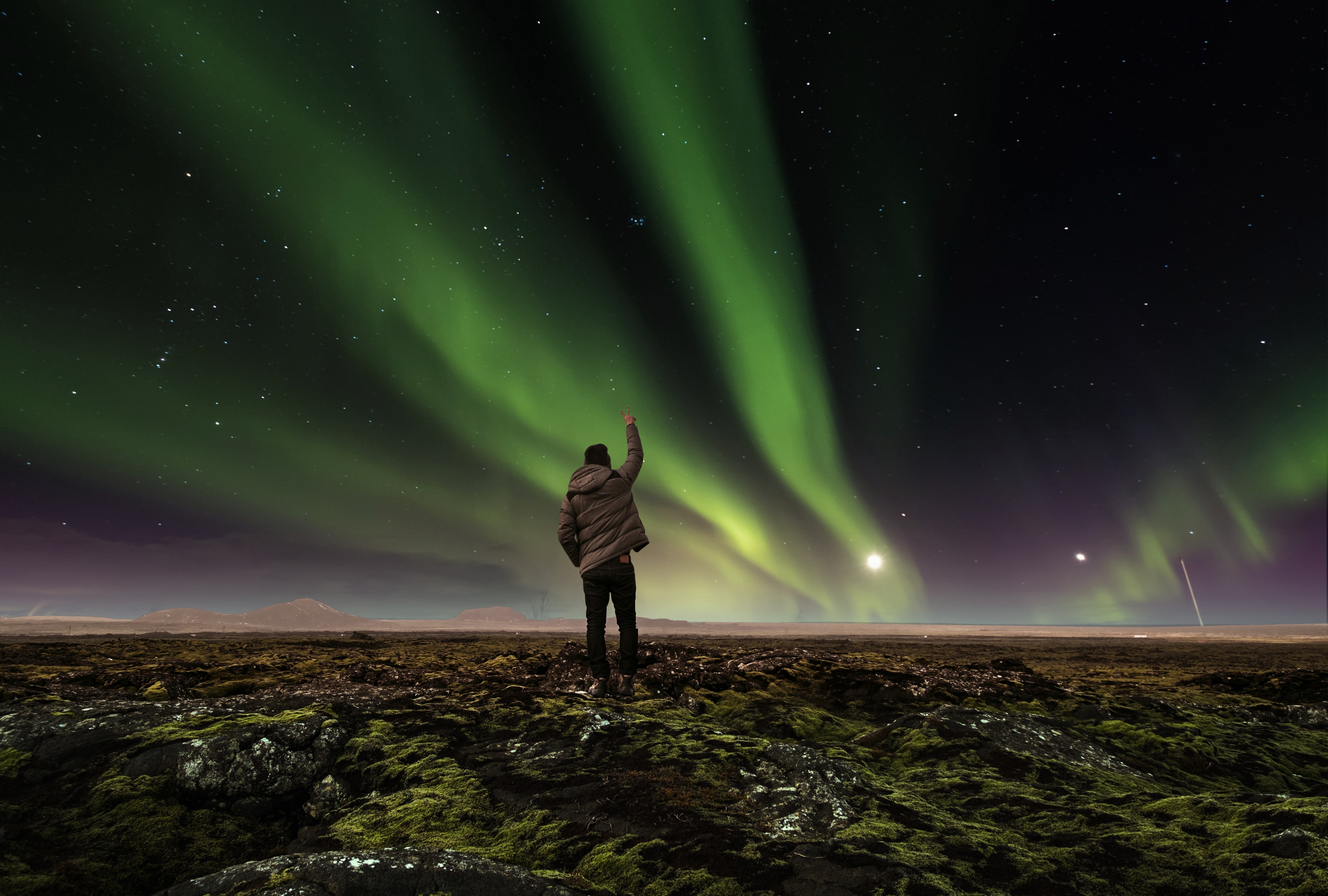
Choosing safe and effective aurora viewing locations in Iceland is just as important as reading the aurora forecast. While the Northern Lights may tempt travelers to stop anywhere the sky looks clear, safety must always come first. Iceland’s rural roads, winter conditions, and limited lighting require intentional planning.
A good viewing spot should provide darkness, open sky visibility, legal and safe parking, and clear road access. Below is a detailed guide on how to choose locations that maximize both safety and aurora viewing success.
Prioritize Legal and Safe Parking Areas
The most important rule is to never stop on the side of the road, even if you see the aurora starting. Iceland’s roads are narrow, mostly unlit, and surrounded by natural terrain that can make roadside stops extremely dangerous. Always choose designated pullouts, parking lots, viewpoints, or side roads where your vehicle is completely off the main roadway.
Look for:
- Official viewpoints with wide parking areas
- Small side roads or farm access roads (only if parking does not block access)
- Gravel lots near beaches, waterfalls, or popular nature spots
- Gas stations or community centers in rural areas (good for waiting out clouds)
A safe parking spot ensures that you can get in and out of your vehicle without stepping onto icy traffic lanes.
Choose Locations With Wide, Open Skies
Aurora hunting requires a broad view of the sky. Avoid areas with tall mountains directly to the north, dense forests, or narrow valleys. Open horizons increase your chances of seeing the lights even when they appear low. Ideal viewing environments include coastal areas, flat open plains, and elevated viewpoints.
Recommended terrain types:
- Beaches and coastal cliffs
- Open lava fields
- Flat agricultural areas
- Hilltops and ridges where roads remain accessible
Wide skies also help you spot incoming cloud gaps, which are crucial when weather is variable.
Avoid Areas With Dangerous Winter Conditions
Some places look beautiful on the map but become inaccessible or hazardous in winter. Steep mountain roads, narrow gravel tracks, and remote highland routes can become icy, snowed in, or closed entirely. For nighttime aurora hunting, choose low elevation, accessible roads that are maintained year round.
Avoid:
- Highland F roads (closed in winter)
- Steep gravel roads with no lighting
- Mountain passes known for high winds
- Roads with frequent closures on Road.is
Choose areas like Þingvellir, Reykjanes Peninsula, or Snæfellsnes coastline, which offer reliable winter access.
Stay Aware of Weather and Microclimates
Cloud cover often changes rapidly in Iceland. A safe viewing location should allow easy movement if clouds block the sky. Avoid dead end roads or isolated spots far from main routes. Instead, choose areas where you can drive 10 to 20 minutes in different directions to chase clearer skies.
Good regions for mobility:
- South Coast near Vík
- Golden Circle area
- Borgarfjordur and West Iceland
- Reykjanes Peninsula
These locations offer multiple intersecting roads and nearby shelters.
Keep a Safe Distance From Hazards
Always be mindful of natural hazards: icy parking lots, strong coastal winds, cliffs, and unstable ground near rivers or waterfalls. Use headlamps, walk slowly, and test surfaces before stepping forward. In winter, black ice can form on flat areas, making simple movements risky.
A great aurora viewing spot balances darkness, visibility, easy access, and safety. By choosing appropriate parking areas, avoiding dangerous terrain, staying aware of weather changes, and planning flexible routes, you can enjoy the Northern Lights with confidence and comfort.
Local Tips for a Successful Aurora Drive
- Keep moving when skies are cloudy, as Iceland’s microclimates often create small clear gaps just a short drive away.
- Use red light mode on your phone or headlamp to preserve night vision and avoid blinding others.
- Stay patient, since auroras can appear suddenly after long periods of darkness or inactivity.
- Bring a thermos with warm drinks to stay comfortable during waiting periods in cold weather.
- Check road and weather updates often, as conditions can shift rapidly within minutes.
- Turn off your engine at viewing spots to reduce vibrations and improve your ability to see faint auroras.
- Avoid crowded tourist pullouts when possible to reduce light pollution and distractions.
- Let someone know your route before leaving, especially when driving in remote areas at night.
When You Should Not Drive at Night?
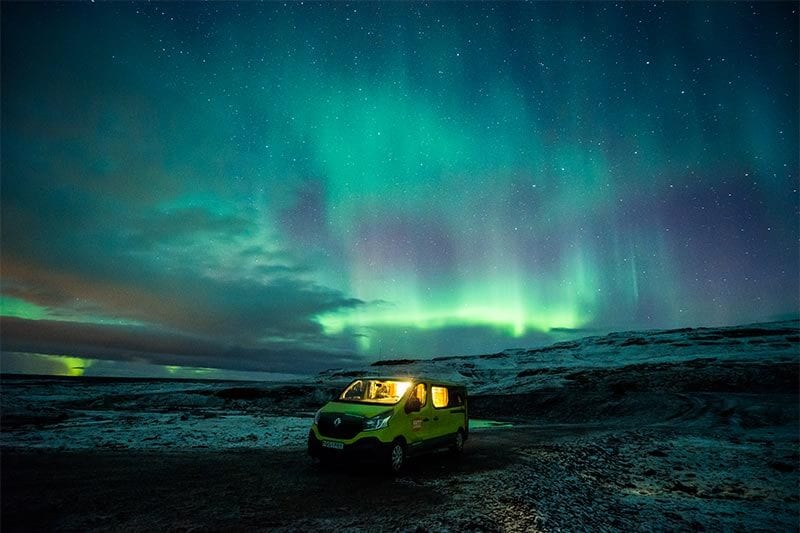
Driving at night in Iceland can be rewarding for aurora hunters, but certain conditions make it unsafe to be on the road. Extreme weather is the biggest factor. Strong winds, heavy snow, and dense fog can reduce visibility and make it difficult to maintain control of the vehicle. If you feel fatigued after a long day of sightseeing, it is better to rest than risk driving in the dark under challenging conditions.
Key situations when you should avoid nighttime driving include:
- Weather alerts in yellow, orange, or red issued by meteorological authorities
- Wind speeds above 20 to 25 meters per second
- Roads marked hazardous or closed on Road.is
- Severe ice, blizzards, or near zero visibility
- Lack of experience driving in winter conditions
- Feeling tired, stressed, or low on focus
Alternatives to Night Driving
If you prefer not to drive at night in Iceland, there are several excellent alternatives that still allow you to enjoy the Northern Lights.
Aurora bus tours are a popular option, offering guided experiences with professional drivers who understand local weather, road conditions, and the best viewing spots. Super jeep tours provide a more adventurous approach, taking you into remote landscapes without the stress of navigating icy roads.
Staying at rural hotels or guesthouses in dark sky areas is another effective strategy, since you can view the auroras right from the property without traveling far. Photography focused tours offer expert guidance for capturing night skies safely.
These options let you experience the magic of the aurora without worrying about road safety or challenging winter driving conditions.
FAQs
Is it safe to drive at night in Iceland for aurora borealis viewing?
Yes, but northern lights hunting requires caution. Rural Iceland, east Iceland, and north Iceland have unpredictable weather and limited artificial lighting. Always watch weather conditions and keep warm clothing in the car.
How do I choose safe dark locations for a northern lights adventure?
Pick areas with minimal light pollution such as Grótta Lighthouse, Þingvellir National Park, or Jökulsárlón Glacier Lagoon. These dramatic landscapes offer dark locations ideal for aurora viewing.
Which forecasts matter before heading out?
Check cloud cover forecasts, a cloud cover map or cloud map, the aurora forecast, and aurora alerts. Solar wind speed, solar activity, and the auroral oval help determine visibility.
When is it best to drive for aurora?
Late August through early April offers long night hours and reduced daylight hours. Avoid bright moon periods and thick cloud cover when clouds roll in.
What driving safety tips should I follow?
Use a vehicle with good ground clearance, avoid icy black sand beaches, and stay within national park roads. Aurora apps help plan safe stops at natural wonders like the Sun Voyager sculpture or the glacier lagoon as solar particles glow during solar maximum.
Conclusion
Safe driving is the foundation of any successful and enjoyable aurora outing in Iceland. While the thrill of chasing clear skies and bright northern lights can be strong, preparation and caution must always come first. Knowing how to read weather forecasts, checking road conditions, and selecting safe viewing locations ensures your adventure stays both memorable and secure.
With thoughtful planning, you gain the confidence to explore at night without unnecessary risk. The right mindset, combined with an understanding of Iceland’s winter roads, turns nighttime travel into a more comfortable and rewarding experience. This allows you to focus not just on the journey, but on the unforgettable moments when the sky begins to glow.
For travelers who prefer expert guidance and safe routing, Iceland Tour Company offers curated northern lights experiences designed to prioritize comfort, safety, and spectacular views.