Golden Circle Tour Guide: What to See, How to Plan, and Insider Tips
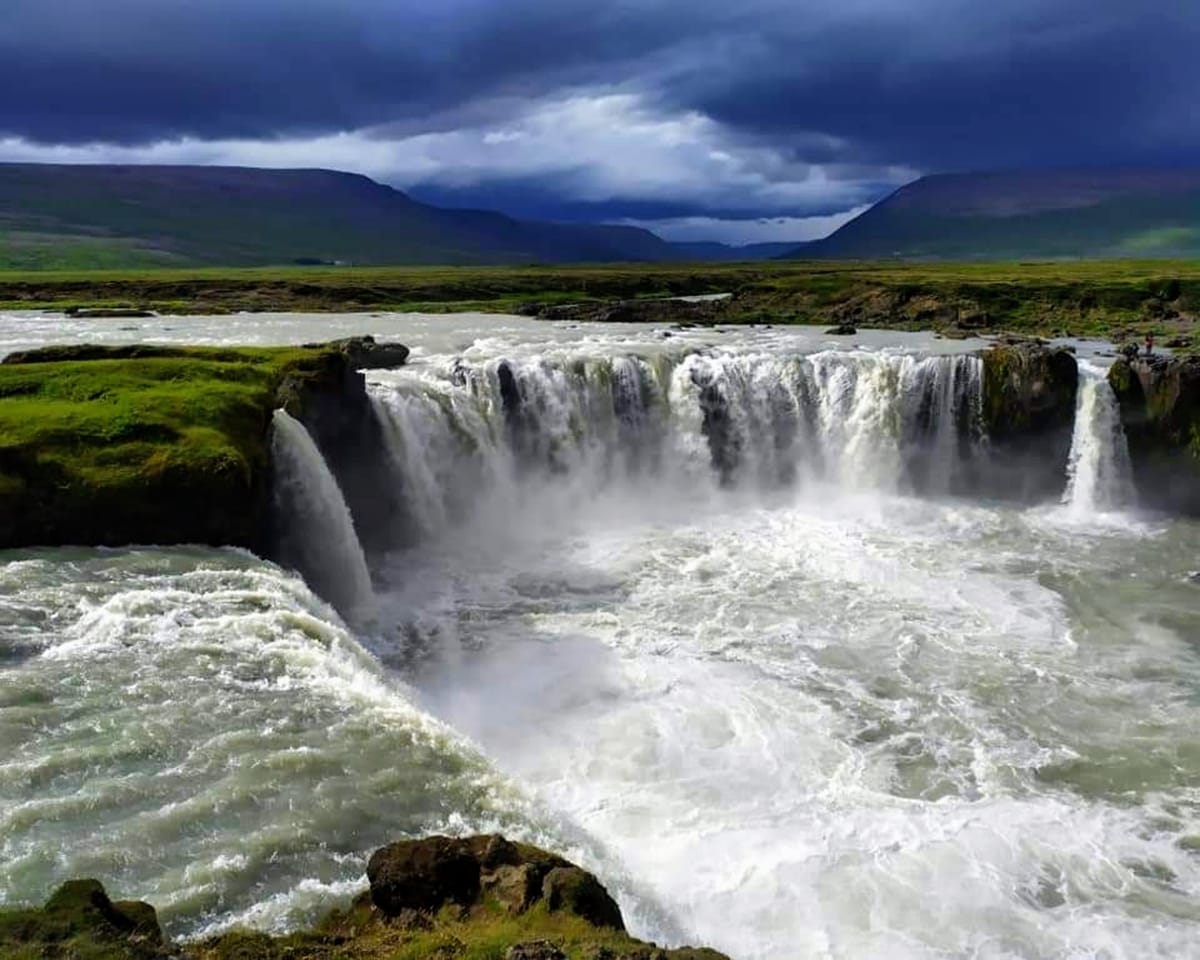
The Golden Circle is one of Iceland’s most famous travel routes, drawing visitors from around the world to explore its breathtaking natural wonders. This scenic loop covers about 300 kilometers from Reykjavík and showcases three iconic highlights—Þingvellir National Park, the erupting geysers of Haukadalur, and the mighty Gullfoss waterfall.
But beyond these headline attractions, the Golden Circle also offers hidden gems, charming villages, and opportunities for authentic Icelandic experiences. Whether you’re planning to drive yourself or join a guided tour, understanding how to time your trip, what to bring, and which extra stops to include can make all the difference.
This guide covers what to see, how to plan, and insider tips for the perfect Golden Circle adventure.
What is the Golden Circle?
The Golden Circle is Iceland’s most popular sightseeing route, famous for combining dramatic natural wonders with cultural history in a compact loop. Stretching about 300 kilometers round-trip from Reykjavík, it allows travelers to experience some of the country’s most iconic landmarks in a single day.
The route includes Þingvellir National Park, a UNESCO World Heritage Site where you can walk between tectonic plates; the Geysir geothermal area, home to the erupting Strokkur geyser; and Gullfoss, a breathtaking two-tiered waterfall. Many tours also include lesser-known stops such as Kerið volcanic crater, hot springs, or local farms. Its accessibility, diversity of attractions, and year-round beauty make the Golden Circle an essential experience for anyone visiting Iceland.
Is It Free to Do the Golden Circle in Iceland?
Yes, visiting the main sights along the Golden Circle is generally free of charge. Þingvellir National Park, Gullfoss waterfall, and the Geysir geothermal area do not require entrance fees, allowing travelers to enjoy Iceland’s natural wonders without added cost. However, small parking fees are charged at some sites, such as Þingvellir and Gullfoss, to help maintain facilities.
Travelers should also budget for fuel, meals, or optional guided tours, which add convenience and expert insights. While self-driving keeps expenses lower, organized tours often include extras like hotel pickup, knowledgeable guides, and comfort. In short, the Golden Circle itself is free, but associated travel costs and services will influence your overall budget.
How Far Is the Golden Circle From Reykjavik?
The Golden Circle is conveniently close to Iceland’s capital, making it one of the easiest day trips for visitors. The first stop, Þingvellir National Park, is about 45 kilometers (28 miles) from Reykjavík and typically takes less than an hour to reach by car. From there, the full Golden Circle loop—covering Þingvellir, the Geysir geothermal area, and Gullfoss waterfall—spans roughly 230–300 kilometers (143–186 miles), depending on your chosen route and extra stops.
Driving the entire circle usually takes 6–8 hours, leaving plenty of time to explore and enjoy the sights. Because of its short distance from the city, the Golden Circle can be done in a single day or enjoyed more leisurely with overnight stays nearby.
Should You Drive the Golden Circle Yourself or Book a Guided Tour?
When planning your Golden Circle adventure, one of the biggest decisions is whether to self-drive or join a guided tour. Driving yourself offers maximum flexibility—you can choose when to start, how long to spend at each site, and even add detours to hidden gems like Kerið Crater or secret hot springs. This option is often cost-effective if you’re traveling with family or friends and comfortable navigating Iceland’s roads.
On the other hand, booking a guided tour takes the stress out of planning. You won’t need to worry about routes, parking, or timing, as everything is organized for you. Knowledgeable guides provide fascinating insights into Iceland’s history, geology, and culture that you might miss on your own. Guided tours are also a safer choice in winter, when icy roads and unpredictable weather can make driving challenging.
Ultimately, your choice depends on your travel style. For freedom and independence, self-drive is ideal; for convenience and expert knowledge, a guided tour is worth it.
What Should You Pack for a Golden Circle Tour?
Here are some essential items to pack for a Golden Circle tour:
Layered Clothing
Iceland’s weather can change rapidly, even within a single hour on the Golden Circle. Packing layered clothing is essential. Start with a moisture-wicking base layer, add a warm fleece or wool sweater, and finish with a waterproof and windproof jacket. This system keeps you comfortable whether it’s sunny, windy, or rainy.
Sturdy Footwear
The Golden Circle includes natural sites like waterfalls, geothermal fields, and rocky paths. Bring sturdy, waterproof hiking boots or shoes with good grip. Sneakers may be fine in summer, but durable footwear ensures safety and comfort when trails are wet, icy, or uneven.
Weather Accessories
A warm hat, gloves, and scarf are recommended year-round, especially if you plan to stand near powerful waterfalls like Gullfoss. Sunglasses are useful too, since the sun reflects strongly off snow and ice. In summer, don’t forget sunscreen, as UV rays can be intense.
Travel Essentials
Pack a refillable water bottle, snacks, and a small backpack to carry your belongings comfortably. A camera is a must—whether for capturing Strokkur geyser’s eruption or Þingvellir’s landscapes. A power bank is also handy, since cold weather drains batteries quickly.
Safety and Comfort Items
If traveling in winter, microspikes or ice grips for shoes can help with slippery trails. Hand warmers are also a good idea for chilly days. For added peace of mind, carry a copy of your travel insurance details and a map, even if you’re on a guided tour.
This checklist ensures you’re prepared for comfort, safety, and unforgettable photos during your Golden Circle adventure.
Why the Golden Circle is so Popular Among Travelers?
The Golden Circle is one of Iceland’s most famous routes, attracting travelers worldwide for its accessibility, variety, and breathtaking scenery. Located close to Reykjavik, it allows visitors to explore some of Iceland’s most iconic natural wonders in just one day. For many, this convenience makes it the perfect introduction to the country’s dramatic landscapes without requiring long drives or overnight stays.
The route features three main highlights: Þingvellir National Park, where tectonic plates drift apart; Geysir Geothermal Area, with Strokkur erupting every few minutes; and Gullfoss waterfall, a thundering cascade that embodies Iceland’s raw power. Together, these stops showcase the geological and natural diversity Iceland is known for.
Beyond its famous landmarks, the Golden Circle is also popular because of the many additional attractions nearby—such as Kerid Crater, Secret Lagoon, and family-owned farms offering authentic Icelandic experiences. Travelers love that they can tailor the trip to suit their interests, whether focusing on history, nature, or relaxation.
Top Sights to See on the Golden Circle Tour
The Golden Circle is Iceland’s most famous sightseeing route, and for good reason. It combines dramatic landscapes, rich history, and fascinating natural wonders in a way that few destinations in the world can match. Stretching roughly 300 kilometers round-trip from Reykjavik, this route showcases Iceland’s raw beauty and cultural heritage, making it a must for any traveler.
Here are the top sights you shouldn’t miss on your Golden Circle adventure.
Þingvellir National Park – A UNESCO World Heritage Site
Þingvellir is often the first stop on most Golden Circle itineraries, and it sets the tone for the rest of the journey. This UNESCO World Heritage Site is not only stunning but also historically significant. It was here that Iceland’s first parliament, the Alþingi, was established in 930 AD, making it one of the oldest continuous parliaments in the world.
Beyond its cultural importance, Þingvellir is a geological wonder. The park sits directly on the Mid-Atlantic Ridge, where the North American and Eurasian tectonic plates are slowly drifting apart. Visitors can walk between the continents in the Almannagjá gorge, an awe-inspiring experience that’s unique to Iceland. The park also offers waterfalls, hiking trails, and crystal-clear waters in Silfra fissure, where snorkeling and diving between the plates provide an unforgettable adventure.
Geysir Geothermal Area – Home of Strokkur
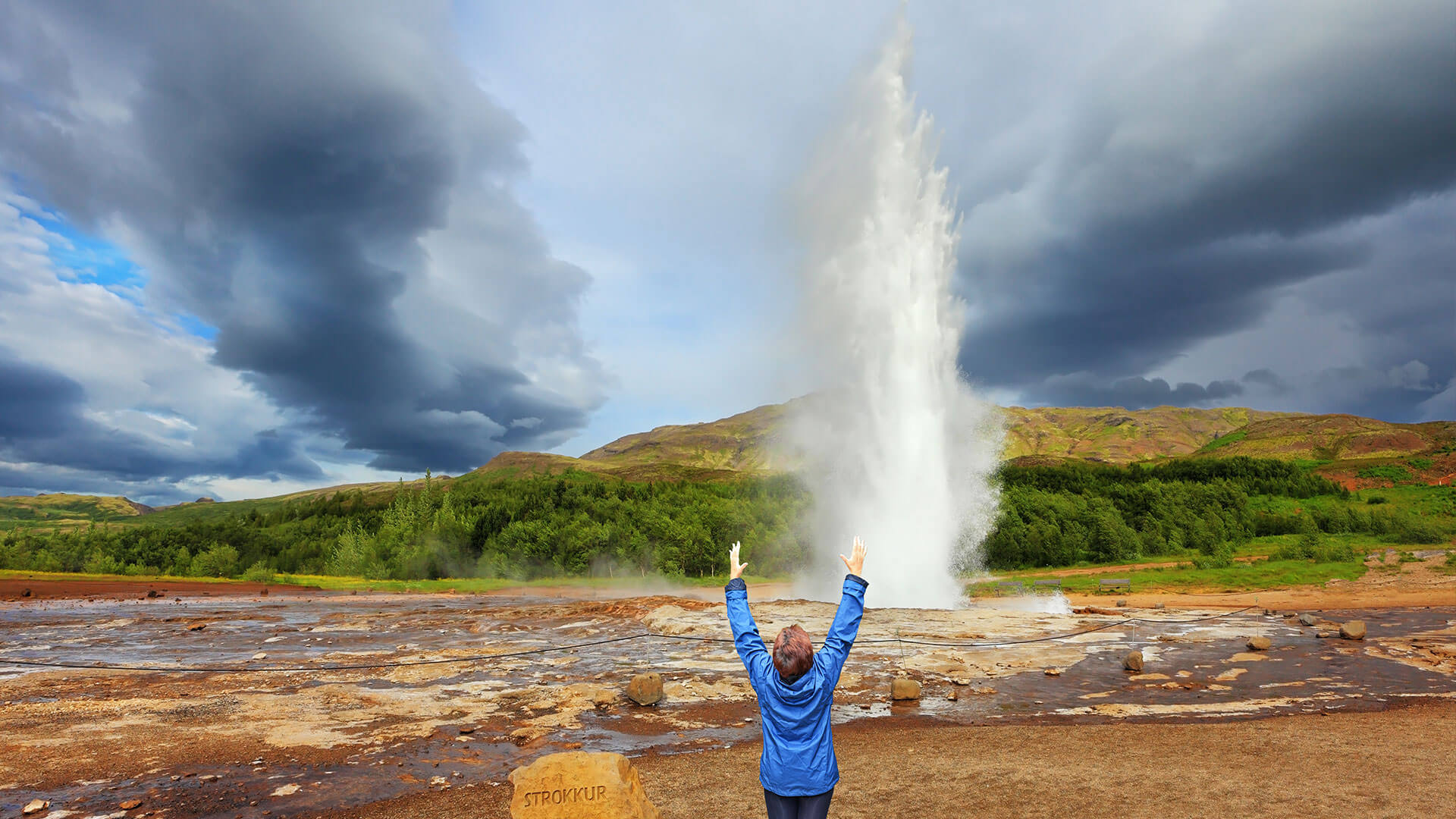
No Golden Circle tour is complete without witnessing the powerful forces of Iceland’s geothermal activity. The Geysir Geothermal Area is where the very word “geyser” originates, named after the now mostly dormant Great Geysir. While Geysir itself rarely erupts these days, the nearby Strokkur geyser steals the show.
Strokkur erupts with clockwork regularity every 5–10 minutes, shooting boiling water up to 30 meters into the sky. The anticipation, the bubbling water, and the sudden explosion never fail to amaze visitors. Surrounding Strokkur are steaming fumaroles, hot springs, and mud pools, creating an otherworldly landscape that looks like something from a fantasy movie. Be sure to stay on the marked paths, as the geothermal ground can be dangerously hot.
Gullfoss Waterfall – The Golden Falls
Perhaps the most iconic stop on the Golden Circle, Gullfoss, or “Golden Falls,” is a two-tiered waterfall that plunges dramatically into a rugged canyon. The sheer power of the Hvítá river as it cascades down 32 meters creates a thunderous roar and mist that often produces rainbows on sunny days.
Visitors can admire Gullfoss from multiple viewing platforms, each offering a different perspective of its majesty. During summer, the golden hue of the water (caused by sediment from glacial melt) gives the waterfall its name, while in winter, ice formations add a magical touch to the already spectacular scene. Gullfoss is not just a natural wonder—it’s also a symbol of Iceland’s commitment to preserving its environment. The waterfall was once threatened by development, but locals fought to protect it, ensuring that future generations could enjoy its beauty.
Kerid Crater – A Volcanic Gem
Although not one of the “big three” Golden Circle stops, Kerid Crater is a favorite detour for many travelers. This volcanic crater lake, estimated to be around 3,000 years old, is striking with its deep red volcanic rock contrasting against the vivid blue-green water at its base.
Visitors can walk around the crater’s rim or descend to the bottom for a closer look at the lake. The site is easily accessible and offers a unique glimpse into Iceland’s volcanic past. Photographers, in particular, love Kerid for its bold colors, especially during sunrise or sunset when the light enhances the dramatic landscape.
Secret Lagoon – Relax in Natural Hot Springs
For those looking to balance sightseeing with relaxation, the Secret Lagoon in Flúðir is a perfect stop. This natural hot spring is one of the oldest in Iceland, dating back to 1891, and has been thoughtfully modernized to welcome travelers while preserving its charm.
Surrounded by geothermal activity, including bubbling pools and small geysers, the warm waters of the lagoon provide a soothing break after a day of exploring. Unlike the more crowded Blue Lagoon, the Secret Lagoon offers a quieter, more authentic experience where you can soak and enjoy the surrounding scenery.
Skálholt – A Historic Religious Center
Skálholt may not be as visually dramatic as other Golden Circle attractions, but it holds immense cultural significance. Once the spiritual center of Iceland, Skálholt was the seat of bishops for over 700 years, starting in 1056. Today, visitors can explore the modern church built on the site, which houses beautiful stained-glass windows and historical relics.
The area also offers peaceful surroundings and a chance to connect with Iceland’s religious history, making it a worthwhile stop for those interested in culture and heritage.
Friðheimar Tomato Farm – A Taste of Icelandic Innovation
One of the most unique stops on the Golden Circle isn’t a natural wonder but a working farm. Friðheimar Tomato Farm showcases Iceland’s ingenuity in agriculture, using geothermal energy and greenhouse technology to grow fresh tomatoes year-round. Visitors can tour the greenhouses, learn about sustainable farming practices, and enjoy delicious tomato-based dishes like soup, pasta, and even tomato beer.
This stop adds a flavorful twist to the Golden Circle experience and highlights how Icelanders creatively adapt to their environment.
Additional Hidden Gems Along the Route
Beyond the well-known attractions, the Golden Circle is full of hidden treasures. You might stumble upon smaller waterfalls, cozy farm shops selling local goods, or scenic countryside views that beg for photo stops. Some travelers also extend their trip to include Fontana Geothermal Baths in Laugarvatn or lesser-known natural wonders just off the main route.
These hidden gems remind visitors that the Golden Circle isn’t just about ticking off major landmarks—it’s about enjoying the journey itself.
The Golden Circle is more than a sightseeing route; it’s a journey through Iceland’s history, geology, and culture. From walking between continents at Þingvellir to feeling the spray of Gullfoss, or watching Strokkur erupt to soaking in a natural hot spring, every stop adds to the experience.
Whether you’re visiting for a day or taking your time, these sights make the Golden Circle unforgettable. Each location showcases Iceland’s natural forces and human resilience, making this route one of the world’s great travel experiences.
When Is the Best Time of Year to Visit the Golden Circle?
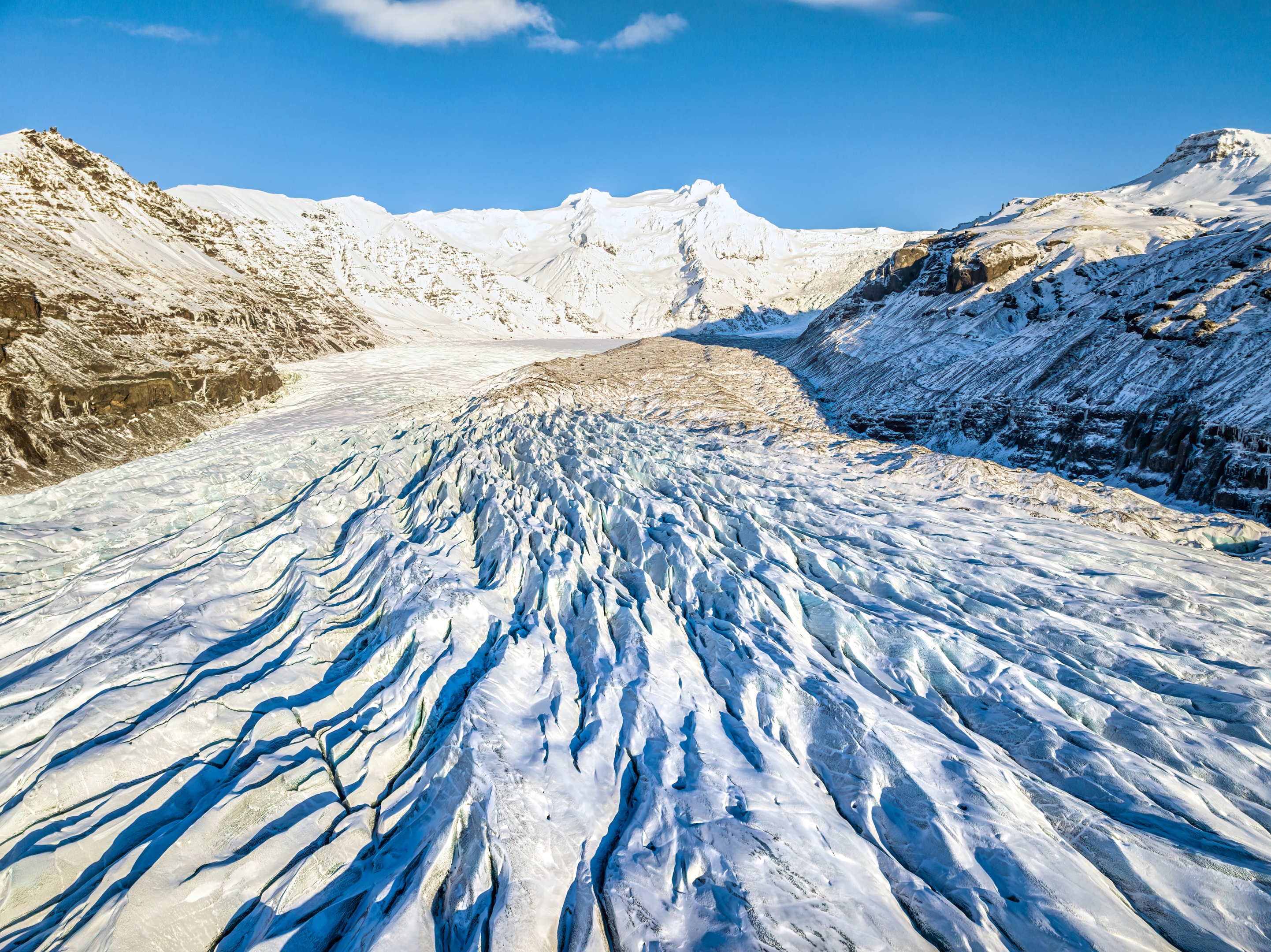
The Golden Circle in Iceland can be visited year-round, but the experience varies with each season. Summer, from June to August, is the most popular time thanks to long daylight hours, mild temperatures, and easy driving conditions. This period is ideal for those who want to explore comfortably, enjoy lush landscapes, and capture waterfalls in full flow. However, it’s also the busiest season, so expect more crowds at major attractions.
Autumn and spring provide a quieter experience, with fewer visitors and changing natural colors that make the scenery even more dramatic. Winter, on the other hand, offers a unique charm. Snow-covered landscapes, fewer tourists, and the chance to see the Northern Lights create a magical atmosphere. Driving can be more challenging due to icy roads, but guided tours are available to ensure safety.
Ultimately, the best time depends on what you want—midnight sun in summer, colorful transitions in spring or autumn, or enchanting snowy adventures in winter.
How to Plan Your Golden Circle Tour
Planning your Golden Circle tour is one of the most exciting steps in preparing for your Iceland adventure. With stunning waterfalls, geothermal wonders, and historic sites, this route offers plenty to see in a single day. Careful planning ensures you make the most of your time while keeping your journey comfortable and stress-free.
Decide on Self-Drive or Guided Tour
The first choice is whether to drive yourself or join a guided tour. A self-drive option offers flexibility, allowing you to explore at your own pace and add detours to less-visited spots. Renting a car also gives you the freedom to start early or linger longer at favorite sites.
On the other hand, guided tours are stress-free—no need to worry about navigation, parking, or winter driving. You’ll also benefit from a knowledgeable guide who can share stories and history along the way.
Allocate Enough Time
The Golden Circle can technically be completed in about six hours, but rushing through it is a mistake. To fully enjoy the main highlights—Þingvellir National Park, Geysir geothermal area, and Gullfoss waterfall—plus a few bonus stops like Kerið Crater or Secret Lagoon, set aside 8–10 hours. If possible, start your tour in the morning to avoid peak crowds.
Pack Smart for the Weather
Iceland’s weather is famously unpredictable. Even in summer, conditions can shift from sunshine to rain or wind within minutes. Pack layers, a waterproof jacket, sturdy shoes, and accessories like gloves and hats, especially if visiting in cooler months. Don’t forget snacks, water, and a camera to capture the stunning views.
Choose Your Stops in Advance
While the Golden Circle has three main highlights, there are many optional stops worth considering. Fontana Geothermal Baths, Friðheimar Tomato Farm, and Kerið volcanic crater can add variety to your trip. Research your priorities ahead of time so you don’t miss experiences that interest you most.
Consider the Season
Your planning should also account for the season. In summer, you’ll enjoy long daylight hours, which means no rush to see everything. In winter, daylight is limited, so plan to begin early to make the most of it. If driving, check road conditions daily—ice and snow can affect travel times.
Budget for Extras
While most natural attractions are free, some stops, like Kerið Crater or hot springs, may have a small entrance fee. If you’re driving, factor in car rental, fuel, and insurance. Guided tours vary in cost depending on group size and inclusions, so compare options before booking.
Final Tips
Always keep a flexible mindset—weather may change plans, and part of Iceland’s charm lies in its unpredictability. Give yourself enough time to enjoy each stop, rather than rushing through. With smart planning, the Golden Circle becomes more than just a day trip—it’s an unforgettable journey through Iceland’s most iconic landscapes.
Step-by-Step Sample Itinerary For The Golden Circle Tour
8:00 AM – Depart Reykjavik
Start early to maximize daylight and avoid peak crowds. Grab a quick breakfast in the city or bring snacks for the road. The drive to the first stop is about 45 minutes.
8:45 AM – Þingvellir National Park (1.5 hours)
- Explore the rift valley between the North American and Eurasian tectonic plates.
- Walk along Almannagjá gorge and visit Öxarárfoss waterfall.
- Learn about Iceland’s first parliament, Alþingi, founded here in 930 AD.
Time needed: 1.5 hours
10:30 AM – Geysir Geothermal Area (45 minutes)
- See Strokkur erupt every 5–10 minutes, shooting boiling water up to 30 meters.
- Walk around bubbling hot springs and colorful geothermal pools.
Time needed: 30–45 minutes
11:15 AM – Gullfoss Waterfall (1 hour)
- Witness the mighty “Golden Falls,” one of Iceland’s most powerful waterfalls.
- Two viewing platforms offer different perspectives.
- Warm up with soup or a snack at the nearby café.
Time needed: 1 hour
12:30 PM – Lunch Stop at Friðheimar Tomato Farm (1 hour)
- Dine in a greenhouse surrounded by tomato plants.
- Enjoy fresh tomato soup, pasta, or homemade bread.
Time needed: 1 hour
1:30 PM – Kerið Crater (30 minutes)
- Visit this striking volcanic crater filled with turquoise water.
- Walk the rim for panoramic views.
Time needed: 30 minutes
2:15 PM – Secret Lagoon in Flúðir (1.5 hours) (Optional)
- Relax in natural hot springs surrounded by geothermal activity.
- A quieter alternative to the Blue Lagoon.
Time needed: 1–1.5 hours
4:00 PM – Scenic Drive Back to Reykjavik (1.5 hours)
- Drive through charming Icelandic countryside.
- Stop at small towns or roadside cafés if you’d like.
5:30–6:00 PM – Arrive in Reykjavik
Wrap up your full-day adventure. Many travelers enjoy dinner in the city after returning.
✅ Total Duration: 8–10 hours depending on stops.
✅ Distance Covered: Around 230 km (140 miles).
✅ Flexibility: Skip or shorten optional stops if traveling in winter with limited daylight.
Are There Food and Rest Stops Along the Golden Circle?
Absolutely—while the Golden Circle is famed for its natural wonders, it also offers a number of excellent food and rest stops to recharge between sightseeing.
- Friðheimar Greenhouse Restaurant is a standout: nestled in a geothermal greenhouse, it's beloved for tomato-based dishes like their signature tomato soup and freshly baked bread. A truly unique culinary experience on the route.
- For a cozy farm stop, visit Efstidalur II, where you can enjoy farm-to-table meals and dessert—especially their homemade ice cream—while watching cows roam nearby.
- Around Geysir, Mika Restaurant offers creative options like lobster soup and handmade chocolates—perfect for a heartier lunch.
- Several cafes and casual eateries are spread throughout the region, including locations near Þingvellir, Gullfoss, and Selfoss, offering everything from soup to wholesome local fare.
- Travelers often pack snacks or stop at roadside cafés for a quick bite or a toilet break—a flexible approach that keeps your day moving smoothly.
These food and rest options make your Golden Circle journey both nourishing and seamless—whether you crave comfort food or a memorable dining experience.
How Can You Avoid the Crowds on the Golden Circle Route?
The Golden Circle is Iceland’s most visited route, but with smart planning, you can enjoy it without heavy crowds. Start your journey early in the morning or later in the afternoon, when large tour buses are less frequent. Traveling in the off-season—spring or autumn—also offers a quieter experience, with fewer visitors but still great weather.
Consider driving the route in reverse, beginning with Gullfoss instead of Þingvellir, to avoid the usual tourist flow. Weekdays tend to be calmer than weekends, and smaller group tours provide a more intimate visit compared to big coaches. With these strategies, you can explore Iceland’s iconic sights at a slower pace and truly soak in the beauty.
Insider Tips for the Best Experience on the Golden Circle
- Start Early or Late in the Day
To avoid the busiest crowds, plan to begin your Golden Circle journey around sunrise or in the late afternoon. This gives you more peaceful moments at each site. - Drive in Reverse Order
Instead of starting with Þingvellir, head straight to Gullfoss or Kerið Crater first. By going in reverse, you’ll often miss the big tour groups that follow the standard route. - Visit in Shoulder Seasons
Spring (April–May) and autumn (September–October) offer fewer tourists, mild weather, and excellent conditions for sightseeing. - Pack for All Weather
Weather changes quickly in Iceland. Bring layers, waterproof jackets, and sturdy shoes to stay comfortable regardless of conditions. - Bring Snacks and Water
While there are rest stops, they can be limited. Having your own snacks ensures you don’t lose time or rely only on crowded cafés. - Book Small-Group Tours
If you prefer not to drive, choose a smaller tour company. They offer more flexibility, fewer passengers, and often include hidden gems. - Plan Extra Time
Don’t rush through the route. Allow for unexpected photo stops, hikes, or even an extended lunch at a local farm. - Use Local Apps or Maps
Download offline maps and check local weather or road conditions. Icelandic road apps keep you updated for safe travel.
Following these insider tips ensures a smoother, more enjoyable Golden Circle adventure tailored to your pace.
Is the Golden Circle Worth Visiting on a Short Trip to Iceland?
Yes, the Golden Circle is absolutely worth visiting on a short trip to Iceland. Its close proximity to Reykjavik makes it ideal for travelers with limited time, offering a chance to see some of the country’s most iconic natural wonders in just one day. Highlights include Þingvellir National Park, where history and geology meet, the powerful Gullfoss waterfall, and the erupting geysers at Haukadalur.
The route also includes optional stops like Kerið Crater or local farms, giving a taste of Iceland’s culture and landscapes. For first-time visitors, it’s the perfect introduction to the country’s dramatic natural beauty.
FAQs
What are the main attractions along Iceland's Golden Circle?
The Golden Circle area includes Thingvellir National Park, where two tectonic plates divide the North American continent from Eurasia. Other golden circle stops include the golden waterfall, bubbling mud pools, steaming vents, and icy landscapes that showcase Icelandic history.
How do travelers explore the Golden Circle region at their own pace?
Visitors often rent a rental car and follow a golden circle map. This allows stopping at stunning landscapes, a walking path by frozen waterfalls, or enjoying freshly baked rye bread near geothermal springs without rushing between main attractions.
Why does the Golden Circle draw so many visitors?
Golden Circle Iceland is popular because it combines natural wonders and cultural sites in southwest Iceland. Tour operators highlight its red volcanic rock, Iceland’s bluest waterfall, and even the oldest swimming pool in the country.
Are there hidden gems beyond the main golden circle stops?
Yes. The Secret Lagoon Iceland, lesser-known meeting point spots, and small bathing areas near the golden circle region provide unique experiences often missed on standard tours.
Conclusion
The Golden Circle is one of Iceland’s most rewarding travel routes, combining breathtaking natural beauty with rich cultural history. Whether you choose to self-drive for flexibility or join a guided tour for expert insights, planning ahead ensures you make the most of your journey. Packing wisely, timing your visit to avoid crowds, and exploring lesser-known stops can transform your trip into an unforgettable experience.
From geysers and waterfalls to volcanic craters and historic landscapes, the Golden Circle captures the essence of Iceland in a single loop. With the right preparation and insider tips, this iconic tour becomes the highlight of any Icelandic adventure.