How to Pack for Iceland in Autumn: Essential Smart Tips for Travelers
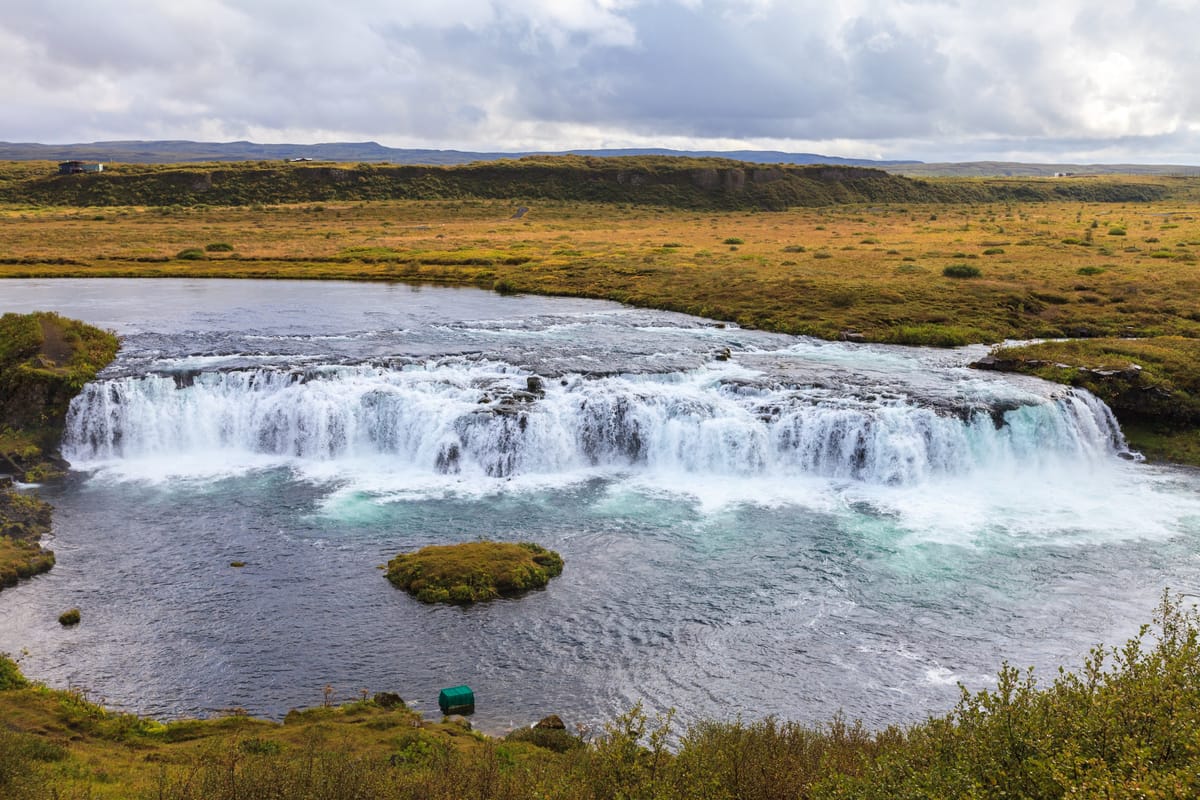
Autumn in Iceland is a season of dramatic skies, changing landscapes, and crisp, cool air.
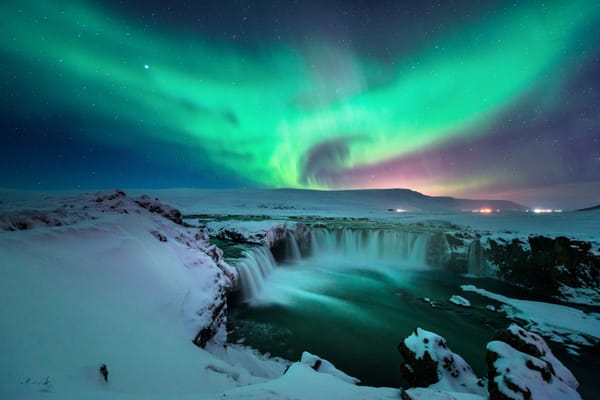
Between September and November, the country transforms from late-summer green to golden-orange hues, with the Northern Lights dancing across the night sky. But while the scenery is stunning, the weather can be unpredictable—sunshine one moment, rain or wind the next.
If you’re planning a trip during this magical season, knowing how to pack for Iceland in autumn is essential. This guide will walk you through everything you need to bring—from clothing to gear to travel tips—so you stay warm, dry, and ready for any adventure Iceland throws your way.
Why Is Autumn a Great Time to Visit Iceland?
Autumn in Iceland offers a quieter, more relaxed experience compared to the busy summer. Popular spots like the Golden Circle, South Coast, and Reykjavik are less crowded, making exploration easier.
Visitors can still enjoy waterfalls, geothermal spas, and national parks without the summer rush. Many tour operators continue activities like glacier hikes, whale watching, and horseback riding through late October.
However, autumn weather is unpredictable, with wind, rain, fog, and occasional sunshine. Temperatures range from 4°C to 10°C (39°F to 50°F), but wind chill can make it feel colder. Pack carefully and be ready for rapid weather changes in a single day.
Packing for Iceland in Autumn: What Makes It Unique
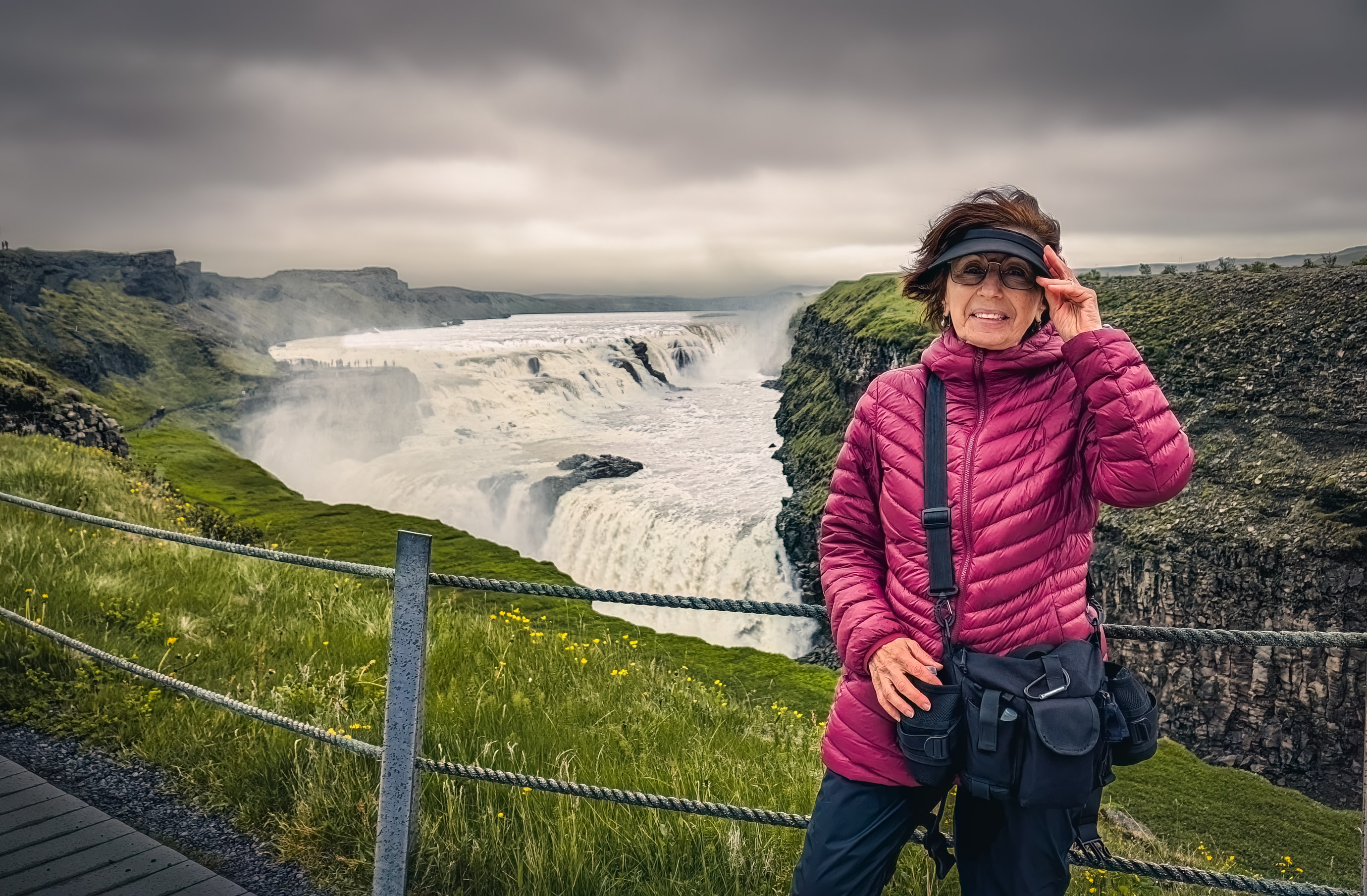
Autumn in Iceland is a season like no other. With temperatures ranging from mild to freezing and weather that can shift in an instant, preparing for your trip requires thoughtful planning and a smart packing strategy.
Why Packing for Iceland in Autumn is Different
Here’s what makes packing for this season a unique challenge:
- Unpredictable Weather: Iceland’s autumn weather can be a mix of sunshine, rain, wind, and even snow—all in a single day. The key is to pack versatile layers that you can easily add or remove to adapt to changing conditions.
- Shorter Daylight Hours: Autumn means fewer daylight hours, with late sunrises and early sunsets. Be sure to plan your outdoor adventures around the limited light.
- Essential Clothing: Warm, waterproof clothing is a must. A durable waterproof jacket, pants, and sturdy footwear will keep you comfortable whether it’s raining or you’re navigating muddy trails.
- The Power of Layers: Temperatures can vary throughout the day, so layering is crucial. Pack lightweight, breathable layers you can adjust as needed.
- Thermal Gear for Extra Warmth: If you plan to spend significant time outdoors, thermal base layers and insulated leggings are invaluable for staying cozy in Iceland’s chilly weather.
- Don’t Forget Accessories: Hats, scarves, and gloves are small but essential items that make all the difference in keeping you warm and comfortable.
By packing with these tips in mind, you’ll be ready for whatever Iceland’s autumn has in store, ensuring you can focus on enjoying its breathtaking landscapes without worrying about the cold.
Clothing: Stay Warm, Dry, and Protected
The Golden Rule: Layer Up
Ditch the bulky coat and opt for multiple layers you can mix and match. Layering lets you adapt to unpredictable weather with ease.
1. Base Layer (Next to Your Skin)
Choose merino wool or synthetic thermal tops and leggings. These materials wick moisture and keep you warm. Avoid cotton—it absorbs moisture and dries slowly, leaving you cold and uncomfortable.
2. Mid Layer (Insulation)
For insulation, go with a fleece or a lightweight puffy jacket. On particularly chilly days, you can double up for added warmth. This layer is essential for trapping heat between your base layer and outer shell.
3. Outer Layer (Wind and Water Protection)
A waterproof, windproof jacket and pants are non-negotiable. Opt for breathable fabrics like Gore-Tex to stay dry without overheating. Even a sunny morning can turn into a rainy afternoon, so always be prepared.
Essential Clothing Items for Autumn in Iceland
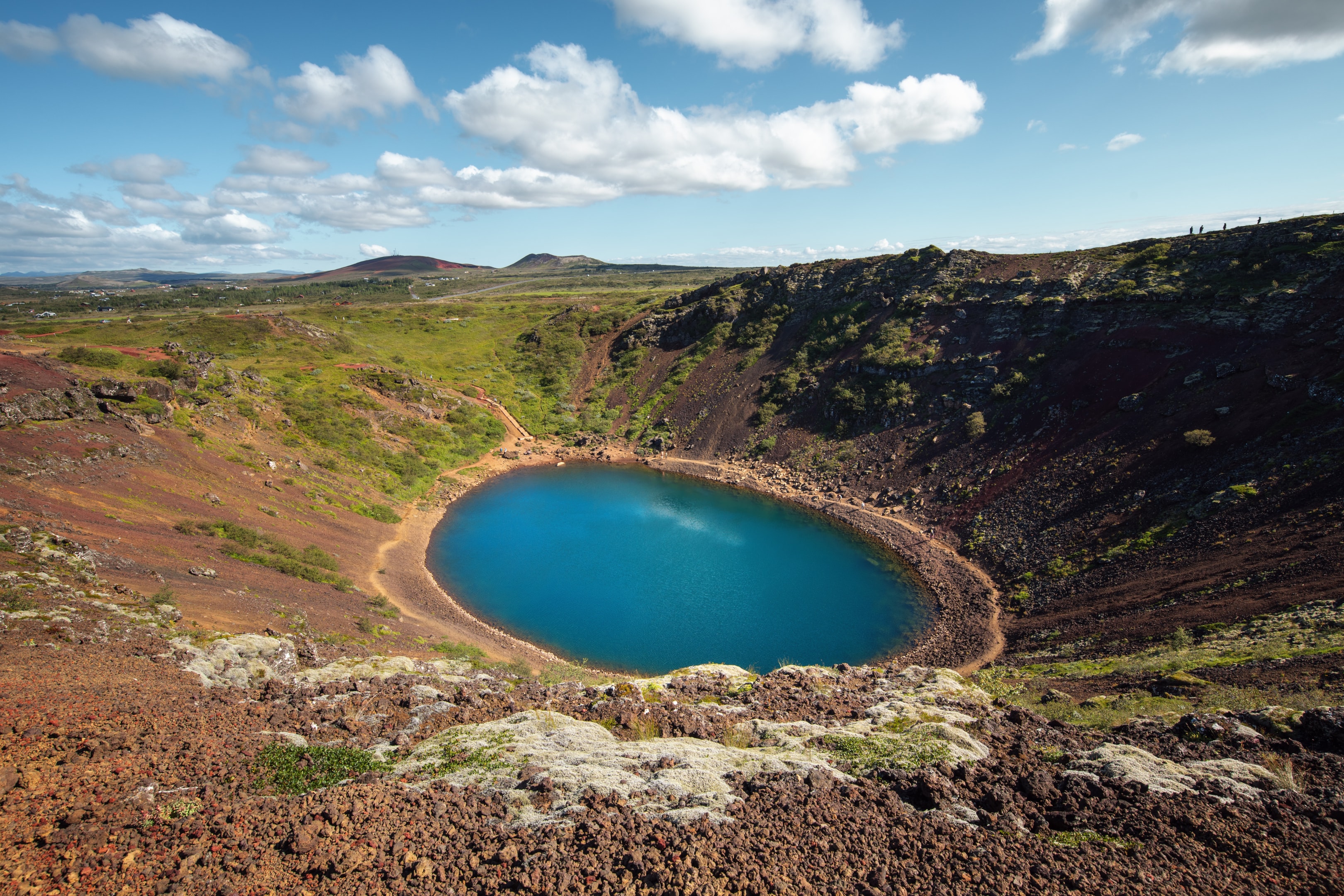
Planning an autumn trip to Iceland? Here’s your essential clothing that will keep you warm, dry, and comfortable as you explore this stunning yet unpredictable destination.
Waterproof Hiking Boots
A sturdy pair of waterproof hiking boots is non-negotiable for exploring Iceland’s rugged terrain.
Trails can be slippery, rocky, and frequently wet, so choose boots with excellent ankle support and a strong grip. These will help you navigate everything from mossy lava fields to steep, uneven paths with ease. To avoid blisters, break them in before your trip.
Pair your boots with high-quality wool socks. Not only will they keep your feet warm in chilly conditions, but they’ll also wick away moisture, ensuring comfort throughout the day.
Warm Hat, Gloves, and Neck Buff
Iceland’s weather is as unpredictable as it is extreme, and the wind can be particularly biting, especially along the coast or near waterfalls. A wool or fleece hat that covers your ears is essential for staying warm. Waterproof gloves are just as important, keeping your hands cozy and dry in rain or snow.
Don’t forget a neck buff or scarf—it’s a versatile accessory that can shield your neck and face from icy winds or add an extra layer of warmth when temperatures drop. These small items can have a big impact on your overall comfort.
Casual Clothes for Reykjavik
Reykjavik combines a chic yet relaxed vibe, so pack casual, comfortable clothing that’s easy to layer. Think cozy sweaters, a few pairs of jeans, and casual but durable shoes—ideal for wandering the city’s colorful streets or relaxing in its cozy cafes.
Given Iceland’s ever-changing weather, layering is key. Lightweight layers you can easily add or remove will help you adjust to temperature shifts. A scarf or light jacket can also come in handy when the weather takes a sudden turn, even in the city.
Waterproof Jacket and Pants
Rain, wind, and even snow can all make an appearance on the same day in Iceland, so high-quality waterproof gear is a must. Look for a lightweight yet durable waterproof jacket and pants with good breathability to keep you comfortable during outdoor adventures.
This gear will keep you protected whether you’re hiking near a misty waterfall, walking along a rain-soaked coastline, or braving one of Iceland’s infamous downpours. Adjustable hoods and cuffs are a bonus, adding extra defense against the elements.
Swimwear
Yes, you read that right—swimwear is essential for any trip to Iceland. From relaxing in the famous Blue Lagoon to soaking in remote geothermal hot springs, swimming is a cherished Icelandic tradition.
Pack a comfortable swimsuit, a quick-drying towel, and maybe even flip-flops for convenience. Whether you’re unwinding in a countryside hot spring or enjoying a geothermal pool in the city, swimwear will ensure you don’t miss out on this uniquely Icelandic experience.
Sunglasses
Sunglasses might not be the first thing you think of when packing for Iceland, but they’re surprisingly important. The bright glare from snow, ice, and glaciers can be intense on sunny days, especially during long hikes or drives.
Sunglasses not only protect your eyes but also make it easier to take in Iceland’s dramatic scenery. And as a bonus, they’ll help you snap better photos with a clear, unobstructed view. Practical and stylish, they’re a small but vital addition to your packing list.
By packing these essentials, you’ll be ready to embrace Iceland’s wild beauty, no matter what the weather throws your way. From rugged trails to cozy city streets, these items will keep you comfortable and prepared for an unforgettable adventure.
Toiletries and Personal Care
Must-Have Basics
Pack travel-sized essentials like shampoo, conditioner, soap, toothpaste, and deodorant. While many hotels and guesthouses provide basic toiletries, it's always wise to bring your go-to products, especially if you have sensitive skin.
Skincare Essentials
Autumn's chilly winds and dry air can be harsh on your skin, so be prepared with:
- Lip balm (preferably with SPF)
- A rich moisturizer or face cream
- Sunscreen (yes, even in cooler months!)
- Hand lotion to keep your skin soft and hydrated
Stay comfortable and protected, no matter where your travels take you!
Electronics and Accessories
Make the most of your autumn trip with these essential tech items:
Travel Adapter
If you're heading to Iceland, keep in mind that the country uses the European standard plug (Type C/F) and operates on 230V electricity. To ensure your devices stay powered, pack a reliable universal adapter if your plugs aren’t compatible. Staying connected is key to a smooth trip!
Portable Charger
Iceland’s chilly weather can drain batteries faster than usual. Whether it’s your phone, camera, or GPS, a fully charged portable power bank is a must for long days of exploration. Don’t risk running out of power—this handy gadget can be a lifesaver.
Camera Gear
Iceland is a dream destination for photographers, with its stunning landscapes and the awe-inspiring Northern Lights. Bring along a DSLR or mirrorless camera for high-quality shots, and don’t forget extra batteries and memory cards to capture every magical moment.
A sturdy, compact tripod is essential for steady photos, especially in low-light conditions. Whether you’re framing glaciers or auroras, the right gear will take your photography to the next level.
Travel Documents and Essentials
Preparing for your trip to Iceland? Here's a checklist to ensure a smooth and stress-free journey:
- Passport: Ensure your passport is valid for at least three months beyond your return date to avoid any travel complications. Don’t forget to check if a visa is required for your destination.
- Travel Insurance: Carry both a printed and digital copy of your travel insurance policy. This will provide peace of mind in case of emergencies, such as medical issues or trip cancellations.
- Driver’s License: Bring your valid driver’s license, and if you plan to drive internationally, secure an International Driving Permit in advance. Be sure to familiarize yourself with the driving regulations in Iceland.
- Reservation Confirmations: Keep printed copies of your flight details, hotel bookings, and any pre-booked tours or activities. These can be a lifesaver if you lose access to your email or travel apps.
- Payment Methods: Pack at least one credit card and consider a backup payment option, such as another card or some local currency, to handle unexpected expenses.
- Document Copies: Make photocopies of all essential documents, including your passport, visas, and insurance details. Store these securely in the cloud and carry physical copies as a precaution in case of loss or theft.
By organizing these essentials ahead of time, you’ll be ready to enjoy your Icelandic adventure with confidence and ease!
Food and Snacks on the Go
Iceland offers incredible food experiences, but dining out can quickly add up, especially if you’re on a budget.
Packing a variety of lightweight, easy-to-prepare snacks is a practical and cost-effective solution, particularly for road trips or long hikes where options may be limited. Having a stash of snacks not only saves money but also ensures you have energy on hand during your travels.
Consider:
- Protein bars: Compact and packed with energy, they’re perfect for sustaining you during outdoor adventures.
- Trail mix: A customizable, high-energy snack that’s easy to carry and great for quick refueling.
- Instant oatmeal or cup noodles: These are especially useful if you’re staying in a camper van or accommodations with minimal kitchen facilities. Just add hot water for a warm, satisfying meal.
- Dried fruits or jerky: Lightweight, non-perishable, and great for keeping hunger at bay between meals.
Planning ahead by bringing snacks can ensure you stay fueled and focused while exploring Iceland’s stunning landscapes..
Bonus Gear for Iceland in Autumn
Traveling to Iceland in autumn can be magical, but preparation is key. Here are a few additional gear items that can make your trip even better:
Reusable Water Bottle
Tap water in Iceland is among the cleanest and purest in the world, sourced from natural springs and glaciers.
Bringing a refillable water bottle not only saves you money but also helps you reduce plastic waste in this beautiful environment. Make sure it’s insulated if you want to keep drinks warm during chilly outings.
Swimsuit and Towel
Iceland is famous for its abundance of hot springs, geothermal pools, and world-class spas like the Blue Lagoon. Whether you’re soaking in a natural spring in the middle of nowhere or visiting a local pool, a swimsuit is a must-have.
Pair it with a lightweight, quick-dry microfiber towel that doesn’t take up much space in your bag—you’ll appreciate it when faced with spontaneous opportunities for a warm soak.
Headlamp or Flashlight
As autumn progresses, daylight hours in Iceland grow shorter, especially in October and November. A compact headlamp or flashlight is a lifesaver for hiking trails or exploring natural sites in the dark.
It’s also handy if you’re hunting for the Northern Lights, as many prime viewing spots are far from artificial light sources. Opt for one with adjustable brightness and extra batteries to stay prepared.
Adding these items to your packing list ensures you’re ready to fully embrace Iceland’s autumn adventures while staying comfortable and well-prepared!
Road Trip Essentials
Planning to hit the road in Iceland? Driving outside Reykjavik can be an incredible adventure, but it’s important to be prepared for all kinds of weather and road conditions. Be sure to pack:
- Offline maps or GPS: Cell service can be spotty in remote areas, so downloading maps in advance is a lifesaver.
- Car charger for your phone: Your phone is essential for navigation and staying connected, so keep it charged throughout the trip.
- Ice scraper and gloves: Many rental cars provide these, but they’re crucial for clearing icy windshields, especially in winter. Warm gloves will keep your hands from freezing during the process.
- Emergency snacks and a blanket: Weather changes quickly in Iceland, and road closures can happen unexpectedly. A stash of snacks and a warm blanket will keep you comfortable if you’re stuck waiting.
With these items, you’ll be ready to handle whatever Iceland’s stunning yet unpredictable landscapes throw your way!
What Not to Pack for Iceland
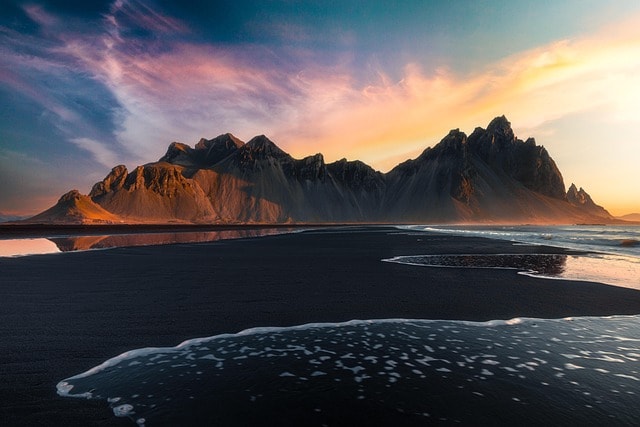
Now you know the essentials for a successful trip to Iceland, but what about the things you should leave behind? Here’s a list of items that you most likely won’t need on your journey.
- Umbrellas – Icelandic winds are unforgiving and will make quick work of any umbrella. Stick to a hooded waterproof jacket—it’s far more dependable.
- High heels or dress shoes – With uneven terrain and slippery city sidewalks, practical footwear is a must. Opt for sturdy, weather-appropriate shoes instead.
- Cotton clothing – Cotton absorbs moisture and takes ages to dry, leaving you cold and uncomfortable. Choose quick-drying, moisture-wicking fabrics.
- Bulky luggage – Navigating Iceland is much easier with lightweight, durable travel gear. Pack smart to stay mobile.
- Non-waterproof items – Iceland’s weather changes in an instant. Waterproof clothing and gear are essential for staying dry and comfortable.
- Unnecessary electronics – Wet, cold conditions can damage delicate devices. Only bring what you truly need.
By leaving these items behind and packing thoughtfully, you’ll set yourself up for a safer, more enjoyable journey through Iceland’s stunning landscapes. Practical, versatile gear will help you embrace every adventure this land of fire and ice has to offer!
FAQs
What kind of waterproof pants should I pack for Iceland in the fall?
When planning your Iceland trip, it’s essential to pack waterproof pants or rain pants that are water resistant and durable for outdoor activities. They protect against heavy rain, icy paths, and crisp air.
What shoes should I wear in Iceland in the fall?
For Iceland in the fall, choose waterproof hiking shoes, snow boots, or insulated boots with good grip. These help with northern lights hunts and walking safely on slippery trails and cooler evenings.
What layers do I need for a late September trip?
Start with a moisture wicking base layer, add wool sweaters or a middle layer, then finish with a sturdy raincoat or rain jacket. Don't forget thermal leggings, synthetic socks, and insulated gloves to keep your body temperature steady.
Can I wear jeans or should I pack light?
You can wear jeans, but they don’t dry quickly. It’s smarter to pack light with quick dry hiking pants, warm socks, and long sleeve shirts—perfect for layering during your winter trip or winter heading.
Conclusion
Packing for an autumn adventure in Iceland doesn’t have to feel overwhelming. With the right combination of layers, gear, and thoughtful preparation, you’ll be ready to embrace everything this enchanting season has to offer—from trekking across otherworldly lava fields to relaxing in steamy hot springs beneath the glow of the Northern Lights.
The key is simple: dress for the unpredictable weather, keep your essentials within reach, and prepare for surprises along the way. Iceland’s untamed beauty rewards those who come equipped, and with this guide, you’ll be set to make the most of it.
So, pack wisely, travel confidently, and get ready to experience the magic of autumn in Iceland like never before.