How to See the Northern Lights in Iceland: A Complete Local’s Guide
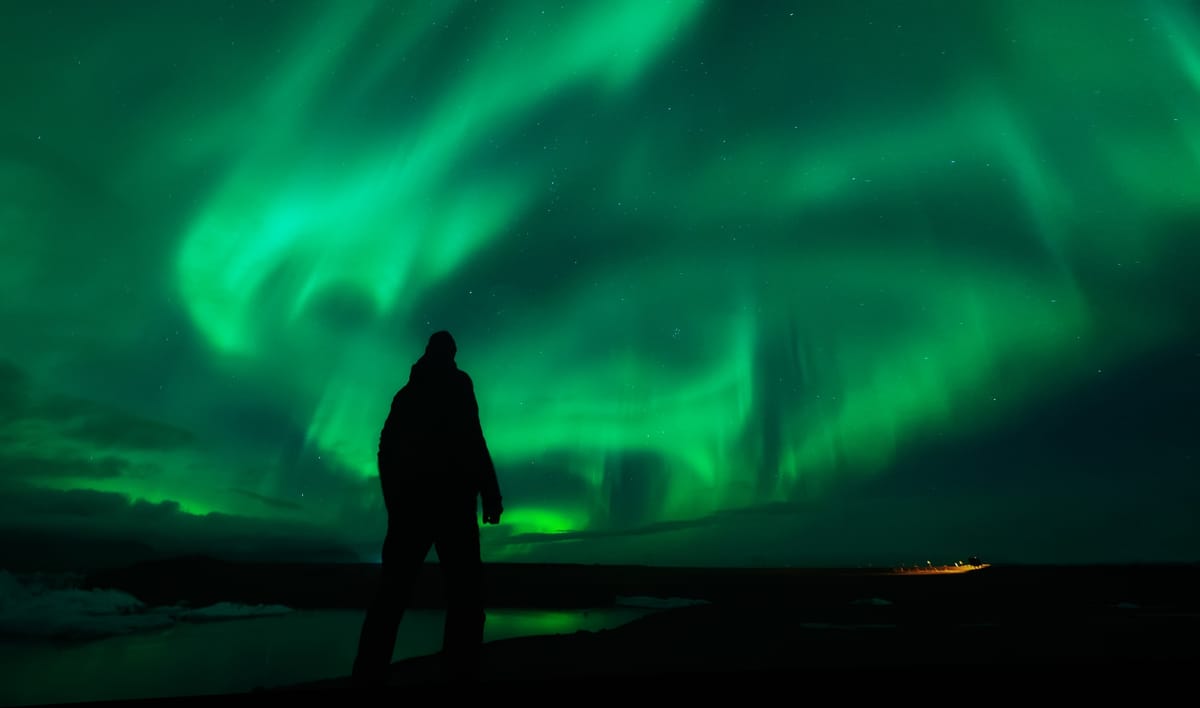
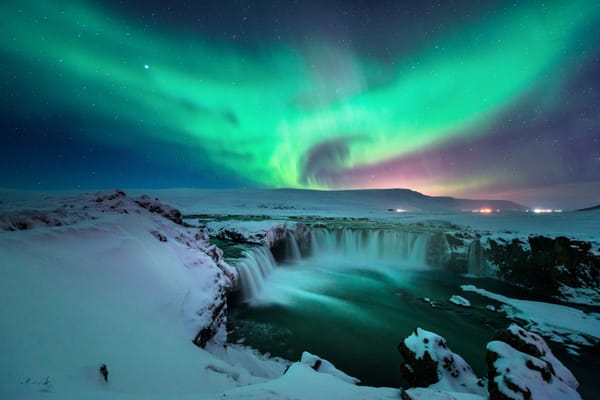
There’s nothing like standing under Iceland’s starry skies as ribbons of green and purple light dance above you.
The Northern Lights, or Aurora Borealis, are one of nature’s most spectacular shows, and Iceland is perfectly positioned for viewing them. Every winter, travelers come hoping to see the lights, but many leave disappointed because they didn’t know when, where, or how to look.
This guide will change that. You’ll learn how to spot the Northern Lights like a local — from understanding the science and reading aurora forecasts to finding the best viewing spots, great food stops, and planning a weekend in Reykjavík. Whether you’re chasing the lights across Iceland or soaking in a geothermal lagoon under the stars, this guide will help you make it happen.
What Are the Northern Lights?
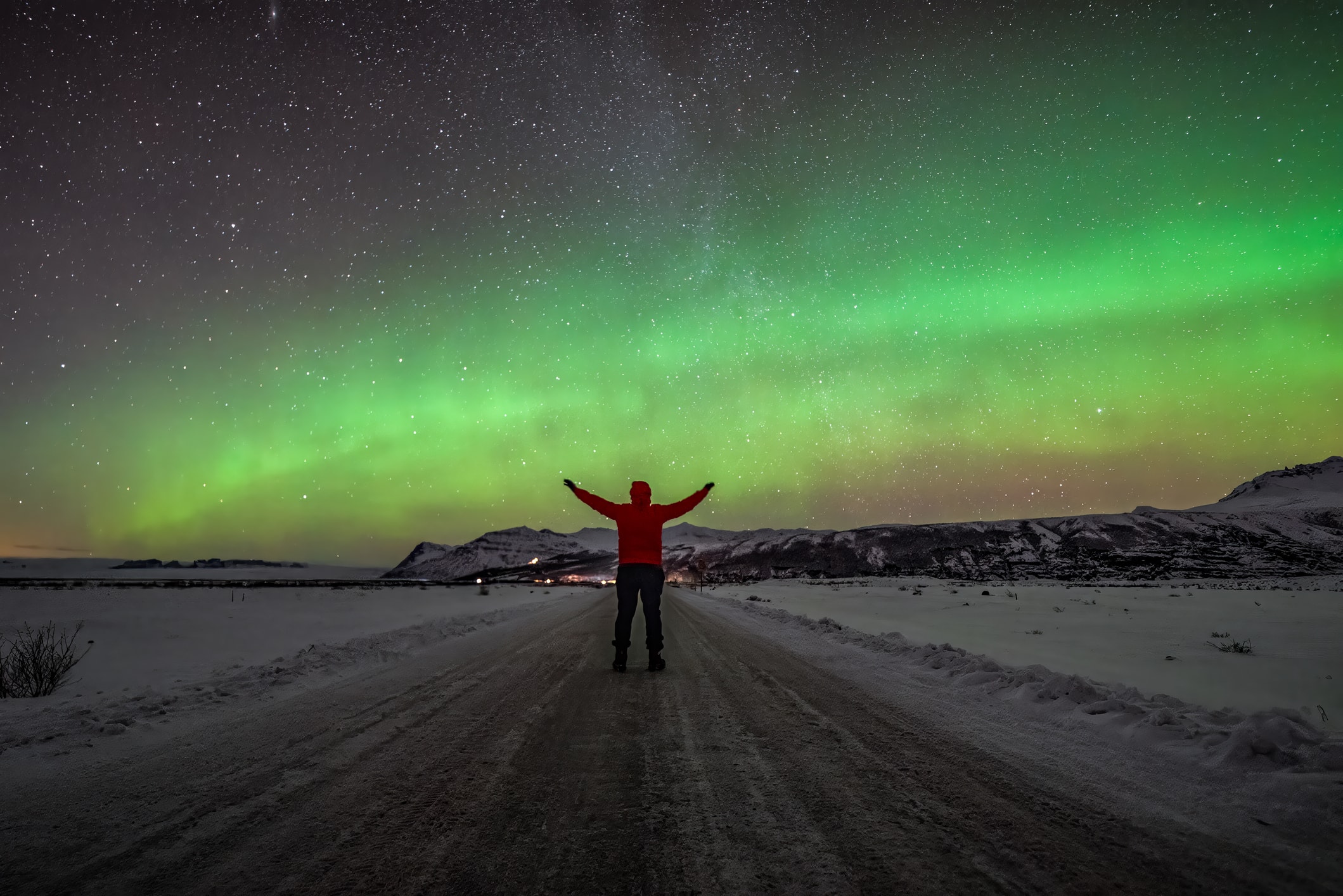
High above Earth, charged particles from the sun travel millions of kilometers before colliding with our planet’s magnetic field. When these particles strike the gases in the upper atmosphere — mostly oxygen and nitrogen — they create colorful glowing displays known as the Northern Lights. The colors vary: green is most common, while red, purple, and even blue can appear depending on the altitude and type of gas involved.
The intensity of these lights depends on the sun’s activity. The sun follows an 11-year solar cycle, alternating between periods of calm and heightened energy. During what’s called a solar maximum, sunspots and solar flares increase dramatically, sending more particles toward Earth and creating stronger, more frequent auroras.
We are currently in Solar Cycle 25, which peaked around late 2024 and will remain highly active through 2026. That makes 2025 one of the best years in recent memory to witness the aurora borealis over Iceland. With long, dark nights and elevated solar activity, conditions couldn’t be better.
When and Where to See the Northern Lights in Iceland
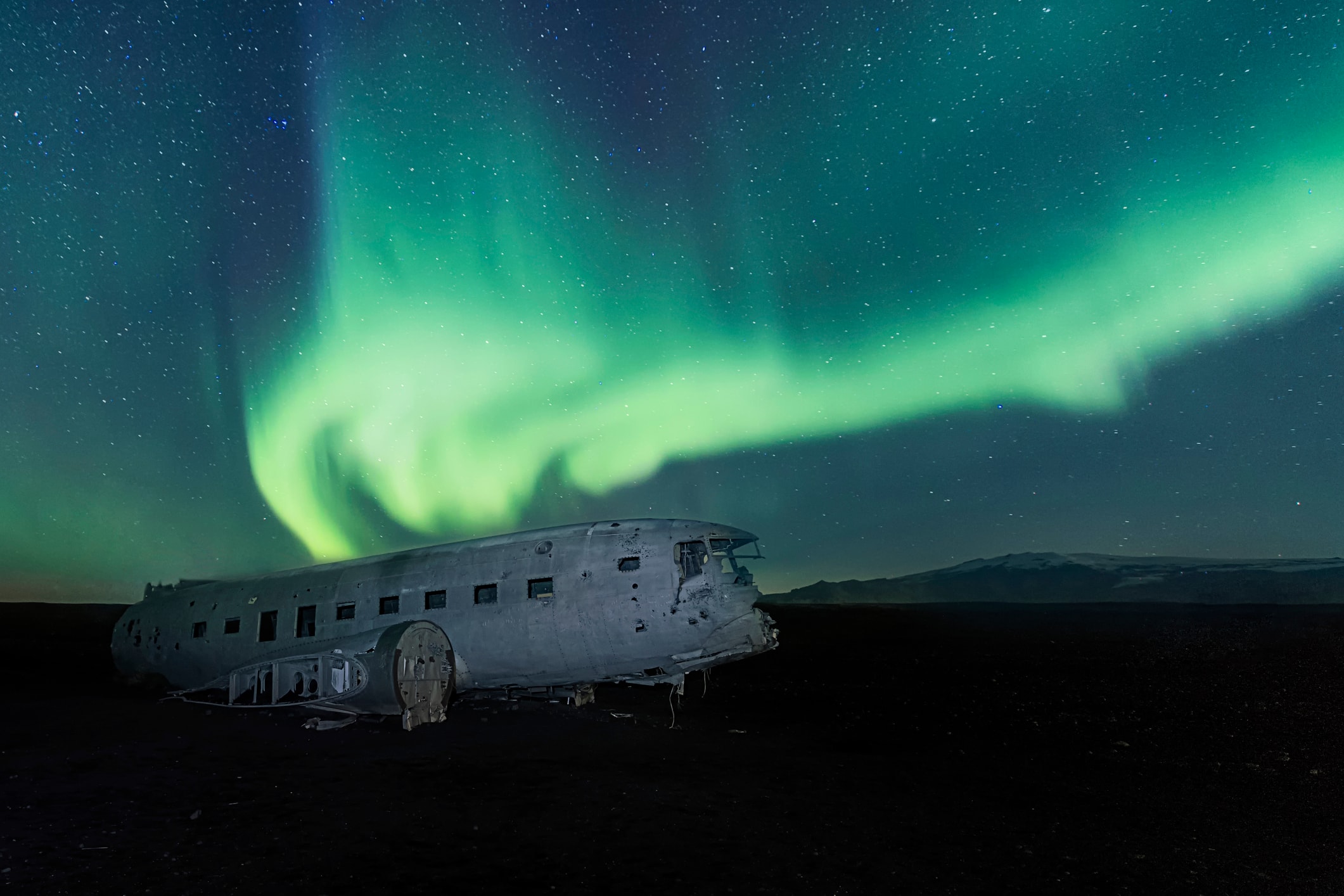
Planning a trip to see the Northern Lights in Iceland? Here are some essential tips:
The Best Time of Year
The Northern Lights require a dark sky, making them a winter phenomenon. In Iceland, aurora season runs from late August to mid-April.
During this period, daylight hours are shorter, and nights are long enough for viewing. Between May and July, Iceland experiences the midnight sun, so even strong aurora activity remains invisible due to the bright skies.
The Ideal Time of Night
While the aurora can appear any time after sunset, peak viewing hours are typically between 9 p.m. and 2 a.m. This is when the sky is darkest, providing the best contrast to see the lights in their full glory.
Many Icelanders and experienced aurora hunters check the aurora forecast after dinner. If it's promising and skies are clear, they head out later in the evening to a dark viewing spot. Nights with minimal moonlight, especially around the new moon, are ideal for enhancing the aurora's visibility and vibrancy.
Best Locations
Though the Northern Lights can appear anywhere in Iceland, darker areas away from city lights offer the clearest views. Reliable spots include:
- Thingvellir National Park – A UNESCO site near Reykjavík with dark skies and wide open views.
- Snaefellsnes Peninsula – Features stunning coastlines and minimal light pollution.
- Vík and South Coast – Combine aurora viewing with glaciers and black sand beaches.
- Myvatn (North Iceland) – One of the best regions for long, clear winter nights.
- Eastfjords and Westfjords – Remote, less crowded, and often perfectly dark.
If you prefer staying in Reykjavík, you can still see the lights from Grótta Lighthouse or Öskjuhlíð Hill, but venturing outside the city significantly increases your chances.
How to Read the Aurora Forecast Like a Local
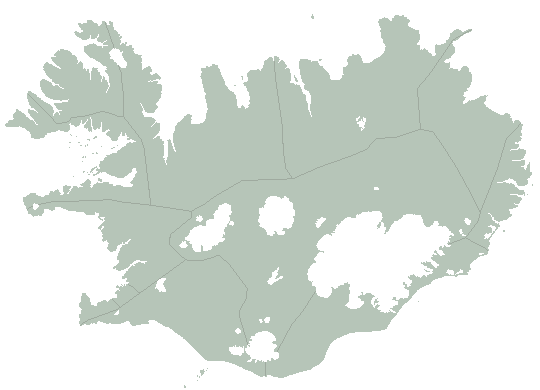
The key to successfully spotting the Northern Lights lies in reading the aurora forecast. It’s not complicated once you understand what to look for. Iceland’s Meteorological Office and apps like “Aurora Forecast” combine several elements to help you decide whether it’s worth heading out.
1. Aurora Activity (KP Index)
The KP index measures geomagnetic activity, and it ranges from 0 to 9. Here’s what those numbers mean for spotting auroras:
- 0–2: Low activity—only faint lights visible way up north.
- 3–4: Moderate activity—great views across most of Iceland on clear nights.
- 5+: High activity—you might even see auroras from Reykjavík!
Remember, you don’t need massive KP numbers to enjoy a stunning show. Even a KP of 2 can create incredible displays if the sky is dark and clear. Don’t overthink it—many travelers miss out by waiting for the "perfect" conditions instead of just soaking up the moment.
2. Cloud Cover
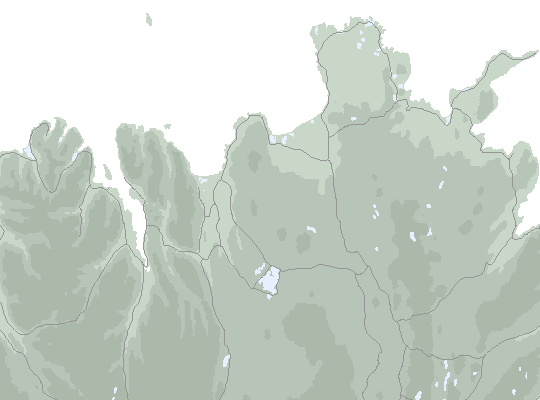
Clouds can be a real buzzkill, even with strong aurora activity. Thick clouds mean no lights, so checking cloud coverage is just as important as the KP index. Iceland’s weather forecast includes cloud maps:
- White areas = clear skies.
- Green areas = clouds.
Use the slider tool on the map to see the cloud forecast for different times and areas—it’s super handy for planning your aurora adventure.
3. Darkness and Moonlight
Dark skies are your best friend when it comes to Northern Lights viewing. To get the best results:
- Go out when the moon has set.
- Check the forecast for sunset, sunrise, and moonrise times for your location.
The darker the night, the better the view—so plan your outing for those pitch-black moments.
4. Real-Time Tips
Stay flexible and keep an eye on updates! Locals check aurora forecasts every few hours, and many hotels and guesthouses even offer Northern Lights wake-up calls if activity spikes during the night.
If you’re driving yourself, download aurora alert apps like Aurora Pro or My Aurora Forecast to help you chase the lights. With a little luck (and some clear skies), you’ll be in for an unforgettable show!
Reading Iceland’s Weather Maps

Want to catch the Northern Lights? Then you absolutely must master Iceland’s weather maps. These aren't just pretty pictures; they're your secret weapon against cloudy skies. The country’s meteorological office provides treasure troves of data, revealing:
- Pressure systems: Your key to predicting stubborn cloud movements.
- Wind speed and direction: Crucial for knowing where visibility will be clearest.
- Precipitation maps: So you can dodge those aurora-blocking rain or snow showers.
Here’s your quick guide to reading the sky:
- Blue zones? That’s precipitation calling – rain or snow.
- White or gray areas? Your golden ticket! These often mean dry, clear skies.
- The golden rule: Hunt for areas with the lowest cloud density for your best shot at the show.
Check those maps 3–6 hours before your chase. But remember, Icelandic weather is a notoriously fickle beast – always have a backup plan ready!
The Best Restaurants and Stops Around Iceland
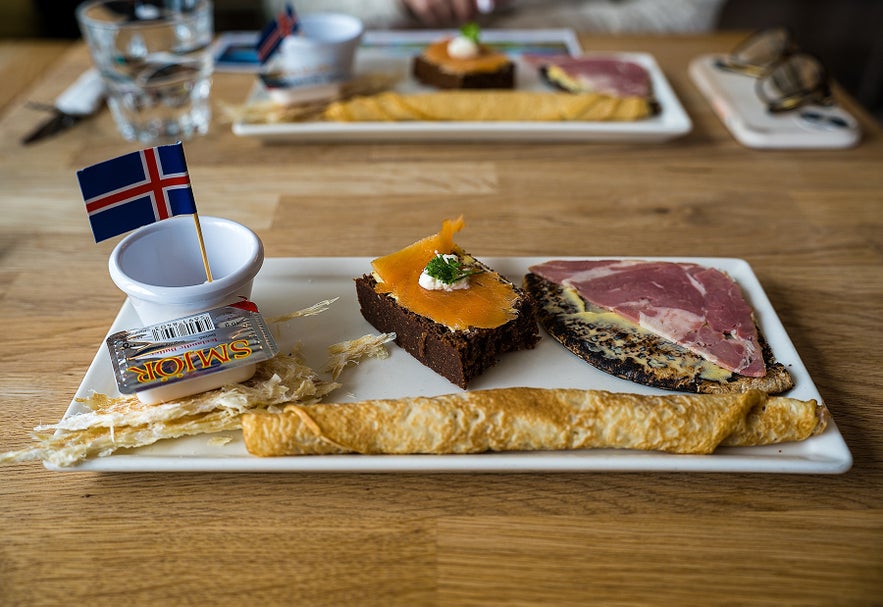
Seeing the Northern Lights often involves long drives. Luckily, Iceland’s ring road is filled with cozy cafés and unforgettable restaurants. Here’s a regional breakdown:
South Iceland
- Friðheimar – Step into a vibrant greenhouse where every dish celebrates the humble tomato, served fresh year-round. An unforgettable farm-to-table experience!
- Mika Restaurant – Indulge in exquisite local seafood and don't dare leave without tasting their divine chocolate desserts.
- Gamla Fjósið – A charmingly rustic farm restaurant, perfectly nestled near the majestic Skógafoss waterfall, offering hearty, authentic flavors.
West Iceland
- Geirabakarí Kaffihús – A must-visit charming bakery in Borgarnes, ideal for warming up with a coffee and delicious pastry.
- Langaholt Guesthouse Restaurant – Savor fresh local seafood while gazing out at breathtaking peninsula views – a feast for both your taste buds and your eyes.
- The Settlement Center Bistro – Dive into Icelandic history with comforting homemade soups and tender lamb dishes.
North Iceland
- Vogafjós Farm Resort – Experience farm-fresh dining right by Lake Mývatn, renowned for its artisanal cheeses and perfectly smoked trout.
- Strikið (Akureyri) – Elevate your evening with fine dining and panoramic views stretching across Akureyri, Iceland's vibrant northern capital.
- Gamli Baukur (Húsavík) – The perfect cozy spot to refuel with hearty fare before or after your thrilling whale-watching adventure.
East Iceland
- Klausturkaffi – Discover this picturesque gem near Egilsstaðir, a tranquil stop embraced by stunning mountain scenery.
- Salt Café & Bistro – Enjoy a delightful blend of Scandinavian chic and authentic Icelandic flavors.
- Tærgesen (Reyðarfjörður) – Step into this inviting inn for a taste of robust, comforting local cuisine.
Westfjords
- Tjöruhúsið (Ísafjörður) – Prepare for an unforgettable family-style seafood feast, with fish cooked to perfection in traditional iron pots.
- Simbahöllin Café (Þingeyri) – A delightful blend of fluffy Belgian waffles and genuine Icelandic charm awaits.
These aren't just mere stops; they're integral parts of your Icelandic adventure, offering warm, authentic experiences that nourish both body and soul as you anticipate the magic of the Northern Lights.
A Perfect Weekend in Reykjavík
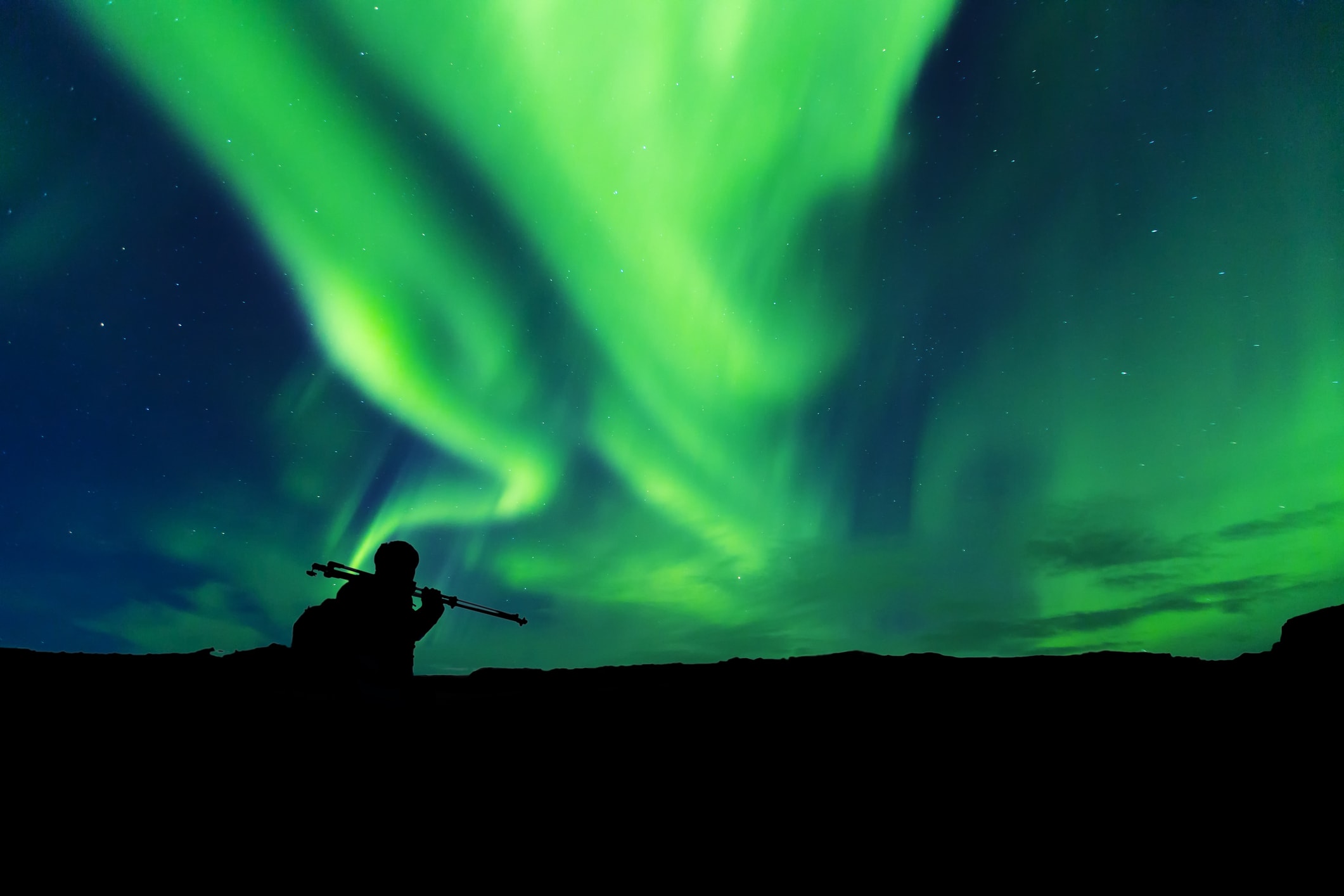
Even without venturing far from the capital, Reykjavík offers a wealth of cultural experiences and adventures, including opportunities to witness the Northern Lights from within the city.
Day 1 – Exploration and Culinary Delights
- Begin with breakfast at Sandholt Bakery on Laugavegur.
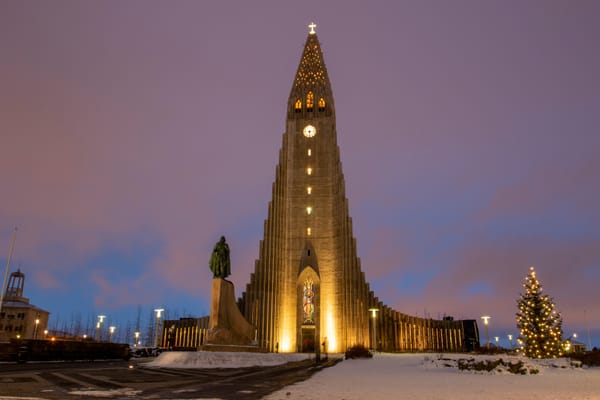
- Visit the iconic Hallgrímskirkja Church and the architectural marvel that is Harpa Concert Hall.
- Proceed to Perlan for its engaging nature exhibitions and panoramic city views.
- Enjoy dinner at Fiskfélagið (Fish Company) or Grillmarkaðurinn, both renowned for modern Icelandic cuisine.
- Should the skies be clear, consider a drive to Grótta Lighthouse for potential aurora sightings.
Day 2 – Adventure and Rejuvenation
- Embark on a whale-watching tour departing from Reykjavík’s Old Harbor.
- In the afternoon, experience relaxation and tranquility at Sky Lagoon, one of Iceland’s premier geothermal spas.
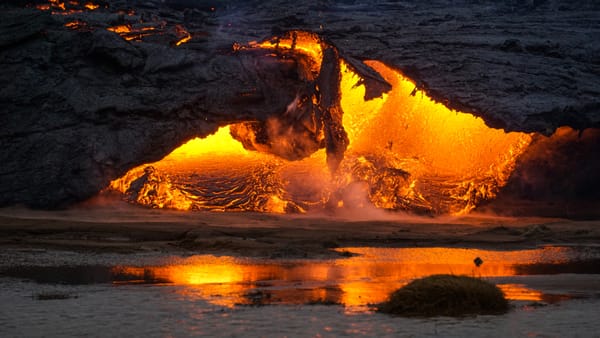
- Attend the Reykjavík Lava Show for an extraordinary live demonstration of molten lava.
- Conclude your evening with an Icelandic-inspired cocktail-making workshop at Kokteilbarinn or Slippbarinn.
And Day 3 – Culture and Departure
- Explore cultural institutions such as The Icelandic Phallological Museum or the Reykjavík Art Museum.
- Enjoy brunch at the Laundromat Café, followed by browsing local boutiques.
- For your final evening, indulge in an Icelandic tasting menu at Dill, the country’s first Michelin-starred restaurant.
Tips for Aurora Hunters
Chasing the Northern Lights in Reykjavík? Here's how to maximize your chances and make the experience unforgettable:
- Bundle Up for Brilliance: Don't let the arctic chill cut your viewing short! Layer up like a pro with thermal wear, waterproof boots, and warm gloves. Comfort is key when you're waiting for the magic to begin.
- Capture the Celestial Dance: Want to immortalize those vibrant streaks? A sturdy tripod is your best friend. Set your camera for long exposure (think ISO 800–1600, shutter 10–20 seconds) and prepare to snap some incredible memories.
- Embrace the Unpredictable: Icelandic weather loves a surprise, and so do the Northern Lights! Give yourself the best possible shot by planning multiple nights dedicated to the hunt. More attempts mean more opportunities to witness nature's greatest show.
- Patience is Your Virtue: The aurora is a fickle friend, often appearing and disappearing in a blink. Settle in, enjoy the starlit sky, and stay persistent. The show can start when you least expect it – and it's always worth the wait!
Make It Effortless: Private Northern Lights Tours with Lagoon Stops
If you’d rather skip the hassle of checking forecasts, driving icy roads, and guessing where to go, The Iceland Tour Co. offers private Northern Lights tours that make the entire experience effortless.
Your personal local guide monitors real-time weather and aurora conditions, selecting the best dark-sky locations each night for maximum visibility. With a private vehicle, flexible schedule, and insider knowledge, you can relax knowing every detail is handled — from timing and safety to the perfect photo stop.
To make the evening even more memorable, these tours can include a visit to one of Iceland’s world-class geothermal lagoons:
- Sky Lagoon – A luxurious ocean-edge spa near Reykjavík, ideal for relaxing before or after your aurora chase.
- Hvammsvík Hot Springs – Hidden in a tranquil fjord with minimal light pollution, offering one of the best chances to see the aurora reflected over calm waters.
- Laugarás Lagoon – Iceland’s newest geothermal lagoon, perfectly positioned near the Golden Circle where skies are often clearer and auroras shine brightly.
Whether you’re traveling solo, with family, or as a couple, The Iceland Tour Co. transforms a complex aurora hunt into an unforgettable night — blending Icelandic comfort, natural beauty, and the magic of the Northern Lights.
FAQs
When is the best time to go Northern Lights hunting in Iceland?
The Northern Lights season in Iceland runs from mid-August to April, when the night sky is darkest. This is the best period for aurora hunting, especially away from bright lights and city centers. Check the northern lights forecast and look for clear weather conditions with a few clouds at most. Popular viewing areas include Þingvellir National Park, the Golden Circle route, and the Glacier Lagoon, all known for low light pollution and spectacular displays.
How do Northern Lights tours help travelers see the aurora?
Joining northern lights tours increases your chances of seeing this natural phenomenon. Local guides use knowledge of the Earth’s magnetic field, solar wind, and the aurora oval to find the best locations. Tours often leave the capital city to reach spots with less light pollution, where the aurora appears more vividly. Many also include a wake-up service if the lights emerge late, ensuring you never miss this natural wonder.
Can I capture the Northern Lights on camera during my trip?
Yes. For aurora displays, use a tripod and remote shutter release to avoid motion blur. Adjust shutter speed to capture as much light as possible in the Earth’s upper atmosphere. Dress warmly—cold temperatures can drain batteries quickly. Shooting from dramatic landscapes with less light pollution offers stunning photos of the mystical lights dancing across the northern hemisphere under the magnetic poles.
Where should I stay for the best aurora experience in Iceland?
Book northern lights hotels outside the city center or along the Golden Circle. These areas have low light pollution and open views of the night sky. Many offer hot springs for cozy aurora hunting during cold weather. Renting a rental car helps reach remote areas near the Arctic Circle or Blue Lagoon. Over a few days, with patience and luck, you can witness a spectacular display of solar particles glowing in the Earth’s atmosphere.
Conclusion
Witnessing the Northern Lights in Iceland is an unparalleled experience, combining natural brilliance with a unique sense of wonder.
By understanding optimal timing, interpreting forecasts, and selecting the best viewing locations, you can significantly increase your chances of a successful sighting.
When combined with Iceland's inviting restaurants, picturesque landscapes, and Reykjavík's vibrant culture, an aurora-focused trip becomes a truly comprehensive adventure. It's clear why this island remains a premier destination for aurora hunters worldwide.