Iceland Tour Safety: Best Practices & Weather Smart Tips Before You Go
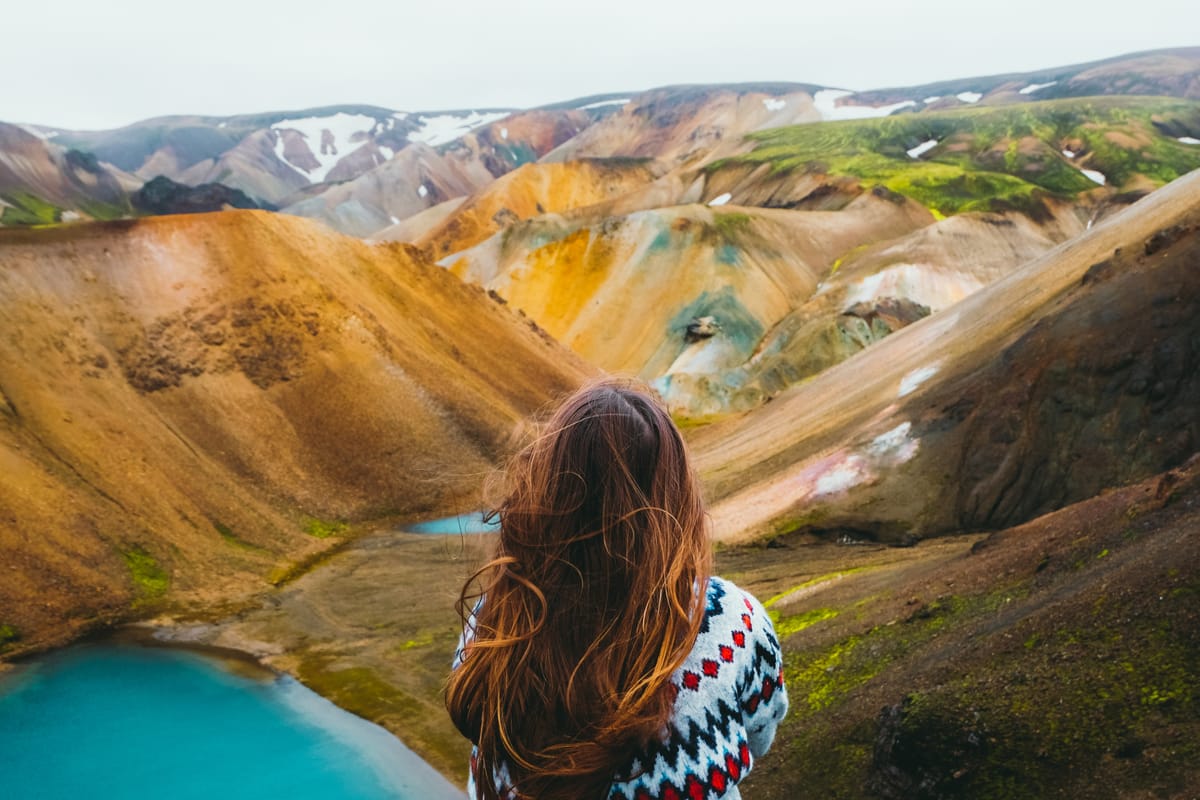
Traveling to Iceland is a dream for many adventurers. With stunning waterfalls, volcanic landscapes, geothermal lagoons, and rugged wilderness, the country feels like another world. But its beauty comes with unpredictability.
Iceland’s weather can change quickly, and its remote terrain means safety should be a priority. Whether exploring solo or on a guided trip, preparation is key to enjoying your journey safely.
This guide covers safe travel in Iceland, including weather tips, road safety, hiking precautions, family considerations, and emergency planning. We’ll also highlight how guided tours can simplify travel, offering peace of mind in challenging conditions.
The Importance of Safety in Iceland
Renowned as one of the safest countries in the world, Iceland’s safety concerns rarely involve crime. Instead, the true challenges lie in navigating its stunning yet unpredictable natural environment.
- Unpredictable Weather: Iceland’s weather can change in an instant, shifting from sunshine to rain, hail, or snow—all in a single day.
- Remote Locations: Many of the country’s iconic attractions are hours away from the nearest town or service station, making preparation essential.
- Natural Hazards: From glaciers and hot springs to black sand beaches and rugged cliffs, Iceland’s breathtaking landscapes can pose significant risks without proper precautions.
To ensure a safe and enjoyable experience, careful planning is key. Many travelers choose guided tours with experienced companies like The Iceland Tour Co., where professionals handle safety equipment, monitor weather conditions, and provide invaluable local expertise.
Weather-Smart Tips for Your Iceland Trip
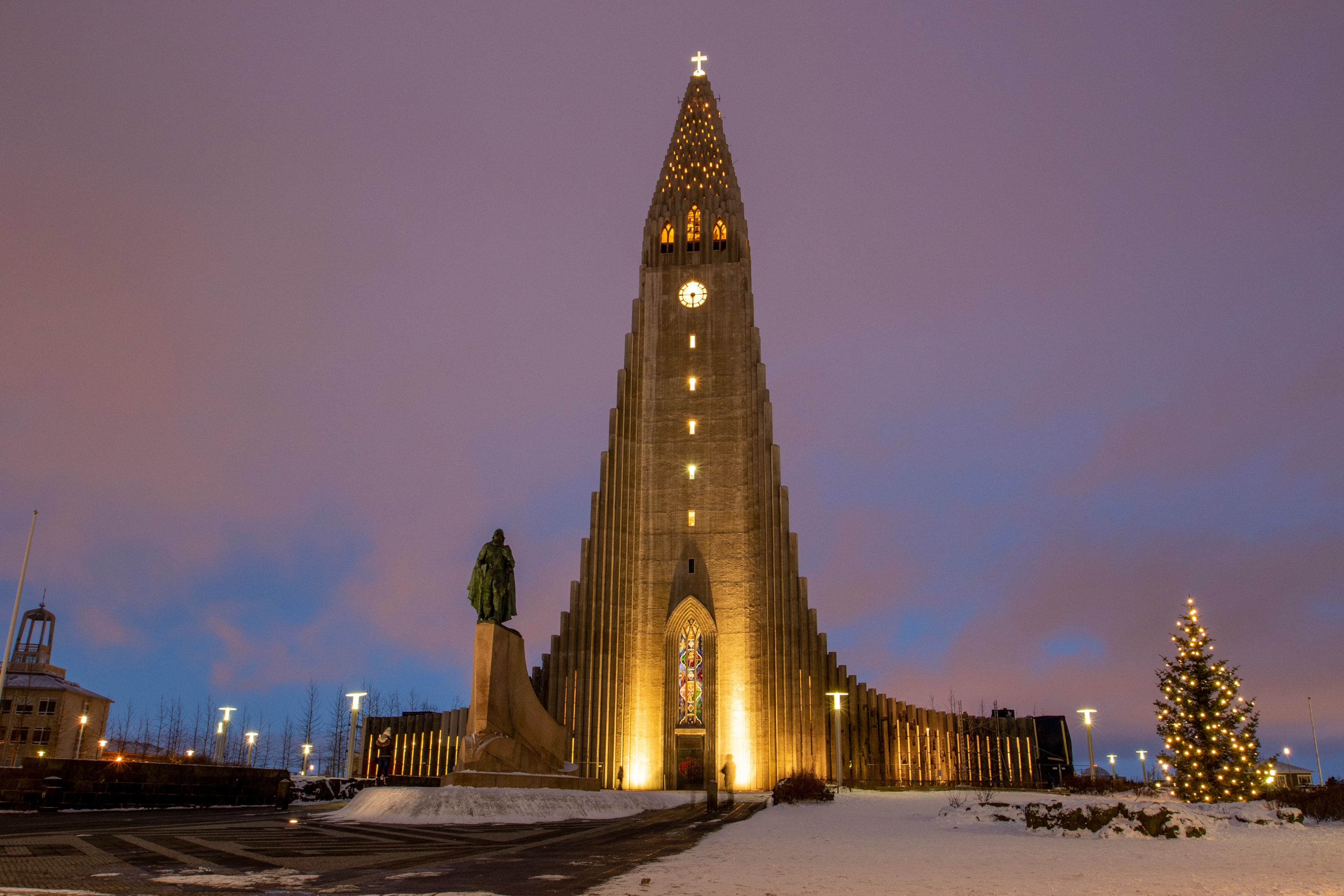
When planning a trip to Iceland, the weather should always be your top consideration. Being “weather-smart” means preparing for every possibility and staying safe while exploring this incredible destination. Here’s how to get ready for any conditions Iceland throws your way.
1. Dress in Layers
In Iceland, the saying goes: there’s no such thing as bad weather, only bad clothing. A smart outfit can make the difference between an enjoyable adventure and a miserable one. Follow this layering system to stay warm, dry, and comfortable:
- Base layer: Thermal underwear to wick away moisture and keep you warm.
- Middle layer: A fleece or wool sweater for insulation.
- Outer layer: A waterproof, windproof jacket to shield you from the elements.
Don’t forget sturdy, waterproof boots—essential for hiking, exploring waterfalls, or walking on icy trails. In colder months, pack hats, gloves, and a scarf to protect against the chill.
2. Check the Weather Forecast Frequently
Iceland’s weather is famously unpredictable, often changing within minutes. To avoid unpleasant surprises, check reliable sources like Vedur.is for up-to-date forecasts. And don’t stop at checking in the morning—review the forecast again before heading out in the afternoon. Staying informed is key to staying safe.
3. Heed Weather Warnings
When local authorities issue weather warnings for storms, high winds, or hazardous conditions, take them seriously. Many accidents occur when visitors ignore these alerts and underestimate Iceland’s powerful weather.
Instead of taking unnecessary risks, consider booking a guided tour with The Iceland Tour Co. Their experienced guides know how to navigate tricky conditions, ensuring your safety while delivering an unforgettable experience.
4. Know the Seasonal Differences
Iceland’s climate varies widely throughout the year, so understanding the weather by season will help you plan your trip and pack appropriately:
- Winter (October–March): Expect snow, icy roads, and shortened daylight hours. While it’s perfect for spotting the Northern Lights, extra caution is needed for driving and outdoor activities.
- Summer (June–August): Enjoy milder temperatures and nearly 24-hour daylight. Ideal for road trips and hiking with less risk of extreme weather.
- Spring/Autumn: These transitional seasons bring unpredictable conditions, from heavy rain to occasional storms. However, they also offer quieter, more unique travel experiences.
Iceland’s breathtaking landscapes are best enjoyed when you’re well-prepared for its ever-changing weather. With the right clothing, regular forecast checks, and respect for nature’s power, you can explore this extraordinary country safely and comfortably. Let your adventure begin!
Road Safety: Driving in Iceland
Exploring Iceland by car is an unforgettable adventure, offering the freedom to discover its stunning landscapes at your own pace. However, driving in Iceland comes with unique challenges that require careful preparation and awareness.
Gravel Roads and Single-Lane Bridges
Not all roads in Iceland are paved, and gravel roads are common, especially in rural areas. These surfaces can become slippery, particularly after rainfall, making it crucial to drive slowly and maintain full control of your vehicle.
Single-lane bridges are another distinctive feature of Iceland’s roads. When approaching one, always reduce your speed and yield to oncoming traffic if necessary. Patience and attentiveness at these crossings ensure a smoother and safer journey.
Stay Alert for Sheep and Wildlife
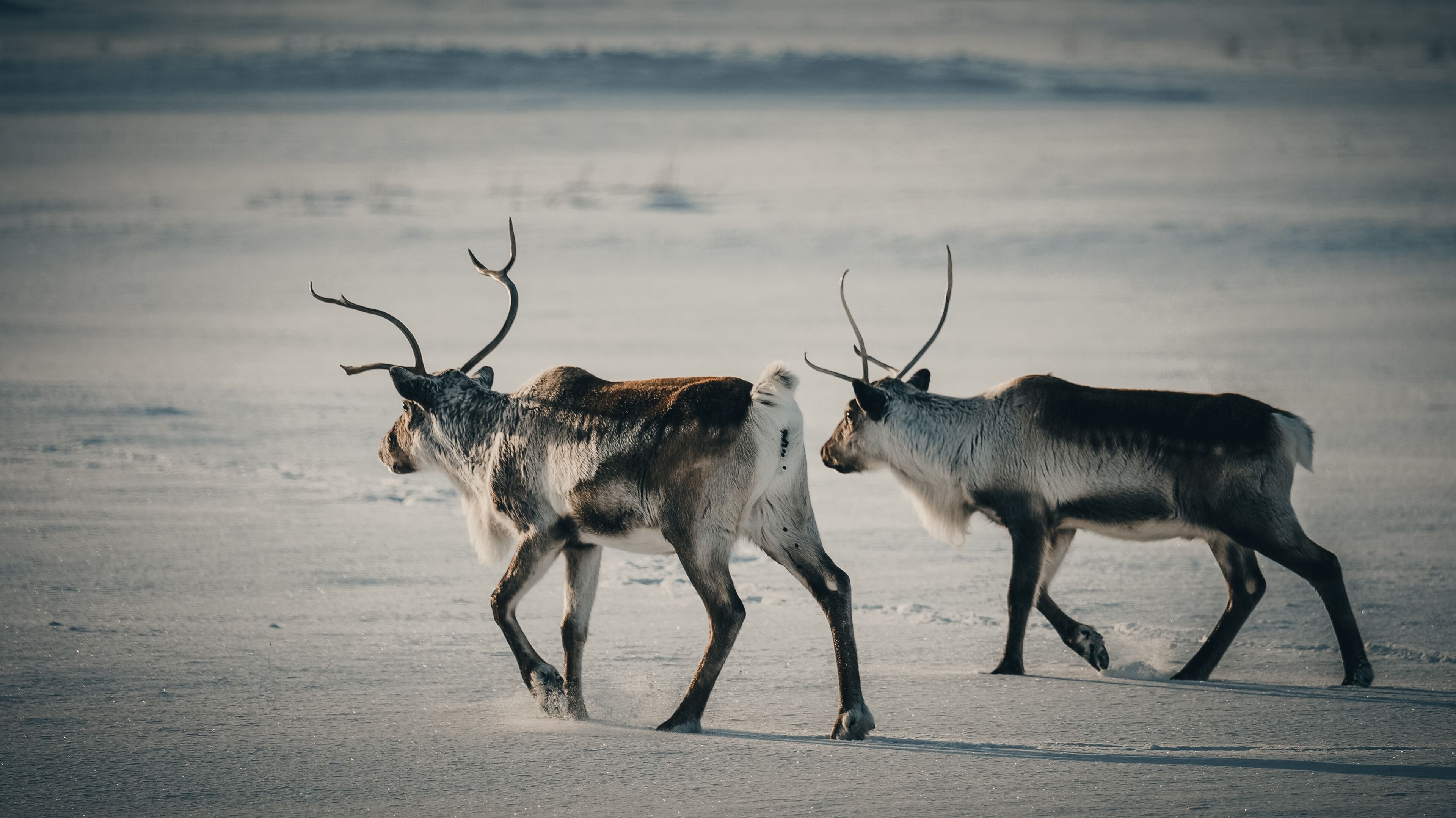
Sheep and other wildlife are a frequent sight on Iceland’s roads, particularly in rural areas where fencing is minimal. Animals often roam freely and can appear suddenly, requiring drivers to remain vigilant and ready to stop at a moment’s notice.
Pay extra attention in regions with open pastures, as these areas are hotspots for wandering animals. Staying alert not only helps protect wildlife but also ensures your safety on the road.
Adhere to Speed Limits
Iceland enforces strict speed limits to promote road safety. The maximum speed is 90 km/h on paved rural roads, 80 km/h on gravel roads, and 50 km/h in urban areas. Fines for speeding are steep, so it’s important to respect the limits.
Driving within the speed limits not only avoids penalties but also enhances safety, especially given Iceland’s unpredictable weather and road conditions. Always stay mindful of posted signs, as conditions can change quickly.
Winter Driving Precautions
Iceland’s winters bring icy and snow-covered roads, which can be challenging for drivers unfamiliar with such conditions. Navigating these roads safely requires experience and extra caution.
If you’re unsure about driving in winter, consider joining a guided tour or traveling with professional drivers. The Iceland Tour Co. offers expert transportation, letting you enjoy the breathtaking winter landscapes without the stress of navigating hazardous roads.
By taking these precautions and respecting Iceland’s unique driving conditions, you can enjoy a safe and unforgettable journey through this remarkable country.
Hiking Safety in Iceland
Iceland is a hiker’s paradise, but its trails can be deceiving and require careful preparation. Always stick to marked paths to protect the fragile moss and avoid accidents.
For longer treks like the Laugavegur Trail, which spans several days, ensure you’re well-prepared with maps, food, water, and a GPS. Glacier hikes, while stunning, are dangerous without a certified guide due to hidden crevasses. Professional tour groups provide safety gear such as helmets and crampons.
It’s equally important to know your limits. Iceland’s rugged landscapes can be unforgiving, and pushing beyond your fitness level can lead to serious risks. Rescue operations are costly and avoidable with proper planning. Respect the environment, prioritize safety, and enjoy Iceland’s breathtaking trails responsibly.
Ocean and Beach Safety
Iceland’s beaches are breathtakingly beautiful but can pose significant dangers. Staying informed and cautious is essential for a safe and enjoyable visit.
Reynisfjara Black Sand Beach
Reynisfjara is renowned for its otherworldly beauty, but it’s also infamous for its hazardous sneaker waves. These unpredictable waves can surge up the shore without warning, dragging unsuspecting visitors into the sea. Tragically, many accidents have occurred here.
To protect yourself, always maintain a safe distance from the water, even when the ocean appears calm. Admire the mesmerizing landscape from afar and follow all warning signs or guidance from local authorities.
Swimming in Natural Waters
Taking a dip in Iceland’s natural waters can be a memorable experience, but it comes with risks. Only swim in designated areas equipped with safety measures. While the allure of hot springs is undeniable, some pools reach dangerously high temperatures.
Before entering any natural water, check the temperature and confirm it’s safe for swimming. Follow local guidelines and prioritize your safety to fully enjoy Iceland’s geothermal wonders.
Boat Tours
Iceland is a dream destination for whale watching and puffin spotting, and boat tours are the perfect way to experience its vibrant marine life. However, safety should always be a priority.
Choose licensed operators with a proven track record for safety. Trusted companies, like the Iceland Tour Co., collaborate with reputable partners to ensure secure and enjoyable excursions.
Before booking, take the time to read reviews and verify the operator’s credentials. By doing so, you can marvel at Iceland’s wildlife with peace of mind, knowing you’re in expert hands.
Safety with Families and Children
Iceland is a fantastic destination for families, but parents should stay alert to ensure safety. Beaches and cliffs can be risky for children, so always hold their hands near waves and steep drops.
The unpredictable weather means kids should be dressed warmly with extra gloves, hats, and waterproof gear to stay comfortable. When exploring, stick to easy trails with clear paths, especially if traveling with younger children.
For a stress-free adventure, consider booking a family-oriented guided tour with The Iceland Tour Co. Their expert guides provide safe, engaging experiences tailored to kids’ needs.
Emergency and Health Tips
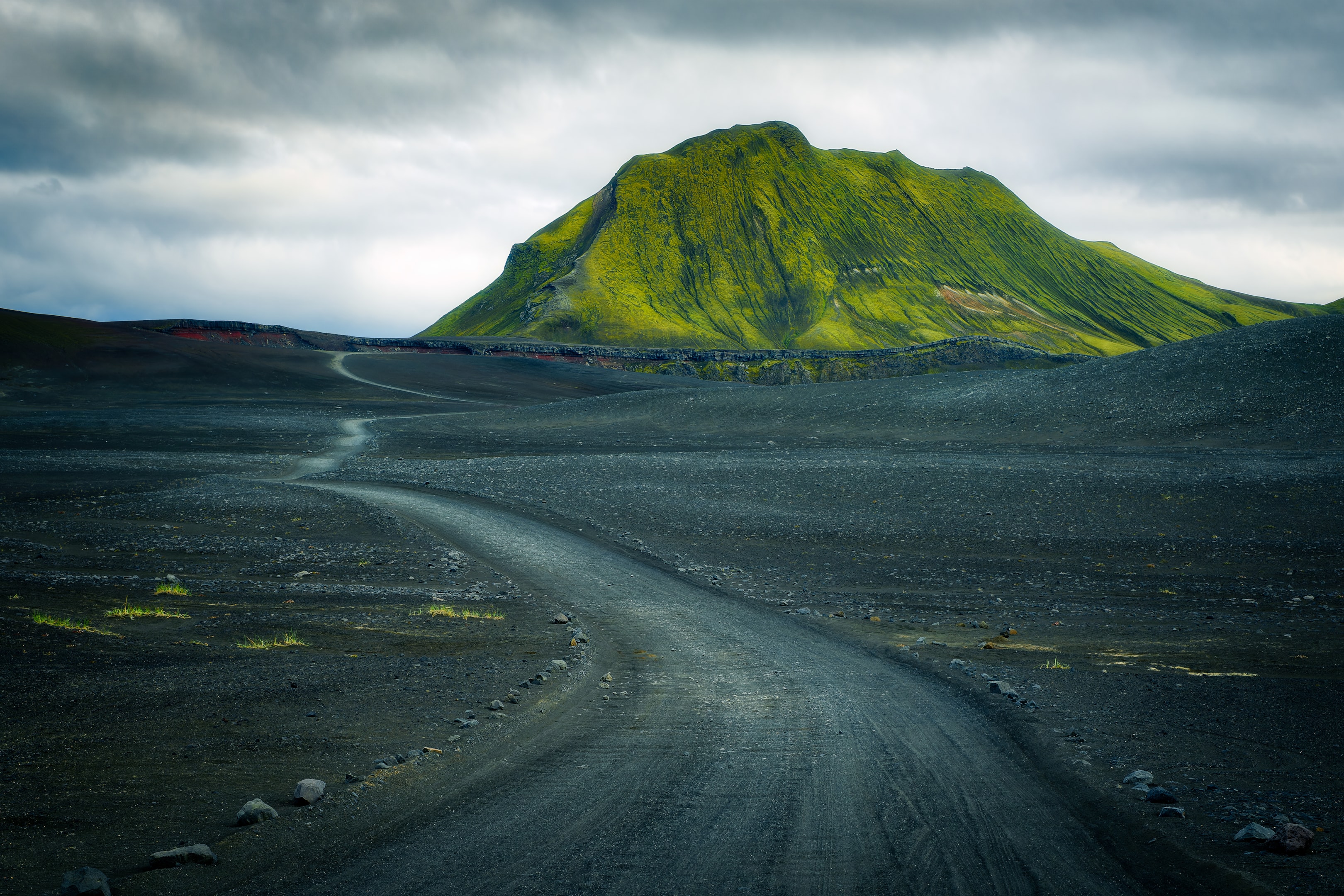
No matter how well you prepare, emergencies are always a possibility.
Emergency Number
In case of an emergency, dial 112 for police, fire, or rescue services. This is the universal emergency number in Iceland and should be your first point of contact during any urgent situation.
Keep this number on hand at all times, especially when exploring remote areas where help may not be readily available. Having quick access to 112 can make all the difference in a critical situation.
Download the 112 App
The 112 app is an essential tool for travelers in Iceland. It allows you to share your GPS location directly with rescue services, which can be lifesaving if you get lost or need immediate help.
Downloading this app before your trip ensures you are prepared for emergencies, particularly when venturing into Iceland's vast wilderness. It’s free and easy to use, so there’s no reason to skip this step.
Carry Travel Insurance
Medical care in Iceland is excellent, but it can be expensive if you don’t have travel insurance. Make sure to have a robust insurance plan that covers emergencies, especially if you’re planning outdoor activities.
Travel insurance not only covers medical expenses but also provides peace of mind during your trip. It's a small investment that can save you from significant financial strain.
Know Closest Services
If you’re traveling to rural areas in Iceland, keep in mind that hospitals and medical facilities may be limited. Reykjavik offers the largest and most comprehensive medical services in the country.
Before heading out, research the nearest healthcare facilities to your destination. Being informed about your surroundings can help you act quickly in case of an emergency.
The Safety Advantages of Guided Tours
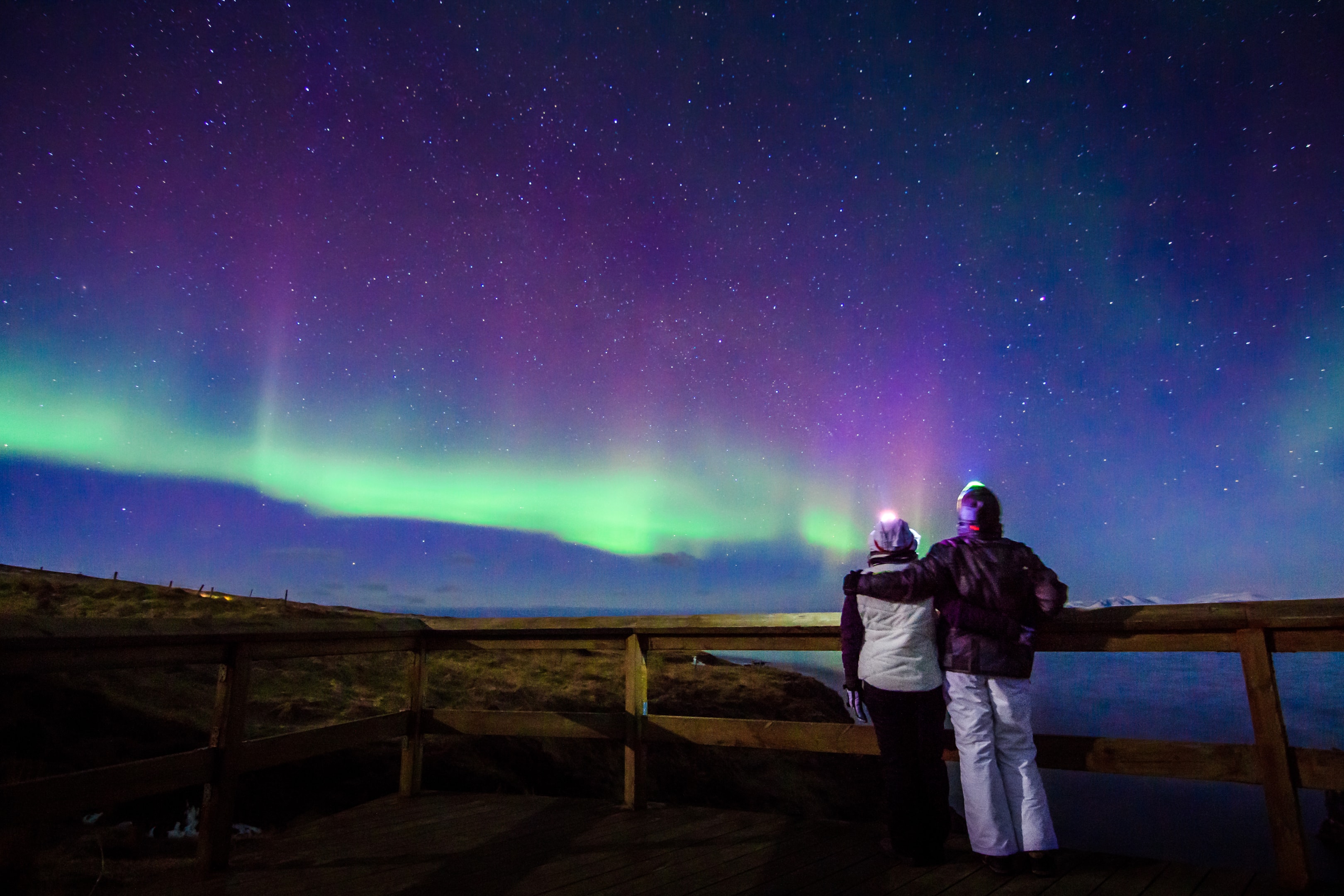
While self-driven adventures can be thrilling, guided tours offer unmatched convenience and safety. With experienced drivers and knowledgeable local guides, you gain the benefit of their expertise in navigating road conditions and unpredictable weather, ensuring a stress-free journey.
Guided tours also provide essential safety gear—helmets, crampons, and other protective equipment—so you’re fully prepared for every activity without the hassle of sourcing it yourself.
When you travel with The Iceland Tour Co., you can sit back, relax, and take in the stunning landscapes while skilled guides manage all safety logistics, from first aid readiness to real-time weather monitoring. Enjoy the adventure with complete peace of mind.
Weather Smart Packing Checklist
- Waterproof jacket and pants
- Thermal base layers
- Wool sweaters
- Sturdy hiking boots
- Gloves, hat, and scarf
- Sunglasses (for snow glare in winter)
- Reusable water bottle
- Snacks for long road trips
- Phone with offline maps
FAQs
What are the most essential travel tips when visiting Iceland?
Some of the best Iceland travel tips include respecting nature, planning ahead, and knowing that bottled water isn’t necessary since tap water is safe across the entire country. Whether exploring Thingvellir National Park, the Golden Circle, or geothermal pools, common sense and Icelandic etiquette go a long way toward ensuring safe dream trips.
How should I prepare for driving in Iceland?
Car rental companies remind travelers never to drive off road, as off road driving damages wild nature and is illegal. Stick to the Ring Road and avoid rough terrain unless you have a rental car approved for F roads. Gas stations are spread out, so plan ahead. For self drive trips, check road closures in winter and use public transport or organized tours if conditions worsen.
Are there safety tips for natural attractions like lagoons and hot springs?
Yes, glacier lagoons such as Jökulsárlón Glacier Lagoon and natural hot springs require caution. Swimming pools and the Blue Lagoon have walking paths and safety rules, while wild camping near these sites is discouraged.
How can families and travelers save money and stay safe?
Pack your own meals for day trips, support local communities by visiting family-run spots in north or south Iceland, and note that major credit cards are accepted. Pleasant weather in summer with midnight sun allows travel plans to cover hidden gems just a few hours drive from Keflavík International Airport.
Conclusion
Iceland’s raw beauty is unforgettable, but its landscapes demand respect. From sudden storms to powerful waves, safety should always be your first priority. Preparing with the right gear, staying informed about weather, and following expert advice are essential steps for every traveler.
While independent adventures are possible, many visitors find guided excursions make their journeys safer and more enjoyable. The Iceland Tour Co. offers carefully planned trips where expert guides manage the challenges of Iceland’s unpredictable conditions, allowing travelers to focus on discovery, wonder, and creating lasting memories.
By staying prepared and weather smart, your Iceland adventure will not only be safe—it will be unforgettable.