The Ultimate Guide to Icelandic Horse Riding: Tours, Etiquette & What to Expect
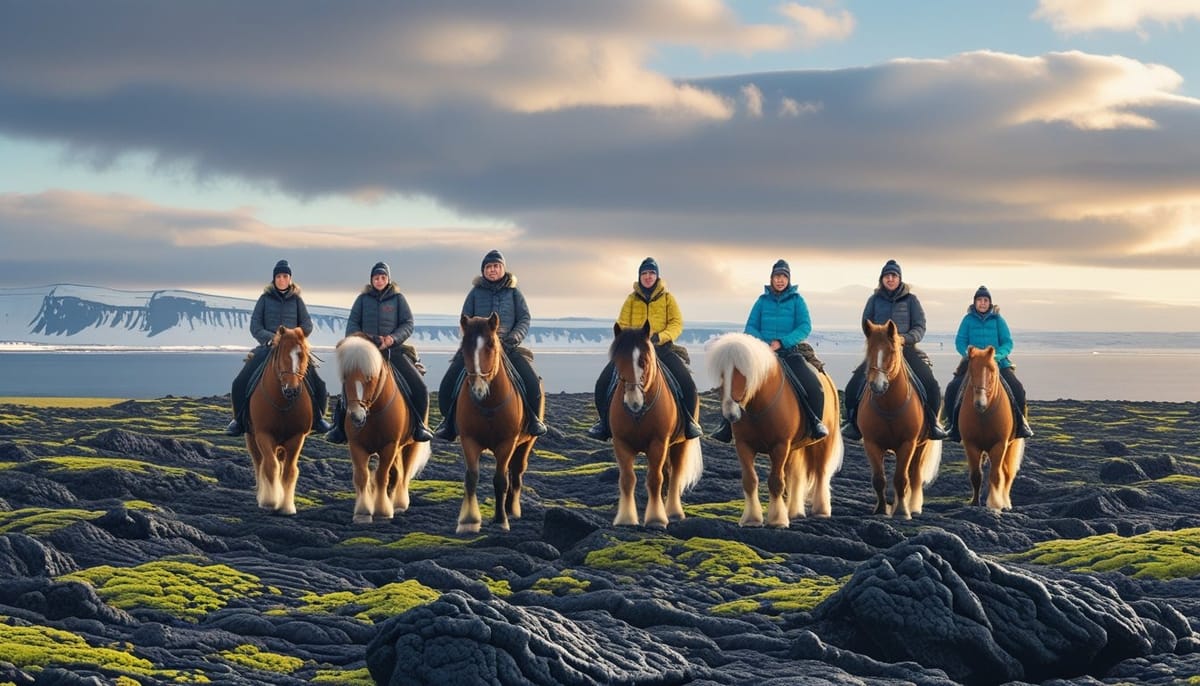
Riding an Icelandic horse is one of the most authentic experiences you can have in Iceland. These remarkable animals are not only famous for their friendly nature but also for their unique gaits, including the smooth tölt that makes long rides especially comfortable.
Whether you’re a beginner looking for a short trek across lava fields or an experienced rider eager for a multi-day adventure through rugged highlands, there’s a tour designed for you. Beyond the thrill of riding, understanding basic etiquette—such as respecting the horses, following guide instructions, and embracing Iceland’s biosecurity rules—ensures a safe and memorable journey.
This ultimate guide walks you through tour options, cultural etiquette, and everything you can expect when exploring Iceland from the saddle.
Why Icelandic Horses Are Special
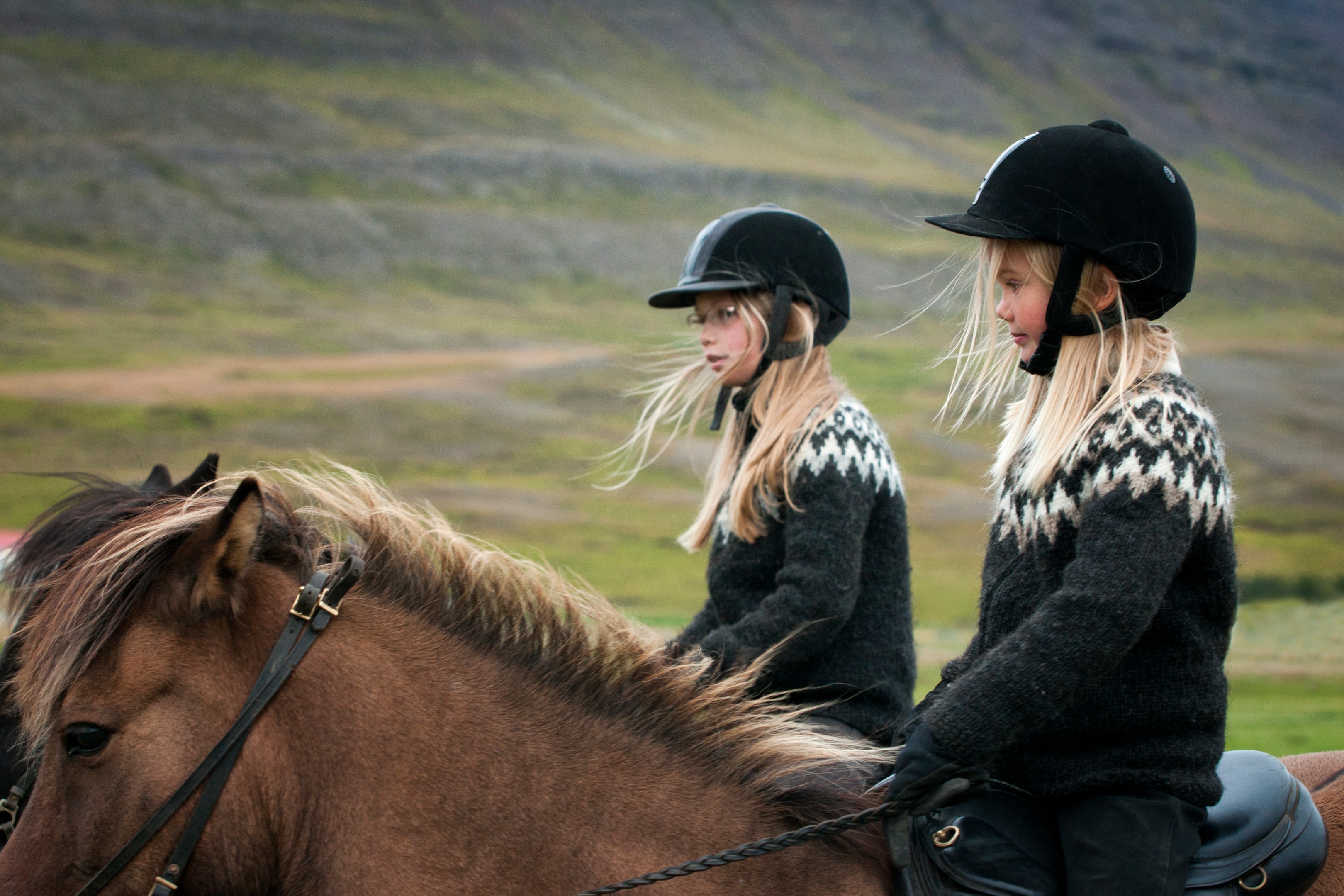
The Icelandic horse is more than just a breed—it’s a living symbol of the country’s culture, history, and landscapes. Brought to Iceland by early Norse settlers over a thousand years ago, these horses have remained purebred ever since, as no other horse breeds are allowed into the country. This isolation has preserved their unique characteristics, making riding in Iceland unlike any other equestrian experience.
Unique Traits and Gaits
Despite their small stature, Icelandic horses are incredibly strong, sure-footed, and known for their friendly temperament. They possess two unique gaits in addition to the standard walk, trot, and canter: the tölt and the flying pace. The tölt, in particular, is smooth and comfortable, allowing riders to cover long distances without fatigue. When you ride Icelandic horses, you quickly notice how effortless and enjoyable the experience feels, even for beginners.
A Cultural Connection
For Icelanders, horses are companions, workers, and a deep part of tradition. Festivals, folklore, and daily life all celebrate their significance. Taking a horseback riding tour gives visitors a chance to connect with this heritage while exploring Iceland’s dramatic scenery. You might ride through volcanic landscapes, across rivers, or even past steaming hot springs, blending cultural immersion with outdoor adventure.
Prepared for the Elements
Because the weather can shift rapidly, proper preparation is essential for riding in Iceland. Tour operators usually provide helmets, but you’ll want to bring warm layers, sturdy shoes, and suitable riding clothes. Some companies advise against bringing your own riding gear because of strict biosecurity laws designed to protect Icelandic horses from outside diseases.
Instead, sanitized equipment is offered on-site. Packing rain gear is also important—whether you’re exploring the South Coast or heading inland, sudden showers are common.
Why They’re Perfect for Travelers
Icelandic horses are known for being approachable and patient, which makes them ideal for novice riders as well as experienced equestrians. Families, couples, and solo travelers can all enjoy the experience of a ride in Iceland without needing extensive training. From short treks near Reykjavík to longer journeys into the countryside, there’s always a perfect riding tour to match your level and interest.
More Than Just a Ride
To ride horses in Iceland is to embrace the spirit of the land. Whether passing glaciers, lava fields, or bubbling hot springs, the connection between rider, horse, and nature creates unforgettable memories. A ride in Iceland isn’t just transportation—it’s a journey into the heart of the country’s identity.
Types of Horse Riding Tours in Iceland
- Short Tours (1–3 hours)
- Perfect for beginners and families.
- Usually take place near Reykjavík or popular countryside stables.
- A chance to ride Icelandic horses across lava fields, meadows, or rivers.
- Half-Day & Full-Day Tours
- Ideal for travelers wanting more time in the saddle.
- Routes often include scenic stops, storytelling, or visits to hot springs.
- Great way to experience the smooth tölt gait over longer distances.
- Multi-Day Adventures
- Designed for experienced riders.
- Cover remote highlands, valleys, and traditional trails.
- Include overnight stays in guesthouses or camping for a cultural immersion.
- Specialized Tours
- Unique settings like black sand beaches, glacier landscapes, or the Snæfellsnes Peninsula.
- Combine stunning scenery with horseback adventure.
- Custom & Seasonal Rides
- Options vary by season—summer tours may last longer under midnight sun, while winter offers snowy landscapes.
What to Expect on a Horse Riding Tour
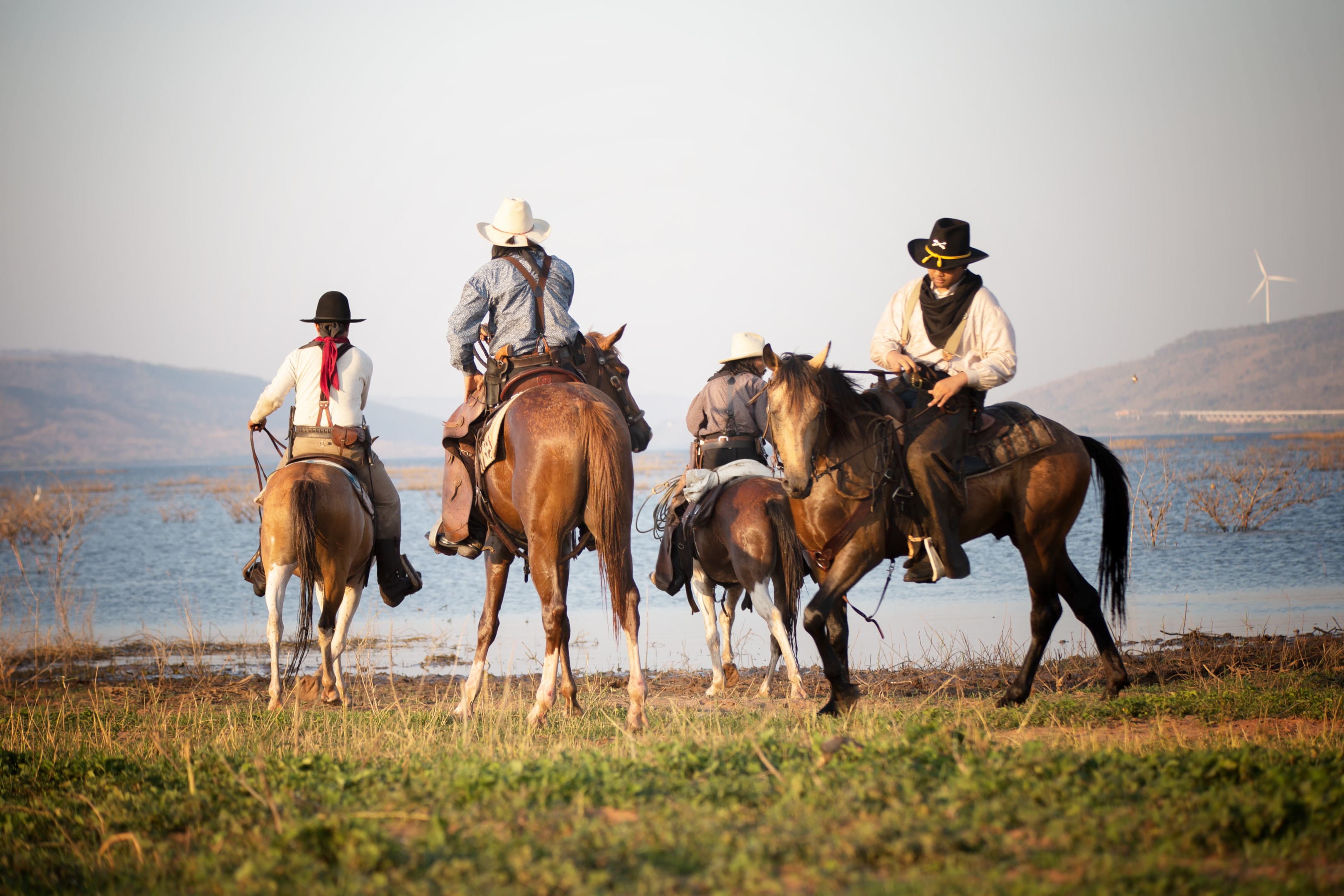
Joining a horse riding tour in Iceland is one of the best ways to connect with the country’s landscapes and traditions. Whether you’re a beginner or one of the more experienced riders, most tours follow a similar structure designed to keep the experience safe, enjoyable, and memorable.
Warm Welcome and Preparation
Tours typically begin at a local stable, where guides greet you and introduce you to the horses. Every participant is matched with a suitable horse based on their size, experience level, and confidence. Before setting out, guides provide essential riding equipment such as helmets and, in some cases, boots and gloves. This ensures everyone is comfortable and ready to ride in Iceland’s changing weather conditions.
Safety and Instruction
Before heading into the countryside, guides often give a short briefing on how to handle the horses. For beginners, basic riding lessons—like how to hold the reins, mount, and control speed—are provided. More experienced riders may receive tips on trying the unique tölt gait or even attempting the flying pace on certain routes.
The Ride Itself
Once on the trail, you’ll quickly notice the calm temperament of Icelandic horses. Groups usually ride in single file, led by a knowledgeable guide who ensures everyone keeps a steady pace. The ride may pass through lava fields, rivers, farmland, or even coastal paths, giving you direct access to Iceland’s natural beauty. Tours vary in length, with shorter rides lasting an hour or two and longer excursions stretching into full days.
Flexibility and Tour Options
Many stables offer private tours for those who prefer smaller groups or customized itineraries. These are great for families, couples, or advanced riders looking for a more adventurous ride tailored to their skills. Group tours are the most common and provide a social atmosphere while still maintaining plenty of personal attention from guides.
Lasting Impressions
By the end of your tour, you’ll likely feel a strong bond with the horse you rode and a deeper connection to the land itself. From beginner-friendly treks to advanced rides, the combination of welcoming guides, gentle horses, and breathtaking scenery makes every journey unforgettable. Horseback riding in Iceland is not just about the thrill of movement—it’s about immersing yourself in a tradition that celebrates harmony with nature.
Essential Horse Riding Etiquette
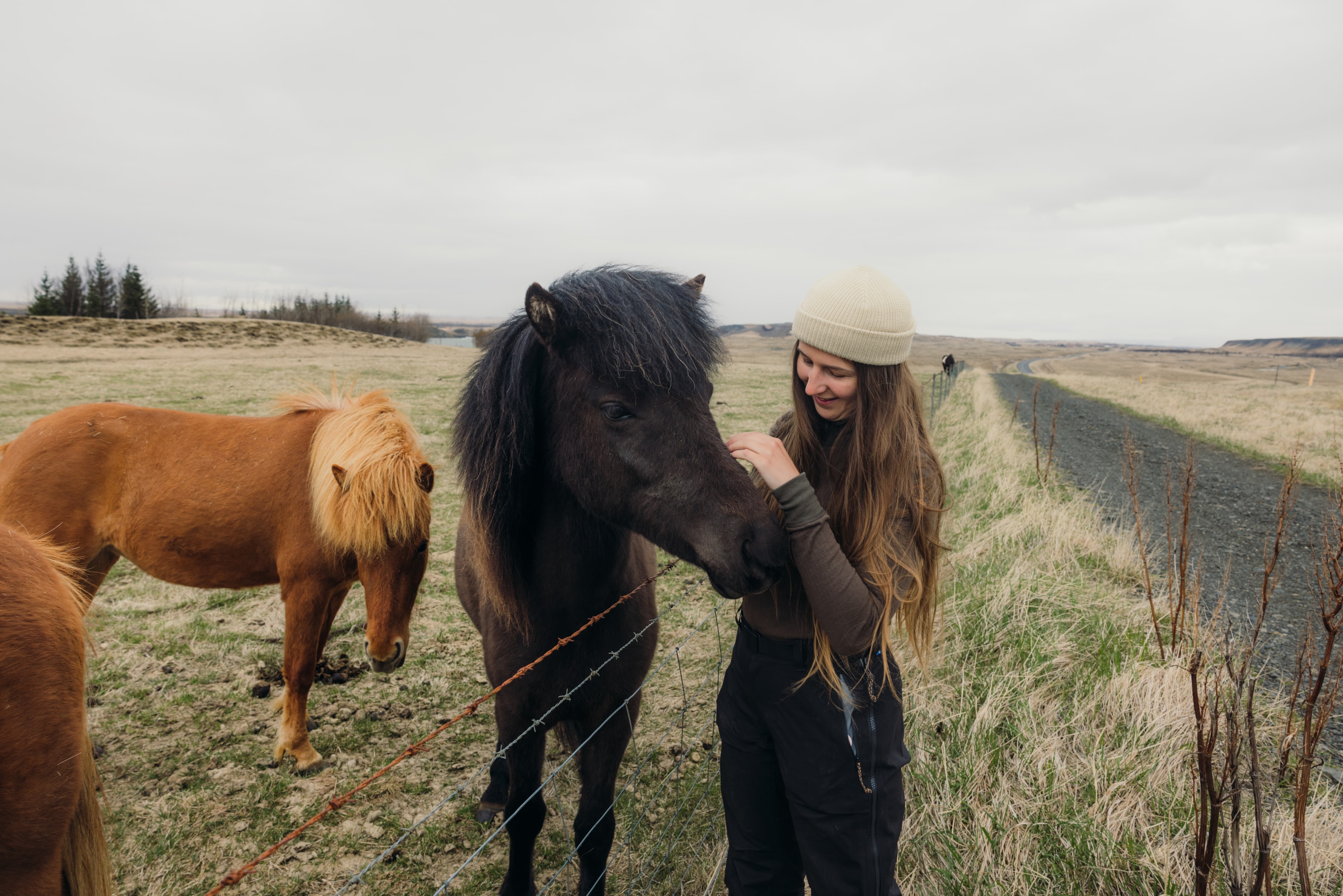
When joining a horse riding tour in Iceland, you’re not just signing up for an outdoor adventure—you’re stepping into a tradition that locals deeply respect. Icelandic horses are treasured for their history, temperament, and unique gaits, and both riders and tour operators follow rules designed to keep the animals, people, and landscapes safe.
Understanding basic etiquette ensures your experience is smooth, respectful, and enjoyable, whether you’re a first-time rider or someone more seasoned.
1. Respect the Horses
The first rule of etiquette is to treat the horses with care and respect. Icelandic horses are friendly and calm, but they’re still living beings that deserve gentle handling. Never approach a horse from behind without alerting it, as this can startle even the calmest animal. Avoid loud noises, sudden movements, or rough pulling of reins. Feeding horses without the guide’s permission is also discouraged; their diets are carefully managed, and outside food may harm them.
2. Follow the Guide’s Instructions
Every riding tour is led by experienced guides who know the horses and the terrain. Listening carefully to their instructions is critical. This includes mounting and dismounting techniques, how to sit in the saddle, how to control speed, and what to do if your horse becomes distracted. During the ride, guides often set the pace based on the group’s comfort level. Following their lead ensures everyone stays safe and the horses remain calm.
3. Maintain Riding Order and Spacing
Most tours ride in a line, with the guide at the front. Horses are herd animals, and keeping order prevents unnecessary stress or competition. Maintain a safe distance between your horse and the one in front to avoid sudden kicking or crowding. Riders should avoid racing ahead or lagging behind, as this disrupts the rhythm of the group. Even if you’re tempted to try a faster gait, wait until the guide gives permission.
4. Be Mindful of Biosecurity Rules
One of the most important aspects of horse riding in Iceland is protecting the breed. Icelandic horses are highly protected from foreign diseases, and strict biosecurity rules are in place. Riders are not allowed to bring own riding gear such as used boots, saddles, or clothing from abroad unless it has been thoroughly disinfected.
This measure ensures Iceland’s horses remain healthy and free from illnesses found in other countries. Always use the sanitized gear provided by the tour operator unless you’ve verified your personal items meet the guidelines.
5. Dress Appropriately for the Ride
Proper attire is also part of etiquette. Riders should wear sturdy shoes or boots with a small heel for safety, along with comfortable riding clothes suited to the weather. In Iceland, conditions can change quickly, so layering is essential. Always bring waterproof layers or rain gear to stay dry in sudden showers. Avoid wearing loose scarves, dangling accessories, or anything that could flap in the wind and spook the horse. Dressing appropriately ensures both safety and comfort for you and the animal.
6. Stay Aware and Present
Good etiquette also means staying attentive. Keep your phone use minimal while riding; if you’d like to take photos, ask the guide when it’s safe to stop. Avoid distractions that could cause you to lose control of the reins.
Staying present during the ride not only protects you and your horse but also allows you to fully enjoy the unique experience of riding in Iceland through landscapes of lava fields, rivers, and sometimes even near hot springs.
7. Show Courtesy to Other Riders
A tour is often shared with fellow travelers, so respect their experience as well. Keep noise levels reasonable, don’t crowd others, and be patient if someone in the group is less confident. Everyone’s comfort and safety depends on cooperation and courtesy.
8. End with Gratitude
At the end of your ride, dismount carefully and thank both your guide and your horse. Many riders enjoy giving their horse a gentle pat as a sign of appreciation. This small gesture reflects the respect Icelanders have for their horses and helps you leave the experience on a positive note.
Horse riding etiquette in Iceland is about balance: respect for the animals, attentiveness to the guides, and consideration for your fellow riders. These simple but important practices protect the health of Icelandic horses, keep the tours safe, and ensure you can fully embrace the joy of riding. By following etiquette, you don’t just participate in a perfect riding tour—you become part of a tradition that honors Iceland’s heritage and its extraordinary horses.
Who Can Join a Horse Riding Tour?
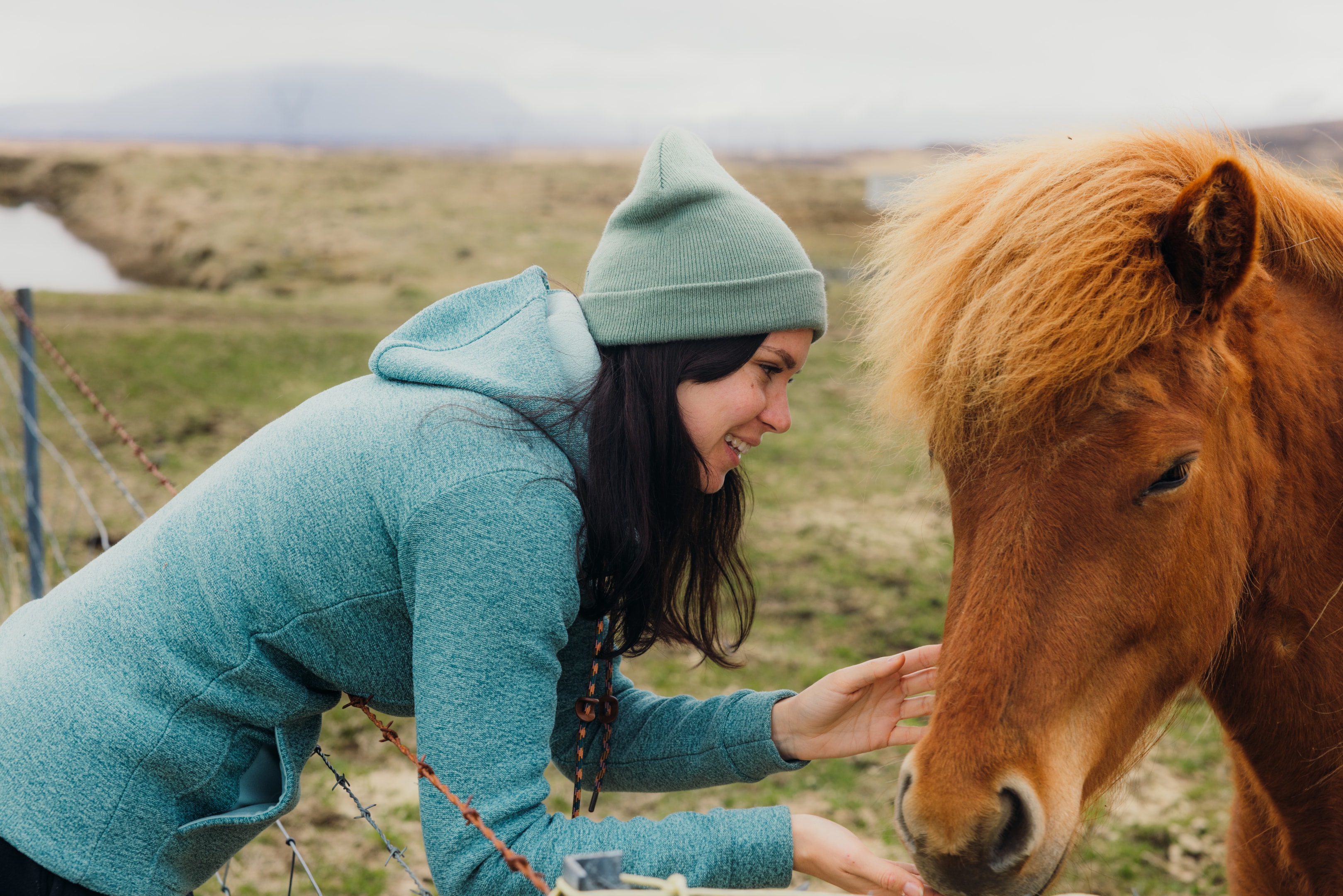
One of the best things about riding in Iceland is that horse riding tours are designed for nearly everyone. Icelandic horses are known for their gentle temperament, steady movements, and smaller size compared to other breeds, which makes them approachable for beginners, children, and nervous riders. Most tour operators welcome riders as young as 7 or 8 years old, provided they can follow instructions and handle the basics of being in the saddle.
For adults, both first-time riders and more experienced riders will find tours that suit their level. Beginners can join short treks on calm trails, while advanced riders may choose a faster, more adventurous ride with opportunities to try the tölt gait. Age is rarely a barrier—seniors often enjoy tours, especially those at a slower pace.
That said, a reasonable level of fitness is required, since spending time in the saddle can be physically demanding. Weight limits may also apply for the safety of both rider and horse. Travelers with specific needs can book private tours, which provide a more customized pace. With options ranging from one-hour rides to multi-day adventures, there’s a suitable horse riding experience in Iceland for nearly every traveler.
Practical Tips for First-Time Riders

Joining a horse riding tour in Iceland can feel exciting, but if it’s your first time, it’s natural to feel a little nervous. Thankfully, Icelandic horses are famous for their calm temperament, making them an excellent choice for beginners. With a little preparation, your first experience can be safe, comfortable, and unforgettable.
Dress Smart for the Weather
Iceland’s climate is famously unpredictable, so wearing the right clothing is essential. Choose layered riding clothes that keep you warm but allow flexibility. Always bring a waterproof jacket and rain gear, as conditions can change quickly. Avoid loose scarves or accessories that might flap and startle the horse. Comfortable shoes or boots with a small heel are best, as they provide grip in the stirrups.
Listen to Your Guide
Guides are there to help, so pay close attention to their instructions. They’ll show you how to mount, hold the reins, and stay balanced. Even if you’re on a short horseback riding tour, your safety depends on following directions carefully.
Trust Your Horse
Each participant is matched with a suitable horse based on their size and confidence level. Icelandic horses are steady and sure-footed, so relax and trust them to do their job. Don’t tug harshly on the reins; gentle guidance is all that’s needed.
Start Slow
If you’re offered the chance to try the tölt gait, give it a go—it’s smooth and far easier than you might expect. But remember, you don’t need to rush. A slow-paced ride lets you soak in Iceland’s dramatic scenery, from lava fields to steaming hot springs.
Capture Memories Safely
It’s tempting to take photos while riding, but it’s safer to wait until the group stops. Ask your guide when it’s okay to snap pictures of the landscape or your horse.
By dressing properly, listening closely, and staying relaxed, first-time riders can fully enjoy the unique experience of riding in Iceland. It’s not just about the ride—it’s about connecting with nature, the horses, and Iceland’s heritage.
The Joy of Riding Through Icelandic Landscapes
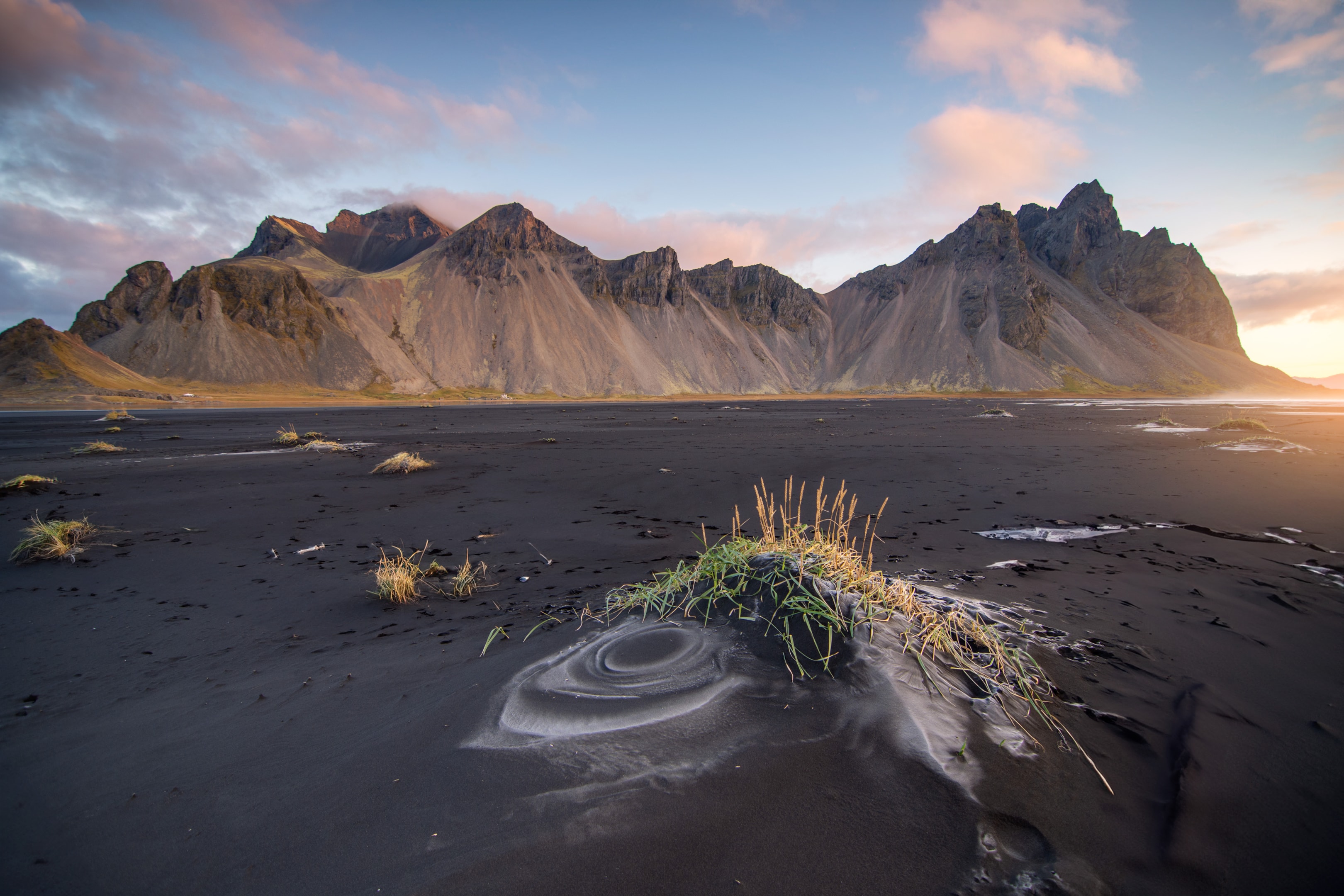
Few experiences compare to the feeling of exploring Iceland on horseback. The country’s landscapes are dramatic, diverse, and ever-changing, and seeing them from the saddle offers a perspective that cars and buses cannot match. A horse’s gentle pace allows riders to slow down, breathe in the fresh air, and absorb the scenery in a more intimate way.
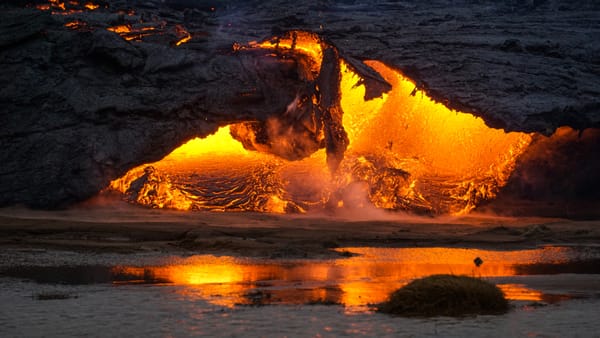
Imagine riding across ancient lava fields, the dark rock stretching for miles under a wide Arctic sky. On another tour, you might cross shallow rivers or follow trails that lead to steaming hot springs, where the land bubbles with geothermal energy. Along the South Coast, riders often travel close to waterfalls or venture toward the famous black sand beaches, their waves crashing just beyond the shore.
Icelandic horses, known for their tölt gait, make long rides especially enjoyable. Their smooth stride allows you to relax in the saddle while still covering impressive distances. Whether you’re a beginner on a short trek or joining a multi day tour into remote valleys, the horses’ calm temperament keeps the focus on the journey.
Perhaps the greatest joy is the connection created: rider, horse, and nature moving together through landscapes shaped by fire and ice. Every ride in Iceland feels like a step back in time, offering not only adventure but also a deeper appreciation for the island’s unique beauty and heritage.
FAQs
What should I expect when joining an Icelandic horse riding tour?
Tours often include a safety briefing, safety equipment, and guidance on riding boots. Riders travel through stunning lava fields, fishing villages, and even Thingvellir National Park along the Golden Circle. Small group tours allow for a smoother experience with friendly horses and more personal attention from the tour provider.
How do I prepare for the ride in Icelandic nature?
Visiting Iceland means preparing for year round conditions. Warm clothing, a hot drink afterward, and following safety rules keep riders comfortable. Tour companies often recommend speaking with your tour provider ahead to confirm the right gear and coverage, especially in areas near the Arctic Circle.
What makes Icelandic horses unique?
Icelandic people are proud of these friendly horses, known for their smooth gait and four beat gait, introduced by the first Norse settlers. Their unique qualities make riding across Icelandic nature an unforgettable experience.
Can horse riding tours be combined with other activities?
Yes. Many tours include natural hot springs, many natural hot springs near Gullfoss Waterfall, or even northern lights trips, letting visitors experience Icelandic culture beyond horseback riding.
Conclusion
Riding an Icelandic horse is far more than just a tour—it’s a cultural experience that connects travelers to the country’s history, landscapes, and traditions. From short beginner treks to multi day tours across the highlands, there’s a horseback journey suitable for everyone. Knowing what to expect, dressing in the right gear, and following proper etiquette ensures both rider and horse enjoy the adventure.
Whether you’re passing glaciers, crossing rivers, or riding near steaming hot springs, the calm temperament of these unique horses makes every moment memorable. By choosing a tour that fits your level, you’ll discover not only the thrill of riding in Iceland but also the joy of sharing in its timeless heritage.