Reykjavík Food Guide: Top Restaurants and Must-Try Icelandic Dishes
Reykjavík is a city where food reflects both tradition and modern curiosity. Icelandic cuisine has evolved through centuries of relying on what the sea, land and climate provide, yet today it feels contemporary, confident and precise. Much of the country’s character appears on the plate: clean flavors, seasonal ingredients and thoughtful simplicity. In Reykjavík, even small cafés pay attention to the rhythm of the day, while the city’s most refined restaurants explore Iceland’s ingredients with calm sophistication.
This guide presents a curated look at Reykjavík’s culinary landscape. It offers clarity about where to eat, what to taste and how to experience the city’s food culture in a way that feels grounded and meaningful. It includes local specialties, modern interpretations and the Iceland Tour Company experiences that bring flavor into the center of your weekend. The goal is not to chase every trend but to explore Iceland through dishes that reveal place, season and craft.
The Philosophy Behind Icelandic Cuisine
Understanding Icelandic food begins with the environment. The island’s volcanic soil, cold waters and short growing seasons demand intention. Ingredients are respected not because they are rare, but because they carry the taste of the landscape itself.
Key culinary elements:
- Pure waters create clean-tasting fish and seafood.
- Geothermal energy allows for unexpected greenhouse-grown vegetables, such as the tomatoes at Friðheimar.
- Pasture-raised lamb develops tenderness and depth of flavor from grazing freely on moss, wild herbs and mountain grasses.
- Dairy traditions remain strong, most notably through skyr, a cultured yogurt traditionally eaten plain or with berries.
- Preservation methods like drying, smoking, salting and fermenting reflect Iceland’s history of long winters and seafaring culture.
Modern Icelandic cuisine takes these foundations and elevates them through technique, precision and a careful approach to flavor. The result is a dining culture that is both understated and confident.
Must-Try Icelandic Dishes
The following dishes offer insight into Iceland’s culinary identity, showcasing its journey from survival-based traditions to a sophisticated, modern food scene. Some of these are traditional, others are more contemporary, but all reflect the country’s natural resources and evolving palate.
Icelandic Lamb
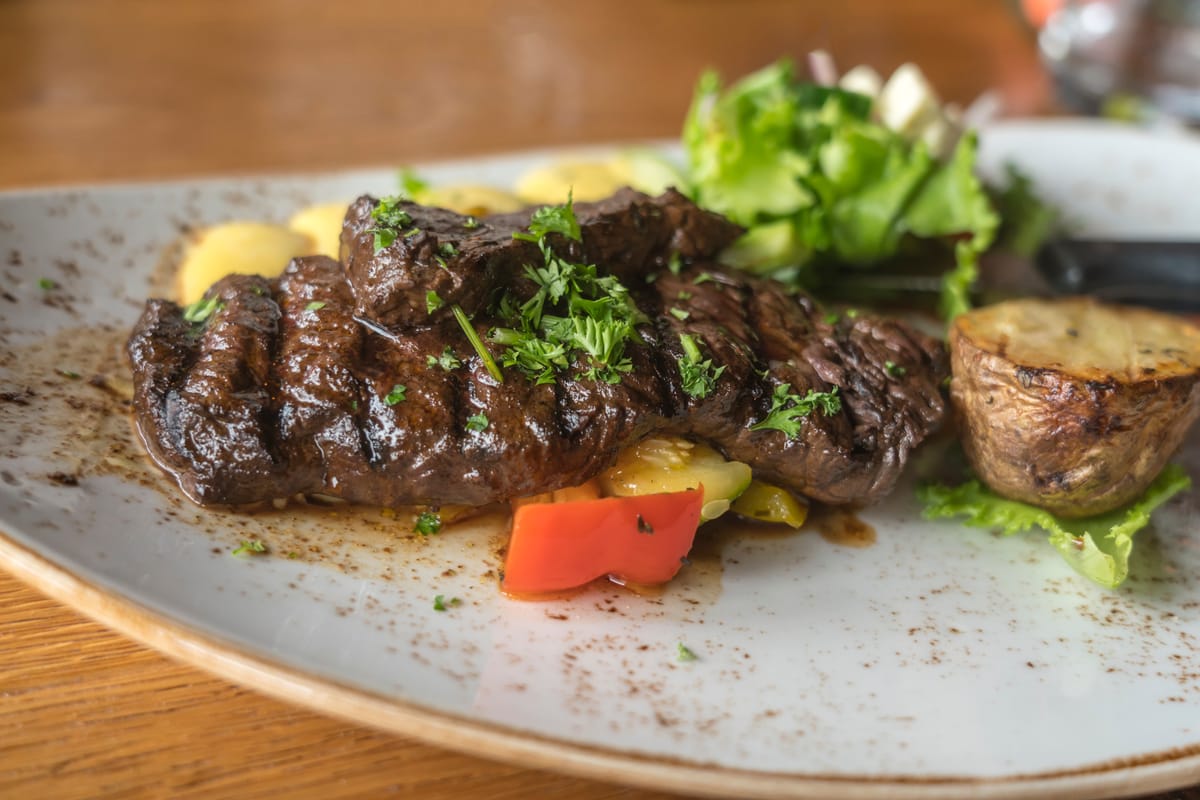
Perhaps the most defining ingredient in Icelandic cuisine, local lamb is known for being exceptionally mild, tender, and aromatic. This distinct quality comes from the animals' natural diet, grazing freely on the wild herbs and grasses of the countryside. Whether you enjoy it as a slow-cooked shoulder that falls off the bone, a perfectly grilled loin, or in a warming, hearty stew known as kjötsúpa, the lamb carries the very essence of the Icelandic landscape.
Fresh Atlantic Cod
Cod is central to Icelandic history and its economy for centuries. Its flavor is delicate and clean, best showcased when prepared simply—whether poached, pan-seared, or baked. Many of Reykjavík’s top restaurants treat cod with the same reverence and respect typically reserved for fine cuts of meat, celebrating its flaky texture and subtle taste.
Arctic Char
Falling somewhere between salmon and trout in both texture and flavor, Arctic char is a freshwater fish that thrives in Iceland's cold, clear waters. It is often served smoked or lightly grilled to preserve its delicate nature. The flavor profile is clean and refined, making it an ideal pairing with fresh herbs, a squeeze of citrus, or light, buttery sauces.
Skyr
A staple of the Icelandic diet for over a thousand years, skyr is a cultured dairy product with a texture similar to thick Greek yogurt but a distinctly milder, less tart flavor. It is an incredibly versatile ingredient, commonly served with sweet berries, a drizzle of honey, or crunchy granola for breakfast. It also makes for a calm, refreshing, and healthy dessert.
Rye Bread (Rúgbrauð)
This dark, dense bread is a cornerstone of Icelandic food culture. It is traditionally baked underground in special casks, using the natural geothermal heat of the earth. The slow, gentle baking process gives rúgbrauð its characteristic dense texture and slightly sweet flavor. It is most often enjoyed simply, spread with butter, or topped with smoked fish or a slice of local cheese.
Icelandic Hot Dog (Pylsa)
A surprisingly iconic and casual staple, the Icelandic hot dog is a must-try for any visitor. The unique flavor comes from a blend of lamb, pork, and beef. To experience it like a local, order it eina með öllu—"with everything"—which includes raw onions, crispy fried onions, ketchup, sweet brown mustard, and a creamy remoulade sauce called remúlaði.
Plokkfiskur
This is the ultimate Icelandic comfort food. Plokkfiskur is a simple yet deeply satisfying fish stew, traditionally made with mashed boiled fish (usually cod or haddock), potatoes, onion, and a rich cream or béchamel sauce. It is a perfectly balanced dish that is especially enjoyable on colder evenings, offering a taste of homestyle Icelandic cooking.
Langoustine
Often described as Iceland’s most luxurious seafood, langoustine (also known as Icelandic lobster or scampi) is prized for its sweet, delicate meat. Typically sourced from the south coast, it is at its best when prepared simply, either grilled with garlic and butter or served in a rich, creamy soup (humarsúpa). It offers one of the best and most refined expressions of the island’s pristine coastal flavors.
Traditional Icelandic Tasting
Certain experiences, such as the Iceland Tour Company’s winter tasting at Laugarvatn Caves, offer guests a calm introduction to Icelandic flavors through warm drinks, smoked meats, local breads and small bites cooked or served near geothermal heat. These tastings provide cultural context alongside flavor.
Experiences That Connect Food to Culture
Here are a few experiences that combine food and culture in Iceland:
Reykjavík Cocktail-Making Experience
A thoughtful way to engage with Icelandic flavors beyond the plate is through the Reykjavík Cocktail-Making Experience, created by The Iceland Tour Company in collaboration with Terroir Reykjavík Bar.
Hosted by award-winning bartender Raúl Ferreira, this hands-on class introduces the fundamentals of mixology—balance, aroma and technique—while showcasing ingredients such as Icelandic herbs, berries, syrups and bitters. Guests prepare their own drinks under expert guidance, gaining insight into Iceland’s developing spirits scene.
The atmosphere is warm and relaxed, making the experience well-suited for an evening after exploring the city. Small group size ensures clarity and attention, reflecting the same thoughtful pacing found in the company’s curated journeys.
Icelandic Tasting at Laugarvatn Caves
Part of the Northern Lights Tour with Lagoon Soak and Icelandic Tasting, this fireside experience brings guests into a geothermal cave where local bites are served with quiet confidence. Foods may include smoked lamb, rye bread, cheeses, warm drinks and regional specialties.
This tasting is not designed to overwhelm. Instead, it introduces Icelandic ingredients through simple, meaningful moments. For travelers interested in food culture, it provides a grounded connection between landscape, tradition and flavor.
Reykjavík’s Best Restaurants
Reykjavík’s dining scene ranges from fine dining to relaxed neighborhood spots. This guide focuses on restaurants that treat ingredients with respect, support local producers and create dishes with intention.
DILL
As Iceland’s first Michelin-starred restaurant, DILL is rooted in local tradition yet presented with refined modern technique. Menus change seasonally and rely on foraged herbs, locally grown produce, ocean-caught seafood and thoughtfully prepared meats. Dining here feels steady and composed, with each course revealing a small story about Iceland’s landscape.
Matur og Drykkur
This restaurant modernizes traditional Icelandic dishes through contemporary preparation. Expect cod head cooked to tenderness, lamb broth with clarity and desserts that highlight skyr or native berries. The approach is confident without being showy, honoring Icelandic heritage while making it feel current.
Fiskmarkaðurinn (Fish Market)
Fish Market offers one of Reykjavík’s most varied seafood experiences. The dishes draw from Asian techniques and Icelandic ingredients, combining traditional flavors with bright, present-day expression. The atmosphere is lively but grounded in quality.
Grillmarkaðurinn (Grill Market)
Known for high-quality meats, including Icelandic lamb and beef, the Grill Market emphasizes fire-based cooking. The result is consistent, flavorful dishes with deep charred notes balanced by fresh sides and sauces.
Snaps Bistro
A local favorite. Snaps balances French inspiration with Icelandic ingredients. The dining room is intimate, and the menu suits both relaxed dinners and long lunches. Icelandic fish, lamb and seasonal vegetables appear frequently.
Brút
Located in the heart of Reykjavík, Brút focuses on seafood prepared with restraint and clarity. Each dish allows the ingredient to speak for itself, especially the cold-water fish sourced directly from coastal suppliers. The atmosphere is calm, and the wine pairings are deliberate.
Slippbarinn
A pioneer of Reykjavík’s cocktail culture, Slippbarinn is a strong choice for light meals or evening drinks. The bar’s approach to flavor is careful and considered, and the menu includes seafood, snacks and small plates ideal for sharing.
Hlemmur Mathöll
For travelers who want a relaxed, varied dinner, Hlemmur Food Hall offers a curated mix of kitchens showcasing both Icelandic and international flavors. It is an excellent place for groups with different tastes and for those who enjoy discovering casual dishes prepared with care.
Café Loki
Situated near Hallgrímskirkja, Café Loki serves traditional dishes such as rye bread, smoked trout and small Icelandic tastings. It is an approachable introduction to local flavors and works well for a calm lunch before or after exploring the city.
A Suggested Food-Focused Day in Reykjavík
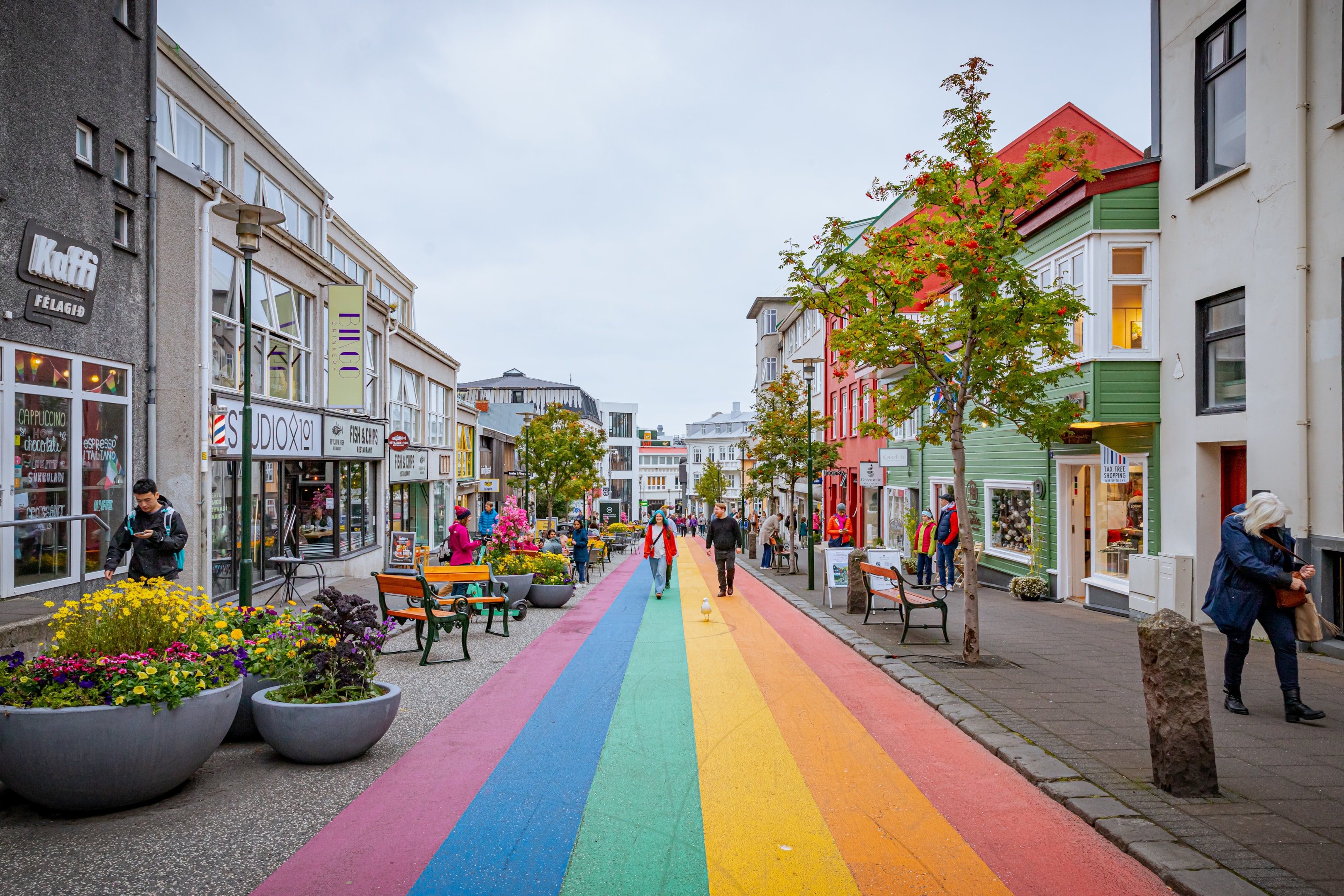
For travelers who enjoy calm, curated pacing, this schedule offers a balanced approach to exploring Reykjavík’s culinary scene.
Morning
Start with a walk along the waterfront, letting the day open slowly. Enjoy a light breakfast of skyr, fresh bread or pastries. Visit a café in the downtown or harbor area for a warm drink and a steady introduction to the city’s rhythm.
Late Morning
Explore Hallgrímskirkja and the streets surrounding it. Nearby boutiques and small design shops create a gentle, inspiring morning.
Lunch
Choose a relaxing spot such as Snaps or Café Loki. Both offer dishes that reflect the city’s atmosphere through flavor and simplicity.
Afternoon
Take part in the Reykjavík Cocktail-Making Experience or visit a geothermal pool for a restorative break. If you prefer local markets, visit Kringlan or Kolaportið on weekends for Icelandic products and small tastings.
Evening
Reserve dinner at one of Reykjavík’s leading restaurants—DILL for refinement, Fish Market for seafood or Grill Market for fire-driven flavor. Allow the evening to move at an unhurried pace. For dessert, choose a soft skyr dish, ice cream or local pastries.
Night
If traveling during winter, join the Northern Lights Tour with Lagoon Soak and Icelandic Tasting. The peaceful culinary moment at Laugarvatn pairs naturally with the seasonal atmosphere, creating a balanced ending to a full day of food and culture.
Reykjavík Food Culture: What Sets It Apart
Reykjavík’s culinary identity is shaped by a few defining qualities. Icelandic waters and landscapes produce naturally clear flavors, and restaurants highlight this purity rather than disguising it. Even modern kitchens often rely on longstanding techniques like smoking, curing, and fermenting, connecting present-day menus to Iceland’s rich food heritage.
This respect for tradition is balanced with thoughtful innovation, where restaurants explore new combinations with restraint. Precision matters more than extravagance, and plating emphasizes calm, minimalist design.
Sustainability is another cornerstone of the city's food culture. Chefs prioritize responsible sourcing, seasonal ingredients, and minimal waste, often working closely with local farmers, fishermen, and producers.
Despite the high quality of the food, the dining atmosphere remains approachable. Even at Reykjavík’s most acclaimed restaurants, the environment is warm and welcoming, with service that is attentive but unpretentious, reflecting Iceland’s cultural values.
How to Explore Reykjavík as a Food Traveler?

Choose Fewer Restaurants, Enjoy Them Fully
Reykjavík rewards travelers who prioritize quality over quantity. Instead of rushing through numerous dining spots, focus on selecting two or three restaurants that resonate with you, allowing for a more meaningful and immersive experience. Taking the time to savor each meal and engage with the atmosphere creates a deeper connection to the city's culinary culture.
Learn Through Local Experiences
Hands-on activities offer unique insights into Icelandic food and traditions. A cocktail-making class might teach you how to craft drinks using foraged local ingredients, while the Laugarvatn tasting tour gives you the chance to sample delicacies like rye bread baked in geothermal springs. These experiences go beyond just eating—they provide a richer understanding of the region’s flavors and history.
Let Weather Shape Your Plans
Iceland's ever-changing weather adds a special rhythm to your dining choices. On windy evenings, there’s nothing better than retreating to a cozy bistro for a hearty meal and a warm drink. On clear nights, take advantage of the conditions by pairing dinner with a northern lights tour—a magical combination that blends natural beauty with Iceland's culinary charm.
Seek Out Local Markets
Local markets are treasure troves for discovering the roots of Icelandic cuisine. Sampling small bites like smoked fish or traditional pastries can give you a better sense of the flavors that define the region. Plus, packaged items like Icelandic salts, dried fish, and native herbs make for thoughtful souvenirs to bring a taste of Iceland back home with you.
Embrace Seasonal Variations
Menus in Reykjavík reflect the cycles of nature, offering unique dishes depending on the season. In summer, you’ll find vibrant herbs, fresh greens, and lighter fare that celebrates the bright, sunny days. Winter menus, on the other hand, bring comforting dishes like tender lamb, rich stews, and warm, spiced desserts—perfect for cozying up after a day of exploring in the crisp Icelandic cold. By embracing these seasonal shifts, you can experience the true essence of Icelandic cuisine all year round.
FAQs
What traditional Icelandic food should I try first in Reykjavík Iceland?
Start with traditional Icelandic lamb soup, lobster soup, or the famous Icelandic hot dog topped with crispy onions and sesame seeds. Rye bread ice cream and Icelandic ice cream are Icelandic favorites typically served in both street food spots and traditional Icelandic restaurants.
Which dishes are must-tries for visitors on their first trip?
Pan seared Arctic char, tomato soup made with locally sourced Icelandic ingredients, and Icelandic lobster soup are top choices. Many visitors alike are pleasantly surprised by how a hot skillet of root vegetables can elevate traditional food.
What makes Reykjavík’s thriving food scene unique?
Modern eatery choices mix natural wines, craft beers, and organic ingredients with Icelandic tradition. A Reykjavik food tour is a fun place for discovering hidden gem restaurants in the city center.
Are there good options for dietary restrictions when visiting Iceland?
Yes. Vegetarian options and flexible menu items appear in grocery stores and fast food spots across the capital city. Soft bun hot dog stand classics and dishes by chef Thráinn Freyr Vigfússon offer an impressive selection for all taste buds.
Conclusion
Reykjavík’s food scene reflects the essence of Iceland itself: calm, confident, and deeply connected to the natural world. Whether you are enjoying perfectly prepared cod, tasting lamb raised on open pastures, exploring the city’s evolving cocktail culture, or warming your hands beside a geothermal cave during a winter tasting, every experience carries a strong sense of place. The ingredients, techniques, and atmosphere all echo Iceland’s landscape and traditions.
This guide highlights the restaurants, flavors, and culinary moments that define Reykjavík’s identity. With thoughtful pacing and a willingness to savor each detail, your time in the city becomes more than a collection of meals. It transforms into a curated journey through Iceland’s ingredients and culture. For travelers seeking elevated, well-planned culinary experiences, Iceland Tour Company also offers curated food-focused adventures that bring the best of Reykjavík’s dining scene together with expert local insight.