Summer vs Winter in Iceland: Which Season is Right for You?
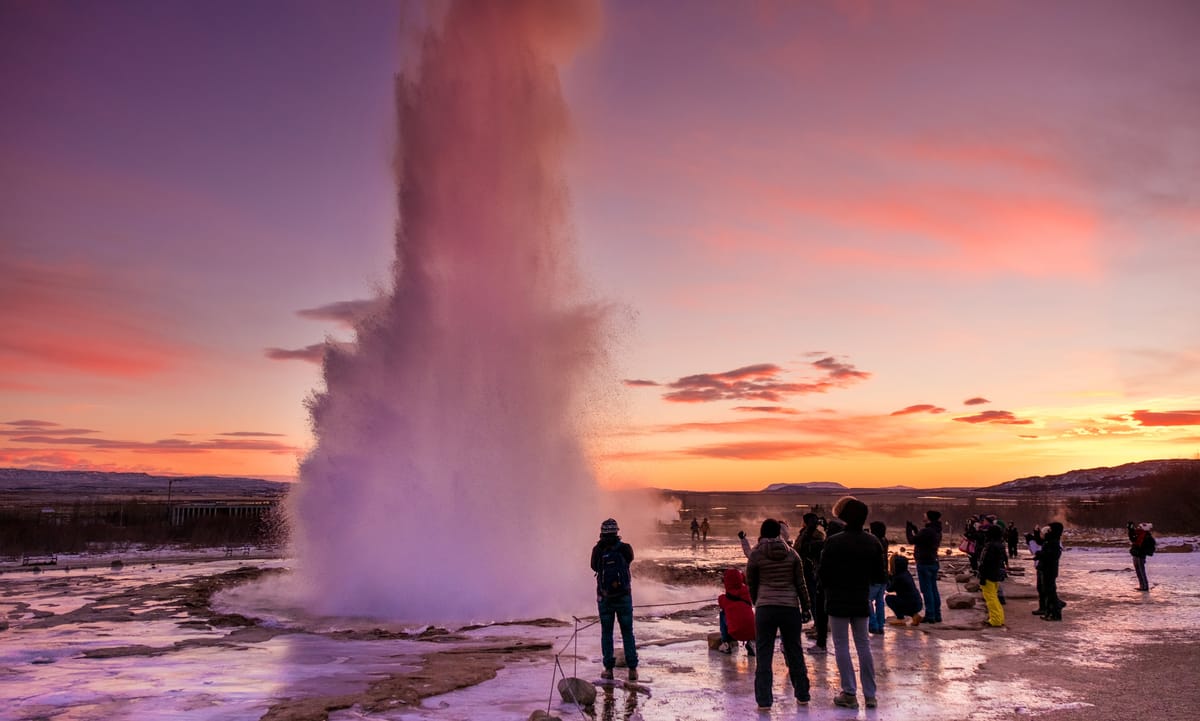
If you're planning to visit Iceland, the choice between Iceland summer and Iceland winter can shape your entire adventure. The summer season brings the magical midnight sun, letting you explore the Golden Circle, Blue Lagoon, and natural hot springs late into the evening. An Icelandic summer is ideal for road trips and hiking with fewer tourists around.
On the flip side, a winter trip offers the chance to see the incredible northern lights, walk among frozen waterfalls, and enjoy unique winter activities like ice caving and snowmobiling. The winter months also add a cozy charm to the landscapes. No matter when you go, there’s always a perfect time to visit Iceland for unforgettable memories.
Why Visit Iceland
There are countless reasons to visit Iceland. From its breathtaking landscapes to its unique culture, this small Nordic island has much to offer for any type of traveler.
Here are just a few reasons why you should add Iceland to your travel bucket list:
Discover Iceland’s Natural Wonders
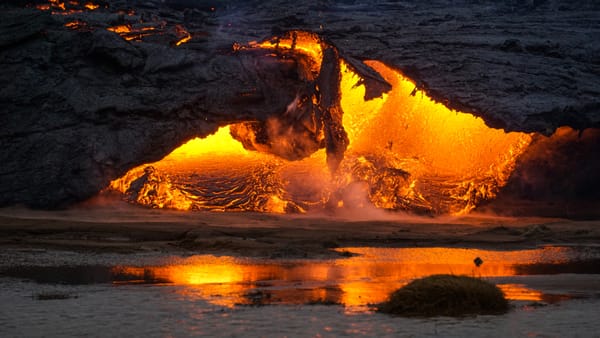
Iceland is home to some of the world’s most breathtaking natural wonders. From steaming geothermal fields to towering waterfalls and lava-streaked landscapes, the country’s raw beauty is unmatched. Situated near the Arctic Circle, Iceland offers both volcanic power and glacial serenity—sometimes in the same day. Whether you're venturing into a lava cave or standing beside a roaring waterfall, the entire country feels like a living postcard.
Witness the Aurora Borealis in Winter
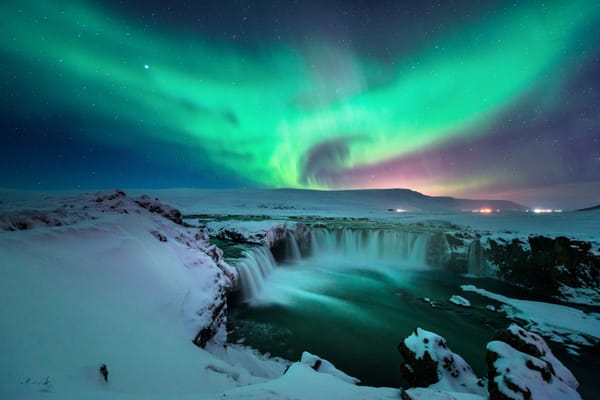
One of the biggest reasons to visit is the chance to see the aurora borealis. This spectacular natural light show paints the sky in green, pink, and violet hues during the long winter nights. The best time to visit for viewing the aurora borealis is between September and April. In northern Iceland, far from the city lights, the auroras are even more vivid and reliable.
Experience Iceland in Summer
If you prefer warmer weather, Iceland in summer is ideal. The summer months bring extended daylight hours, especially during the summer solstice, when the sun barely dips below the horizon. This is the best time to visit for hiking, sightseeing, and road trips without worrying about nightfall. From June to August, Iceland is alive with wildflowers, festivals, and long outdoor adventures.
Take an Epic Road Trip
A road trip is one of the best ways to explore Iceland’s diverse landscapes. The famous Ring Road circles the island, guiding travelers through volcanoes, glaciers, black-sand beaches, and fishing villages. During the summer months, roads are easier to navigate, and warmer weather makes travel more comfortable. Whether you're camping or hotel-hopping, the freedom to explore Iceland by car is unbeatable.
Go Whale Watching and Explore the Sea
Iceland offers incredible opportunities for whale watching. The best time to visit for whale watching tours is between April and September. Towns like Húsavík in northern Iceland are especially known for their rich marine life. Seeing humpback whales, orcas, or even blue whales breaching in the wild is an awe-inspiring experience.
Explore Icy Wonders in Winter
Winter in Iceland brings a different kind of magic. It’s the perfect season to explore icy wonders like glacial caves and frozen waterfalls. Ice caving is one of the most thrilling adventures, offering access to naturally formed ice tunnels glowing in shades of blue. Snowmobiling and glacier hiking also peak during this time. Covered in all the snow, the landscape becomes a surreal wonderland.
Celebrate the Holiday Season in Iceland
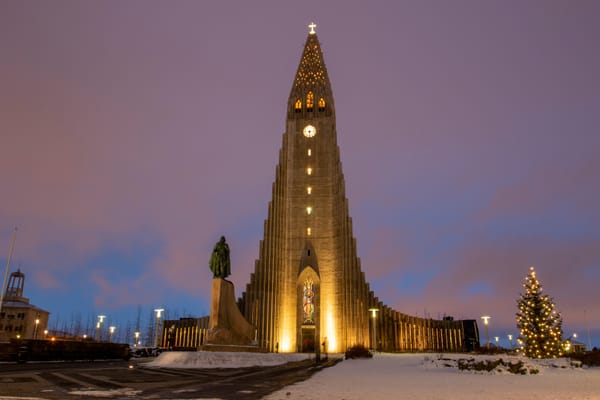
The holiday season in Iceland is charming and steeped in folklore. Twinkling lights, traditional foods, and stories of the 13 Yule Lads make it an enchanting time to visit. Cozy cafes, festive markets, and warm hot springs balance the winter chill with comfort and joy.
Summer vs Winter in Iceland: What to Expect in Each Season
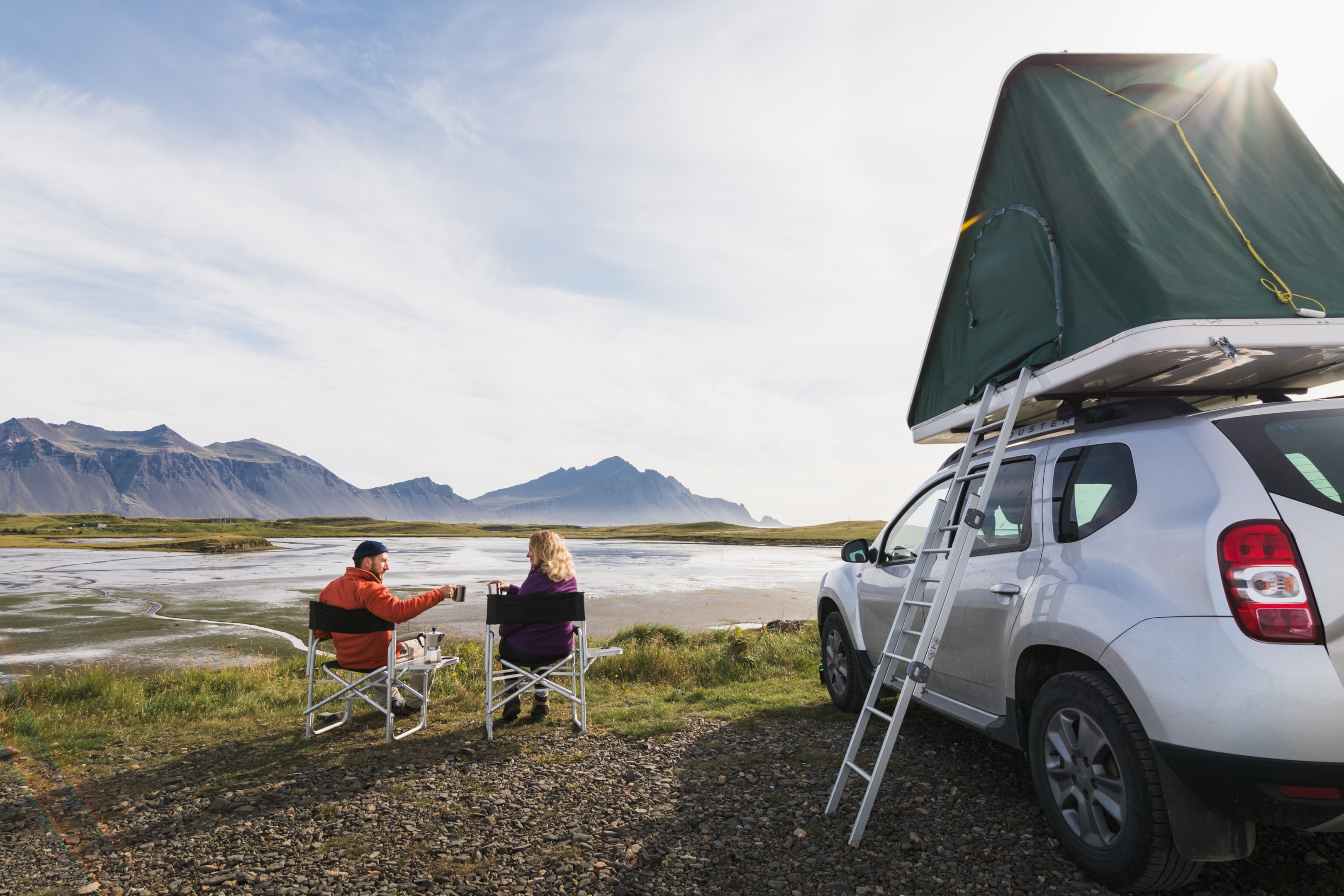
Iceland is a destination where the seasons completely transform the landscape and the experience. Whether you choose to visit in the endless days of summer or the magical darkness of winter, Iceland offers unforgettable adventures year-round.
Here's a breakdown of what to expect in summer vs winter in Iceland, including key attractions and activities for each.
Summer in Iceland: Endless Days and Epic Adventures
Iceland in summer is marked by extended daylight hours, warmer weather, and an incredible sense of freedom. From late May to early August, the days are long—culminating in the summer solstice, when the sun barely sets at all. These conditions make the summer months the best time for road trips, hiking, and wildlife encounters.
Top Attractions in Summer
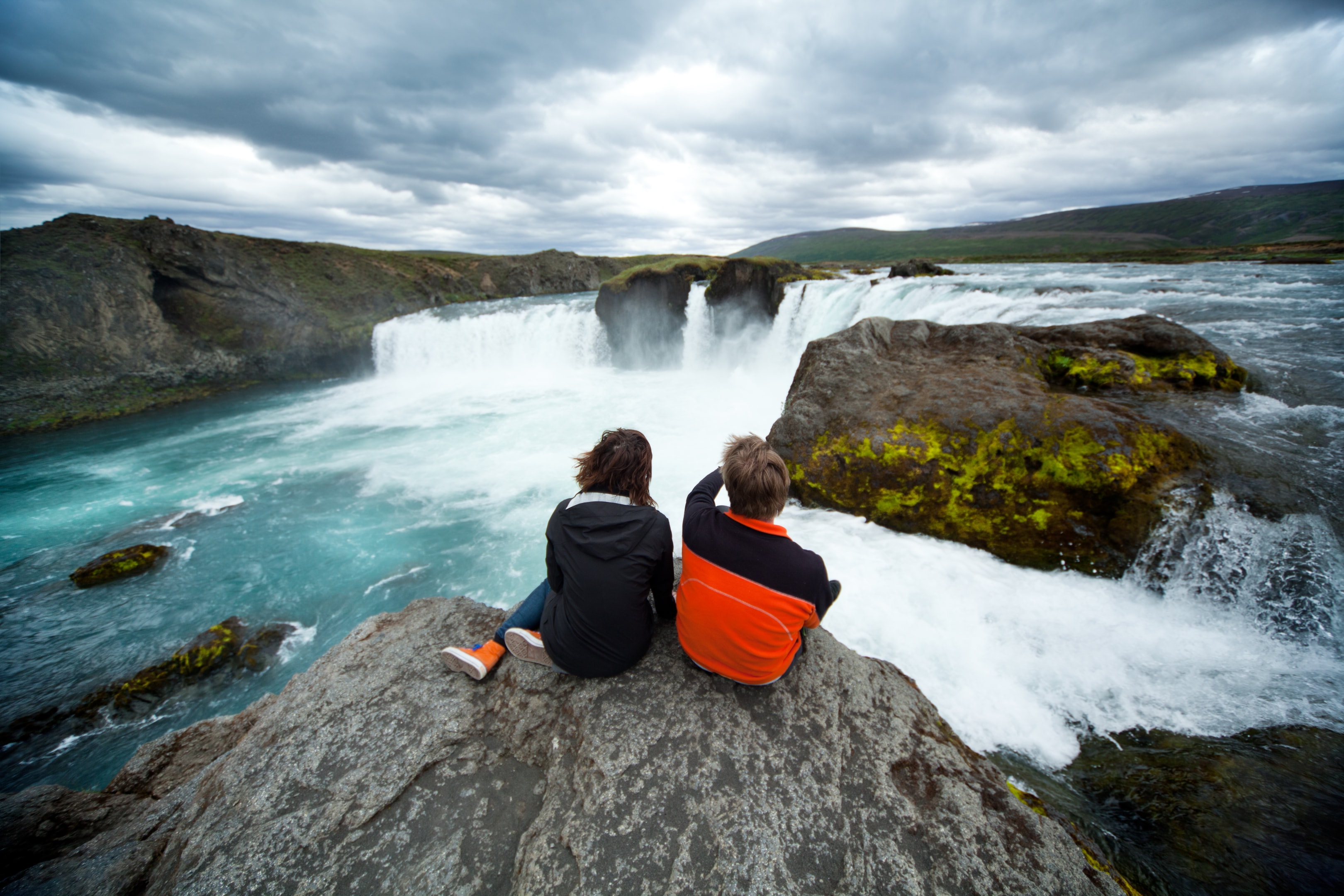
- The Golden Circle: Explore Thingvellir National Park, Gullfoss Waterfall, and Geysir without worrying about icy roads.
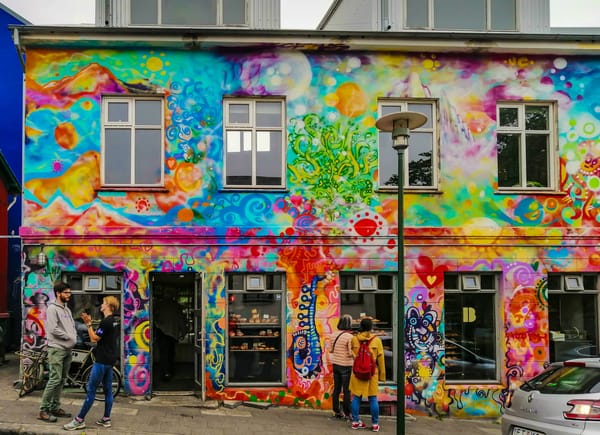
- Reykjavík: Enjoy Iceland’s capital in full bloom with open-air concerts, street food, and culture festivals.
- Puffin Colonies: Catch the colorful puffins nesting along the cliffs from May to August.
- Whale Watching Tours: The best time to visit for whale watching is summer. Tours operate from Reykjavík, Akureyri, and northern Iceland—especially Húsavík.
Things to Do in Summer
- Hiking and Trekking: Trails like Laugavegur and Landmannalaugar are fully open and safe during the warmer weather.
- Road Trips: Drive the Ring Road or venture to remote Westfjords and the Highlands, which are often inaccessible in winter.
- Midnight Sun Adventures: Go kayaking, horseback riding, or hiking at midnight in near-full daylight.
- Camping and Festivals: Iceland comes alive with music festivals, National Day celebrations, and outdoor camping opportunities.
Pros of Summer:
- Almost 24 hours of daylight
- Easier driving conditions
- Access to remote areas and highland roads
- Abundant wildlife and flora
Cons of Summer:
- Higher prices and more tourists
- Limited chances to see the aurora borealis
Winter in Iceland: Snowy Landscapes and Northern Lights
In winter, Iceland transforms into a dramatic, snowy wonderland. Though the days are short—with only 4–6 hours of light in December and January—the long nights bring one of Iceland’s greatest shows: the aurora borealis.
Top Attractions in Winter
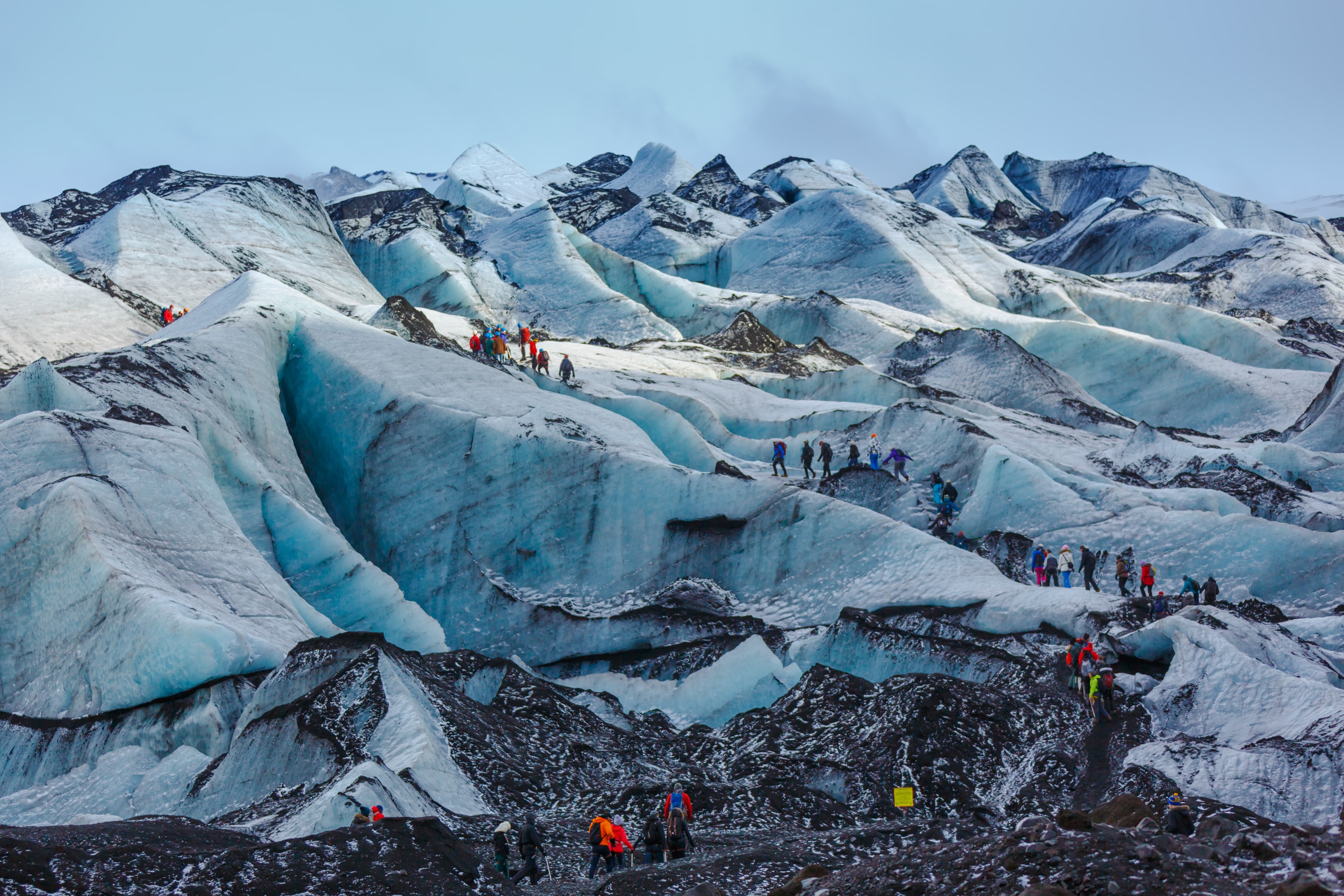
- Ice Caves: Winter is the best time to visit for guided ice caving inside glacier tunnels that shimmer in icy blues.
- Sky Lagoon and Blue Lagoon: Soak in steaming warm water as all the snow falls around you—an unbeatable contrast of heat and cold.
- Snæfellsnes Peninsula: Explore lava fields, black-sand beaches, and frozen waterfalls.
- Northern Iceland: Less crowded in winter, yet perfect for aurora borealis hunting and snowy adventures.
Things to Do in Winter
- Northern Lights Tours: Join a guided night tour or self-drive into the countryside to catch the elusive aurora borealis.
- Explore Icy Wonders: Beyond ice caving, try snowmobiling, glacier hiking, or even skiing near Akureyri.
- Winter Photography: Capture frozen landscapes, dramatic skies, and light reflecting off untouched snowfields.
- Holiday Season Fun: From late November through December, Iceland lights up with Christmas markets, folklore traditions, and cozy cafés.
Pros of Winter:
- Spectacular aurora borealis viewing
- Unique activities like ice caving and snowmobiling
- Fewer tourists and more peaceful landscapes
- Magical snowy backdrops for photography
Cons of Winter:
- Risk of storms and road closures
- Short daylight hours
- Cold temperatures and unpredictable weather
The choice between summer vs winter in Iceland comes down to your travel goals. If you're an adventure-seeker who loves long days, scenic drives, and warmer weather, then the summer months are ideal. You'll have more freedom to roam, a chance to enjoy festivals, and can even experience the midnight sun.
Seasonal Costs and Travel Planning in Iceland
Planning a trip to Iceland requires an understanding of how seasonal changes impact your budget and travel experience. Prices and availability for flights, accommodations, car rentals, and tours vary greatly between summer and winter.
Summer Travel: Peak Season in Iceland
June through August marks the peak tourist season in Iceland. During this time:
- Higher Costs: Flights, hotels, and car rentals are more expensive.
- Crowds: Popular spots like the Golden Circle, Blue Lagoon, and major waterfalls are busier.
- Long Daylight Hours: Perfect for sightseeing and road trips, but book tours and accommodations well in advance.
- Premium Tours: Experiences like whale watching and guided highland hikes are in high demand and come at premium prices.
Winter Travel: Lower Costs and Unique Experiences
From November to March, Iceland offers a quieter and more affordable experience.
- Cheaper Flights and Discounts: Flights are typically less expensive, and hotels often provide off-season rates.
- Last-Minute Availability: Easier to book tours and accommodations closer to your travel dates.
- Unique Activities: Enjoy ice caving and northern lights tours, often at reasonable prices.
- Affordable Car Rentals: However, depending on your route, a 4x4 vehicle may be necessary.
Road Conditions by Season
- Summer Roads: Most roads, including the Ring Road, are fully accessible.
- Winter Roads: Some roads, especially in the Highlands and northern Iceland, may close due to snow or ice. Always check road.is and safetravel.is for updates.
Planning Ahead for the Best Experience
Whether traveling during the summer solstice, holiday season, or deep winter:
- Factor in road conditions and your comfort with driving.
- Decide on must-see attractions and book key tours in advance.
- Stay flexible with accommodations to maximize your budget.
No matter the season, Iceland’s natural beauty is unforgettable, and careful planning ensures a smooth and enjoyable trip.
Who Should Travel in Summer vs Winter?
Choosing between Iceland in summer and Iceland in winter depends on what kind of traveler you are and what experiences you’re after. Both seasons offer something magical—but they cater to very different preferences.
Summer is ideal for:
- Families and first-time visitors: With warmer weather, extended daylight hours, and safer road conditions, summer is perfect for easy travel, sightseeing, and full days of exploration.
- Photographers and nature lovers: From puffins to green landscapes, waterfalls, and midnight sun scenes, Iceland in summer offers vibrant natural colors and wildlife.
- Hikers and adventurers: The highland trails open only in summer, offering world-class hikes like Laugavegur and Fimmvörðuháls.
Winter is best for:
- Aurora chasers and photographers: The aurora borealis is a must-see, and winter's dark skies make it possible.
- Romantic travelers: Cozy nights, ice caving, hot springs, and snowy landscapes create a perfect winter escape.
- Budget-conscious tourists: Off-season travel often comes with lower prices and fewer crowds.
No matter your style, Iceland has a season for you.
Which Season is Right for You?
Choosing between summer vs winter in Iceland depends on your travel style, interests, and what kind of experience you want. If you love long days, road trips, and outdoor adventures, Iceland in summer is ideal. The extended daylight hours, warmer weather, and accessible roads make it perfect for hiking, camping, and exploring the Highlands or remote fjords. It’s also the best time to visit for whale watching and birdwatching.
If you prefer fewer crowds, snowy landscapes, and unique winter experiences, visiting in winter offers a completely different kind of magic. You’ll get the chance to see the aurora borealis, go ice caving, and enjoy steaming lagoons surrounded by all the snow. Winter is also a great time to explore Iceland’s cozy culture and winter festivals.
Still unsure? Some travelers return in both seasons—because each offers something unforgettable. Whether it’s the midnight sun or northern lights, Iceland delivers in every season.
Practical Tips for Visiting Iceland
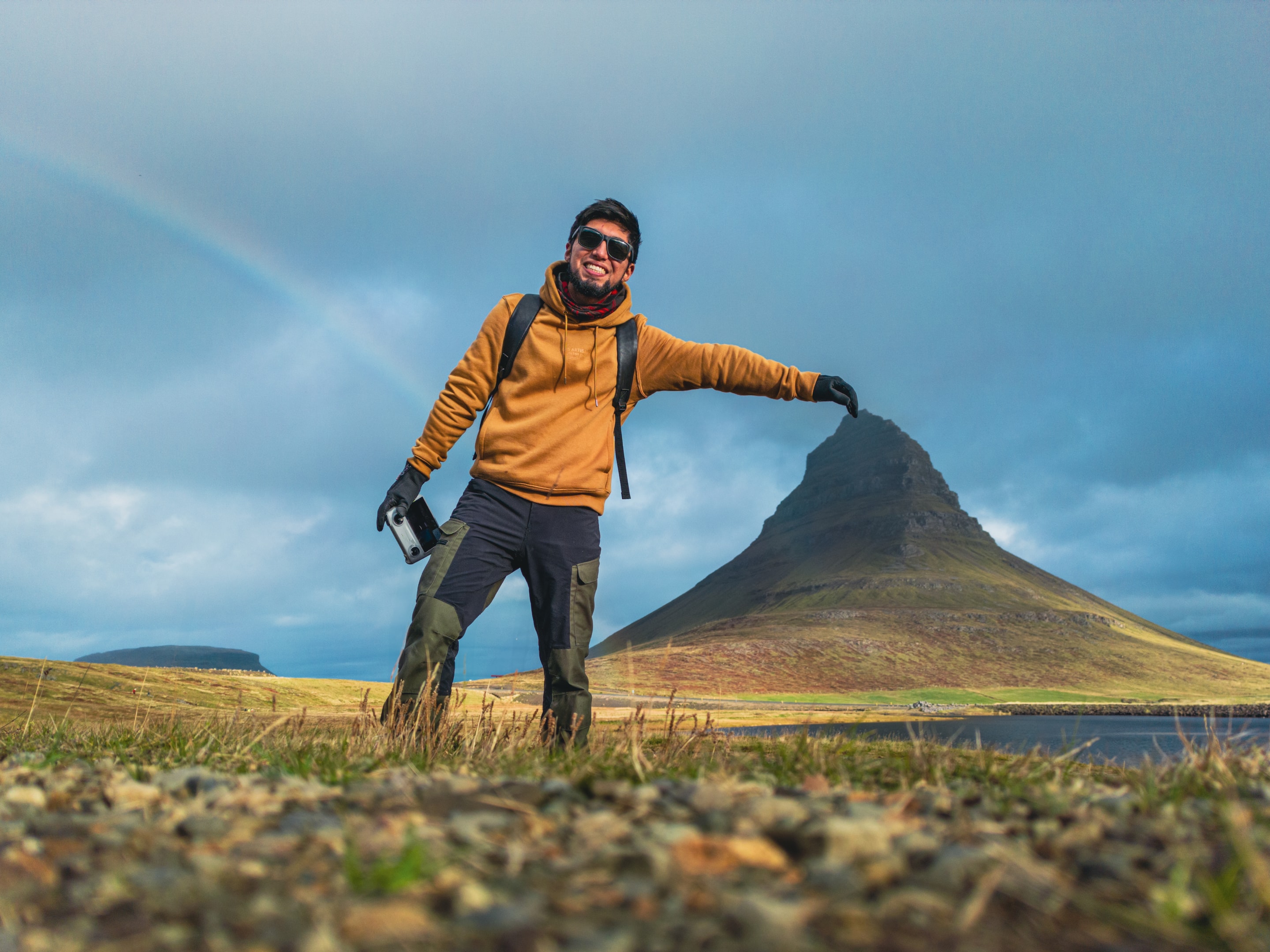
If you're planning a trip to Iceland, here are some practical tips that will help make your experience even better:
- Pack for all weather: Even in the summer months, it's important to pack warm and waterproof clothing. The weather in Iceland can be unpredictable and can change quickly, so it's best to be prepared for all conditions.
- Rent a car: Renting a car is the best way to see Iceland at your own pace. This allows you to explore off-the-beaten-path locations and take as many breaks as needed. Just be sure to check road conditions before heading out!
- Plan ahead: While spontaneity can sometimes lead to great adventures, it's always a good idea to have at least a rough plan in place before arriving in Iceland. This will ensure that you don't miss out on any must-see sights or experiences.
- Try local cuisine: Iceland is known for its unique and delicious food, so be sure to try some local dishes such as traditional Icelandic lamb soup or fermented shark. Don't be afraid to step out of your comfort zone and try something new!
- Be respectful of nature: Iceland's natural beauty is one of its biggest attractions, so it's important to treat the environment with care and respect. Follow designated paths, pack out all trash, and avoid disturbing wildlife.
FAQs
Is summer the best time to visit Iceland for weather and sightseeing?
Yes, warmer temperatures, milder temperatures, and endless daylight make summer ideal for sightseeing. A Golden Circle tour, including the Geysir Geothermal Area, Þingvellir National Park, and Gullfoss waterfall, is more accessible. You can spot minke whales off the coast and explore the South Coast and Vatnajökull National Park with ease. It's truly the best weather to experience this beautiful country.
What makes winter in Iceland so special?
Winter brings magic. You can celebrate Christmas in a land full of Christmas spirit, with twinkling lights and cozy towns. Fewer crowds mean far fewer tourists and fewer visitors at popular attractions. The Northern Lights add breathtaking wonder, and glacier tours, ice fishing, and hot geothermal pools like the Secret Lagoon are perfect cold-weather experiences.
Is wildlife watching better in summer or winter?
Summer offers richer wildlife viewing—minke whales are more active, and birdlife is abundant. Winter is less ideal for this, but still magical for other reasons.
Why is Iceland’s weather so variable?
Thanks to the Gulf Stream, Iceland enjoys more moderate weather than expected at its latitude. Still, average temperatures can change quickly—layers are key.
Conclusion
Whether you’re drawn to endless sunshine or dancing northern lights, Iceland delivers unforgettable experiences year-round. The summer months offer extended daylight hours, warmer weather, and access to remote regions—perfect for road trips, hiking, and wildlife spotting. In contrast, winter brings the magic of aurora borealis, ice caving, and snow-covered landscapes ideal for cozy, adventurous escapes.
Your decision ultimately depends on your interests—nature, relaxation, photography, or extreme adventure. There’s no wrong time to go, just different wonders to discover. Many travelers return in both seasons to experience Iceland’s full beauty. Whichever you choose, Iceland will leave you inspired, refreshed, and eager to return.