The Ultimate 5 Day Iceland Itinerary: What to See, Do, & Book
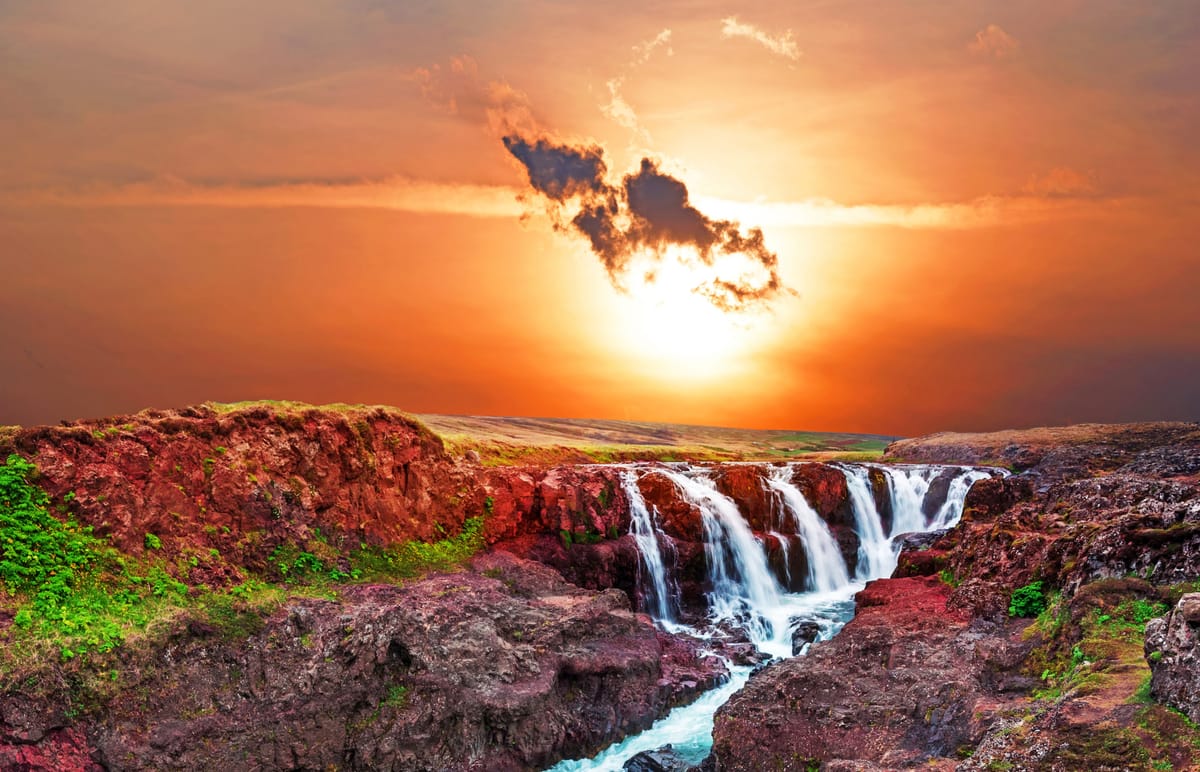
Visiting Iceland is a dream for many—and with good reason. From dramatic waterfalls to steamy hot springs, volcanic beaches to glacial lakes, it’s such a beautiful place packed with natural marvels.
If you’re short on time, five days in Iceland is the perfect introduction to the island’s wonders. This itinerary takes you from the heart of Reykjavík to the iconic Golden Circle Route, through national parks, and along the stunning South Coast—all the way to Diamond Beach and Jokulsarlon Glacier Lagoon. Most destinations are about an hour to a few hours apart, so you’ll get to see a lot without feeling rushed.
Whether you’re traveling during high season or the quieter off season, you’ll want to spend at least an hour at each major site to truly take it in. Get ready to explore waterfalls, glaciers, and of course, relaxing hot springs.
What Is the Weather Like in Iceland Year-Round?
Iceland’s weather is famously unpredictable—locals often say, “If you don’t like the weather, wait five minutes.” The country experiences cool summers and relatively mild winters, thanks to the warming effects of the Gulf Stream. In summer (June to August), temperatures typically range from 10°C to 15°C (50°F to 59°F), with extended daylight hours and even 24-hour sunlight around the summer solstice.
Winter (November to March) brings colder temperatures, usually between -1°C and 4°C (30°F to 39°F), shorter days with as little as 4–5 hours of daylight, and snowy landscapes perfect for ice caving and aurora borealis viewing. The shoulder seasons—spring and autumn—are cooler, with mixed weather and fewer tourists.
Rain and wind are common year-round, especially in coastal areas and the highlands. Northern Iceland tends to be snowier in winter, while the south gets more rain. No matter when you visit, always pack layers, waterproof gear, and a flexible attitude for a smooth trip through Iceland’s wild and beautiful climate.
How Many Days in Iceland Is Enough?
How many days you need in Iceland depends on what you want to see. While you could experience the highlights in a quick 3- to 5-day trip, a full 7 to 10 days allows you to explore more of the country at a relaxed pace.
If you only have 5 days in Iceland, you can enjoy and explore Reykjavik, the Golden Circle, and the stunning South Coast, including waterfalls, black sand beaches, and glacier lagoons. This is a great option for first-time visitors. A 7-day trip lets you complete a portion of the Ring Road and possibly reach northern Iceland.
For those wanting to drive the full Ring Road or visit the remote Westfjords or East Iceland, 10 days or more is ideal. Ultimately, Iceland rewards any amount of time, but the longer you stay, the deeper your connection with its natural wonders, landscapes, and local culture will grow.
What are the Essentials for a Successful Trip to Iceland?
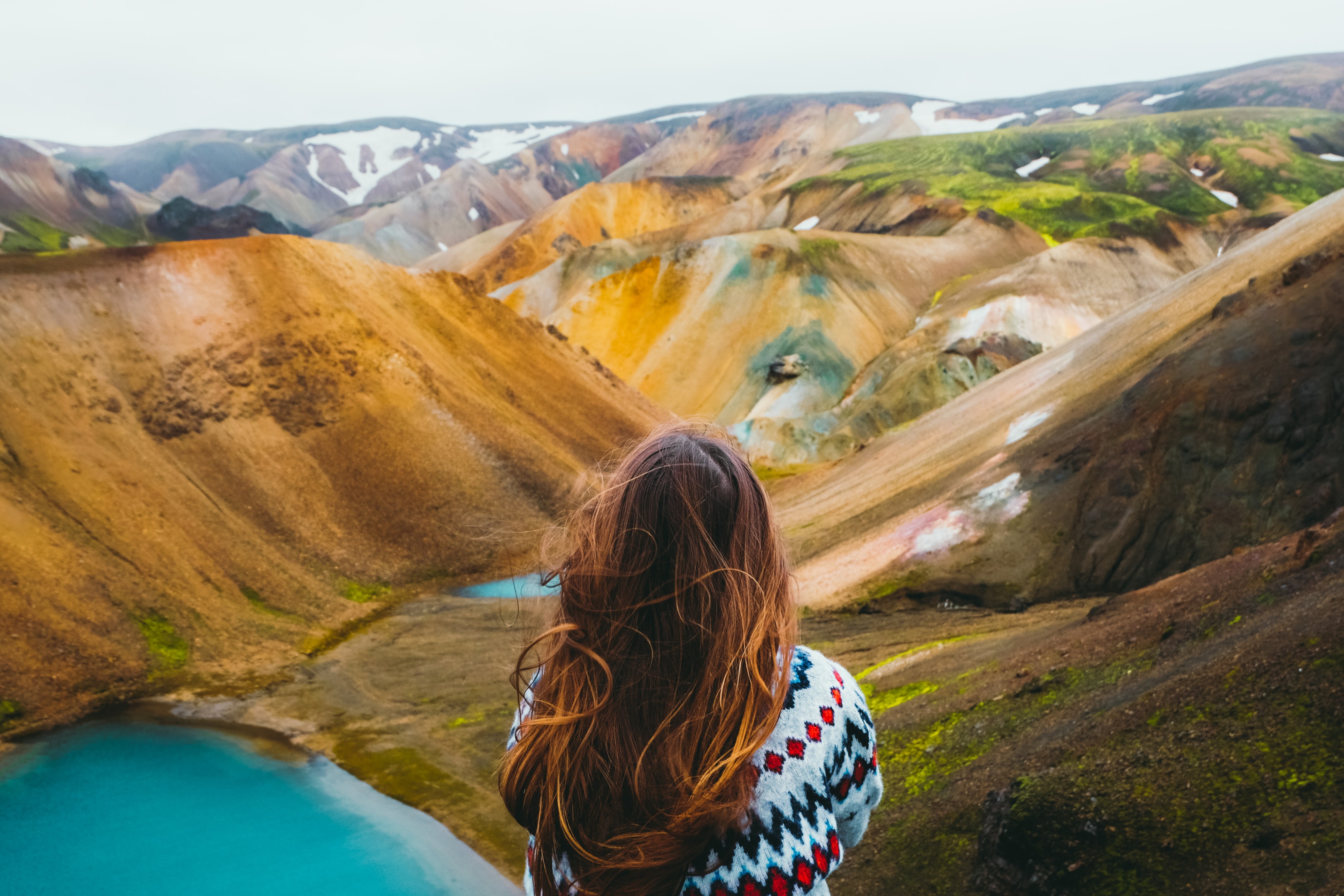
Planning a trip to Iceland is exciting—but to make the most of your adventure, it’s important to come prepared. Iceland’s beauty is wild and unpredictable, and knowing what to bring, book, and expect will help you enjoy every moment. Here are the essentials you need for a successful trip to this land of fire and ice.
1. Pack for All Types of Weather
Iceland’s weather changes rapidly—sometimes within minutes. Even in summer, temperatures can range from mild and sunny to cold and rainy. Essential clothing includes:
- Waterproof jacket and pants
- Warm layers (fleece or wool)
- Moisture-wicking base layers
- Gloves, hat, and scarf (even in summer)
- Sturdy waterproof hiking boots
- Swimsuit for hot springs
Whether you’re hiking through a national park or soaking in a geothermal pool, dressing in layers is key.
2. Rent a Car or Book Tours in Advance
If you want to follow your own schedule and explore Iceland’s dramatic landscapes, renting a car is highly recommended. A 4x4 vehicle is best for rough terrain or winter trips. Alternatively, if you’re not comfortable driving, book guided tours for the Golden Circle Route, Jökulsárlón Glacier Lagoon, or Diamond Beach. During the off season, tours may be limited, so book early.
3. Reserve Accommodations and Activities Ahead
Especially during peak travel months, visiting Iceland without reservations can lead to limited options. Hotels, guesthouses, and unique stays like farm cottages fill up quickly. Book your stays near popular sites like the Golden Circle, South Coast, or national parks. Also, secure entry times for popular attractions such as the Blue Lagoon or Sky Lagoon, as well as hot springs and glacier tours.
4. Use Essential Travel Apps
Download these useful apps before arriving:
- Veður: Icelandic weather app for real-time updates
- Safetravel: For road conditions and emergency alerts
- Aurora Forecast: Helps track chances of seeing the northern lights
- Google Maps (offline version): For navigating rural areas without service
These apps will help you stay safe and flexible during your journey.
5. Know What to Budget For
Days in Iceland can get expensive. Budget for:
- Fuel (especially if you’re driving long distances)
- Food (dining out is pricey; grocery shopping is more affordable)
- Attractions (Blue Lagoon, museums, guided tours)
- Parking fees and hot spring admissions
Many natural sites like waterfalls and viewpoints are free, helping balance the cost.
6. Be Respectful and Responsible
Iceland’s landscapes are fragile. Always follow local signs, stay on marked trails, and never leave trash behind. Respect national park rules and be mindful around wildlife. Icelanders are proud of their clean, protected environment—visitors should be too.
By packing smart, booking ahead, and staying informed, your trip to Iceland will be smooth and unforgettable. Whether it’s your first time visiting Iceland or a return visit, being well-prepared is the best way to fully enjoy such a beautiful place.
Are Iceland’s Hot Springs Worth Visiting?
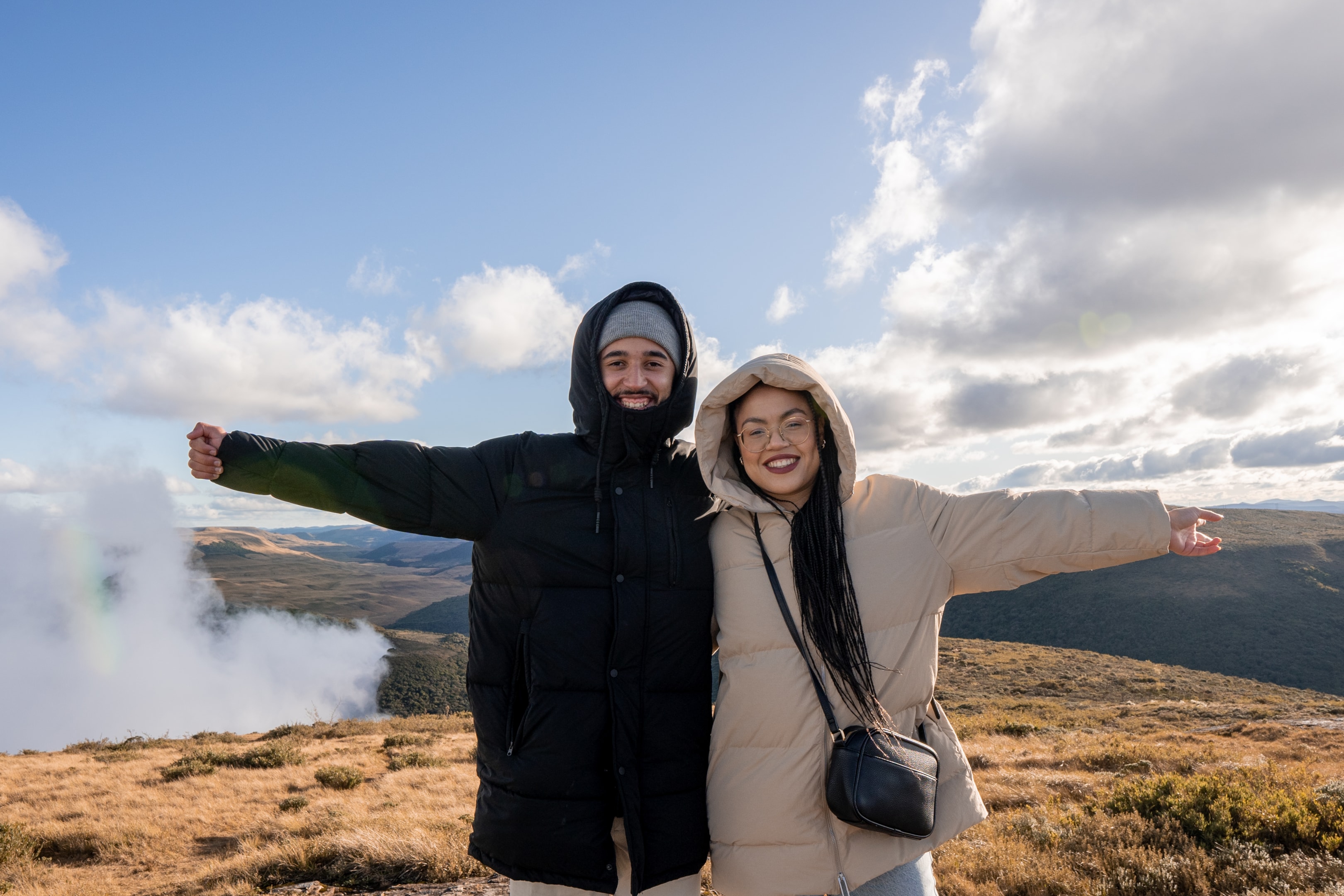
Absolutely—Iceland’s hot springs are not only worth visiting, they’re often the highlight of many travelers’ trips. Thanks to the country’s rich geothermal activity, Iceland offers a wide variety of hot springs, from luxurious, well-developed spas to remote natural pools nestled in the wilderness. These hot springs are soothing, scenic, and deeply tied to Icelandic culture and relaxation.
Popular spots like the Blue Lagoon and Sky Lagoon offer upscale spa experiences with amenities such as swim-up bars, saunas, and private changing facilities. Sky Lagoon also features the unique seven-step ritual, including a cold plunge and steam room with ocean views. For a more natural setting, places like the Secret Lagoon, Reykjadalur hot river, and Landmannalaugar pools let you soak in nature with fewer crowds.
Hot springs are enjoyable in both summer and winter—imagine bathing in steamy waters while surrounded by snow or under the midnight sun. They’re perfect after long hikes or road trips, offering both physical recovery and quiet reflection. Whether you prefer a luxury spa or a wild, rugged pool, Iceland’s hot springs deliver a memorable, soul-warming experience. Yes—they’re absolutely worth it.
Ultimate 5 Day Iceland Itinerary: What to See, Do, & Book
When planning your dream trip to Iceland, choosing the right time of year makes all the difference. Summer offers endless daylight and easier road access, while winter brings dramatic snowscapes and the elusive northern lights.
In this guide, you'll find two separate 5-day Iceland itineraries—one for Iceland summer and one for Iceland winter. Each plan includes what to see, do, and book for an unforgettable journey.
5-Day Iceland Summer Itinerary
Summer in Iceland (May to August) means long daylight hours, warmer temperatures, and accessible roads. It’s perfect for road trips, whale watching, and exploring the Golden Circle under the midnight sun.
Day 1: Reykjavík & Blue Lagoon
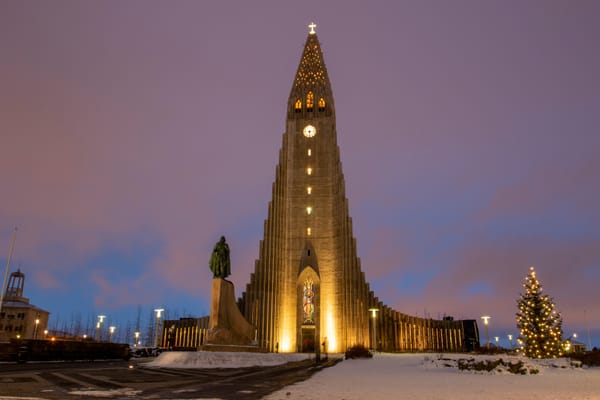
- What to Do: Arrive in Reykjavík and spend the afternoon exploring the capital. Visit Hallgrímskirkja Church, Harpa Concert Hall, and stroll the old harbor area.
- Blue Lagoon: Book a late afternoon or early evening entrance to the Blue Lagoon near Keflavík. It’s a relaxing way to recover from your flight.
- What to Book:
- Blue Lagoon tickets in advance (comfort or premium package).
- Dinner at the LAVA Restaurant onsite.
- Reykjavík accommodation (Downtown area recommended).
Day 2: Golden Circle Adventure
- What to Do: Drive or join a guided Golden Circle tour. See Þingvellir National Park, the Geysir Geothermal Area, and Gullfoss Waterfall. Optional stops include Secret Lagoon or Friðheimar tomato greenhouse for lunch.
- What to Book:
- Golden Circle full-day tour (self-drive or guided).
- Secret Lagoon entrance if stopping there.
- Hotel near Hveragerði or Selfoss to avoid backtracking.
Day 3: South Coast & Waterfalls
- What to Do: Drive along the South Coast to explore Seljalandsfoss and Skógafoss waterfalls. Stop at the black sand beach Reynisfjara and visit the charming village of Vík.
- Optional: Continue to Vatnajökull National Park if time allows or stay overnight in Vík.
- What to Book:
- Glacier hike near Sólheimajökull (optional but thrilling).
- South Coast day tour if not self-driving.
- Guesthouse or hotel in Vík.
Day 4: Jökulsárlón Glacier Lagoon & Diamond Beach
- What to Do: Visit Jökulsárlón, a breathtaking glacier lagoon where icebergs float serenely. Just across the road is Diamond Beach, known for glistening ice chunks on black sand.
- What to Book:
- Amphibian boat tour on the lagoon.
- Optional: Ice cave tour (summer-only tours available in July/August).
- Stay overnight in Höfn or nearby.
Day 5: Minke Whales & Return to Reykjavík
- What to Do: Drive back toward Reykjavík with stops at scenic viewpoints. In the afternoon, join a whale-watching tour from Reykjavík harbor to spot minke whales and puffins.
- What to Book:
- Whale-watching tour (3 hours).
- Farewell dinner at a seafood restaurant like Fiskfélagið.
- Final night in Reykjavík.
5-Day Iceland Winter Itinerary
Winter in Iceland (October to March) offers snowy landscapes, cozy cafés, and dazzling displays of the northern lights. Expect fewer visitors, short daylight hours, and a strong Christmas spirit if visiting in December.
Day 1: Reykjavík & Geothermal Pools
- What to Do: Arrive in Reykjavík and get acquainted with the city. Warm up in geothermal pools like Laugardalslaug or Sky Lagoon.
- Optional: Enjoy a Christmas market or city lights walk if visiting in December.
- What to Book:
- Sky Lagoon Pure Pass (includes the seven-step ritual).
- Cozy accommodation in central Reykjavík.
Day 2: Golden Circle & Northern Lights Hunt
- What to Do: Explore the Golden Circle—Þingvellir National Park, Gullfoss, and the Geysir Geothermal Area. Expect frozen waterfalls and icy beauty.
- Evening: Book a Northern Lights tour away from city lights.
- What to Book:
- Guided Golden Circle tour (winter roads can be icy).
- Northern Lights super jeep or bus tour.
- Stay overnight in Selfoss or back in Reykjavík.
Day 3: South Coast & Glacier Views
- What to Do: Join a guided tour to the South Coast for winter waterfalls like Seljalandsfoss (partially frozen) and Skógafoss. See black sand beaches, and if lucky, glimpse Vatnajökull’s snowy peaks.
- What to Book:
- South Coast winter tour with hotel pickup.
- Winter-friendly clothing rental if needed.
- Stay near Vík or return to Reykjavík.
Day 4: Ice Cave Adventure & Jökulsárlón
- What to Do: Join a tour to Vatnajökull National Park for a glacier tour and ice cave exploration—a highlight of any winter trip.
- Note: It’s a long day but worth it for this once-in-a-lifetime experience.
- What to Book:
- Certified glacier/ice cave guide.
- Pickup location carefully (some tours leave from Jökulsárlón or Höfn).
- Overnight in southeast Iceland or Reykjavík depending on your base.
Day 5: Blue Lagoon & Farewell
- What to Do: Spend your final day relaxing at the Blue Lagoon or Secret Lagoon, soaking in the warm waters while surrounded by snow.
- Evening: Fly out or enjoy a final Reykjavík dinner.
- What to Book:
- Blue Lagoon with transport or private car.
- Dinner reservations (try Snaps or Dill if you're splurging).
- Airport shuttle or car return timing.
Iceland offers stunning beauty and unforgettable experiences year-round. Summer brings long days and scenic road trips, while winter offers icy landscapes, geothermal warmth, and dazzling skies. Use this 5-day itinerary to plan your trip and book activities early—tours sell out fast. Whether you’re exploring ice caves or chasing the midnight sun, Iceland will exceed your expectations.
Are the Northern Lights Guaranteed in Iceland?
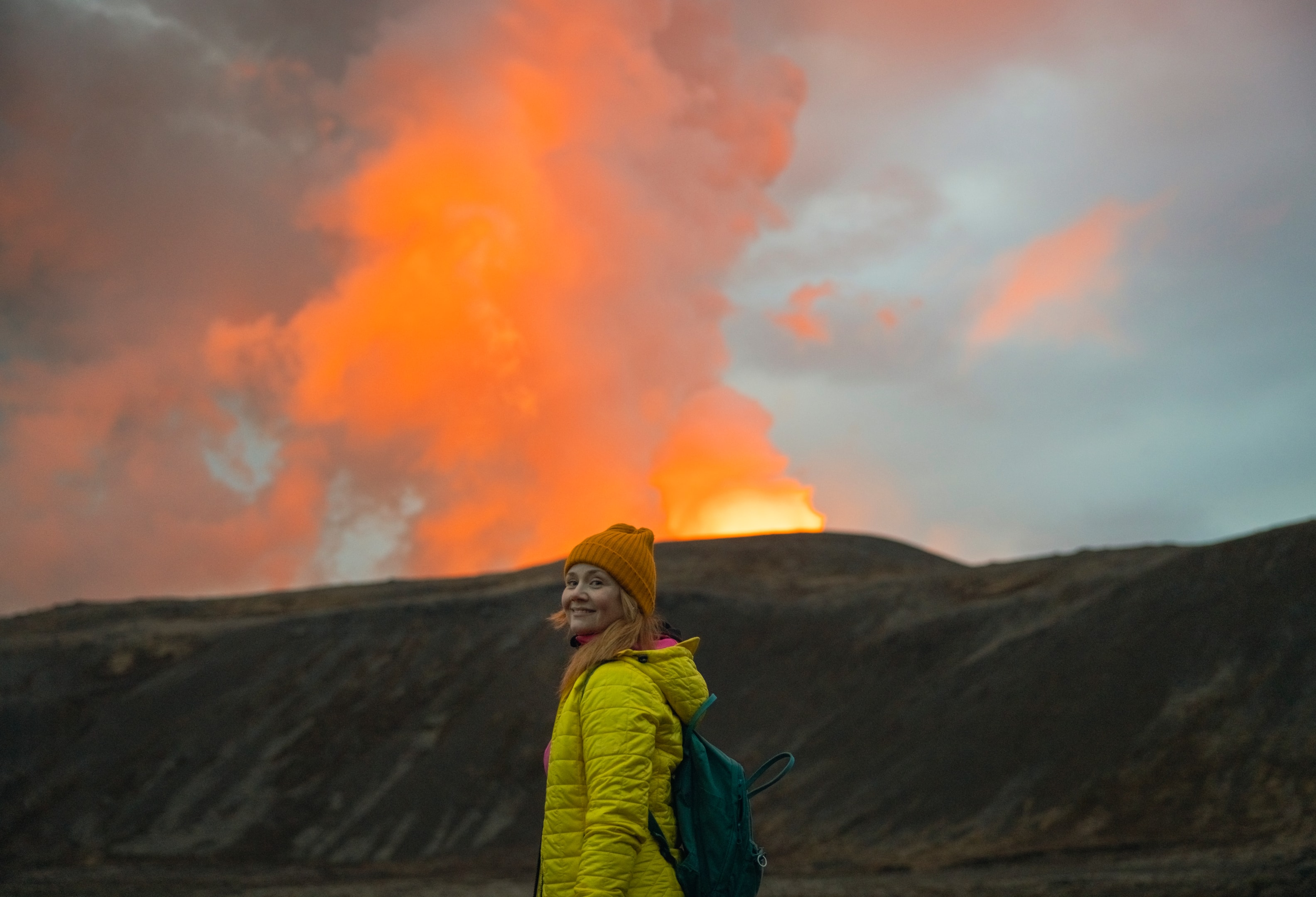
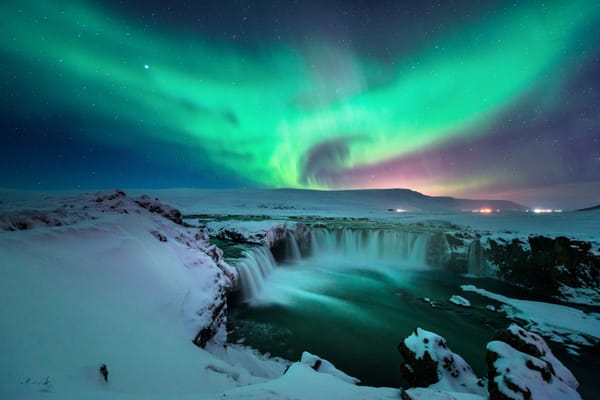
While Iceland is one of the best places in the world to see the aurora borealis, sightings are never guaranteed. The northern lights are a natural phenomenon caused by solar activity, which means they rely on both space weather and local weather conditions. To increase your chances, visit between September and April, when nights are long and skies are dark. Clear, cloud-free nights are essential, and rural areas away from light pollution—especially in northern Iceland—offer the best viewing opportunities.
Even in winter, cloudy skies or strong storms can block visibility, making it tricky to catch the northern lights. Use aurora forecast apps and websites like Vedur.is to track solar activity and cloud cover. Joining a guided northern lights tour is also a great idea, as guides know the best local spots and timing. While there's no guarantee, being in the right place at the right time can turn this spectacular sight into one of the highlights of your Iceland trip.
What Are the Must-Try Icelandic Foods?
Icelandic cuisine is a flavorful reflection of the island’s harsh climate, natural resources, and Viking heritage. While modern restaurants now offer global menus, trying traditional Icelandic dishes is essential to fully experiencing the culture. Here are some must-try foods when visiting Iceland.
1. Skyr
Skyr is a thick, creamy dairy product similar to yogurt but technically a cheese. It’s high in protein and low in fat, making it a popular choice among locals. You’ll find it in supermarkets, breakfast buffets, and desserts—often flavored with berries or honey.
2. Lamb
Icelandic lamb is world-renowned for its tenderness and flavor. Raised free-range in the highlands and fed on wild herbs, the meat is served in many ways: roasted, in stews, or as smoked lamb (hangikjöt), a Christmas favorite.
3. Fresh Seafood
Surrounded by the Atlantic, Iceland is a paradise for seafood lovers. Must-tries include Arctic char, langoustine (Icelandic lobster), cod, haddock, and plokkfiskur—a traditional fish stew mixed with potatoes and onions. Many restaurants serve fish fresh from the sea that morning.
4. Hot Dogs (Pylsur)
Surprisingly, Iceland’s hot dogs are a national treasure. Made from lamb, beef, and pork, they’re topped with raw onions, crispy onions, sweet brown mustard, and remoulade. Try one at the famous Bæjarins Beztu Pylsur stand in Reykjavík.
5. Rye Bread (Rúgbrauð)
This dense, slightly sweet bread is often baked in geothermal heat, particularly near hot springs. It’s traditionally served with butter, smoked fish, or lamb pâté.
6. Fermented Shark (Hákarl)
Not for the faint of heart, hákarl is a traditional Viking dish made by fermenting Greenland shark. It has a strong ammonia smell and is usually served in small cubes. Try it at your own risk—often accompanied by a shot of Brennivín (a local schnapps).
7. Icelandic Pancakes and Kleinur
For dessert or coffee breaks, try pancakes (pönnukökur) rolled with jam and cream, or kleinur—twisted doughnuts fried until golden.
Whether you're dining in Reykjavík or exploring a countryside café, these Icelandic foods offer a delicious taste of tradition.
How Expensive Is Visiting Iceland?
The average cost per person per day ranges from $100–200 for budget travelers to $250–400+ for mid-range experiences.
- Budget travel: Around $100–150/day if you camp or stay in hostels, pack your own meals, and stick to free activities.
- Mid-range: Expect to spend approximately $263/day per person, which includes comfortable lodging, a rental car, meals at casual restaurants, and a few paid attractions.
- Luxury travel: Costs can exceed $400–600/day, covering upscale accommodations, guided excursions, fine dining, and private tours.
Breakdown of common costs:
- Accommodation: ~$95–218/person/night (shared rooms to mid-range hotels)
- Food: $40–70/day (groceries and restaurant meals)
- Transport: $23–46/day (car rental and fuel—which can be $400+ for a full Ring Road trip)
- Activities: ~$30–60/day (entry fees, tours, glacier hikes, lagoon visits)
Money-saving tips:
- Travel in shoulder season (May–June or September–October) when prices drop for flights, rentals, and lodging .
- Use public transportation or share rental cars to reduce costs.
- Take advantage of free natural attractions like waterfalls and hiking trails.
With thoughtful budgeting, you can enjoy Iceland’s breathtaking landscapes—without blowing through your wallet.
Travel Tips & Booking Checklist
Planning a trip to Iceland? Here are some essential travel tips and a booking checklist to make your adventure smooth and stress-free.
Travel Tips
- Dress in layers: Icelandic weather changes quickly. Bring a waterproof jacket, warm layers, and sturdy shoes—especially for hiking.
- Rent a car in summer: It’s the best way to explore at your own pace. In winter, opt for guided tours due to icy roads.
- Book early: Tours, lagoon entries, and hotels fill up fast, especially during peak seasons.
- Download key apps: Use Veður (weather), Aurora (northern lights), and 112 Iceland (emergency services).
- Use credit cards: Iceland is mostly cashless. No need to carry much local currency.
Booking Checklist
✅ Flights to/from Iceland
✅ Accommodation (Reykjavík and countryside)
✅ Blue Lagoon or Sky Lagoon entry
✅ Golden Circle or South Coast tour
✅ Glacier or ice cave tour (seasonal)
✅ Northern Lights tour (winter only)
✅ Car rental or airport shuttle
✅ Travel insurance with weather coverage
With these tips and checklist, you’ll be fully prepared for an unforgettable Icelandic journey.
FAQs
What are the must-see stops on a 5-day Iceland road trip?
An Iceland road trip wouldn’t be complete without visiting Jökulsárlón Glacier Lagoon, a UNESCO World Heritage Site, and Reynisfjara Beach with its black sands by the Atlantic Ocean. Don’t miss the stunning waterfalls in West Iceland, Thingvellir National Park and the hidden waterfall near Skógafoss—just a half mile from the main parking lot.
How much time should I spend at each location?
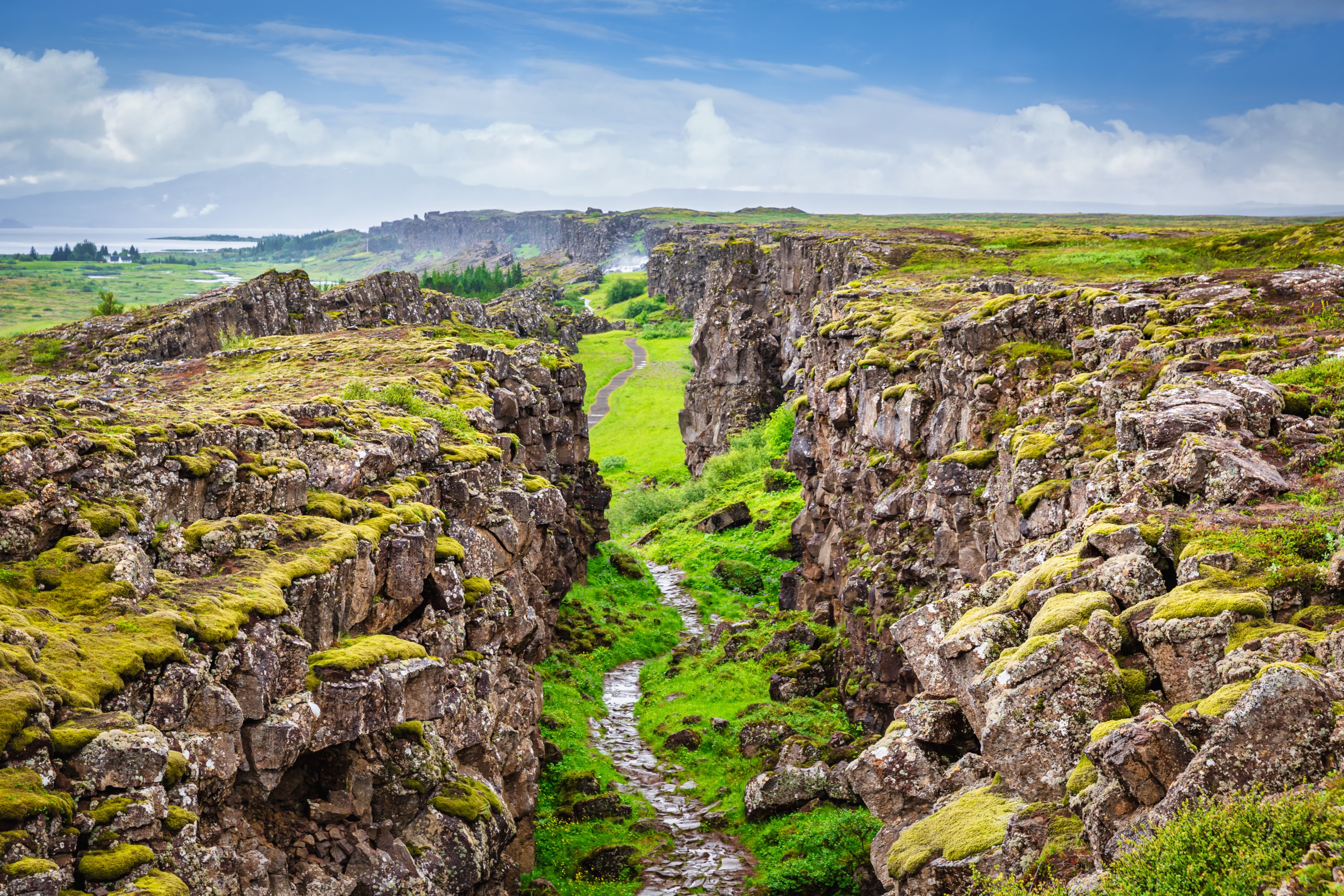
Plan at least an hour at major stops like Þingvellir (where you can walk between tectonic plates) and about an hour for places like Seljalandsfoss (which has a bathroom facility nearby). Some stops, like soaking in milky blue water at a local hot spring, may have extra costs but are worth it.
Are there unique activities beyond sightseeing?
Yes! Horseback riding, glacier hikes with Arctic Adventures, and chasing the Northern Lights wake at night are all incredible. Some tours offer a free drink too.
What makes this itinerary unforgettable?
Driving the entire Ring Road, eating tomato soup at a greenhouse café, exploring tiny towns with a visitor center and gas station nearby—every moment is filled with unforgettable memories. Just note: some activities are weather dependent and may vary by season.
Conclusion
A 5-day trip to Iceland offers the perfect snapshot of this breathtaking island, whether you visit in the glow of summer or the magic of winter. From the iconic Golden Circle Route to the dramatic South Coast, and from hot springs to the glistening ice of Diamond Beach and Jökulsárlón Glacier Lagoon, every day brings unforgettable adventure. In summer, enjoy warmer weather, endless daylight, and wildlife encounters.
In winter, chase the aurora borealis, explore icy caves, and soak under snowy skies. Booking key tours and accommodations early—especially during the off season—ensures a smooth journey. Whether you're road-tripping or joining guided tours, plan well, pack smart, and give yourself at least an hour at each stunning site. Iceland is waiting.