Sky Lagoon vs. Blue Lagoon: Which Iceland Spa Experience Is Better for You?
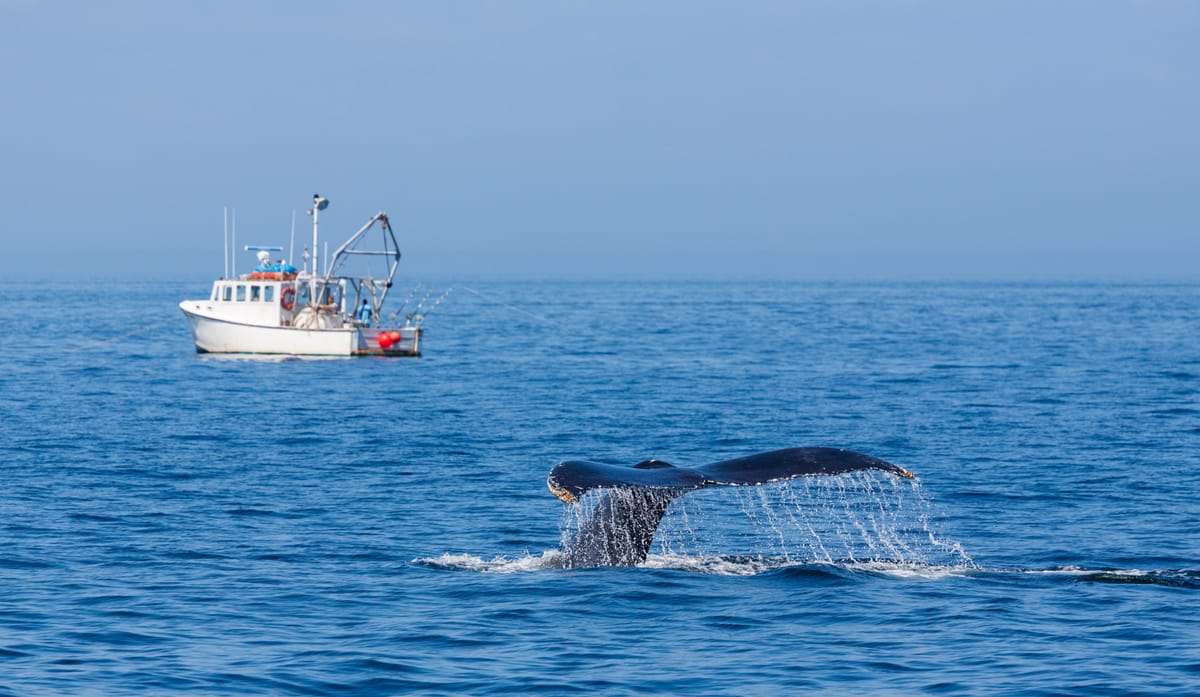
Reykjavík is one of the few capital cities in the world that offers front-row access to the ocean's giants. Whale watching tours depart directly from the city's Old Harbour into the wildlife-rich waters of Faxaflói Bay. In just a few minutes, you can spot humpback whales, minke whales, and playful dolphins against a stunning backdrop of glaciers and volcanic peaks.
Whether you're visiting during the summer's midnight sun or the soft twilight of winter, each trip is a unique chance to connect with Iceland's marine wilderness. Here’s everything you need to know, from the best time to go to expert tips for spotting these magnificent creatures.
Why Whale Watching in Reykjavík Is Unique
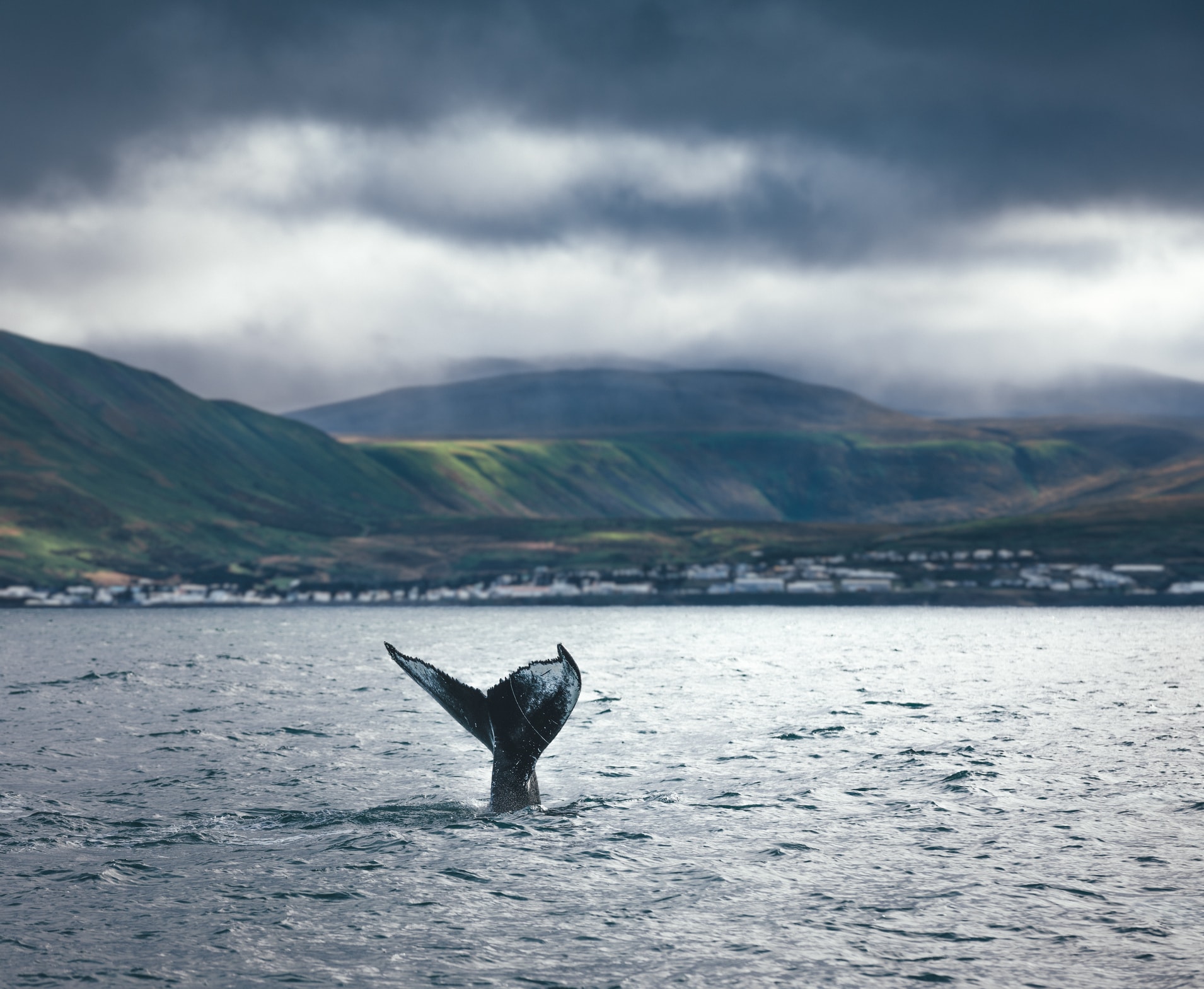
- Unmatched Accessibility: Few capitals offer such proximity to wildlife — tours depart directly from Reykjavík’s Old Harbour, just minutes from hotels and restaurants.
- Rich Marine Habitat: The surrounding Faxaflói Bay is a natural feeding ground for humpback, minke, and blue whales, as well as dolphins and porpoises.
- Year-Round Opportunities: Unlike many destinations, whale watching in Reykjavík runs all year, with summer offering calm seas and winter bringing the chance to see orcas.
- Scenic Backdrop: Snow-capped peaks like Mount Esja and volcanic coastlines frame every trip, creating unforgettable photo opportunities.
- Sustainable Tourism: Local operators emphasize eco-friendly practices and marine research partnerships, ensuring responsible encounters with wildlife.
- Bonus Experiences: Combine tours with nearby attractions such as the Whales of Iceland Museum, Sky Lagoon, or the Northern Lights, making Reykjavík a complete nature-lover’s paradise.
Why Whales Come to Iceland
Iceland's unique geographical location makes it the perfect destination for whale watching. The country is surrounded by nutrient-rich waters, thanks to the convergence of two major ocean currents - the warm Gulf Stream and the cold East Greenland Current. This creates an ideal environment for plankton and krill, which are essential food sources for many whale species.
Moreover, Iceland also lies along migration routes for several whale species, making it a popular pitstop for these magnificent creatures on their long journeys. Whales may travel thousands of kilometers to reach breeding or feeding grounds, and Iceland's waters offer a welcoming rest stop with abundant food sources.
Why Whales Come to Iceland
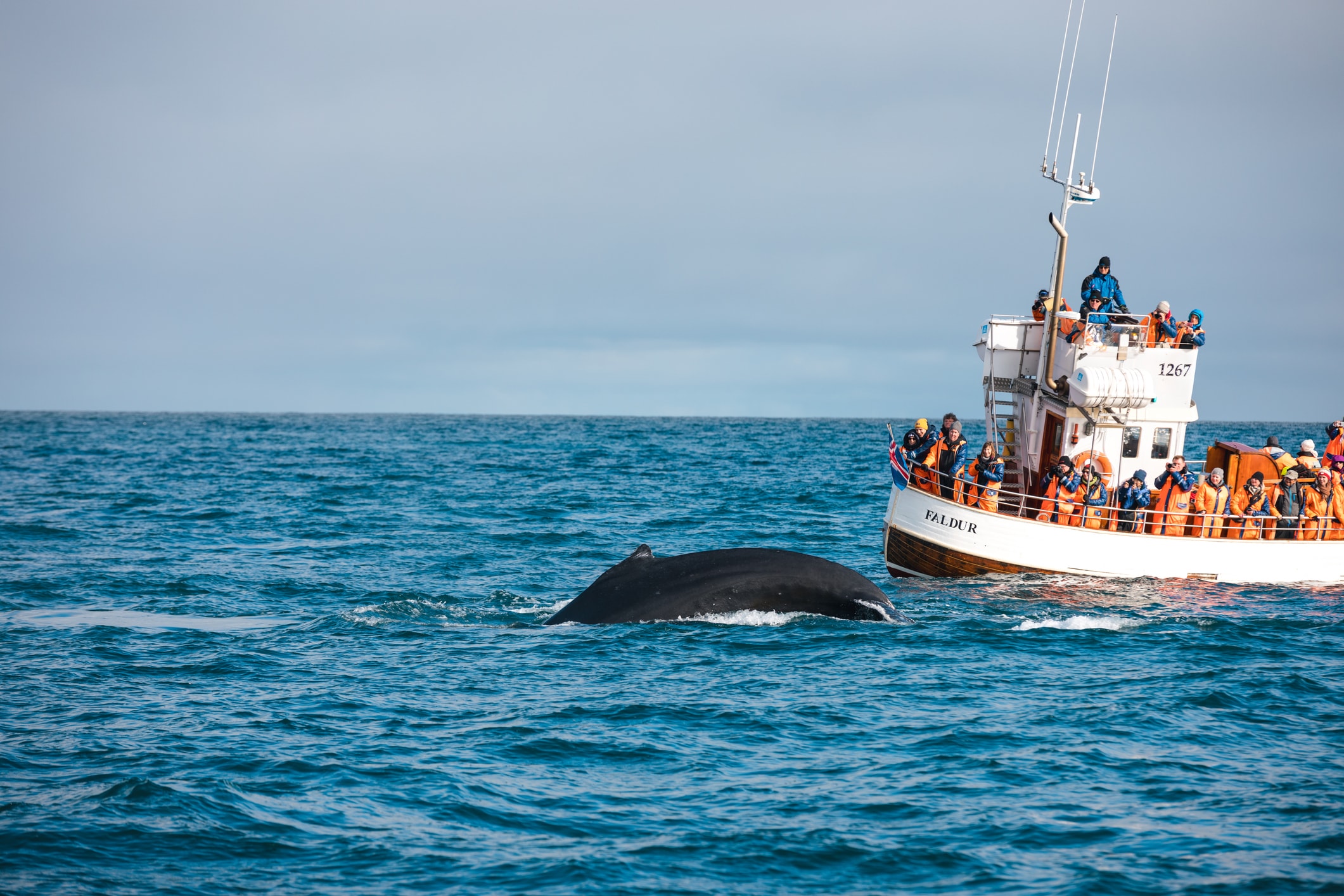
Whales migrate to Iceland’s waters primarily to feed during the summer months, drawn by the nutrient-rich currents of the North Atlantic. These cold waters are teeming with krill, plankton, and small fish, providing an ideal feeding ground after long migrations from tropical breeding areas.
The mixing of warm and cold ocean currents around Iceland creates a highly productive ecosystem, especially in regions like Faxaflói Bay, Skjálfandi Bay, and Eyjafjörður. Species such as humpback, minke, blue, and fin whales visit between April and October, when food is most abundant.
Once winter arrives, many migrate south to warmer seas for mating and calving, completing one of nature’s most impressive annual journeys.
When to Go Whale Watching
Timing is everything when it comes to whale watching in Reykjavík. While tours operate year-round, the experience varies greatly between seasons. Knowing when to go can help you choose the right time for the best weather, smoothest seas, and greatest variety of whale sightings.
The Best Season: April to October
The peak whale-watching season in Reykjavík runs from April to October, when the waters of Faxaflói Bay come alive with migrating whales and dolphins. As spring arrives, the warming sunlight and nutrient-rich currents trigger plankton blooms that attract fish — and in turn, whales. During these months, you’re most likely to encounter humpback whales, minke whales, white-beaked dolphins, and harbour porpoises.
The calm weather and longer daylight hours of Iceland’s summer make for particularly enjoyable trips. Between June and August, seas are generally smoother, temperatures milder, and visibility ideal for photography. The midnight sun also offers evening tours under golden light, creating a surreal, glowing seascape where whales can surface just meters from the boat.
Winter Whale Watching: November to March
While summer is the busiest time, winter whale watching in Reykjavík is equally magical in a different way. Fewer tours operate, but they often run with smaller groups, providing a quieter and more intimate experience. During winter, the focus shifts from humpbacks to orcas (killer whales), pilot whales, and occasionally fin whales that venture closer to the coast.
The weather can be unpredictable — expect colder air, choppier seas, and limited daylight — but the rewards are worth it. Winter tours frequently pair whale watching with Northern Lights excursions, offering two of Iceland’s most iconic natural wonders in a single evening. Watching the aurora dance over the sea after spotting whales is an unforgettable experience.
Best Time of Day
Whale activity doesn’t follow a strict schedule, but certain times of day can influence your comfort and viewing conditions.
- Morning tours often have calmer seas and less wind, making them ideal for first-time visitors or families.
- Afternoon trips offer stronger daylight for photography, especially in summer.
- Evening cruises during the midnight sun season (June–July) are peaceful and atmospheric, with warm light and fewer crowds.
Choosing the Right Time for You
If you prefer mild weather, long daylight, and frequent sightings, May through September is your best bet. For adventurous travelers seeking a unique Arctic experience with fewer tourists, winter tours bring dramatic skies and potential aurora sightings.
Regardless of the season, whale watching in Reykjavík promises close encounters with some of the ocean’s most awe-inspiring creatures — an experience that defines Iceland’s wild spirit year-round.
What to Expect on a Whale Watching Tour

Whale watching in Reykjavík is one of the most immersive wildlife experiences in Iceland, blending ocean adventure with breathtaking scenery.
Whether you’re stepping onto a classic whale-watching vessel or a high-speed RIB boat, here’s exactly what to expect from start to finish.
1. The Starting Point — Reykjavík’s Old Harbour
All whale watching tours depart from Ægisgarður Pier in Reykjavík’s charming Old Harbour. The atmosphere is lively, filled with cafés, souvenir shops, and fishing boats.
Upon arrival, you’ll check in at your tour company’s office, collect boarding passes, and receive a short briefing. Most operators provide warm overalls, life jackets, and seasickness tablets if needed.
2. Setting Sail Across Faxaflói Bay
As the boat leaves the harbour, you’ll immediately enjoy panoramic views of Mount Esja, Reykjanes Peninsula, and on clear days, Snæfellsjökull Glacier.
The ride out to whale-feeding grounds typically takes 20–40 minutes, depending on sea conditions. The guides—usually local marine experts—share stories about Iceland’s whale species, migration patterns, and marine conservation efforts along the way.
3. Wildlife Encounters on the Open Sea
Once you reach Faxaflói Bay, the real excitement begins. The area teems with life, especially in summer, when whales migrate north to feed on abundant plankton and fish.
Common sightings include minke whales, humpbacks, white-beaked dolphins, and harbour porpoises. Occasionally, lucky visitors might spot blue whales, orcas, or even fin whales.
Whale watching in Iceland is entirely natural—there are no guarantees—but the success rate in summer is impressively high, often exceeding 90%. Guides use binoculars to scan the horizon, announcing sightings over the loudspeaker as passengers rush to the deck for a glimpse of a whale’s spout, tail slap, or spectacular breach.
4. Comfort and Safety on Board
Even though you’re on the North Atlantic, modern vessels ensure comfort for all passengers. Classic boats feature heated indoor cabins, restrooms, and snack bars, while RIB boats offer a thrilling, close-to-the-water ride ideal for photographers.
Seas can be choppy, so layering up with thermal wear and waterproof outer gear is recommended. Crew members are trained in safety and first aid, ensuring a secure experience for all ages.
5. The Return Journey
After about 2–3 hours at sea, the boat heads back toward Reykjavík, often accompanied by seabirds like puffins (in summer) or Arctic terns.
Guides summarize sightings, answer questions, and sometimes share hydrophone recordings of whale sounds captured during the trip. As the skyline reappears, you’ll often see the Harpa Concert Hall gleaming like crystal on the waterfront—a perfect photo opportunity before docking.
6. Post-Tour Experiences
Many companies offer free rebooking if no whales are seen, so you can return another day. After the tour, enjoy a meal at a nearby seafood restaurant such as Saegreifinn (The Sea Baron) or Kopar, both within walking distance.
Whale watching isn’t just an excursion—it’s an unforgettable journey into Iceland’s wild, living seascape, where every trip brings a new story written by the ocean itself.
Marine Life You May Encounter
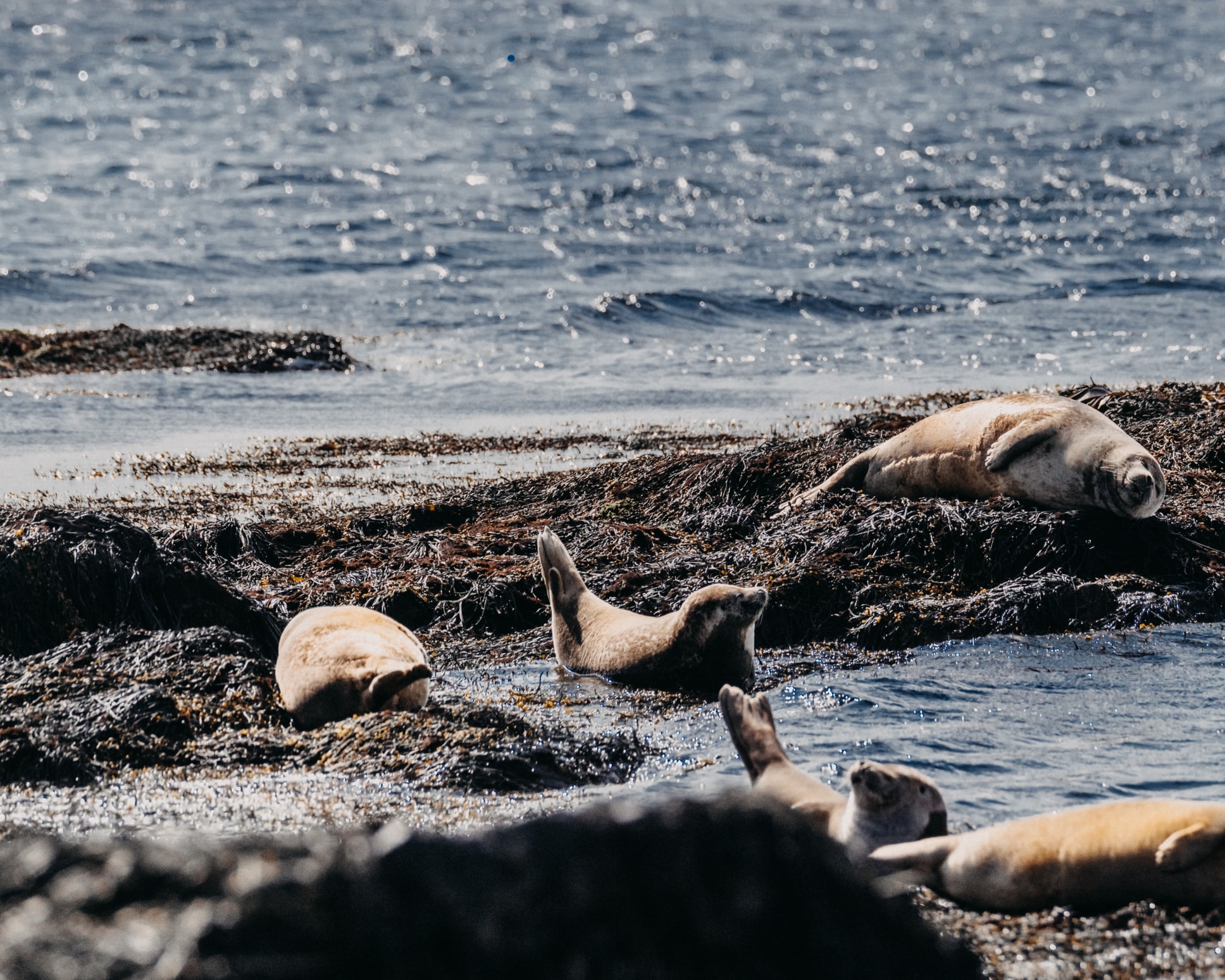
- Humpback Whales: The stars of Reykjavík’s whale-watching season, famous for their playful breaches, tail slaps, and acrobatic dives.
- Minke Whales: The most commonly sighted species in Faxaflói Bay — small, sleek, and curious, often approaching boats.
- White-Beaked Dolphins: Social and fast-moving, they frequently swim alongside vessels in energetic pods.
- Harbour Porpoises: Shy but abundant, recognizable by their small dorsal fins breaking the surface.
- Orcas (Killer Whales): Occasionally seen in winter months, especially near herring runs along the coast.
- Blue and Fin Whales: Rare but spectacular sightings during peak summer migrations.
- Seabirds: Puffins (May–August), gannets, Arctic terns, and gulls often accompany tours, completing the marine ecosystem’s vibrant display.
What to Bring and How to Prepare
Preparation is key for comfortable Reykjavík whale watching. Dress in layers—it's much colder on the water. Wear thermal underlayers, a fleece, and a waterproof jacket. Don't forget gloves, a hat, sunglasses, and essential non-slip, waterproof shoes/boots for safety on deck.
For photography, use a strap or waterproof case and bring extra batteries, as cold drains power quickly. If prone to seasickness, pack motion sickness tablets. Also, bring snacks, water, and lip balm. Arrive 30 minutes early for check-in, to receive safety gear, and for a briefing before sailing.
Insider Tips for an Unforgettable Experience
- Book early: Whale-watching tours fill up fast during summer (June–August).
- Choose your vessel: Classic boats offer comfort, while RIB speedboats get you closer to the whales.
- Pick the right time: Morning tours often have calmer seas, while evening trips offer softer “golden hour” light.
- Stay warm: Even in July, sea temperatures are chilly — layer up and use the thermal overalls provided.
- Listen to your guide: Local experts know where whales feed and how to spot them.
- Bring binoculars: Helpful for distant sightings and birdwatching.
- Be patient: Whale sightings vary daily — nature rewards those who wait.
- Combine experiences: Pair your tour with Perlan, Lava Show, or Sky Lagoon for a perfect Reykjavík day.
Responsible Whale Watching and Conservation
Whale watching in Reykjavík follows strict guidelines to protect marine life and ensure sustainable tourism. Local operators cooperate with research institutions and adhere to codes of conduct that minimize disturbance to whales.
Boats maintain safe distances, reduce engine noise, and never chase or encircle animals. Many tours contribute data to scientific studies on whale populations and migration patterns. By choosing ethical companies, visitors help fund marine conservation, support local communities, and raise awareness about ocean protection.
Guests are encouraged to follow crew instructions, avoid littering, and respect wildlife. Responsible whale watching ensures these magnificent creatures continue to thrive in Iceland’s pristine North Atlantic waters for generations to come.
Practical Information
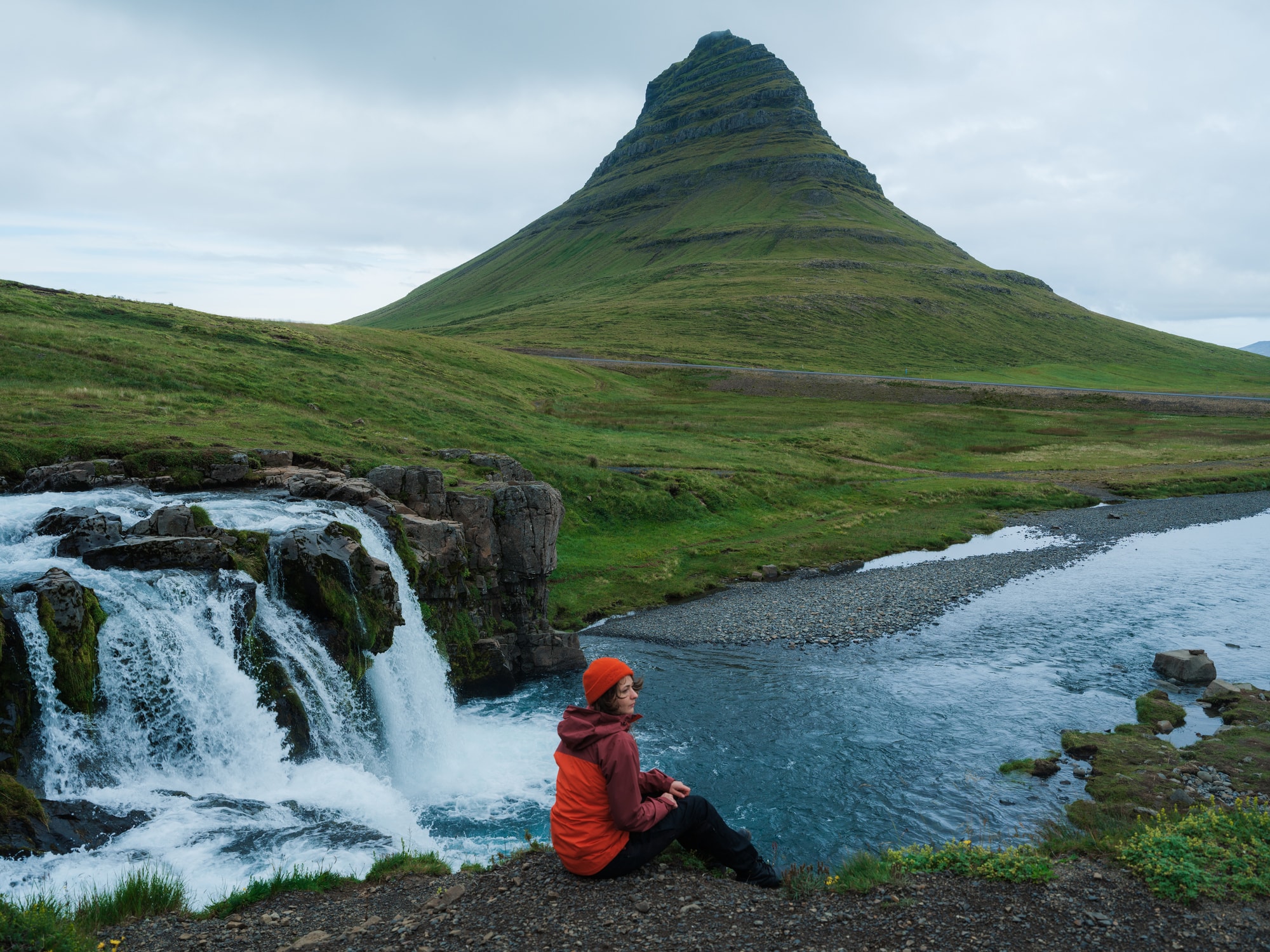
- Departure Point: All tours leave from Ægisgarður Pier, Reykjavík’s Old Harbour.
- Duration: Trips typically last 2–3 hours, depending on sea conditions.
- Tour Types: Choose between classic boats (comfortable and spacious) or RIB speedboats (fast and close to the water).
- Ticket Prices: Average 10,000–17,000 ISK for classic tours; RIB tours start around 22,000 ISK.
- Booking: Reserve online in advance, especially during summer.
- Facilities: Most boats have restrooms, heated cabins, and snack bars.
- Accessibility: Classic vessels are suitable for families and most mobility levels; RIBs are best for active travelers.
Make It Effortless: Private Whale Watching & Northern Lights Tours with Lagoon Stops
Skip the planning! Let The Iceland Tour Co. handle your private guided tour, combining Reykjavík's best marine and celestial wonders into one unforgettable evening.
Your personal guide monitors sea and weather conditions for optimal whale sightings and Northern Lights views. These private tours offer comfort, no crowds, and a flexible schedule tailored for you.
Add a relaxing geothermal lagoon stop:
- Sky Lagoon – Luxurious ocean-edge spa, perfect before or after your tour.
- Hvammsvík Hot Springs – Peaceful fjordside retreat with minimal light pollution and amazing Northern Lights visibility.
- Laugarás Lagoon – Iceland’s newest geothermal lagoon near the Golden Circle, known for calm skies and excellent aurora viewing.
This all-in-one private adventure lets you see whales, unwind, and chase the aurora—all without planning headaches. With The Iceland Tour Co., Iceland’s incredible beauty is easy, immersive, and truly unforgettable.
FAQs
Why is Reykjavík considered the whale watching capital of Iceland?
Whale watching in Reykjavík is popular because it’s close to feeding grounds where minke and humpback whales gather. Its cold northern waters attract marine mammals like orca whales, harbor porpoises, and sperm whales—making it Iceland’s true whale watching capital with year-round tours and great surrounding landscapes.
What should I expect on a whale watching trip from Reykjavík Harbor?
Most Reykjavík whale watching tours depart from the Reykjavík Harbor, within easy walking distance of the city center. You’ll sail past snowy mountains while spotting migratory whales in their natural habitat. Expert whale watching guides share insights about each whale species, helping visitors safely enjoy the whale watching experience.
Is whale watching possible in the winter months?
Yes, you can join a winter whale watching tour to see minke whales, humpback whales, and occasionally orca whales (also called killer whales). Even during calmer winds, dress warmly for the arctic waters—the views of marine mammals and basking sharks are breathtaking against Iceland’s snowy mountains.
Are there different whale watching excursions outside Reykjavík?
Definitely. Many tour operators offer whale watching excursions to Westman Islands and North Iceland, home to the most famous whale populations. These day tours reveal different whale species and are perfect for anyone wanting to explore Iceland beyond commercial whaling history—a day trip that combines fun, education, and pure ocean adventure.
Conclusion
Whale watching in Reykjavík is more than just a tour—it’s a window into Iceland’s wild and untamed sea life. With easy access from the city’s Old Harbour, travelers can witness humpback whales, minke whales, and playful dolphins just minutes from shore. The experience combines adventure, education, and breathtaking scenery against a backdrop of snowcapped peaks and volcanic landscapes.
Whether you go in summer’s golden daylight or winter’s crisp twilight, each trip offers a chance to witness nature at its most majestic. Sustainable practices and passionate local guides ensure every encounter respects the ocean and its magnificent inhabitants.