Inside the Icelandic Lava Show: What Really Happens When the Lava Flows
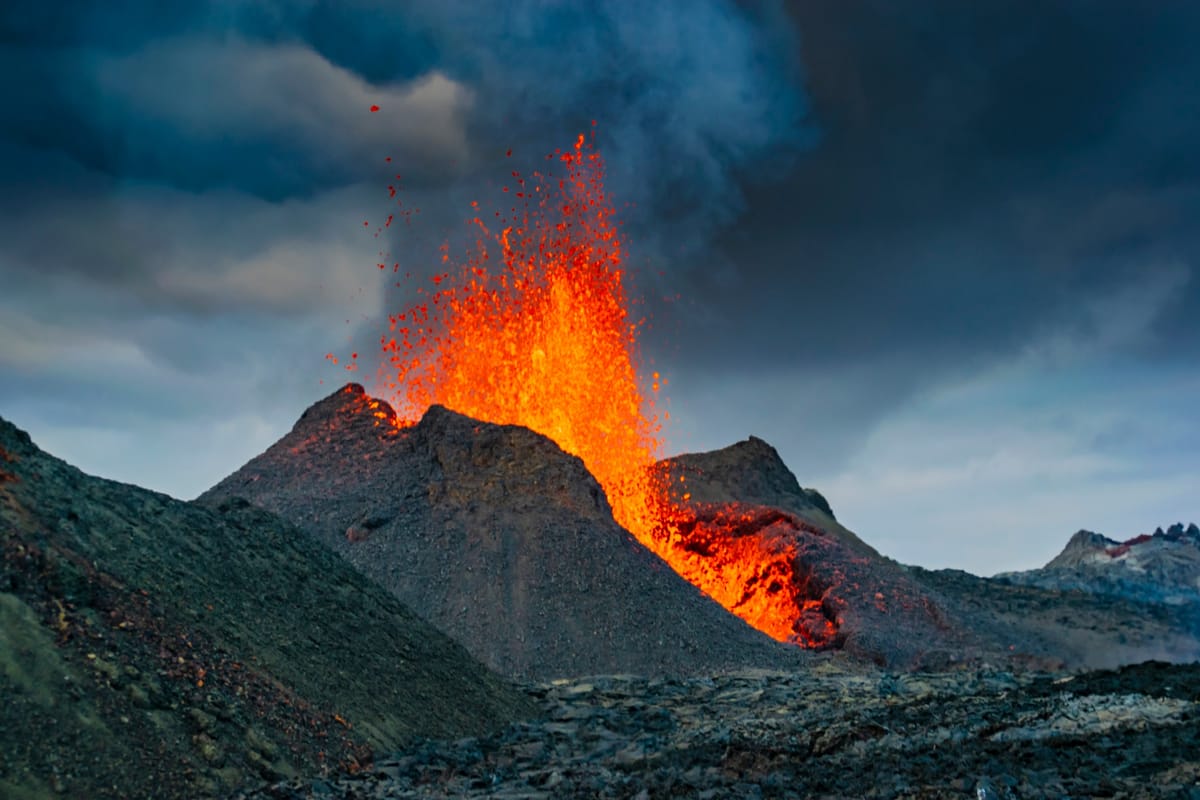
Few experiences let you safely see, hear, smell, and feel volcanic forces up close. The world-first, award-winning Icelandic Lava Show melts real Icelandic lava to ~1,100 °C (2,000 °F), pouring it into a theater for audiences to witness a miniature eruption live.
Running year-round in Reykjavík and Vík (South Coast), it blends science with raw spectacle: a rushing orange sheet, rock cracking into glass, and a sudden blast of heat.
This guide covers how lava is made, its behavior (especially with ice), your minute-by-minute experience, and how to plan your visit—including tickets, safety, accessibility, photography, and attraction combos.
What the Lava Show actually is (and isn’t)

At its core, the Lava Show is a live geoscience demonstration. Technicians load basaltic rock—the same stuff that formed Iceland’s lava fields—into industrial furnaces in a back room.
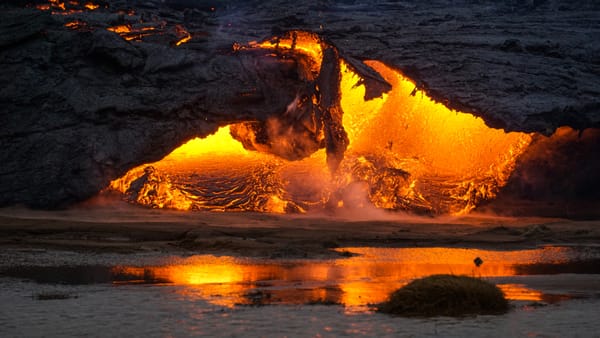
Over hours, the rock is superheated to ~1,100 °C until it liquefies. At showtime, staff open a channel and pour the molten lava into a specially engineered stage “lava bed,” sometimes across blocks of ice to dramatize the clash of extremes. The room warms; the lava glows, flows, hisses, spits, and vitrifies right before you.
It is not a movie or projection (though short films and explanations frame the demo). It is real lava handled under strict protocols by trained staff using a purpose-built setup that separates the audience from the high-risk zone while allowing you to feel genuine radiant heat.
The Science Behind the Show: Why 1,100°C Lava Flows Like Honey
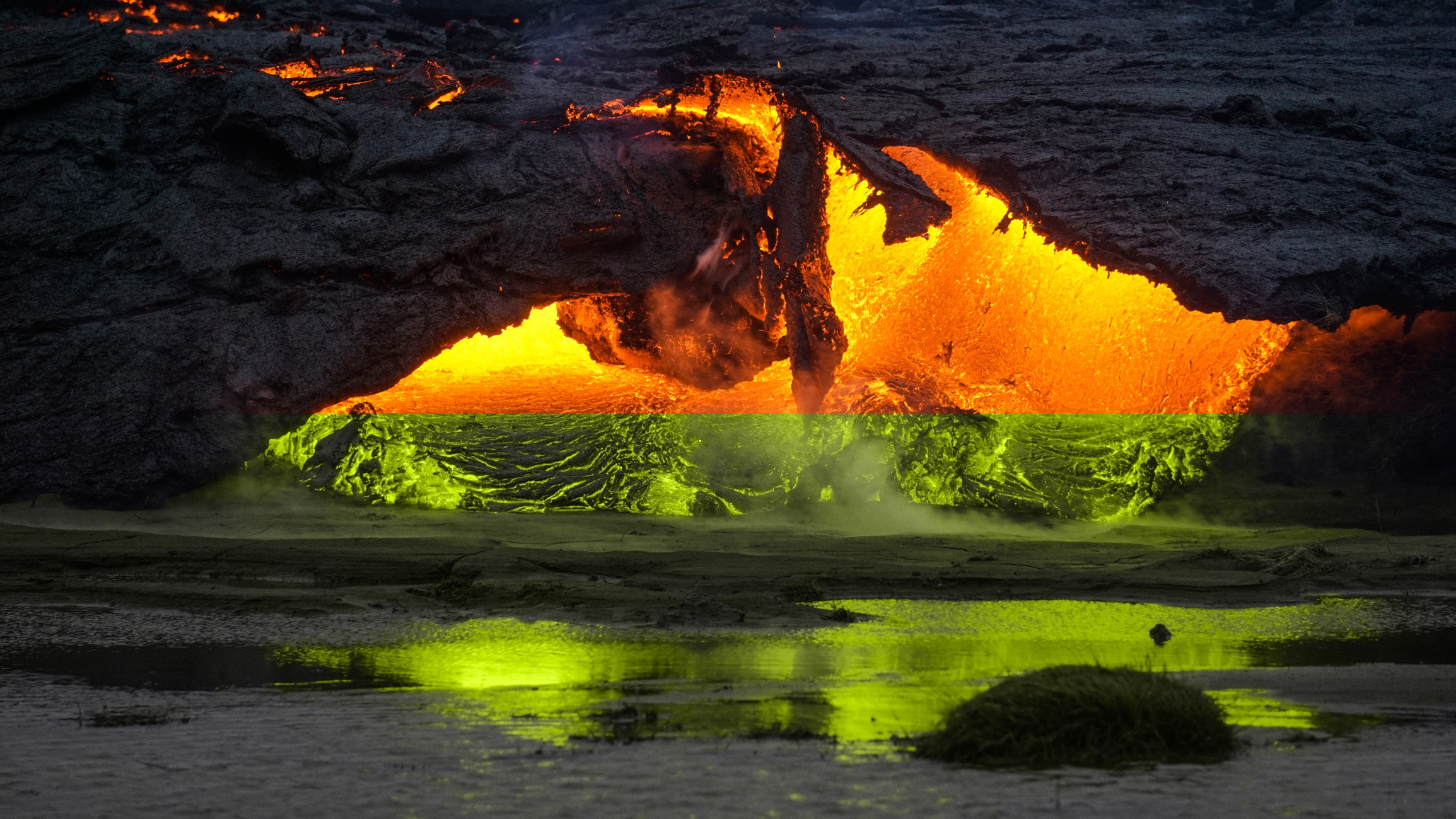
Iceland's geology is dominated by basalt, a volcanic rock with low silica content. Less silica means lower viscosity (or thickness), so hot basalt lava flows much more easily than the sticky, high-silica lavas found in explosive volcanoes elsewhere.
As long as the lava stays hot, it pours. As it cools, it transitions from a glowing orange liquid to a dark, glassy crust, and finally to black, solid rock, often filled with frozen gas bubbles called vesicles. This is why the lava in the show behaves like a fast-moving, glowing syrup before it stiffens and cools.
When the lava hits ice, the reaction is dramatic. The ice instantly turns to steam, and the meltwater rapidly cools the lava's outer layer into glass. The expanding steam crackles and pops, fracturing the surface into shiny black plates. This is a small-scale demonstration of the powerful interactions that build Iceland’s vast lava fields.
Where the show runs (and how long it lasts)
The Icelandic Lava Show operates in two locations, each offering a unique setting and slightly different experience:
Reykjavík
Located in the Grandi district at Fiskislóð 73, this capital-city venue offers both the Classic and a more immersive Premium experience, where visitors sit closer to the action and enjoy expanded storytelling. Shows typically run 45–55 minutes, blending education, science, and spectacle in an intimate space designed for comfort and impact.
Vík
The original South Coast theater remains a must-visit for travelers staying near black-sand beaches, glacier tours, or Katla Geopark. The show here runs about 50–60 minutes and maintains the authentic feel of where the concept first came to life.
Both venues provide free on-site parking and operate year-round schedules. Because the furnace requires several hours of preheating, morning shows are rare—most performances begin later in the day to allow proper setup and safety checks.
The science & staging: how lava is made “on demand”
Backstage, industrial furnaces melt crushed basalt to a precise temperature. A dedicated "lava melter" (yes, that’s a real role) monitors temperatures, viscosity, and charge volume, coordinating closely with safety staff.
The team inspects channels, shields, and the receiving bed. The audience puts on safety goggles, and theater doors close to control airflow.
When the pour begins, a glowing stream enters the chamber, often aimed across prepared ice for maximum contrast. From a materials science perspective, you’re watching a hot, low-viscosity Newtonian fluid begin to polymerize (form a growing silicate network) as it cools.
The outer skin quenches into glass, while the core remains liquid longer. The flow then produces ropy pahoehoe textures or breaks into ‘a‘ā-like clinkers, depending on cooling rate and shear. The sounds you hear—hiss, crack, snap—are the glass skin fracturing as steam vents and the core stiffens.
Minute-by-minute: what you’ll experience
0–10 minutes: Orientation
Brief film and live intro on Iceland’s volcanic history (Katla, Eyjafjallajökull, Reykjanes), lava types, and safety rules. The emcee often ties the demo to real eruptions and Icelandic families’ lived experience of ash and jökulhlaups.
10–20 minutes: Goggles on; the pour
House lights dim. A port opens. Orange lava ribbons into the chamber and the room temperature jumps—audiences routinely describe it as “T-shirt weather” for a minute or two. You’ll see the glow, hear the crackle, and feel the radiant heat wave.
20–35 minutes: The transformation
Lava meets ice (in most shows). Expect steam columns, sizzling, and the surface glassing over into black plates with shiny edges. Guides highlight textures, color changes, and explain the cooling curve and crystallization (olivine, pyroxene, plagioclase microlites if it’s slow enough).
35–50 minutes: Questions & up-close viewing
Heat eases; staff approach the safe zone to poke, lift, and break cooled plates so you can examine vesicles and glass. Some shows allow brief photo moments near the channel or bed (from behind a barrier). Then it’s Q&A: viscosity, temperature, safety, and what’s different in real eruptions.
Is it safe? How a 1,100 °C demo works for families
Safety is built into venue design, PPE, and procedures:
- Distance & barriers: Audience seating is set back; there’s a clearly marked hot zone between you and the lava bed.
- Goggles: Staff instruct everyone to wear safety goggles any time molten lava is present (and while it’s cooling, when glassy skins can ping or pop).
- Air & heat management: Doors close, extraction runs, and staff modulate the pour volume to control radiant heat.
- Trained crew: A professional lava melter monitors the furnaces while floor staff manage audience safety and narration.
The result: an all-ages experience where the largest risk you’ll feel is warmth on your cheeks—and a sudden respect for basalt.
Classic vs Premium (and Reykjavík vs Vík): which ticket to book?
Choosing between Classic and Premium tickets—or between the Reykjavík and Vík venues—depends on your travel style, schedule, and how close you want to get to the molten magic.
Classic Lava Show (Reykjavík & Vík)
The signature 50-minute experience includes the full lava pour, dramatic ice interaction, and an engaging Q&A with the presenters. It’s the ideal choice for first-time visitors, families, and general travelers, offering a complete look at Iceland’s volcanic power in an accessible, immersive format.
Premium Lava Show (Reykjavík only)
A smaller-group version of the Classic show with closer seating, expanded storytelling, and extra interaction time with both the cooled lava and the expert team. Perfect for science enthusiasts, photographers, or anyone who prefers a more personal experience with fewer people in the frame.
Reykjavík vs Vík
- Vík: Best suited if you’re already exploring the South Coast—it’s an ideal stop between Dyrhólaey, Reynisfjara Beach, and glacier tours.
- Reykjavík: Convenient for those based in the city, easily paired with nearby attractions like the Harbor museums, Grandi Mathöll food hall, or FlyOver Iceland.
Whether you go urban or coastal, Classic or Premium, every ticket delivers the same unforgettable core experience—the sight, sound, and heat of real, flowing lava.
How it compares to other “volcano” experiences
Perlan’s Volcano and Forces of Nature exhibits offer an educational and immersive experience, providing valuable context through features like the Geldingadalir/Fagradalsfjall shows and earthquake simulators.
While these exhibits are highly engaging, they focus on understanding natural phenomena rather than delivering a dramatic "lava-in-your-face" experience. Many visitors choose to explore Perlan for its scientific outlook before heading to other attractions.
For those seeking the thrill of live lava, the Lava Show offers an indoor, reliable experience showcasing the intense heat and physics of molten lava year-round. Active eruption sites, when accessible, provide outdoor adventures but are weather-dependent, often requiring long hikes and adhering to safety advisories.
The physics of the pour (for the curious)
Basalt lava, at around 1,100 °C, behaves like thick oil; its viscosity decreases with higher temperatures and lower silica content. As it flows, heat escapes mainly through radiation and conduction into the ground or ice beneath it.
Within seconds, a glassy crust forms on the lava, insulating the still-flowing core even as the surface turns black. When lava meets ice, the rapid cooling creates volcanic glass (similar to obsidian) that fractures with distinct conchoidal cracks. This process generates the popping sounds heard during the pour.
In real eruptions, gas content and eruption rate drastically change the outcome. High gas levels lead to more bubbles and greater explosivity, while low gas and hot basalt result in smooth pahoehoe flows. The Lava Show maintains consistent lava composition and temperature to clearly illustrate these physical principles.
Accessibility, photography & practical tips
Make the most of your Icelandic Lava Show visit with these essential on-the-ground insights, covering everything from comfort and safety to capturing the perfect shot.
Accessibility
The Classic program in Reykjavík is wheelchair-accessible, with level entry and designated seating areas. The Vík location also accommodates most mobility needs, though space may vary. Always confirm accessibility details when booking to ensure a smooth experience.
Heat & Clothing
You won’t need any special gear, but you’ll definitely feel the heat once the lava starts flowing. Layer up, as most guests remove jackets or outer layers once seated.
Photography & Video
Smartphones perform surprisingly well in the warm glow of the molten rock. For DSLR or mirrorless cameras, use:
- Wide lenses to capture the full pour
- Fast apertures (f/1.8–f/2.8)
- ISO 400–1600 for balanced exposure
- Shutter speeds between 1/125–1/250 to freeze the flow while keeping the color vivid
Always ask staff before photographing or filming, especially during the lava pour, to ensure safety and respect for others’ viewing experience.
Seating Tips
- For heat lovers and detail shots, choose front-center seats (still safely behind the barrier).
- For wide, cinematic photos, sit a few rows back and centered to capture the entire scene.
For Families
The show is family-friendly, and children are often captivated by the spectacle. Staff explain the science and safety procedures clearly and enthusiastically, helping young guests feel secure and engaged.
Sensory checklist: what your body will notice
Experiencing the Icelandic Lava Show isn’t just visual—it’s a full-body encounter with heat, sound, and motion. Here’s what to expect as your senses take it all in:
- Light – Watch the color evolve in real time: from blinding yellow-white at the molten channel to deep orange and red hues as the lava cools and solidifies.
- Sound – You’ll hear hissing steam, tinkling shards of cooling glass, and the occasional sharp pop as crusts fracture—each one marking a new stage in the cooling process.
- Heat – A powerful wave hits during the first minute of the pour, followed by a steady, warm ambient air that gradually fades as the lava hardens. (Yes, you’ll feel it—but you won’t need protective gear.)
- Smell – A faint, metallic or mineral scent lingers in the air. Excellent ventilation keeps it subtle and short-lived.
- Texture (post-demo) – After the show, staff present cooled lava plates so you can touch the results: glassy skins, frothy vesicles, and smooth, shiny edges formed by rapid cooling.
The experience is as much about feeling the energy of Iceland’s geology as it is about seeing it—an elemental performance you’ll remember long after the glow fades.
How to pair the Lava Show in your itinerary
The Icelandic Lava Show fits seamlessly into a range of day plans, whether you’re exploring Reykjavík, road-tripping along the South Coast, or crafting a science-themed adventure. Here’s how to make it part of a perfect day:
If You’re Based in Reykjavík
- Morning: Stroll the Harpa Concert Hall → Sun Voyager → Old Harbor route for sea views and architecture.
- Lunch: Refuel at Grandi Mathöll, Reykjavík’s vibrant harbor food hall.
- Afternoon: Experience the Lava Show (Grandi)—the heat, light, and storytelling are unforgettable.
- Evening: Relax at the Sky Lagoon or join the Reykjavík Cocktail Making Experience, hosted in collaboration with The Iceland Tour Co. This small-group workshop, led by local mixologists, teaches guests how to create Icelandic-inspired cocktails using glacier ice, berries, and herbs — a fun and flavorful way to end your day in the capital.
If You’re Driving the South Coast
- Morning: Visit Seljalandsfoss and Skógafoss, two of Iceland’s most iconic waterfalls.
- Afternoon: Explore the Reynisfjara black-sand beach and take in panoramic views from Dyrhólaey.
- Late Day: End with the Lava Show in Vík—a warm, fiery finale before dinner and aurora hunting (in season).
Lava & Ice in One Day: The Ultimate South Coast Combo
Why not turn your South Coast adventure into a full-day experience of Iceland’s most powerful natural contrasts? Begin your morning with a guided glacier hike on Sólheimajökull, exploring dramatic crevasses, blue ice formations, and volcanic ash layers that tell the story of centuries of eruptions.
After your glacier adventure, continue just a short drive to Vík for the Icelandic Lava Show — a fiery, indoor encounter that perfectly complements the frozen world you’ve just walked on. The combination of ice and fire in a single day captures the essence of Iceland’s extremes better than any other tour.
For an even more memorable day, consider arranging a private, guided version of both activities through The Iceland Tour Co. Their expert team ensures a seamless schedule, safe glacier experience, and reserved seats for the Lava Show, so you can enjoy it all in one smooth itinerary.
Science-Heavy Day
- Start at Perlan, exploring its Volcano and Earthquake exhibits.
- Continue to the Lava Show for a live demonstration of molten rock in motion.
- Finish at the Aurora Museum or a planetarium, ideal for cloudy nights when stargazing isn’t an option.
Each combination turns the Lava Show into more than a stop—it becomes a highlight woven into a full day of Icelandic nature, science, and relaxation.
Who will love the Lava Show?
The Lava Show offers a unique experience for many. It's a safe, educational, and unforgettable science moment for families.
Photographers will find inspiration in the luminous motion and textures. Science and geology enthusiasts can connect theoretical physics with Iceland's dynamic landscape.
Moreover, if bad weather cancels your aurora viewing plans, the show provides a fiery and memorable alternative, ensuring an impactful experience regardless of external conditions. The Lava Show is a versatile and compelling attraction for a wide range of interests.
Quick facts (copy-ready)
- What: Witness a live pour of molten basalt at ~1,100 °C (2,000 °F) onto a theater lava bed.
- Where: Reykjavík (Grandi) and Vík (South Coast).
- Length: Classic Show: 45–55 minutes. Premium Reykjavík experience offers extended viewing.
- Safety: Goggles required during pour and cooling. Features distanced seating, trained crew, and is family-friendly.
- Why Go: Experience Iceland's volcanic power with all your senses—indoors, year-round. A unique and immersive understanding of lava.
FAQs
What makes the Icelandic Lava Show so special?
The Icelandic Lava Show is the only live lava show in the world where real molten lava flows right before the audience. Located on an active volcano island, it recreates a volcanic eruption safely indoors, turning solid rock into bright orange, red-hot lava for a truly remarkable experience.
What happens during the performance?
After a short educational video, the live host explains Icelandic volcanism and the catastrophic Katla Volcano eruption. Then the lava starts pouring, slowly turning and gliding across the stage. The showroom quickly rises in temperature, creating a sensory-loaded experience of sight, heat, and sound.
Is the Lava Show safe to attend?
Yes. Though inspired by unpredictable and dangerous events, safety is a priority. Guests wear security goggles, and all toxic gases are vented.
How can I book and what else should I expect?
You can book online and enjoy interactive, fun, and educational moments in this beautiful village within the Katla UNESCO Global Geopark—a must-see when visiting Iceland.
Conclusion
The Icelandic Lava Show is more than a performance—it’s a rare, sensory journey into the heart of Iceland’s volcanic identity. Watching real molten basalt flow, hiss, and cool before your eyes bridges science and emotion in a way no film or exhibit can.
The intense heat, glowing color, and crackling transformation reveal how this island was forged—and continues to evolve. Whether you’re a geology enthusiast, photographer, or family traveler, the show transforms abstract geology into living reality.
It’s both thrilling and deeply educational, reminding visitors that Iceland’s beauty is built on fire and time. Few experiences capture that story so vividly—or so memorably.