Is Whale Watching in Reykjavik Worth It? Seasons, Wildlife and Tips
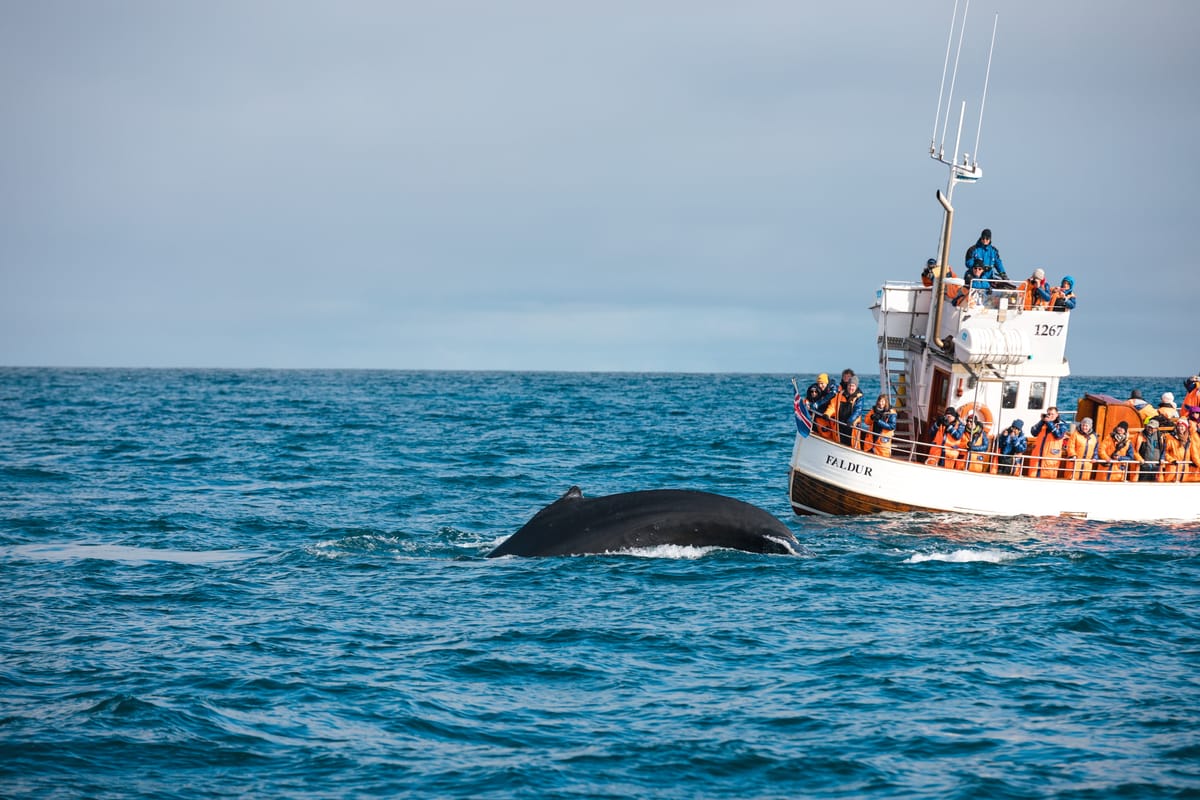
Reykjavík has become one of the world’s most popular whale watching destinations, offering visitors the chance to see incredible marine life just minutes from the city center. Tours depart directly from the Old Harbor, making it easy to add a wildlife adventure to any Iceland itinerary without venturing far.
From majestic humpbacks breaching the surface to playful dolphins racing alongside boats, every trip offers a new perspective on Iceland’s coastal ecosystem. But is whale watching in Reykjavík really worth it? The answer depends on when you go, what you hope to see, and how you prepare.
This guide explores the best seasons, likely wildlife encounters, and practical tips to help you make the most of your tour.
Does the Season Matter?
The short answer is yes. The longer answer is that it depends on your goals for whale watching in Reykjavík.
Iceland's waters are home to over 20 different species of whales, dolphins and porpoises, but their activity varies throughout the year. For example, humpback whales are commonly seen during summer months from May to September, while orcas can be spotted from November to February.
If you're looking to see a specific type of whale, research the best season for sightings before booking your trip. Keep in mind that weather conditions can also affect visibility and animal behavior, so always check with the tour company beforehand.
Why Reykjavík Is a Whale Watching Hotspot
Reykjavík is widely recognized as one of the best places for whale watching in Iceland, drawing thousands of visitors every year to its busy harbor. Unlike many destinations where travelers must journey far from the city to access prime marine habitats, Reykjavík makes it incredibly easy—boats depart just steps away from downtown.
This accessibility, combined with the rich marine environment of Faxaflói Bay, has made a whale watching tour one of the city’s top attractions.
Abundant Marine Life in Faxaflói Bay
The waters surrounding Reykjavík are filled with nutrient-rich currents that attract a wide range of whale species. Most tours regularly encounter minke whales, which are the smallest baleen whales but also among the most curious and playful. In summer, humpback whales are frequent stars of the show, known for their dramatic breaches and tail-slapping displays.
Visitors may also be lucky enough to spot fin whales, killer whales, or even blue whales, though these are rarer. The diversity of species ensures that every whale watching tour feels unique, with different encounters on each outing.
High Chance of Sightings
Another reason Reykjavík has earned its reputation is the high success rate of whale sightings. During peak whale watching season, from April to October, tours report success rates as high as 90%. Humpback and minke whales are the most commonly seen, but dolphins and porpoises are also regular companions to boats. Even outside the summer months, tours often spot wildlife, though rougher seas and shorter days make winter outings less predictable.
Variety of Tour Options
Reykjavík offers an impressive range of whale watching tours to suit every traveler. Larger boats with indoor seating are ideal for families or those who prefer comfort, while faster RIB boats provide thrilling rides that bring you closer to the animals. Some tours combine whale watching with puffin-spotting or fishing experiences, creating a full day on the water. Evening tours in summer allow visitors to watch whales under the midnight sun, adding another magical layer to the adventure.
Accessible Yet Wild
The convenience of whale watching in Iceland from Reykjavík cannot be overstated. Visitors don’t need to rent cars or travel hours into remote fjords; the city itself is a starting point for marine adventure. Yet, despite the accessibility, the waters feel wild and untamed. The sight of humpback whales surfacing against a backdrop of volcanic mountains or minke whales darting through the bay creates a sense of closeness to nature that few other activities can match.
A Sustainable Experience
Many local companies emphasize eco-friendly practices, from using low-emission boats to educating travelers about marine conservation. This ensures that a whale watching tour is not only an exciting experience but also one that supports the protection of these magnificent creatures for future generations.
Reykjavík’s unique location, rich marine environment, and variety of whale watching tours make it a true hotspot for observing whales in the wild. Whether you’re hoping to see playful minke whales, majestic humpback whales, or the rare blue whales and killer whales, the capital offers one of the best chances for unforgettable encounters. With high success rates and easy access, whale watching in Iceland from Reykjavík is an adventure that deserves a spot on every traveler’s itinerary.
Best Seasons for Whale Watching in Reykjavík
Iceland is famous for its dramatic landscapes, but the surrounding ocean is just as remarkable. One of the most popular activities for visitors is whale watching in Iceland, and Reykjavík has become the most accessible hub for this unforgettable experience. Tours depart directly from the Old Harbor, taking travelers into Faxaflói Bay, where nutrient-rich waters attract a wide range of whale species.
While tours operate throughout the year, the season you choose can greatly influence what you see and how comfortable the journey will be. Understanding the strengths of each season will help you plan the best time for your own whale watching tour.
Spring: April to May
Spring marks the beginning of the main whale watching season in Reykjavík. As the days grow longer and the seas become calmer, migrating whales return to Icelandic waters to feed. This is when sightings of minke whales and humpback whales become more frequent, offering exciting opportunities for early-season travelers.
Temperatures in April and May can still be chilly, so warm clothing and rain gear are essential for enjoying the ride. However, the smaller crowds compared to peak summer months mean a more personal atmosphere onboard. Bird enthusiasts will also appreciate that puffins begin arriving in late April, making spring tours a chance to combine whale encounters with seabird watching.
For those who want a balance of wildlife activity and fewer tourists, spring is an excellent choice. While blue whales and fin whales are rarer this early in the year, the chance of seeing active dolphins and porpoises is high.
Summer: June to August
Summer is by far the most popular time for whale watching in Iceland, and for good reason. The waters around Reykjavík are teeming with life, and the long days of nearly 24-hour sunlight provide endless opportunities for tours. During these months, the chances of whale sightings are at their highest, often exceeding 90%.
The stars of the season are humpback whales, famous for their acrobatic breaches, fluke slaps, and playful behavior near the surface. Minke whales are also frequently seen, often curious enough to approach boats. Lucky travelers may even spot killer whales or the enormous blue whales and fin whales, which occasionally pass through Faxaflói Bay.
Summer also brings the largest variety of whale watching tour options. Standard cruises, high-speed RIB adventures, and even evening tours under the midnight sun are all available. With calmer seas, the overall experience is more comfortable, making summer ideal for families with children or first-time sailors. The only drawback is the popularity—boats often fill up quickly, so booking in advance is essential.
Autumn: September to October
As autumn approaches, Iceland’s landscapes shift into vibrant colors, and so too does the rhythm of the sea. Whale watching in Iceland remains strong in September and early October, as many whales continue feeding before migrating south. Humpback and minke whales are still common, though sightings gradually become less predictable later in the season.
Autumn has a special appeal: fewer tourists, more space on boats, and the possibility of combining your tour with the northern lights in the evenings. For photographers, the softer autumn light creates incredible opportunities to capture whales breaching against dramatic skies.
Temperatures drop quickly during this season, and the weather becomes more unpredictable, so layers and waterproof clothing are essential. By late October, some operators reduce schedules, but those who venture out are rewarded with quieter, more reflective experiences.
Winter: November to March
Winter whale watching is the most challenging but also one of the most unique experiences Reykjavík has to offer. While tours operate year-round, conditions are harsher: short daylight hours, colder temperatures, and rougher seas can limit the number of trips. Yet for adventurous travelers, winter brings its own rewards.
Though less frequent, sightings of killer whales are more common in winter, especially around the herring-rich fjords further north, which some Reykjavík operators offer as extended excursions. Minke whales are still seen occasionally, and dolphins often accompany boats, adding excitement to tours.
What makes winter particularly special is the setting. Spotting a whale beneath snow-dusted mountains, with low Arctic light casting golden hues across the bay, creates a magical atmosphere. Many travelers combine a whale watching tour during the day with northern lights hunts at night, making winter visits truly memorable.
Because of the cold, dressing properly is crucial. Tour companies provide overalls and protective clothing, but gloves, hats, and thermal layers will make your trip far more comfortable. Seasickness medication is also recommended, as waves tend to be rougher.
What Wildlife You Might See
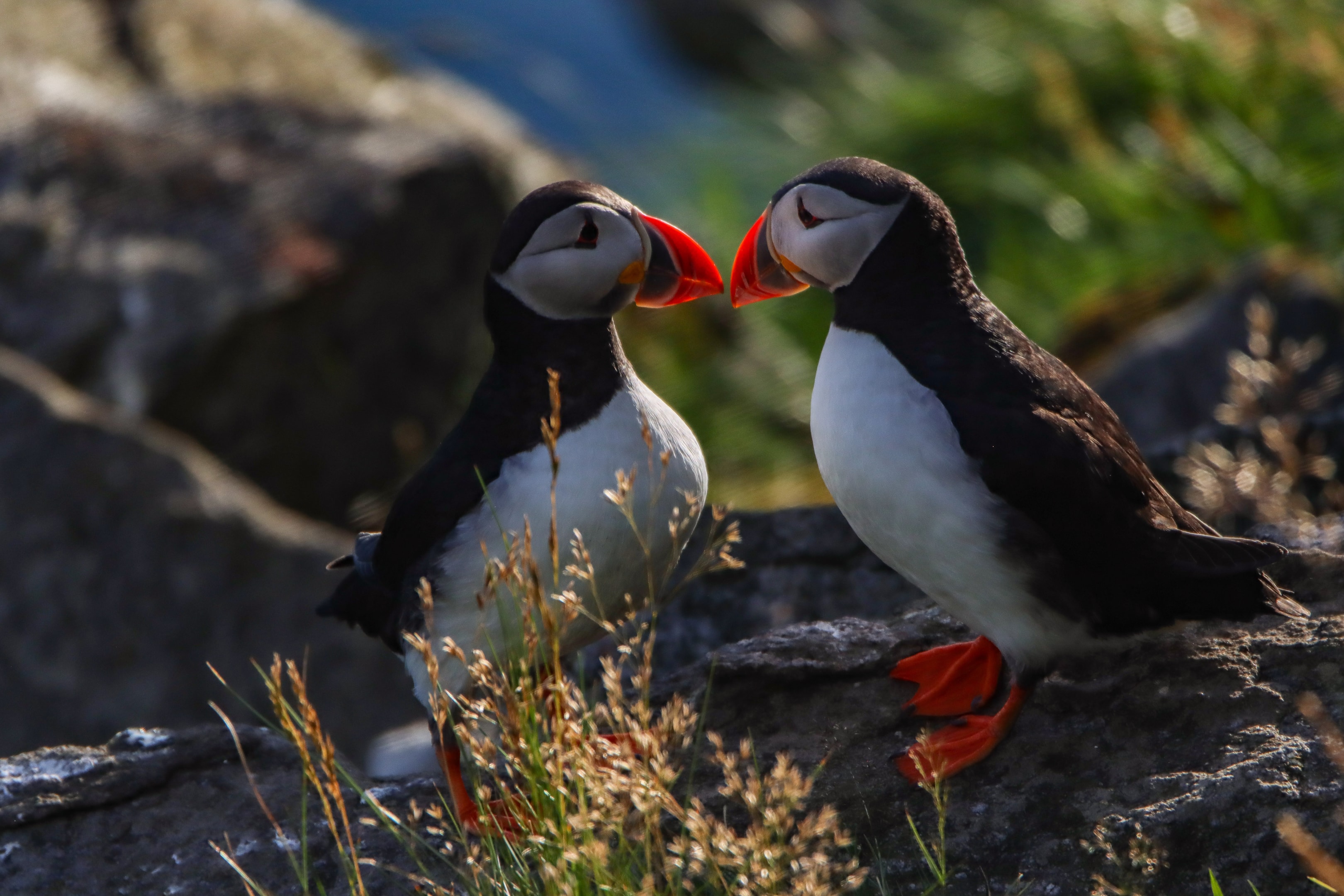
One of the main reasons travelers choose whale watching in Iceland is the incredible variety of animals that inhabit the waters around Reykjavík. A single whale watching trip can bring you face-to-face with several different species, from giants like minke and humpback whales to smaller but equally fascinating dolphins and porpoises. This diversity is what makes every outing a unique whale watching adventure, where no two tours are ever the same.
Minke Whales
The most common species spotted in Faxaflói Bay is the minke whale. These are the smallest of the baleen whales, typically measuring 7–10 meters in length. Despite their size, they are agile and curious, often surfacing close to boats. Their playful behavior and frequent appearances make them a highlight for many who enjoy whale watching in Reykjavík. Because they are so abundant, minke whales provide travelers with a high chance of memorable encounters during summer months.
Humpback Whales
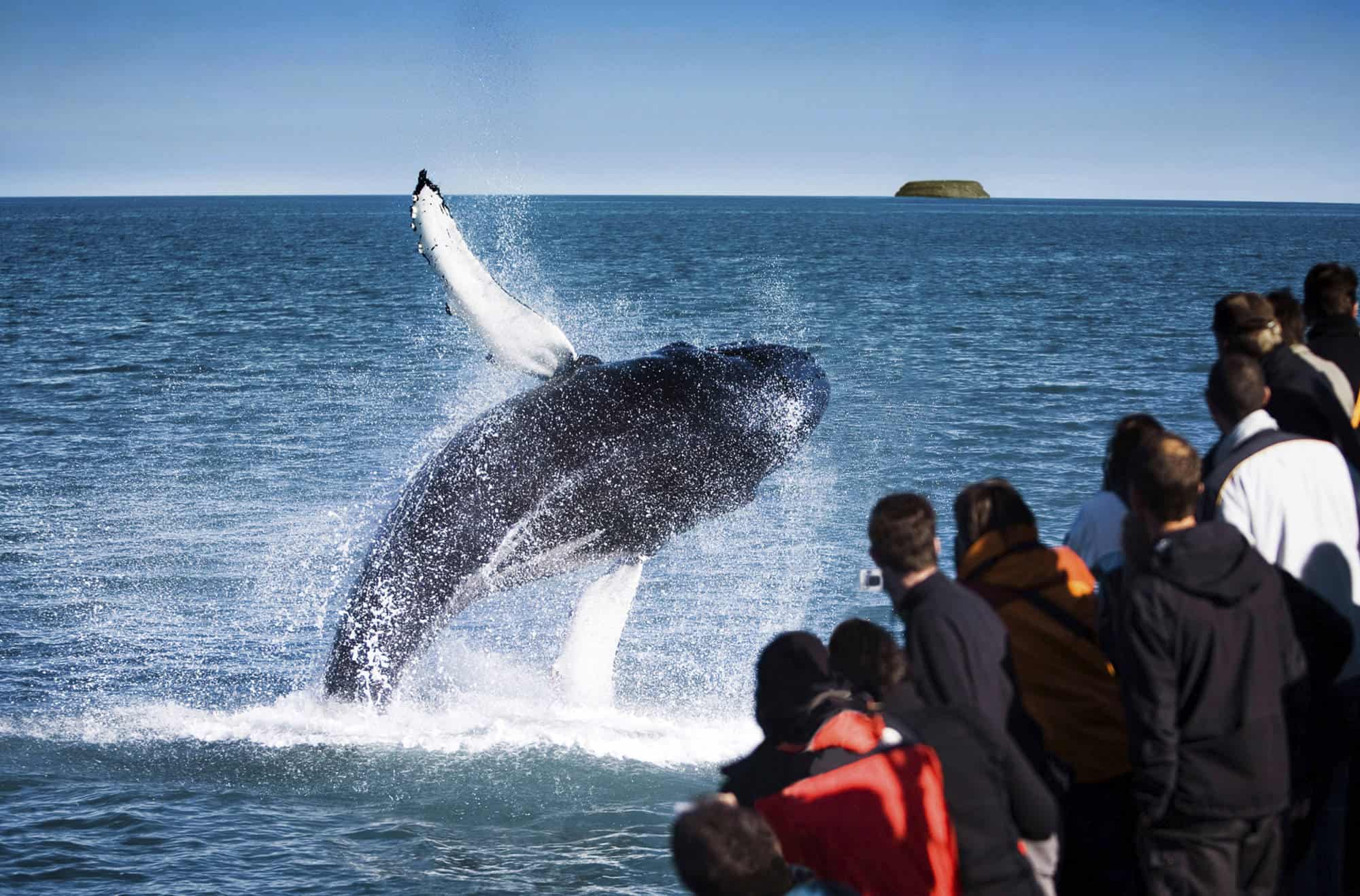
While less numerous than minkes, humpbacks are the real stars of many tours. Known for their acrobatics, humpback whales breach, slap their tails, and raise their enormous flippers out of the water, creating unforgettable moments. Seeing one of these 30-ton giants leap into the air is a breathtaking part of any whale watching adventure. They also tend to stay at the surface longer than other species, giving passengers plenty of opportunities for photos and observation.
White-Beaked Dolphins
Among the most social and entertaining animals encountered are white beaked dolphins. These medium-sized dolphins often travel in pods and are known to approach boats, riding the bow waves and performing playful jumps.
Their high energy and group dynamics make them a favorite during a whale watching experience. Travelers often remark that these dolphins add joy and liveliness to the tours, sometimes appearing even when whales are more elusive. Because they are year-round residents, the odds of spotting them are quite high.
Harbor Porpoises
Smaller and shyer than dolphins, harbor porpoises are another of the marine mammals you may see. They usually travel in pairs or small groups and are known for their subtle, quick surfacings rather than dramatic leaps. While less showy, their quiet presence reminds passengers of the richness of Iceland’s coastal ecosystems.
Other Whale Species
While minke and humpback whales are the most reliable sightings, other giants occasionally appear. Lucky travelers might spot fin whales—the second-largest whale species in the world—or even blue whales, which are rare but awe-inspiring when they surface. In winter, some tours also report encounters with orcas, also known as killer whales, particularly in areas where herring gather. These less common sightings are what make every whale watching trip unique and unpredictable.
Seabirds and More
A whale watching experience in Reykjavík is not just about whales and dolphins. The tours also provide a chance to see Iceland’s abundant birdlife. During summer, puffins are a common sight, nesting on nearby islands. Gannets, kittiwakes, and Arctic terns also circle the bay, diving dramatically into the water in search of fish. These encounters add another layer of excitement to an already diverse whale watching adventure.
Why the Variety Matters
The wide range of marine mammals and seabirds means that every passenger can connect with nature in a different way. Some will be thrilled by the sheer size of humpbacks, while others delight in the playful antics of white beaked dolphins. Families often appreciate the variety, since there is always something happening to capture the attention of both adults and children.
Reykjavík’s location offers one of the richest opportunities for wildlife encounters anywhere in the North Atlantic. From the reliable presence of minke and humpback whales to the energetic pods of white beaked dolphins and the occasional appearance of rare giants, the diversity is astounding. Add to that the presence of puffins and other seabirds, and it’s clear why so many visitors enjoy whale watching here year after year. Every outing is a chance to witness different aspects of the marine ecosystem, making each whale watching experience truly one-of-a-kind.
Tour Options and What to Expect
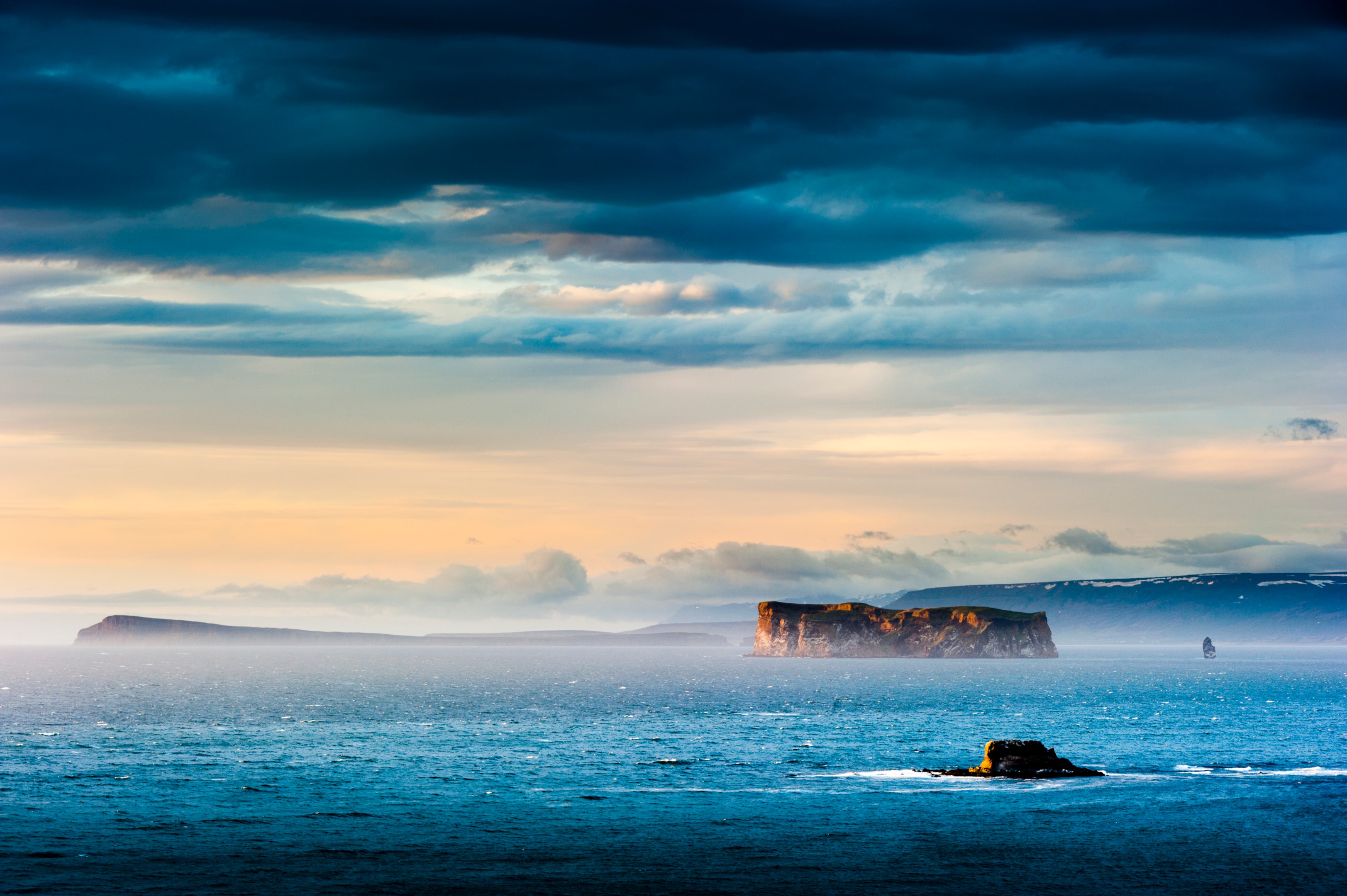
One of the reasons whale watching in Iceland is so popular is the wide range of tour options available from Reykjavík. Whether you’re a family with children, an adventure seeker, or someone simply curious about marine life, there’s a whale watching tour designed to suit your preferences.
Standard Boat Tours
The most common option is a classic boat tour departing from Reykjavík’s Old Harbor. These trips typically last 2–3 hours and include guided commentary from marine experts who share insights into the behavior of minke whales, humpback whales, and other species. Larger boats often feature indoor seating, heated cabins, and snack bars, making them ideal for families or travelers who want comfort alongside their wildlife encounters.
Express and RIB Tours
For those who crave more excitement, RIB (rigid inflatable boat) tours provide a faster, more intimate experience. Smaller groups and speedier boats mean you can cover more ground in less time, often getting closer to white beaked dolphins or breaching humpbacks. These tours are best for adventurous travelers who want a more thrilling ride, though they are not recommended for very young children.
Combination Experiences
Some operators offer packages that combine whale watching with other activities. You might pair your whale watching adventure with puffin-spotting in summer, or enjoy evening cruises under the midnight sun. Winter trips sometimes link whale watching with northern lights hunts, giving you two iconic Icelandic experiences in one day.
What to Expect on Board
Regardless of which tour you choose, operators provide warm overalls and rain gear to protect against Iceland’s unpredictable weather. Success rates for whale sightings are very high in summer, though nature offers no guarantees. Expect to see a mix of whales, dolphins, and seabirds, with every outing offering something different. Seas can be choppy, so bringing motion sickness medication is a good precaution.
In Reykjavík, the flexibility of tour types ensures that every traveler—whether seeking comfort, adventure, or variety—can find the perfect way to enjoy whale watching in Iceland’s spectacular waters.
Pros and Cons of Whale Watching
Like any activity in Iceland, whale watching tours come with both advantages and drawbacks. Understanding these can help you decide whether it’s the right choice for your trip.
Pros
- Accessibility: Tours depart directly from Reykjavík’s Old Harbor, making it easy to fit into any itinerary.
- Diverse Wildlife: High chances of spotting minke whales, humpback whales, white beaked dolphins, and seabirds like puffins.
- Educational Value: Guides provide insights into marine ecosystems, creating a meaningful whale watching experience.
- Memorable Encounters: Few things compare to seeing a humpback breach or dolphins riding the bow waves.
Cons
- No Guarantees: While summer has excellent success rates, wildlife sightings are never 100% certain.
- Weather Dependent: Rough seas and sudden rain can make trips uncomfortable or lead to cancellations.
- Crowds in Peak Season: Summer tours can fill quickly, sometimes reducing the sense of intimacy.
- Motion Sickness: Choppy waters may be challenging for sensitive travelers.
Overall, the rewards often outweigh the drawbacks. For most visitors, a whale watching adventure in Reykjavík is a highlight of their Iceland journey.
Tips for a Better Experience

- Dress in Layers – Iceland’s weather changes quickly; wear warm clothes, waterproof jackets, and rain gear provided by the tour.
- Book Early – Especially in summer, reserve your whale watching tour in advance to secure a spot.
- Bring Seasickness Remedies – The ocean can be rough; motion sickness tablets or wristbands make the trip more enjoyable.
- Protect Your Gear – Use waterproof cases or dry bags for cameras and phones.
- Follow the Guide’s Advice – They know where to find whales and how to keep passengers safe.
- Stay Patient – Wildlife is unpredictable; enjoy the scenery and birdlife while waiting for whales to appear.
- Choose Eco-Friendly Operators – Support companies committed to responsible whale watching in Iceland.
FAQs
Why is Reykjavík called the whale watching capital of Iceland?
Reykjavík Harbor is known as the whale watching capital because whale watchers often see various whale species in its cold northern waters. Tour operators highlight the city’s rugged coastline, surrounding landscapes, and snowy mountains, making whale watching a top attraction for visitors.
What whale species can travelers expect to see?
Depending on the season, migratory whales like humpbacks and certain whale species such as sperm whale may appear. While spotting whales is never guaranteed, many whale species use Iceland’s south coast and north Iceland waters as an ideal feeding ground. Encountering whales, basking sharks, and other sea life is common.
When is the best time for spotting whales?
Afternoon tours in summer offer calmer winds and higher whale activity, while winter provides a rare sight of whales against snowy mountains. Whale behavior changes seasonally, so tour operators recommend planning carefully.
Is whale watching in Reykjavík worth it despite commercial whaling history?
Yes. Iceland remains famous for majestic whales, with different whale species drawing thousands of travelers yearly. A whale watching guide explains whale behavior and ensures whale watchers safely enjoy seeing gentle giants, proving Reykjavík is still the best whale destination.
Conclusion
So, is whale watching in Reykjavík worth it? For most travelers, the answer is yes. With easy access from the city’s Old Harbor, diverse wildlife like minke whales, humpback whales, and playful white beaked dolphins, and high success rates in summer, it’s one of Iceland’s most rewarding activities. Every whale watching tour offers a different experience, shaped by the season, weather, and nature’s unpredictability.
While there are occasional drawbacks—such as rough seas or no guaranteed sightings—the excitement of seeing whales in their natural habitat makes it unforgettable. Add in expert guides and stunning coastal views, and whale watching becomes a must-do Icelandic adventure.