What Makes Autumn in Iceland So Magical: A Seasonal Guide
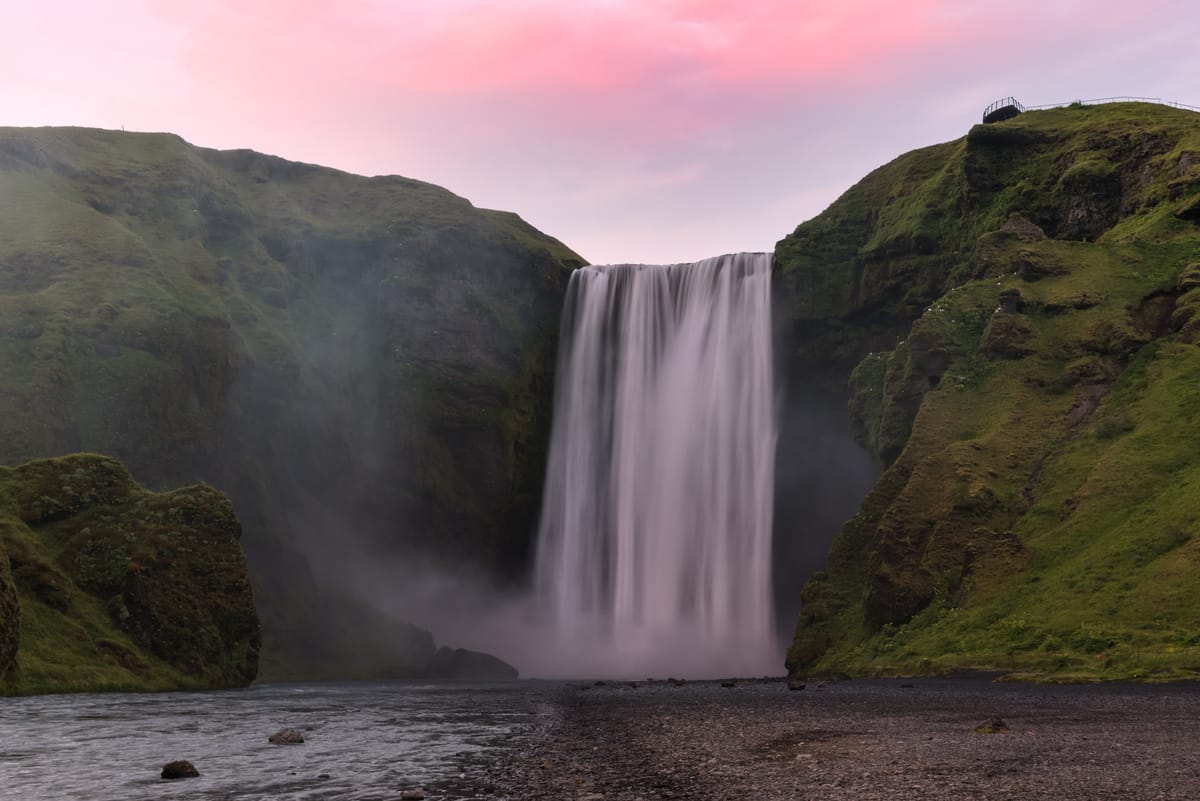
When most people think of Iceland, they imagine the endless daylight of summer or the snow-covered beauty of winter. However, tucked between these two extremes lies a season of quiet magic: autumn.
From September to November, Iceland undergoes a stunning transformation. Crowds thin out, the landscapes burst into vibrant autumn hues, and the crisp, golden light of shorter days creates an enchanting atmosphere.
Autumn in Iceland offers unparalleled opportunities to experience its natural beauty—with fewer tourists, breathtaking scenery, and an increased chance to witness the northern lights. This guide delves into why autumn is an ideal time to explore the land of fire and ice, what you can expect during this season, and how to make your visit unforgettable.
When Is Autumn in Iceland?
Icelandic autumn starts in early September and lasts until mid-November, offering a unique blend of natural beauty and dynamic weather.
Unlike the traditional image of fall with colorful leaves, Iceland’s autumn is characterized by rapidly changing conditions, moody skies, golden moss, and snow-dusted mountain peaks. September is typically mild, showcasing a gentler side of the season.
As October and November arrive, the weather becomes colder, windier, and darker, adding an element of mystery to the landscape. Despite the harsher conditions, this time of year is truly magical, offering stunning scenery and serene moments.
What Is Autumn Like in Iceland?
Autumn in Iceland is a short but magical time between summer’s midnight sun and winter’s snow-covered silence. It begins in mid-September and lasts until early November, though timing varies.
Days quickly grow shorter, and by late September, golden hour stretches across the horizon. Temperatures range from 0°C to 10°C (32°F to 50°F)—chilly but manageable with proper layers. Wind and rain can arrive suddenly, so be prepared.
What makes Iceland’s autumn special is the mix of natural colors and light: golden moss, fiery red shrubs, early snow on volcano ridges, and the pale green glow of the aurora borealis. It’s a season of contrast and transformation.
Top Reasons Why Autumn in Iceland Feels Like Pure Magic
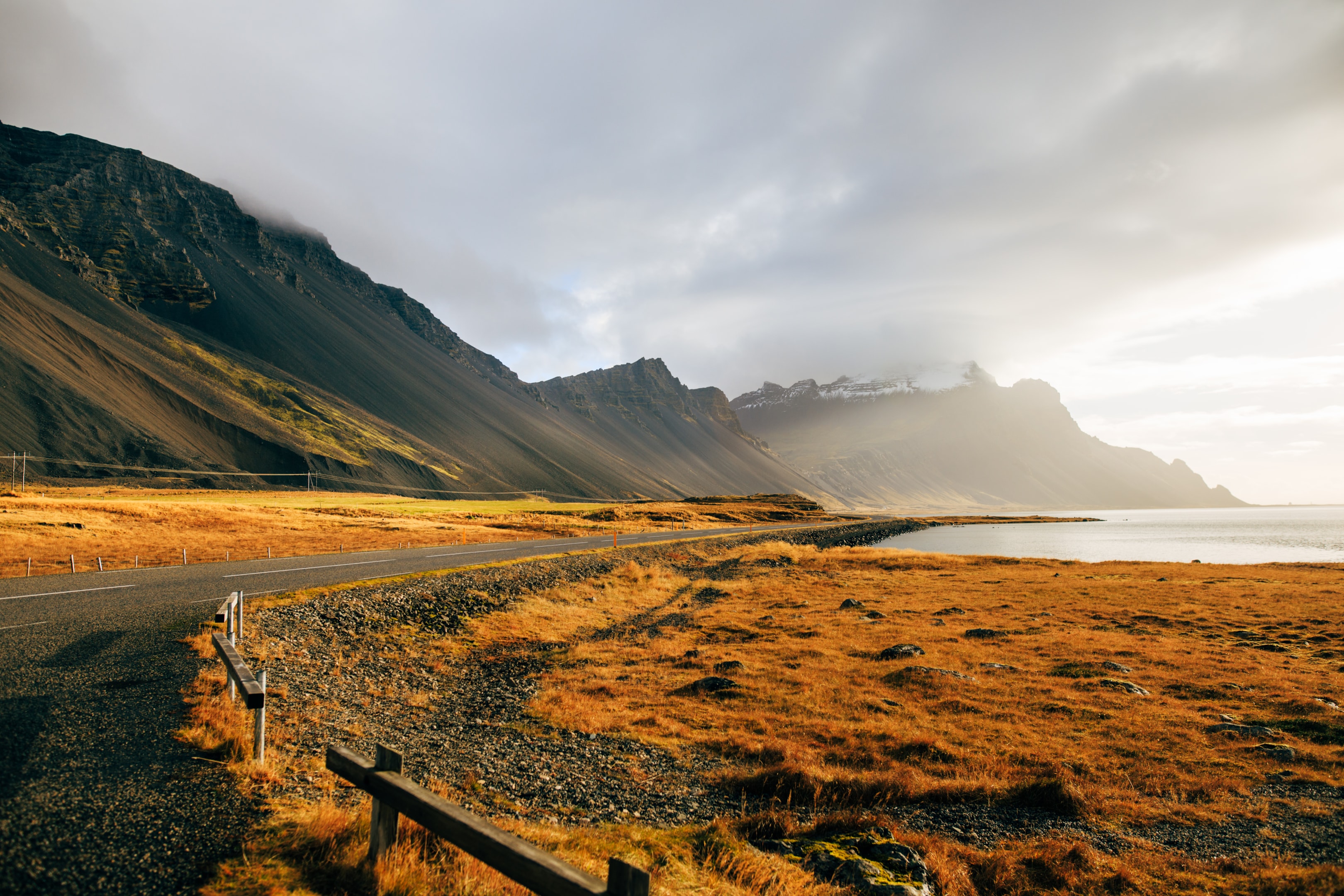
There are many reasons why autumn in Iceland feels like pure magic. Here are some top reasons that make this season truly special:
Fewer Crowds, More Peace
One of the most appreciated aspects of autumn in Iceland is the drop in tourism after summer. While places like the Blue Lagoon, Golden Circle, and South Coast remain popular, they are noticeably less crowded from late September onward.
Hotel prices also tend to decrease, and car rentals become more affordable. More importantly, the slower pace allows travelers to better connect with the landscape—and with locals. Restaurants, shops, and accommodations are still open, but the atmosphere is more relaxed. Iceland feels quieter, more intimate, and more open for discovery.
Northern Lights Season Begins
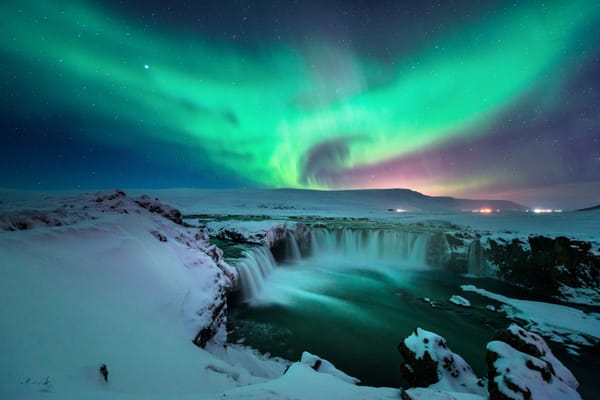
For many, seeing the Northern Lights is the main reason to visit Iceland in autumn. Unlike in summer, when there’s nearly 24 hours of daylight, autumn nights are long and dark enough for the aurora to dance across the sky.
By late September, the conditions are just right. You don’t need to be in the dead of winter—cool temperatures and clear skies are enough. Popular spots to see the lights include:
- Thingvellir National Park
- Kirkjufell on the Snæfellsnes Peninsula
- Vik on the South Coast
- The black sand beaches of Reynisfjara
- Anywhere far from city lights
For the best chance, use an aurora forecast app, head out of Reykjavik, and stay up late. Patience pays off.
Autumn Colors on a Volcanic Canvas
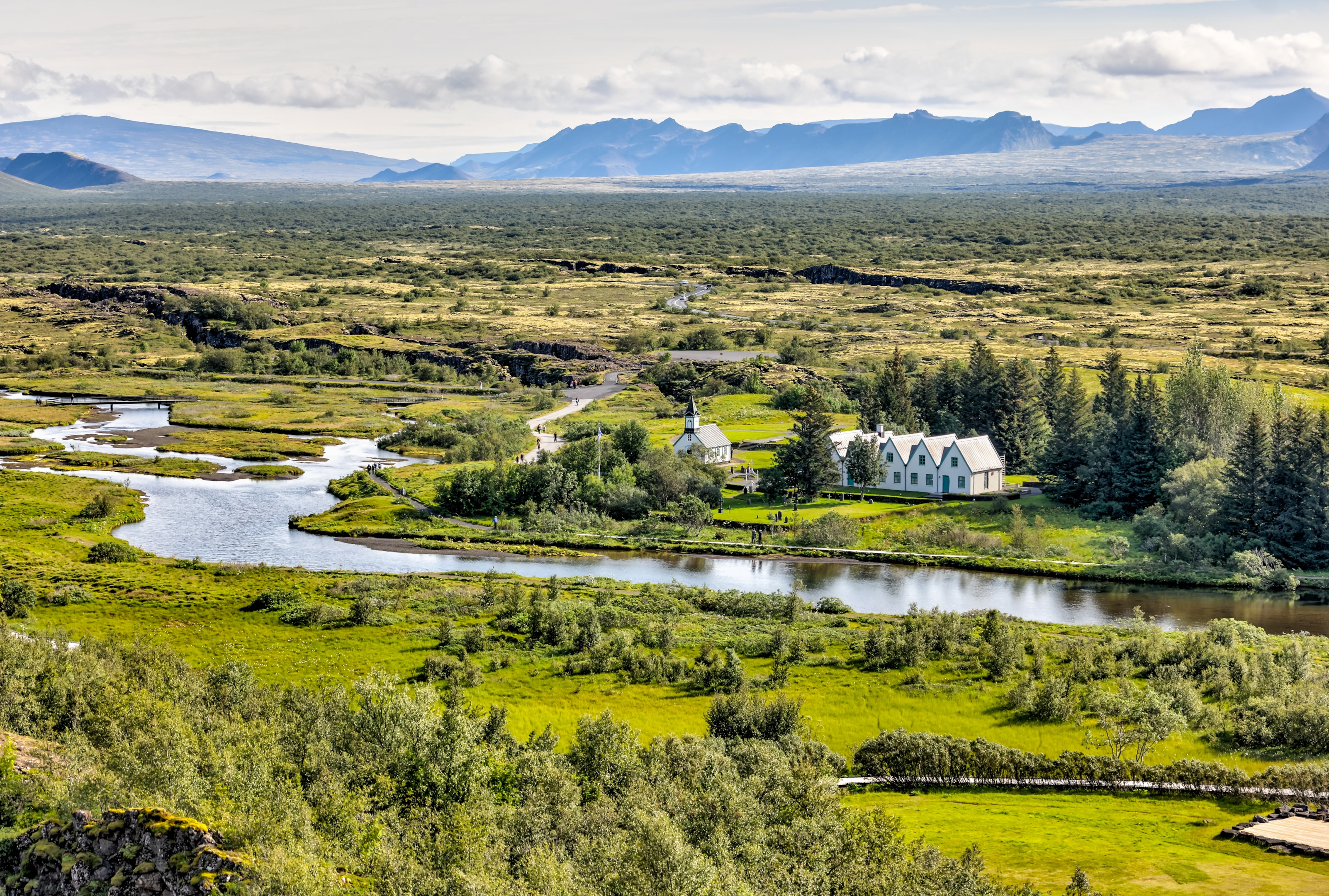
When people think of fall foliage, they often picture forests. But Iceland’s take on autumn colors is something entirely different—and just as stunning.
The island's mossy lava fields, heathlands, and dwarf birch trees shift from green to deep gold, orange, and red. The Highlands may close due to weather, but lower elevation areas like Þórsmörk, Landmannalaugar, and Hraunfossar are often still accessible early in the season.
If you're visiting in late September or early October, consider a hiking tour through Þórsmörk, where you’ll see a rare side of Iceland: a colorful, quiet wilderness painted in warm hues, framed by glaciers and volcanic peaks.
Ideal Time for Photography
Photographers love Iceland in autumn. The shifting daylight, moody skies, and rich colors create endless opportunities for dramatic shots. Whether it's waterfalls surrounded by golden vegetation or black sand beaches under pink skies, the visual contrast is breathtaking.
Some photo highlights in autumn:
- Seljalandsfoss and Skógafoss waterfalls framed by autumn grasses
- Jökulsárlón Glacier Lagoon with seals floating among blue ice
- Diamond Beach, where crystal-clear ice sits on black sand
- Fjaðrárgljúfur Canyon draped in golden moss
- Snæfellsnes Peninsula with its mix of sea cliffs, lava fields, and mountains
Golden hour lasts longer in autumn, and cloud cover often adds texture to the light. Bring a tripod and plan for both day and night shooting.
Soaking in Hot Springs
Autumn is hot spring season. The crisp air and cooler days make Iceland’s geothermal pools even more inviting. There's nothing quite like relaxing in naturally warm water while fall colors surround you—or snowflakes start to fall.
Beyond the well-known Blue Lagoon and Sky Lagoon, consider these lesser-known gems:
- Reykjadalur (Steam Valley): A hike through fall foliage leads to a warm river in the mountains
- Hrunalaug: A small, hidden spring near Flúðir
- Landbrotalaug: A cozy, natural hot pot for two on the Snæfellsnes Peninsula
- Seljavallalaug: An old pool tucked between cliffs in South Iceland
Remember: some springs require a hike, and conditions can get muddy. Wear good boots and bring a towel.
Autumn Wildlife Experiences
Autumn is a special time for wildlife lovers. While puffins have already left, many other animals are active during this season.
- Arctic foxes start to change to their white winter coats
- Seals are easy to spot lounging near Jökulsárlón
- Whale watching is still good in places like Húsavík and Reykjavik
- Migrating birds, like geese and swans, pass through on their way south
- Icelandic horses grow their fluffy winter coats—great for photos and riding tours
Don’t forget to stop and watch the sheep roundups. In early autumn, farmers bring their flocks down from the mountains in an event called "Réttir"—a cultural tradition that’s fascinating to see.
Harvest Season and Icelandic Food
Autumn is harvest time in Iceland. While the growing season is short, you’ll still find local vegetables, herbs, and even berries being used in fresh dishes.
Fall is a great time to enjoy Icelandic lamb, arctic char, rye bread, and wild blueberries. Try these seasonal food experiences:
- Farm-to-table restaurants in Reykjavik and rural towns
- Bakeries offering fresh cinnamon buns and Icelandic pastries
- Geothermal greenhouses in places like Friðheimar (famous for tomato soup)
- Local food tours where you can sample skyr, smoked fish, and other Icelandic staples
The food scene in Iceland is small but creative. Autumn brings out warm, hearty meals that are perfect after a long day of exploring.
What Are the Best Things to Do in Autumn in Iceland?
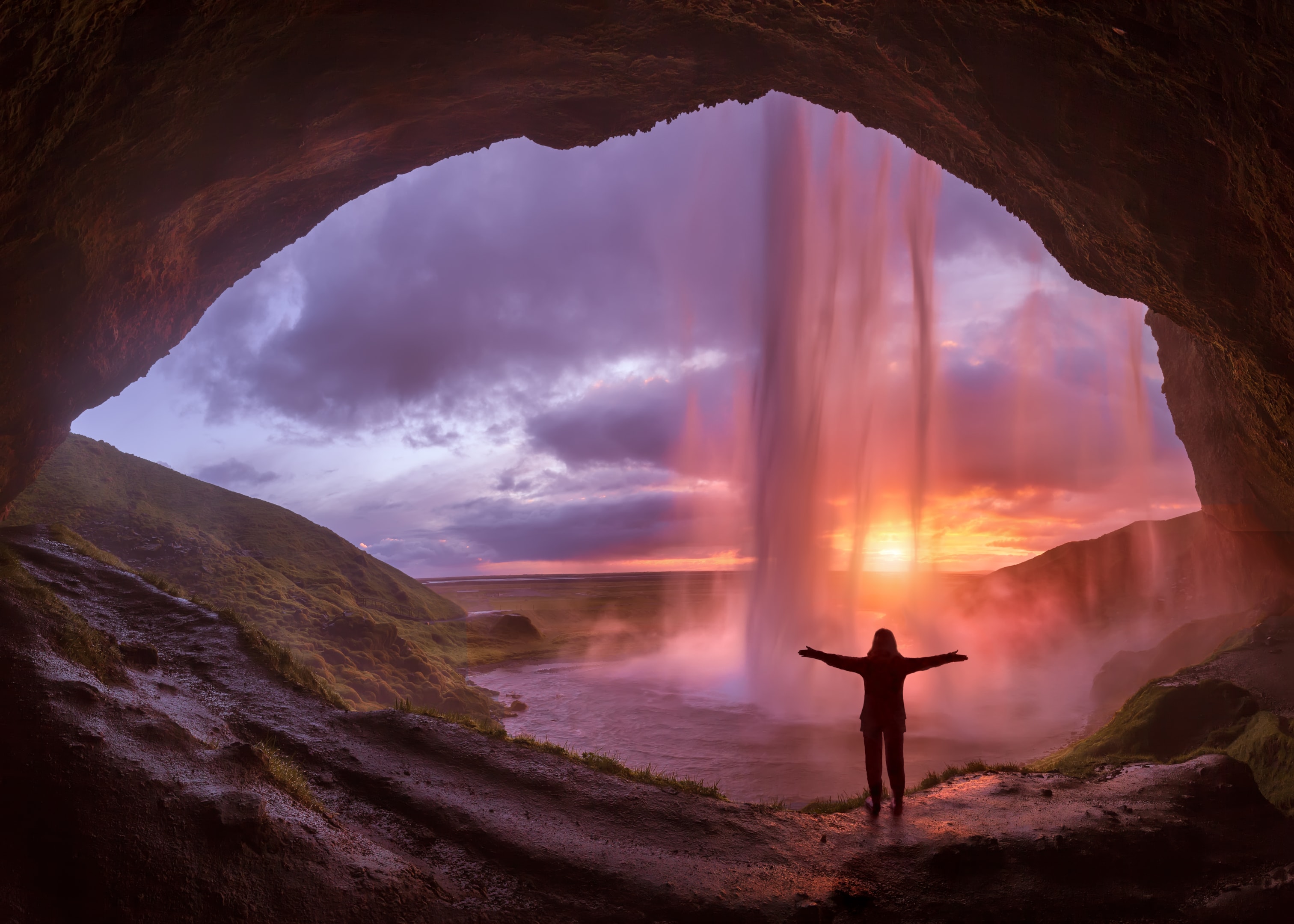
There’s no shortage of activities during the fall season. Here are some top picks that are especially magical in autumn:
1. Soak in Hot Springs
With the cooler air, Iceland’s famous hot springs feel even more relaxing in the fall. Try:
- Sky Lagoon (near Reykjavík)
- Blue Lagoon (ideal in early autumn)
- Mývatn Nature Baths in the north
- Secret Lagoon in Flúðir
The mix of steam, fresh air, and golden fall colors is unforgettable.
2. Take a Road Trip
Autumn is a great time for a road trip. The Ring Road is still open and less busy than in summer. Don’t miss:
- The Golden Circle
- South Coast waterfalls and black sand beaches
- Snæfellsnes Peninsula
- East Fjords and their sleepy fishing villages
Just be sure to check road conditions and drive carefully—weather can change fast.
3. Chase Waterfalls
Iceland’s waterfalls are always a highlight, but in autumn they become even more striking with colorful surroundings. Try visiting:
- Skógafoss and Seljalandsfoss
- Hraunfossar, which looks like it flows through golden moss
- Dettifoss, Europe’s most powerful waterfall (accessible in early fall)
4. Attend Local Festivals
Autumn also brings a number of small festivals and events that showcase Icelandic food, art, and culture:
- Reykjavík International Film Festival (RIFF) – late September to early October
- Sheep Round-Up Celebrations (Réttir) – throughout September
- Lighting ceremonies and local harvest markets in towns like Akureyri and Ísafjörður
These events offer a chance to experience Iceland beyond the tourist trail.
Essential Packing Guide for Autumn Travel in Iceland
Prepare for Iceland’s unpredictable autumn weather with gear that can withstand wind, rain, and chilly temperatures. Here's your ultimate packing list:
- Waterproof jacket and pants – Stay dry and comfortable no matter the weather.
- Warm fleece or wool layers – Insulate against the cold with cozy, breathable fabrics.
- Hat, gloves, and scarf – Protect yourself from biting winds and dropping temperatures.
- Waterproof hiking boots – Ensure sturdy footing for exploring Iceland’s rugged terrain.
- Swimwear for hot springs – Don’t miss the chance to relax in Iceland’s famous geothermal pools.
- Travel flashlight – A must-have for navigating shorter daylight hours.
With the right gear, you’ll be ready to embrace Iceland’s stunning landscapes and unpredictable autumn charm.
Is Autumn a Good Time to Visit Iceland?
Visiting Iceland in autumn offers several unique advantages for travelers. The season brings fewer tourists, allowing for a more tranquil experience with plenty of space to explore and capture stunning photos.
Additionally, accommodations and tours are often more affordable compared to the busy summer months, making it an ideal time for budget-conscious visitors. Towns and attractions also feel calmer, offering a more authentic and local experience.
Despite the seasonal shift, most roads and sights remain accessible, and autumn marks the beginning of northern lights season, with increasing chances from September onward. For those seeking natural beauty, peace, and a touch of adventure, Iceland in autumn is an exceptional choice that combines serenity with unforgettable experiences.
Regional Highlights: Where to Go in Iceland During Autumn
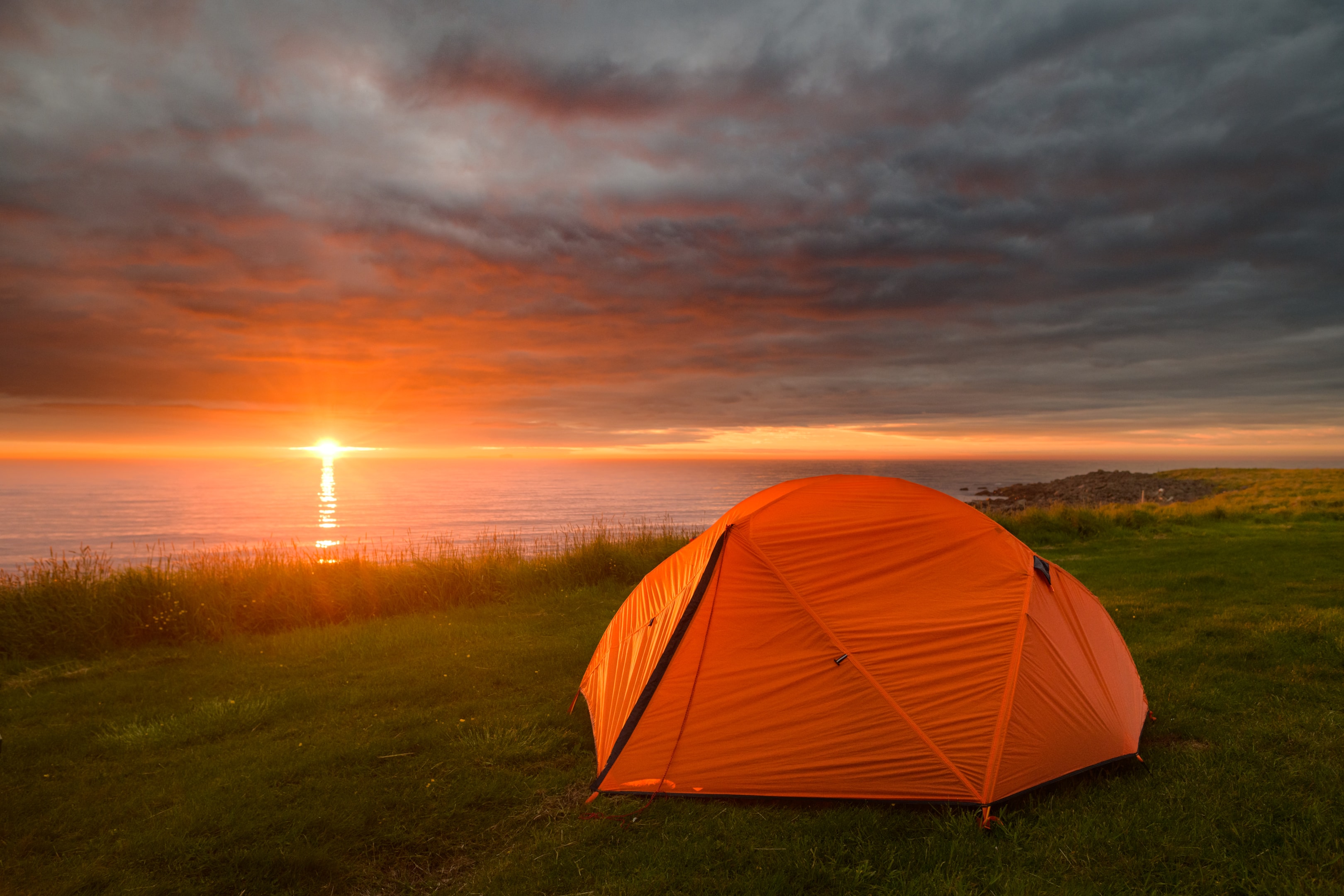
Here are some top destinations to consider when planning a trip to Iceland in autumn:
South Iceland
- Great for first-time visitors
- See waterfalls, glaciers, and black sand beaches
- Ideal for photography during golden hour light
North Iceland
- Fewer crowds, more dramatic nature
- Beautiful fall colors in Ásbyrgi and Lake Mývatn area
- Hot springs and volcanic landscapes galore
East Iceland
- Reindeer sightings possible
- Quiet fjord villages, ideal for slow travel
- Stunning hikes in fall foliage
West and Westfjords
- Dramatic coastlines and wild nature
- Puffins gone, but seals and foxes remain
- Fewer tourists = peaceful getaways
Essential Travel Tips for Autumn in Iceland
Make the most of your autumn adventure in Iceland with these expert tips:
- Rent a 4x4: If you're venturing into the countryside, a 4x4 vehicle is a must. Rural roads can be rough, especially during bad weather, and a sturdy vehicle provides better traction and safety.
- Stay weather-ready with the Veður app: Icelandic weather is famously unpredictable. Download the Veður app for real-time updates on storms, wind conditions, and road closures, ensuring you're always prepared.
- Book ahead: Many hotels and tours close by October, particularly in remote areas. Popular activities and accommodations fill up quickly, so reserving in advance guarantees you don't miss out.
- Plan for shorter days: As autumn progresses, daylight hours dwindle. By November, you’ll have just 5–7 hours of light each day. Start your adventures early and organize your itinerary to maximize the daylight.
- Respect Iceland’s natural beauty: Help preserve the country’s breathtaking landscapes by staying on marked trails, avoiding off-road driving, and carrying all your trash with you. Leave no trace to ensure Iceland remains pristine for future visitors.
With preparation and care, your autumn trip to Iceland will be an unforgettable experience!
FAQs
What makes a fall trip to Iceland unique?
A fall trip lets you explore the icelandic countryside at your own pace, with lower accommodation prices and fewer crowds. Enjoy colorful landscapes, crisp air, and a peaceful escape before the winter months.
How is Iceland's fall weather different from other seasons?
Iceland's fall weather brings mild temperatures and unpredictable weather. Weather forecasts help with planning, but packing warm accessories, a warm hat, and layers is key to enjoying fall in Iceland comfortably.
Can I see the magical northern lights during Iceland in the fall?
Yes! Iceland in the fall offers darker skies and less light pollution, making it a great time to see the magical northern lights light up the night sky—a true natural wonder.
What are popular autumn activities in Iceland?
During the autumn months, enjoy a whale watching tour, berry picking, relaxing in swimming pools, and attending cultural events like Icelandic Airwaves, a famous music festival. It’s also festival season, rich in Icelandic culture.
Conclusion
Autumn in Iceland is a season unlike any other—a time of quiet beauty, glowing landscapes, and rich cultural rhythms. It’s when the island reveals a softer, more intimate side, inviting you to slow down and immerse yourself in its wonders.
Imagine soaking in steaming hot springs, chasing cascading waterfalls, or marveling at the ethereal northern lights dancing across the sky. While most travelers flock to Iceland in summer or winter, those who venture here in autumn discover a subtler kind of magic—one that whispers instead of shouts, urging you to savor every moment.
So, grab your boots and bundle up in warm layers. The enchantment of Iceland in autumn is waiting to surprise you.