What to Expect in Iceland During Spring: Weather, Wildlife & More
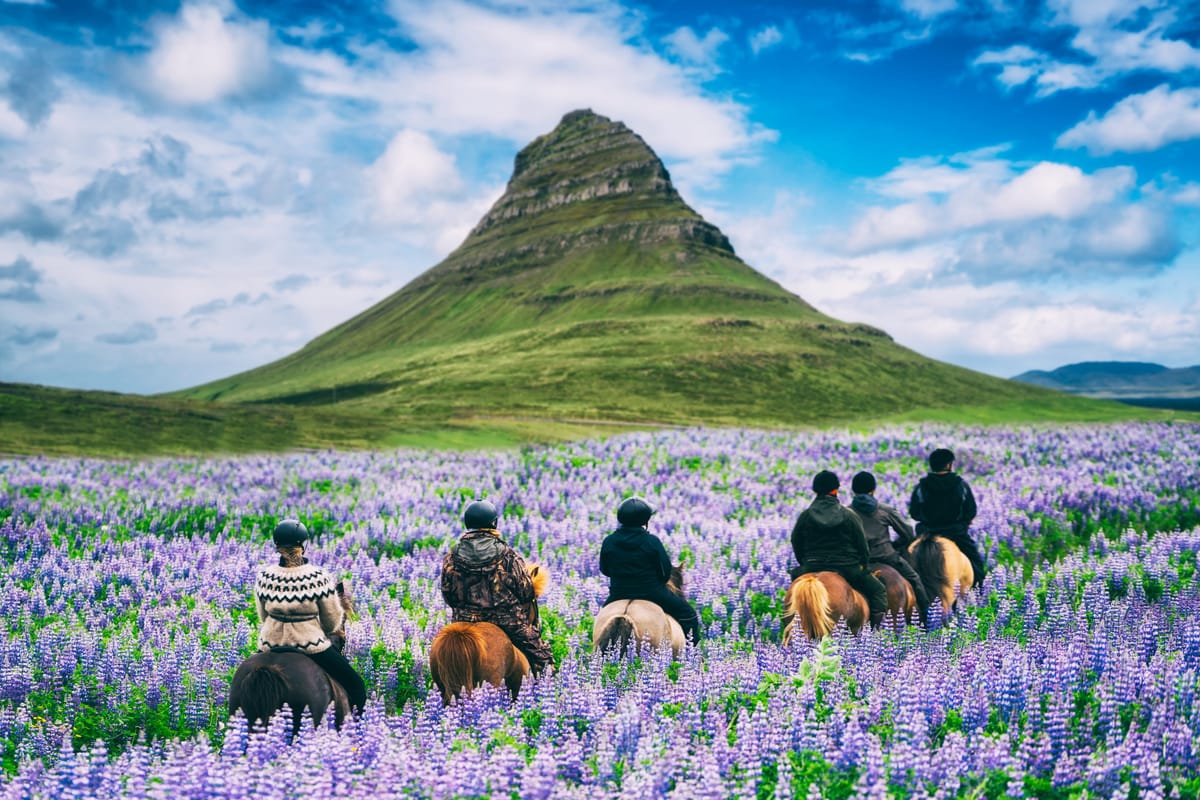
If you plan to visit Iceland between March and May, you're in for a unique seasonal experience that blends winter’s final moments with the early signs of summer. Iceland in spring offers a fascinating mix of melting snow, increasing daylight hours, and shifting scenery. Though you won’t see the midnight sun just yet, days grow longer, making it easier to explore.
Expect a variety of Iceland spring weather conditions—ranging from mild sunshine to sudden snowfall. The average temperature hovers between 0°C and 10°C (32°F to 50°F), depending on the month and region. Early spring still offers chances to see the northern lights and explore ice caves, while late spring brings birdlife and blooming landscapes. With the right layers and a flexible mindset, Iceland tours in spring can be peaceful, beautiful, and far less crowded than in peak season.
What Is Spring Like in Iceland?
Spring in Iceland is a season of dramatic change, typically spanning from March through May. It’s when the country slowly shifts from the icy grip of winter into the refreshing promise of summer. The landscape begins to transform as melting snow reveals mossy lava fields, rushing waterfalls, and gradually greening valleys. While higher elevations and natural ice caves may remain frozen through March, coastal regions begin to thaw.
The daylight hours increase rapidly—rising from about 10 hours in early March to nearly 20 by late May. Though temperatures remain cool, the average temperature ranges from 0°C to 10°C (32°F to 50°F), with April and May feeling significantly milder.
Spring weather in Iceland is famously unpredictable. You might experience sunshine, wind, rain, and even snow—all in the same day. Still, it’s a fantastic time to visit Iceland, as tourist crowds are thinner, prices are lower than summer, and the blend of winter scenery with spring awakening offers incredible photographic moments. Whether you're chasing the last northern lights, enjoying quiet Iceland tours, or soaking in hot springs under brightening skies, Iceland in spring provides a peaceful, ever-changing experience worth embracing.
Spring Weather in Iceland: What to Pack
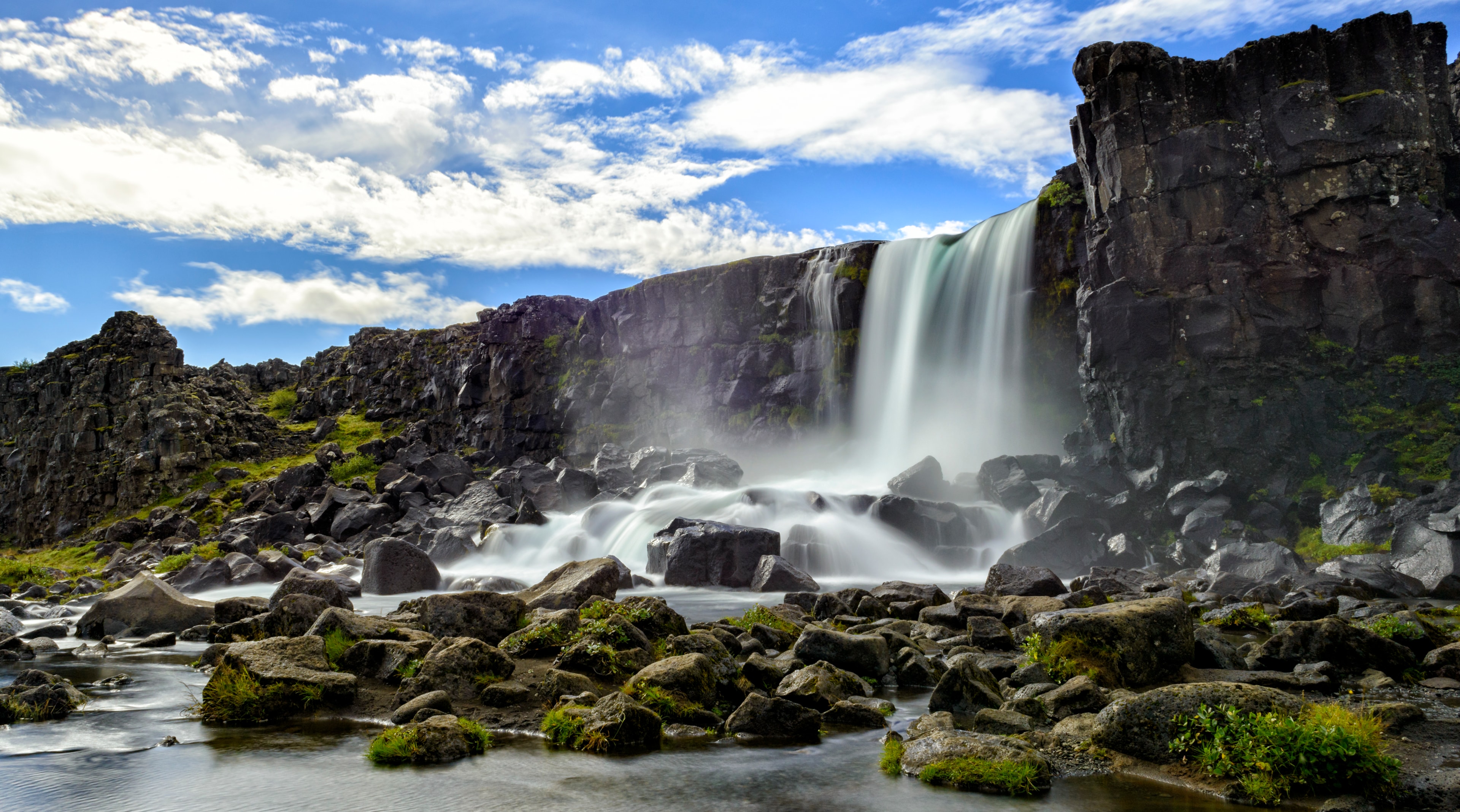
Spring weather in Iceland is famously unpredictable. If you're planning to visit Iceland between March and May, it’s important to pack smart—because sunshine, rain, wind, and even snow can all happen in a single day. While not as extreme as winter, spring doesn’t offer the warmth of summer weather either, making preparation essential to enjoy your journey in comfort and safety.
Understanding Spring Weather Conditions
Spring is a true shoulder season in Iceland. In March, you’ll still experience icy roads, snowy landscapes, and wintry winds. By Iceland in April, the weather conditions begin to shift—snow starts to melt, especially along the South Coast, and temperatures rise slightly. In May, the climate becomes noticeably milder, although sudden cold snaps can still occur, especially in North Iceland.
The average temperature during spring ranges from 0°C to 10°C (32°F to 50°F), depending on the region and month. While it’s cooler than the summer months, the upside is fewer crowds, lower prices compared to the peak season, and more daylight for exploring.
What to Pack for Spring in Iceland
Packing for Icelandic spring requires planning for layers. You’ll need gear suitable for changing weather conditions, potential wet terrain, and chilly nights. Here’s a complete list of essentials:
1. Waterproof Outer Layers
- Waterproof jacket with wind resistance
- Waterproof pants or rain trousers
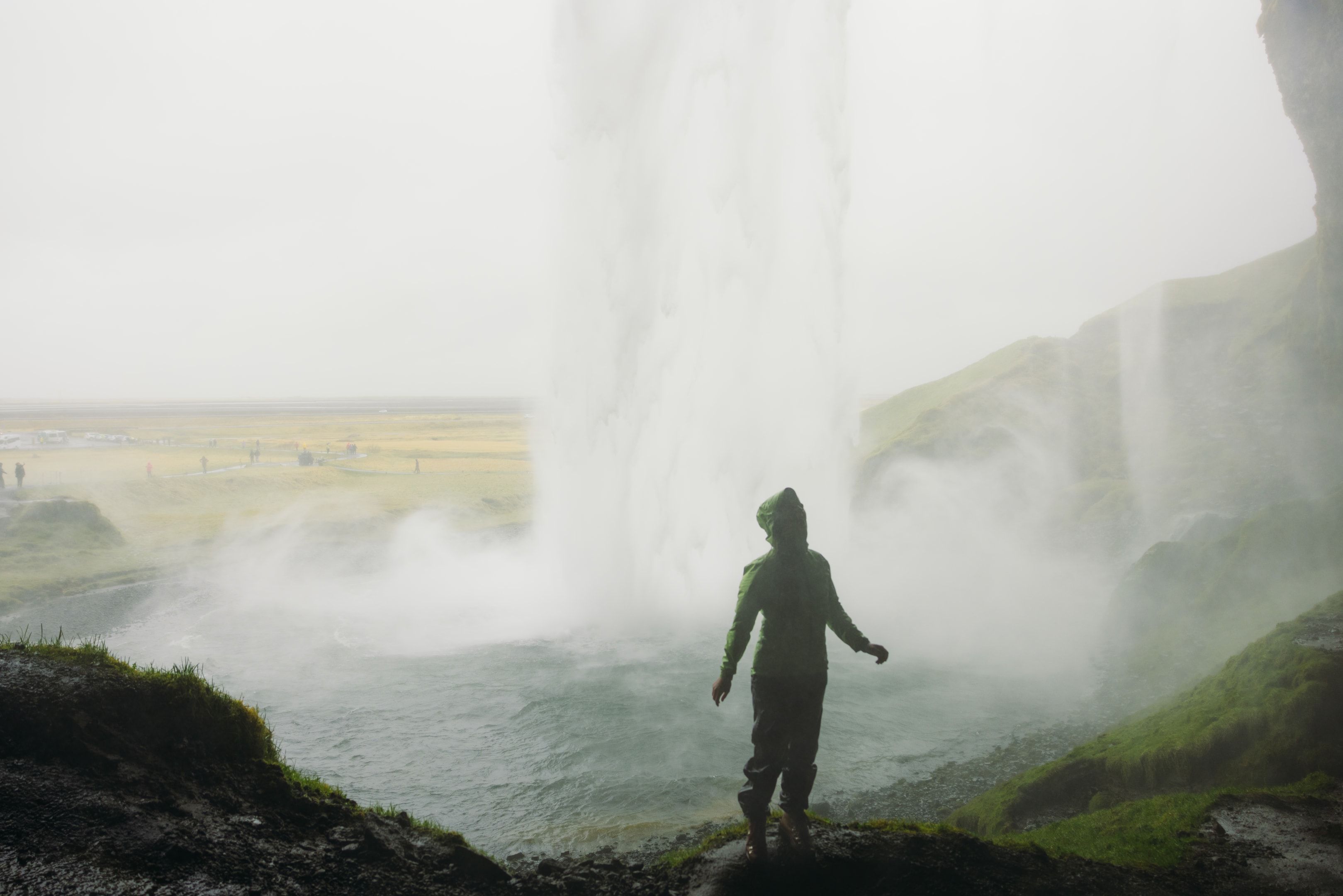
These are critical for staying dry, especially when visiting waterfalls like Skógafoss or exploring black sand beaches where coastal winds can be fierce.
2. Insulating Mid-Layers
- Fleece or wool sweaters
- Insulated vests or lightweight down jackets
These trap body heat without being too bulky and can be added or removed easily as the weather changes.
3. Base Layers
- Thermal tops and leggings
- Breathable, moisture-wicking fabric
These are especially useful in March and early April when nights and mornings remain cold.
4. Footwear
- Waterproof hiking boots with good grip
- Wool socks (multiple pairs)
Whether you’re trekking in mud or snow, good boots are essential. Wet feet in cold temperatures can ruin any adventure.
5. Accessories
- Hat and gloves (preferably wool or fleece)
- Scarf or neck gaiter
- Sunglasses (yes—even with clouds, the UV is strong)
- Swimsuit (for the hot springs)
Iceland has incredible geothermal bathing spots like the Blue Lagoon, Sky Lagoon, and Secret Lagoon. A swimsuit is a must-pack!
Daylight and Activities
By late spring, daylight hours increase rapidly, with May bringing nearly 20 hours of daylight. This makes it a perfect time for outdoor activities like whale watching, hiking, and countryside drives.
It’s also one of the best times to spot arctic foxes in the wild as they shed their winter coats. You’ll also begin to see signs of birdlife returning, with puffins making appearances toward the end of April.
Spring is not only scenic—it also offers flexibility. You can enjoy the icy beauty of early spring and the fresh green landscapes of late spring, all in one trip. For those not quite ready for a full winter trip, spring offers a great middle ground with less intense conditions.
Can You Still See the Northern Lights in Spring?
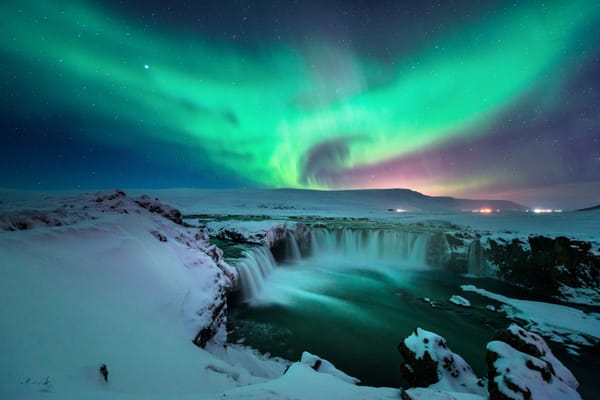
Yes, you can still see the northern lights in spring—especially during March and early April. While the northern lights season in Iceland traditionally spans from late September to mid-April, the chances of witnessing this natural wonder don’t completely vanish as winter ends.
Spring in Iceland brings longer daylight hours, which does reduce the window for northern lights viewing. However, in the early part of the season, dark skies still occur at night, offering opportunities to catch the aurora borealis if conditions are right. Successful sightings depend on strong aurora activity, clear skies, and being far from light pollution.
Places along the South Coast, in North Iceland, and near Thingvellir National Park are ideal for aurora sightings due to their remote locations and low light pollution. Heading outside Reykjavik or joining a guided tour can increase your chances.
Remember, northern lights displays are unpredictable. Use aurora forecasts to track solar wind conditions and monitor the sky around midnight when activity peaks. Though sightings become rarer in late April, lucky travelers can still catch stunning auroras with a bit of patience, planning, and good weather.
So yes—while not as reliable as winter, spring northern lights are still very much possible!
Wildlife in Iceland During Spring
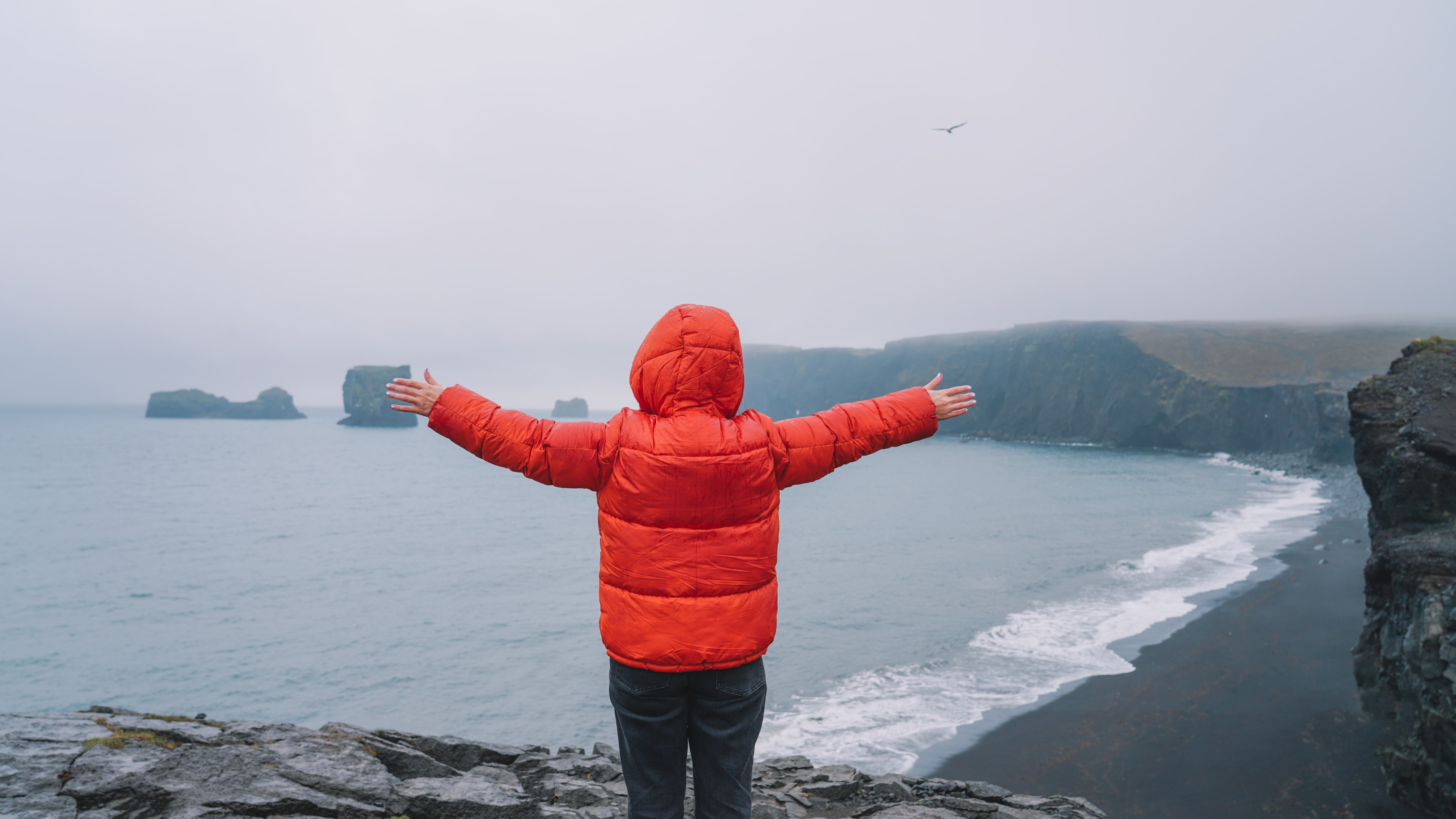
Spring in Iceland marks the return of life, not just in the landscape but also in the rich variety of wildlife that begins to reappear after the long Arctic winter. For nature lovers, this season offers a special chance to witness the island's unique animal inhabitants in their natural settings—often without the large tourist crowds that arrive in summer.
Whether you're hoping to spot puffins, go whale watching, or see Icelandic horses roaming freely, your experience when you visit Iceland depends largely on when and where you go in the spring.
Birdlife and Puffins
One of the highlights of spring wildlife in Iceland is the return of migratory birds. Most famously, puffins begin to arrive in late April, nesting along coastal cliffs in places like Dyrhólaey, Látrabjarg, and the Westman Islands. These colorful seabirds spend their winters at sea and only return to land to breed, making spring the perfect time to see them before the peak summer crowds.
Other seabirds, such as Arctic terns, razorbills, and guillemots, also make their seasonal return during this period. Birdwatchers can explore wetland areas like Mývatn in North Iceland or Flói Nature Reserve near Selfoss, where hundreds of species begin nesting as the ice melts and food becomes more available.
Whale Watching Opportunities
Whale watching is another major draw during spring, particularly from April onward. As the sea begins to warm, plankton becomes more abundant, attracting whales to Iceland’s nutrient-rich coastal waters. Húsavík in North Iceland is considered the whale watching capital of the country, but tours also operate from Reykjavík and Akureyri. Common species seen in spring include humpback whales, minke whales, dolphins, and sometimes even orcas.
The conditions for whale watching are often calmer in spring than in the winter, but still less crowded than in the summer, offering a more peaceful experience on the water.
Icelandic Horses and Arctic Foxes
The Icelandic horse, known for its small size and unique fifth gait (the tölt), is a staple of the countryside year-round. However, spring offers a special charm as the horses begin to shed their thick winter coats and graze in brightening green fields. Many visitors choose to experience these gentle animals through horseback riding tours in areas like the Golden Circle or South Coast.
Spring also increases your chances of seeing arctic foxes, Iceland’s only native land mammal. Though they are shy and elusive, spring is the season when they become more active after winter and may be spotted in more remote areas like the Westfjords or Hornstrandir Nature Reserve.
Seals and Other Marine Life
Harbor seals and grey seals can be seen lounging on rocky shores or icebergs, especially near Jökulsárlón Glacier Lagoon or along the Snæfellsnes Peninsula. These animals are often curious and can be seen year-round, but spring is a great time to observe them without the crowds of summer.
Visit Iceland in spring if you want to experience a quieter, more authentic encounter with its diverse wildlife. What you see when you visit Iceland depends not only on the season but on your willingness to explore beyond the main roads—and spring offers just the right balance of accessibility and wild beauty. Iceland weather in spring can vary greatly, with snow still present in some areas and new life emerging in others. This creates a unique landscape that is perfect for photographers, hikers, and nature lovers alike.
Top Spring Activities and Attractions in Iceland
1. Chase the Northern Lights (Early Spring)
While the northern lights season winds down by mid-April, early spring still offers excellent chances to catch the aurora borealis—especially in rural areas with minimal light pollution. Booking a guided tour or heading to spots like Thingvellir or the Snæfellsnes Peninsula increases your chances of witnessing this magical display.
2. Soak in Natural Hot Springs
Spring is perfect for visiting Iceland’s many hot springs. As snow melts and temperatures rise, relaxing in warm geothermal pools like the Blue Lagoon, Secret Lagoon, or Reykjadalur hot spring river becomes even more enjoyable. Don’t forget your swimsuit!
3. Go Whale Watching
Spring marks the start of the whale watching season. From April onward, humpback whales, minke whales, and dolphins return to Iceland’s shores. Tours depart from Reykjavik, Akureyri, and Húsavík, offering unforgettable ocean encounters.
4. Visit Waterfalls and Glacial Lagoons
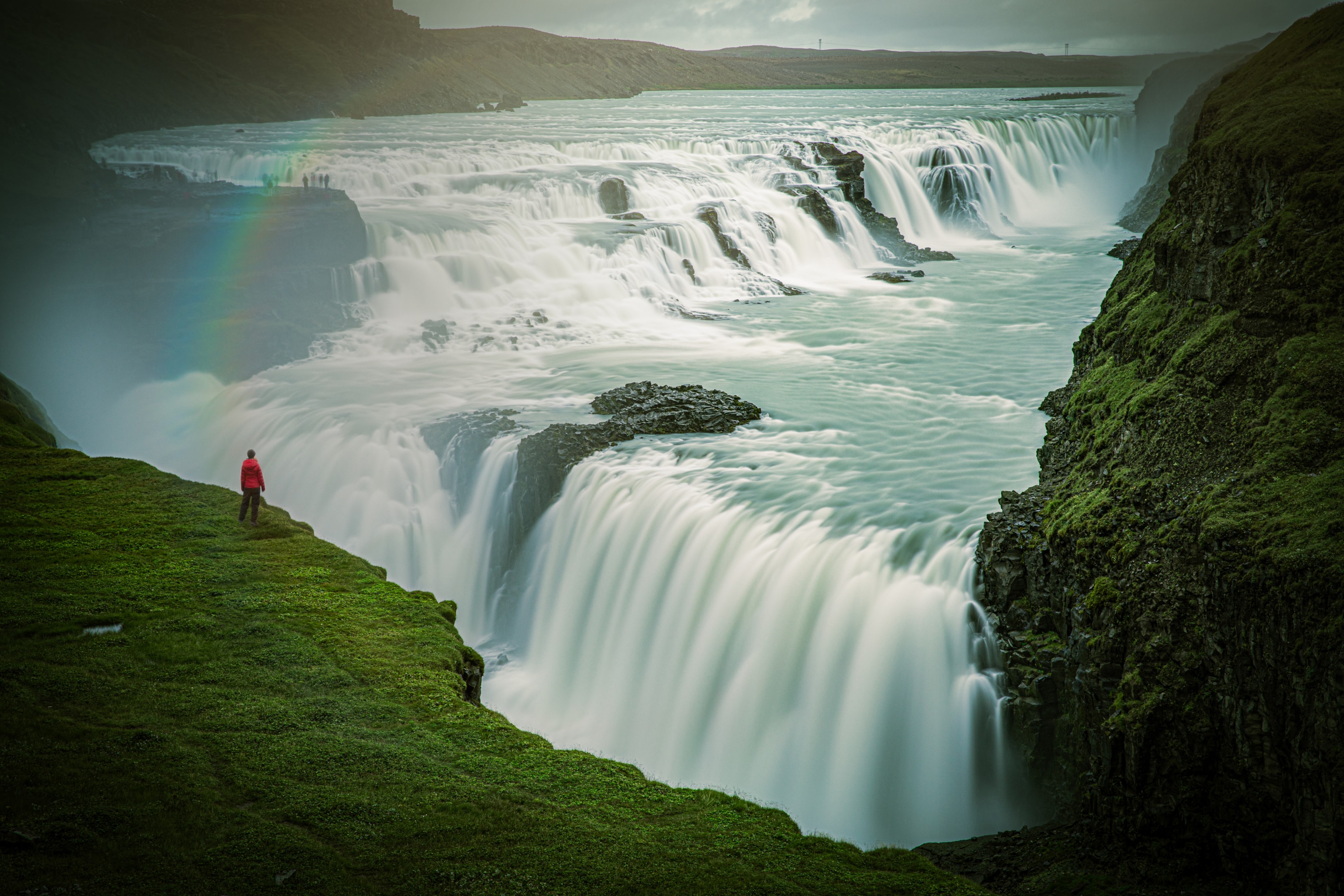
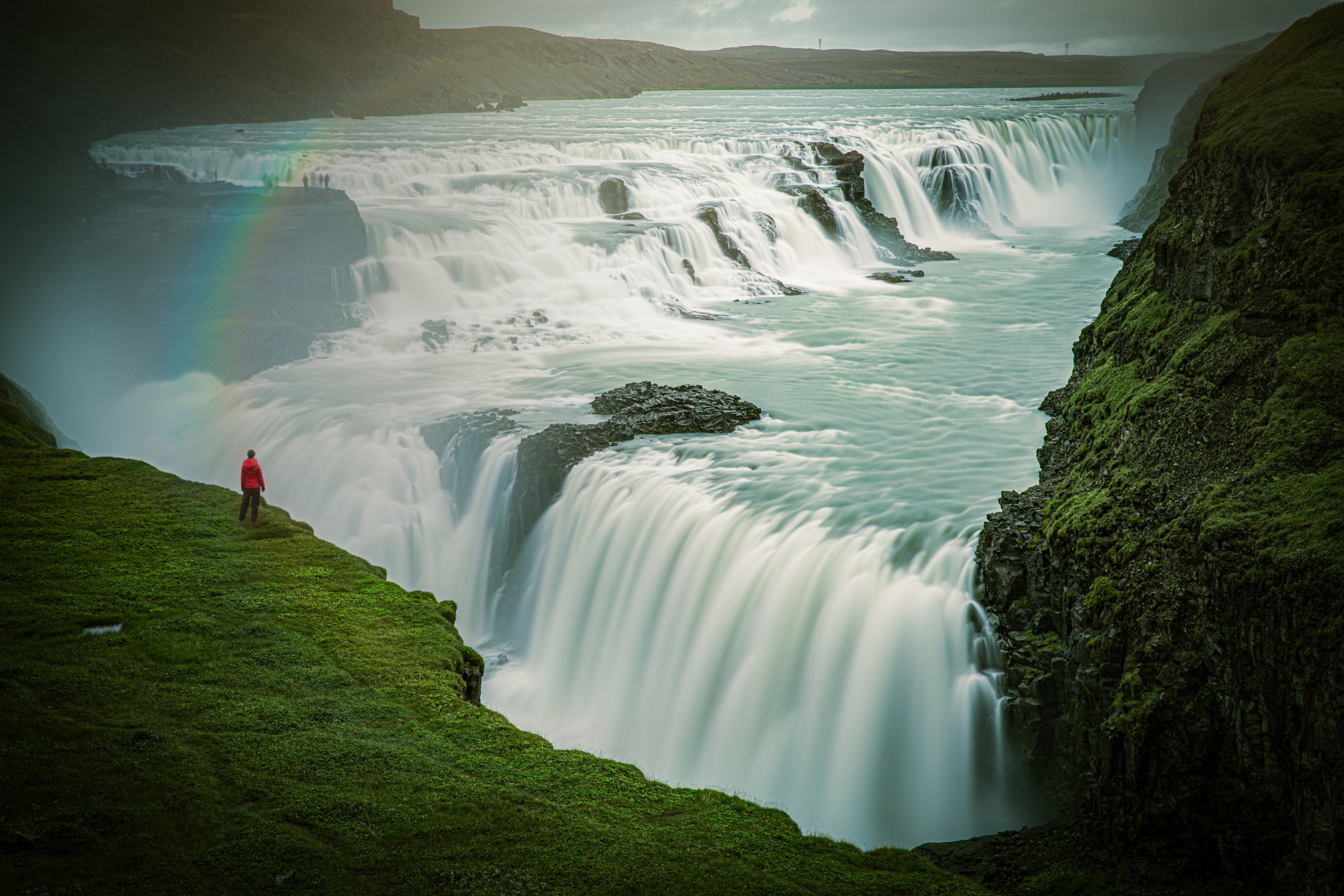
As melting snow swells Iceland’s rivers, waterfalls like Gullfoss and Skógafoss are at their most powerful. Spring is also a great time to visit Jökulsárlón Glacier Lagoon, where icebergs drift under brighter skies with fewer tourists.
5. Explore Ice Caves (Early Spring)
Though most natural ice caves become unsafe as temperatures rise, early spring (especially in March) may still offer opportunities to explore them on guided tours in South Iceland.
6. Hike and Sightsee with Fewer Crowds
Spring offers some of the best shoulder season conditions for hiking and sightseeing. Trails begin to reopen, wildlife returns, and the fewer crowds allow for a peaceful experience at iconic spots like the South Coast, Golden Circle, and Snæfellsnes Peninsula.
Pros and Cons of Visiting Iceland in Spring
Spring in Iceland, spanning from March to May, offers a unique blend of lingering winter beauty and the promise of summer's greenery. It’s a favorite season for many travelers who want fewer crowds but still hope to see the magic of Icelandic nature. Still, like any season, spring comes with its advantages and drawbacks.
Pros
1. Fewer Crowds:
Compared to the busy summer months, spring is part of the shoulder season, meaning popular attractions like the Golden Circle, waterfalls, and hot springs are less crowded. You’ll enjoy a quieter and more personal experience.
2. Cheaper Prices:
Flights, accommodations, and car rentals are generally more affordable in spring than during peak season, making it a budget-friendly time to travel.
3. Northern Lights (Early Spring):
In March and early April, you still have a good chance to see the northern lights, especially if skies are clear and you’re away from light pollution.
4. Wildlife Watching:
Spring is great for spotting puffins, arctic foxes, and beginning whale watching tours. Migratory birds also return, making it an exciting time for nature lovers.
5. Increasing Daylight Hours:
By May, Iceland enjoys nearly 20 hours of daylight, allowing more time for sightseeing and road trips.
Cons
1. Unpredictable Weather:
Iceland spring weather can be erratic—expect sun, snow, wind, and rain all in one day. Packing layers and waterproof gear is essential.
2. Limited Access in Remote Areas:
Snow and ice may still block access to the Highlands, natural ice caves, or some North Iceland roads, particularly in March.
3. No Midnight Sun or Consistent Aurora:
You won’t see the midnight sun until June, and aurora sightings become rare by late April due to longer daylight hours.
4. Fewer Tours Available:
While many Iceland tours run year-round, some seasonal adventures (like full hiking routes or Highland access) don’t start until summer.
Spring in Iceland offers a rewarding balance of sights, savings, and solitude—with just a bit of weather unpredictability to plan for.
Final Tips for a Spring Trip to Iceland
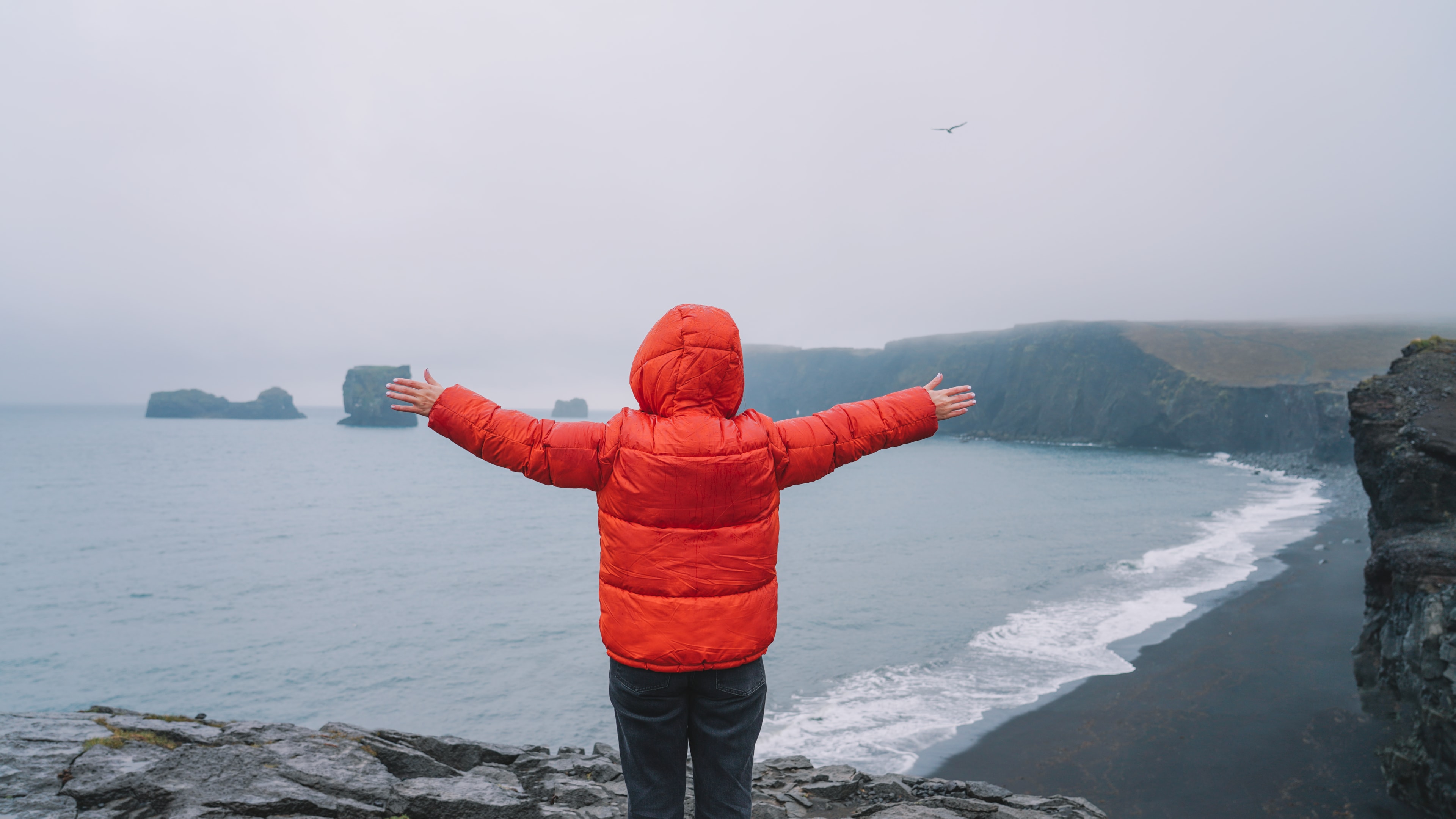
- Dress in layers: Spring weather can change fast—bring waterproof jackets, thermal layers, and sturdy boots.
- Rent a 4x4 vehicle: Some roads may still be icy or snowy, especially in March.
- Check weather and road conditions daily: Use safetravel.is and vedur.is for reliable updates.
- Book hot springs in advance: Places like the Blue Lagoon and Sky Lagoon fill up quickly.
- Be flexible: Snow or strong winds might shift your plans, so leave room to adjust.
- Join a guided tour for the northern lights: In early spring, this increases your chances of spotting them.
- Take advantage of shoulder season pricing: Flights and hotels are cheaper than in summer.
- Respect nature: Stick to marked paths and don’t walk on moss or delicate landscapes.
- Pack sunglasses and sunscreen: The spring sun reflects brightly off snow and ice.
FAQs
What is the weather like during the spring months in Iceland?
Spring in Iceland (March–May) brings milder weather and increasing daylight hours, though strong winds, wind chill, and occasional icy conditions can still occur—especially early in the season. As weather patterns shift from the winter months, it’s best to pack warm, including warm clothing and waterproof layers to stay warm while exploring.
Can I still visit popular sights like Gullfoss and Þingvellir in spring?
Yes! A Golden Circle tour is great in spring. Roads to Gullfoss Waterfall and Þingvellir National Park are typically accessible. You'll enjoy milder temperatures and fewer crowds, making it a more relaxed way to explore the entire country.
Are there any events or festivals happening in spring?
Yes, while most summer festivals happen later, spring offers local cultural events, including First Thursday art openings in Reykjavík and smaller summer celebration previews. These events give visitors a taste of Icelandic creativity and community spirit.
Can I still see the northern lights in Iceland during spring?
In early spring, you might catch the northern lights in Iceland, especially near the Arctic Circle. Clear nights and low light pollution still offer a truly magical experience—just check conditions and consider evening boat tours or guided outings.
Conclusion
Iceland in spring is a season of contrasts—where melting snow, blooming landscapes, and migrating wildlife signal the arrival of brighter days. While the weather remains unpredictable, the growing daylight hours and milder average temperatures create perfect conditions for exploration.
From spotting puffins and whale watching to soaking in hot springs beneath the shifting skies, there’s no shortage of memorable experiences. Though you may still glimpse the northern lights in early spring, it’s the blend of wildlife, fewer crowds, and peaceful scenery that truly sets this season apart.
Whether you’re chasing waterfalls, visiting ice caves, or enjoying scenic drives along the South Coast, spring offers a refreshing and rewarding way to visit Iceland—just remember to pack layers, stay flexible, and embrace the season’s wild, beautiful spirit.