What Should I Wear on an Iceland Day Tour? Gear, Layers & Rental Tips
Planning what to wear on an Iceland day tour can be just as important as planning your itinerary. The country’s weather is famously unpredictable, which means the right clothing will make the difference between an enjoyable experience and a cold, soggy one.
Whether you’re exploring waterfalls, walking through lava fields, or tackling a glacier hike, dressing smartly is essential. The foundation starts with durable waterproof hiking boots to keep your feet dry and stable on uneven terrain. Next, think in layers: a moisture-wicking base, a warm mid layer, and protective outer layers.
For the top, always pack waterproof jackets or, better yet, a waterproof and windproof jacket designed for Iceland’s sudden gusts. With the right gear, you’ll be comfortable in every condition.
Understanding Iceland’s Weather
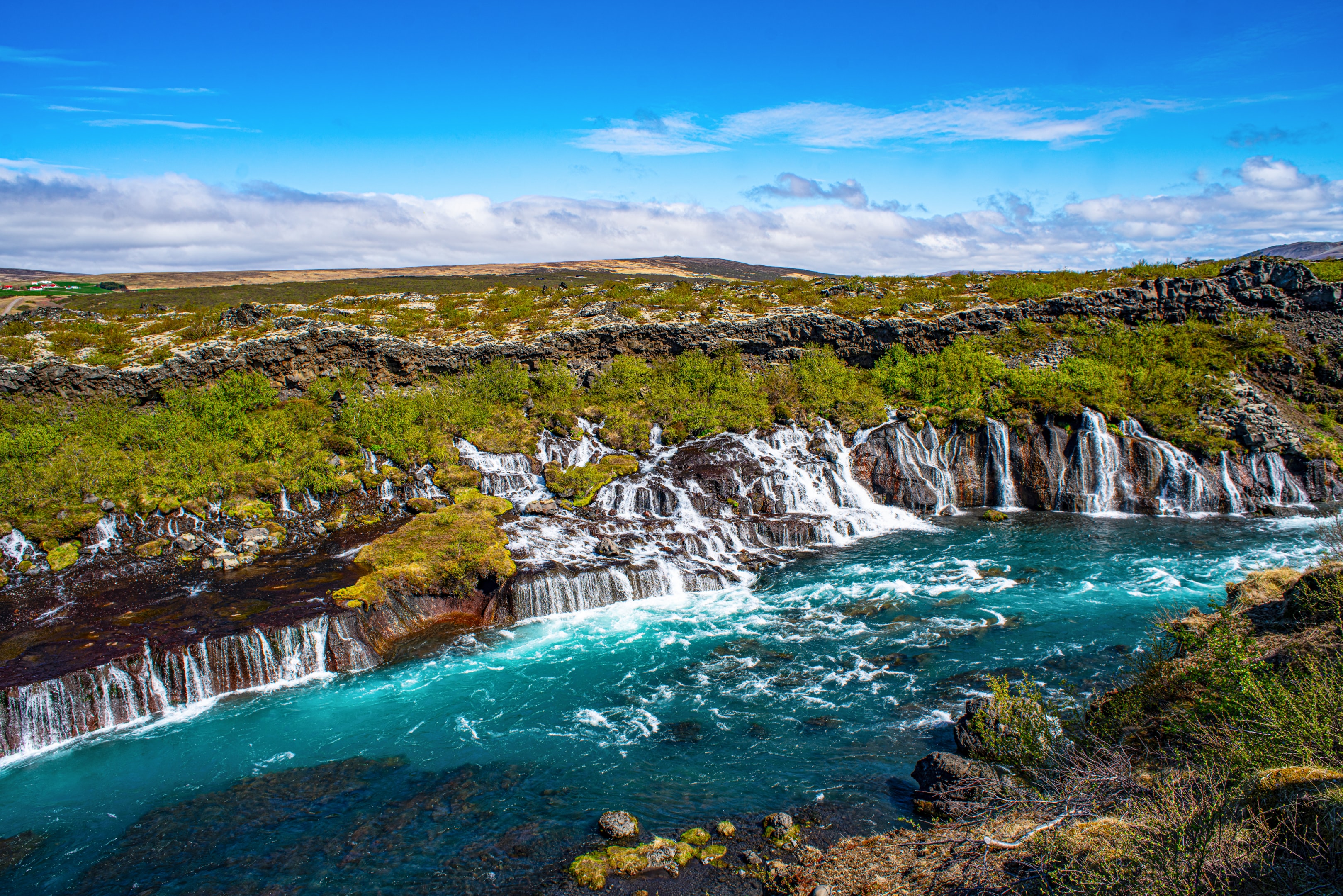
Iceland’s weather is one of the most unpredictable in the world, which is why travelers often hear the phrase: “If you don’t like the weather, wait five minutes.” On a single day tour, you may experience sunshine, heavy rain, strong winds, and even snow, especially if your route includes higher elevations or a glacier hike.
The island’s location in the North Atlantic means sudden changes are common, so being prepared for every condition is essential. Summer brings long daylight hours and milder temperatures, yet chilly winds and rain showers are still frequent. Winter offers shorter days and colder temperatures, but conditions can shift just as quickly.
Dressing in layers, carrying waterproof jackets, and preparing for wind are the keys to staying comfortable and safe no matter the season.
Benefits of Proper Preparation
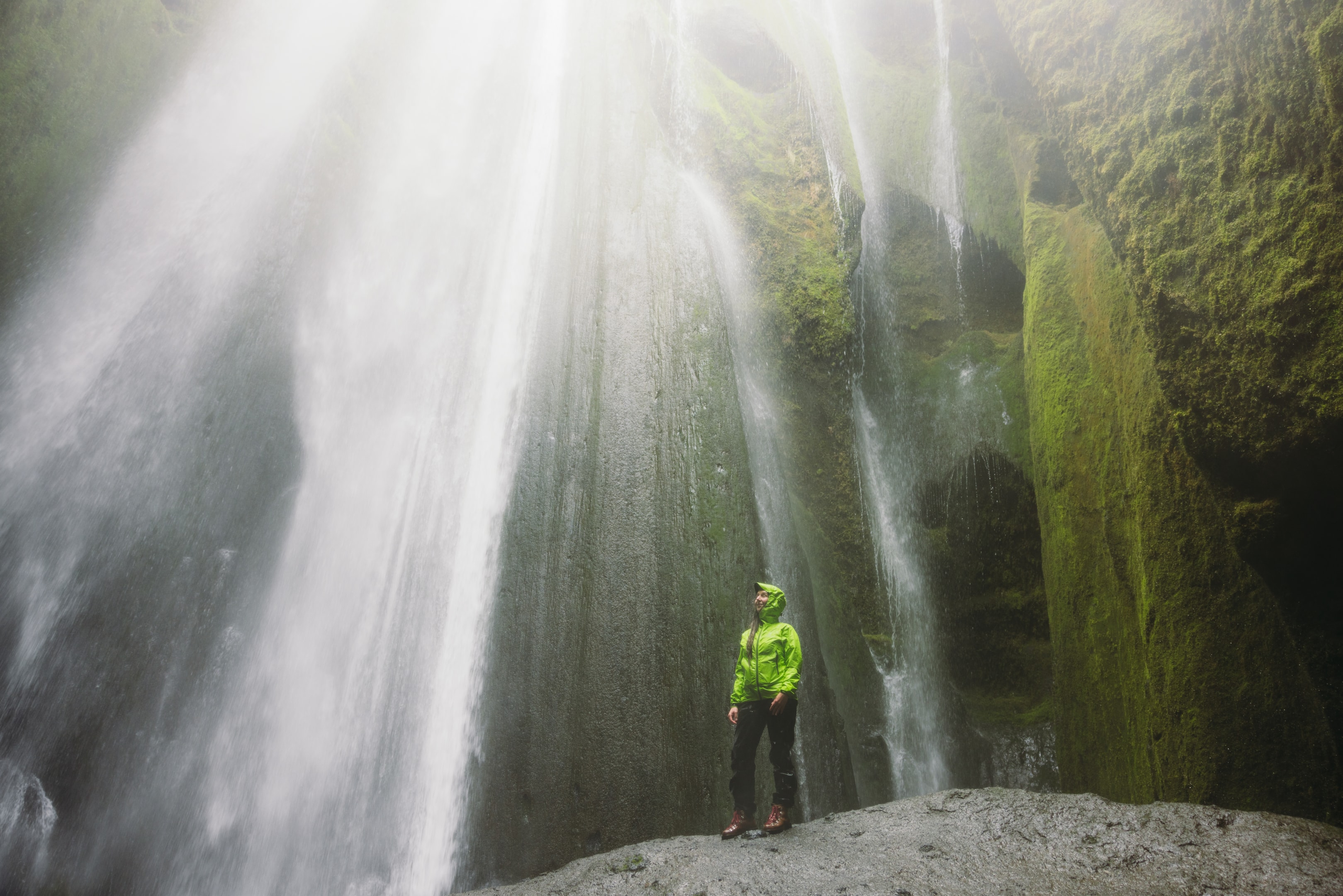
Preparing for any kind of outdoor activity, whether it be hiking, camping, or exploring a new city, is crucial for both safety and enjoyment. This is especially true when traveling to places with unpredictable weather conditions, such as Iceland.
Here are some benefits of proper preparation:
- Safety: By being prepared for all kinds of weather conditions, you can reduce the risk of accidents or getting lost in unfamiliar surroundings. Having the necessary gear and tools can also help in case of emergencies.
- Comfort: Being properly dressed and equipped for the weather can greatly improve your comfort level during your trip. This allows you to fully enjoy the experience without worrying about being too hot or cold.
- Flexibility: When you are well-prepared, you have the flexibility to change plans or adapt to unexpected situations. For example, if there is a sudden rainstorm, having a rain jacket and waterproof shoes can allow you to continue your hike instead of having to turn back.
- Cost savings: By bringing your own gear and supplies, you can save money on rentals or purchasing expensive items at the destination. This is especially useful for long-term travelers or budget-conscious individuals.
- Environmental impact: Proper preparation can also reduce your environmental impact by avoiding unnecessary waste from disposable items or excessive energy consumption.
Does Iceland Weather Forecast Matter When Packing for a Hiking Trip?
While checking the forecast is useful, relying on it alone can be misleading when preparing for an Iceland hiking trip. The island’s weather changes rapidly—sunshine can be replaced by sudden rain or cold winds within minutes.
Even if average temperatures look mild, bursts of warm air may quickly give way to chilly storms. This unpredictability makes smart packing essential. A sturdy pair of hiking boots is non-negotiable for safety and comfort on rocky trails, while layering with warm socks, insulating clothes, and a reliable warm hat helps protect against sudden drops in temperature.
Bringing waterproof gear—jackets, pants, and backpack covers—ensures you stay dry during unexpected showers. The key is to pack as though you’ll face every season in a single day. A forecast provides general guidance, but preparation guarantees you’ll enjoy Iceland’s landscapes no matter what the skies deliver.
The Golden Rule – Dress in Layers
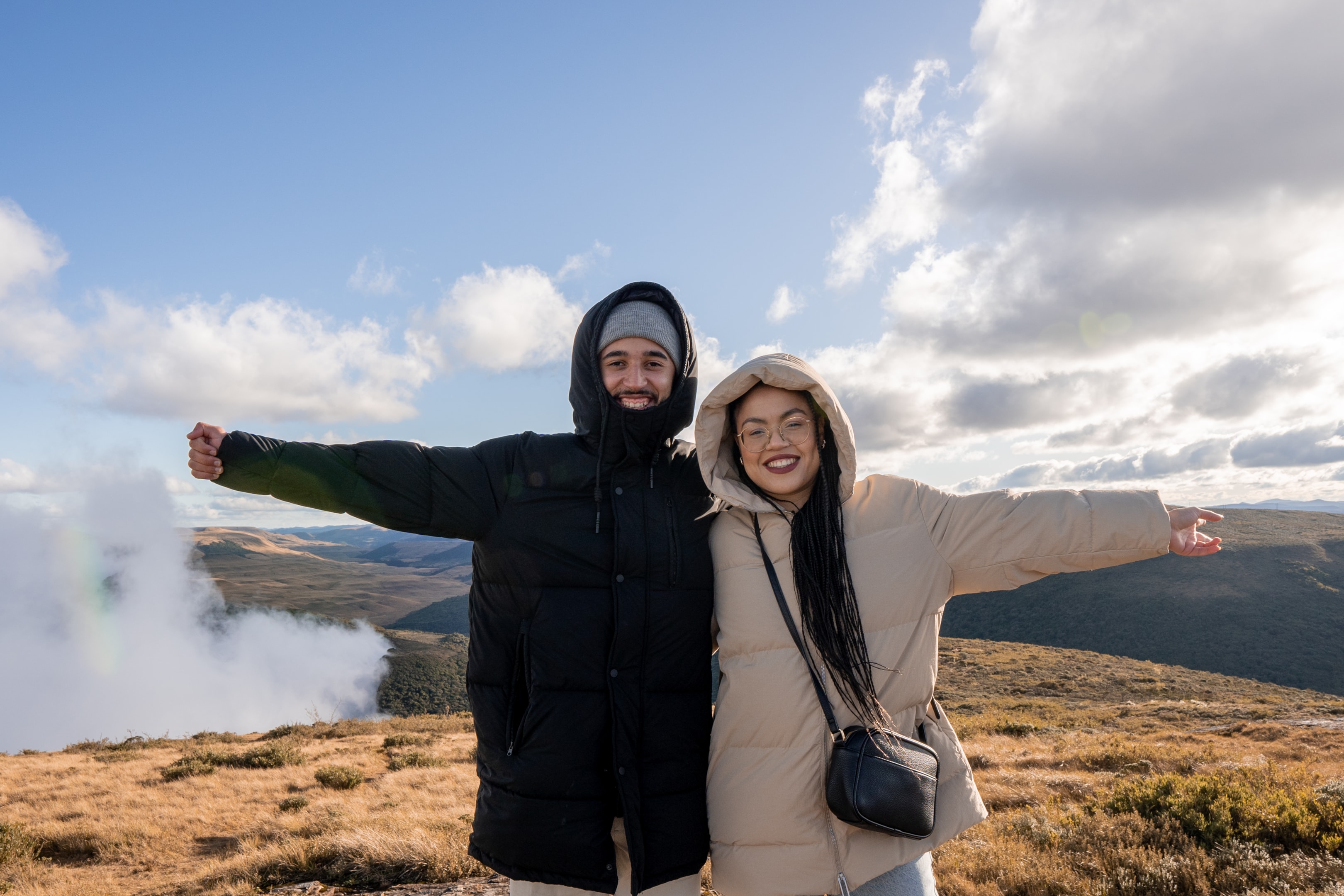
Iceland’s unpredictable weather makes layering the smartest way to dress for any day tour. By wearing clothes in three functional layers, you can adapt quickly to changing conditions and stay comfortable whether hiking a trail, exploring waterfalls, or joining a glacier hike.
Base Layer – Stay Dry First
The base layer is your foundation. Choose moisture-wicking materials like merino wool or synthetic fabrics that pull sweat away from your skin. Avoid cotton—it holds moisture and makes you feel colder. Thermal tops and leggings keep your body warm while ensuring breathability during physical activity.
Mid Layer – Add Warmth
Your mid layer is responsible for insulation. A fleece jacket, wool sweater, or lightweight down jacket traps body heat while remaining flexible. The goal is to stay warm without adding bulk. This layer is especially important during colder months or windy excursions.
Outer Layer – Protection Against the Elements
The outer layers act as your shield against Iceland’s wind, rain, and snow. Always bring waterproof jackets or a waterproof and windproof jacket, along with rainproof pants. These protect your inner clothing and keep you dry no matter how harsh the conditions become.
Accessories Matter Too
Don’t overlook small but critical items: a warm hat, gloves, and thermal socks make a big difference when temperatures drop suddenly. Sturdy waterproof hiking boots are essential for navigating wet trails and slippery rocks.
Why Layering Works
Layering allows you to remove or add clothing as needed, adjusting to the environment. It prevents overheating during activity while ensuring you stay warm and dry during rest breaks. This flexibility is what makes layering the golden rule for Iceland day tours.
Essential Clothing for Iceland Day Tours
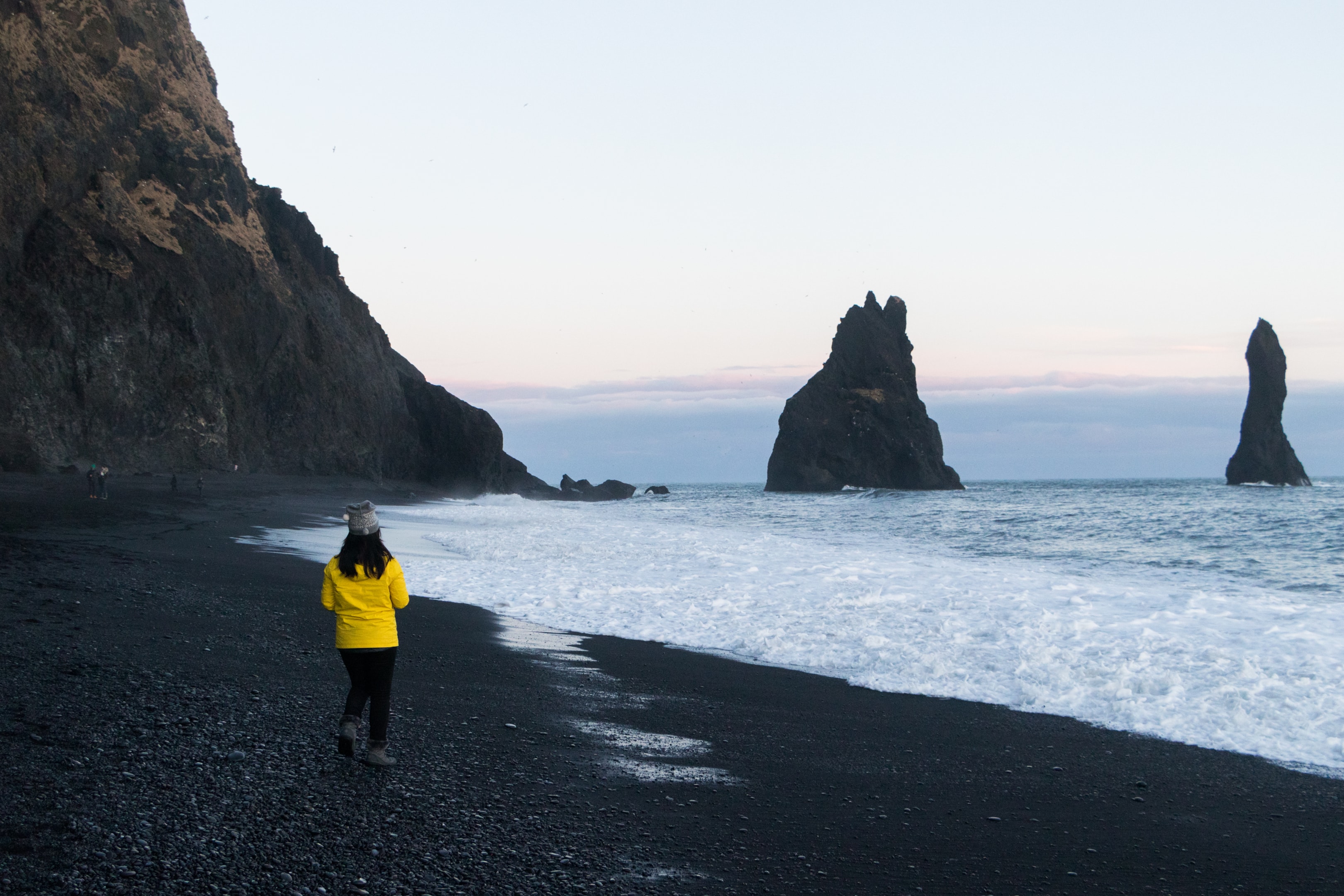
Packing the right clothing for an Iceland day tour is not just about style—it’s about ensuring comfort, safety, and the ability to fully enjoy every part of your Icelandic adventure. The country’s wild landscapes, unpredictable weather, and variety of activities demand versatile gear.
Here’s a breakdown of essentials every traveler should bring.
Keep Warm and Dry
The first rule is to keep your body and legs warm. Moisture-wicking thermal leggings paired with durable hiking pants form the foundation. Over these, add waterproof rain pants or a shell layer to block wind and rain. On top, wear insulating layers like wool or fleece, finished with a windproof outer layer that doubles as protection against snow and strong gusts. Proper rain gear is critical, especially when touring waterfalls or exploring Iceland’s rugged south coast.
Footwear for All Terrains
When exploring black sand beaches, lava fields, or icy trails, always wear sturdy shoes with strong traction. Waterproof hiking boots with good ankle support protect against slips and injuries, especially when navigating rocky terrain or joining glacier walks. Warm thermal socks keep feet dry, while waterproof gloves shield your hands in wet or windy conditions.
Accessories for Comfort
Small items can make the biggest difference. A warm hat, scarf, and breathable gloves add insulation. A reusable water bottle is essential since Iceland’s tap water is some of the cleanest in the world. Keep it filled to stay hydrated while hiking. Sunglasses are also a must, whether for the glare of snowfields, the bright rays of the midnight sun, or the dazzling show of the northern lights.
Preparing for Special Experiences
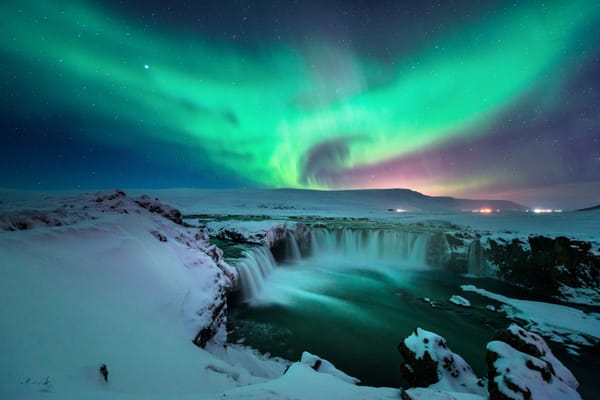
Day tours often include unforgettable stops at hot springs and geothermal pools. Always pack a swimsuit and quick-dry towel so you’re ready to dip into natural baths or enjoy the famous Blue Lagoon. In fact, carrying swimwear ensures you don’t miss spontaneous opportunities to relax in hidden springs along the way. Many travelers also pair evening tours with northern lights hunts, so dressing warmly with insulated layers keeps you comfortable while waiting under the winter skies.
Seasonal Adjustments
In summer, lightweight layers help manage warmth during long days under the midnight sun. In winter, insulated jackets, thick mid-layers, and waterproof shells are indispensable for keeping your core and legs warm while trekking through snow. Regardless of the season, a reusable water bottle and sturdy boots with ankle support remain year-round essentials.
Iceland offers diverse landscapes—from black sand beaches and roaring waterfalls to the serene glow of the northern lights. To fully embrace each moment, preparation is key. With smart clothing choices—layered insulation, windproof outer layers, durable footwear, and swimwear for hot springs and the Blue Lagoon—you’ll stay comfortable through every twist of weather. Dressing properly ensures your focus remains on the breathtaking scenery and once-in-a-lifetime experiences that make Iceland unforgettable.
Seasonal Adjustments – Summer vs. Winter
Iceland’s seasons shape how you should dress for day tours, and understanding the differences helps you prepare properly. While layering is always the golden rule, the type of gear you’ll need varies significantly between summer and winter.
Summer (May–September)
Summer brings milder conditions, long daylight hours, and the magical midnight sun. Average temperatures range between 10–15°C (50–59°F), but winds and rain showers are still common. For day tours, lighter layers work well—start with a breathable base, add a thin fleece or wool mid layer, and finish with a shell layer or light waterproof jacket. Hiking trips often involve exploring waterfalls, lava fields, or black sand beaches, so wear sturdy shoes with ankle support even in summer. A reusable water bottle is useful for long hikes, and don’t forget sunglasses and sunscreen to protect against extended daylight exposure.
Winter (October–April)
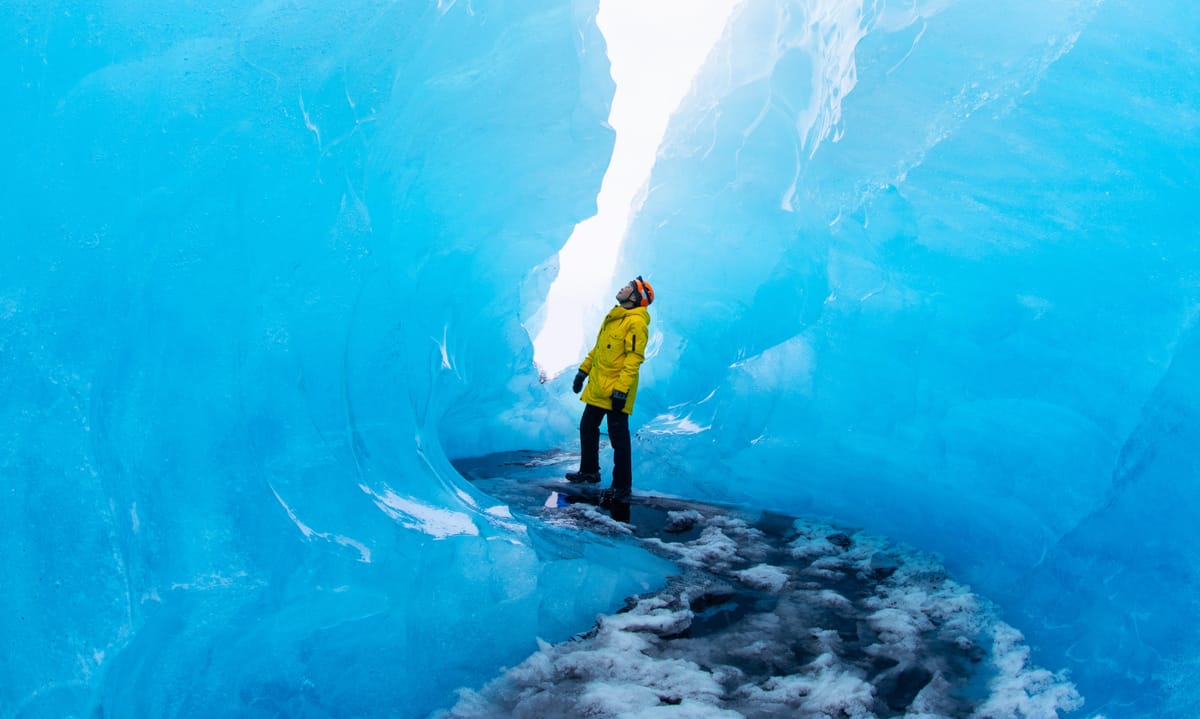
Winter transforms Iceland into a snowy wonderland, perfect for glacier walks, ice caves, and hunting the northern lights. However, temperatures hover around freezing, and winds can make it feel much colder. Heavier insulation becomes essential: thermal base layers, a thick fleece or down mid layer, and a strong windproof outer layer keep your core and legs warm. Sturdy waterproof boots with extra ankle support are critical for icy terrain, often paired with crampons for added grip. A warm hat, gloves, and thermal socks help prevent frostbite during extended outdoor activities.
Adapting to Both
No matter the season, always prepare for sudden changes. Packing versatile items like rain gear, a swimsuit for hot springs or the Blue Lagoon, and layered clothing ensures you’re ready to embrace your Icelandic adventure year-round.
What Not to Wear in Iceland
When preparing for an Iceland day tour, knowing what not to pack is just as important as selecting the right gear. One of the biggest mistakes travelers make is wearing jeans or cotton clothing. These materials absorb moisture, take a long time to dry, and leave you feeling cold and uncomfortable in Iceland’s damp climate.
Fashion boots, sneakers, or shoes without proper ankle support are also unsuitable. Slippery surfaces on trails, waterfalls, or black sand beaches require sturdy waterproof boots to keep your feet safe and dry. Umbrellas should be avoided as well—they are nearly useless in Iceland’s strong winds and can break easily.
Thin jackets without a windproof outer layer or travelers skipping rain gear often regret it when sudden showers arrive. In short, skip impractical items and focus on clothing that keeps you warm, dry, and protected.
Gear You Can Rent in Iceland
If you don’t want to overpack for your trip, Iceland makes it easy to rent essential gear. Many tour operators and shops in Reykjavík and along the south coast offer high-quality equipment for day tours. Common rental items include waterproof jackets, sturdy hiking boots with ankle support, crampons for icy paths, and even full rain gear sets.
For those joining a glacier hike, specialized equipment like helmets and harnesses is often included in the tour price. Renting is cost-effective if you’re only in Iceland for a short time and don’t want to invest in expensive outdoor gear. It also ensures you get reliable, weather-tested clothing designed for the country’s harsh and unpredictable conditions.
Is Packing Extras for a Day Tour Worth It?
Yes—packing a few extras can make your Iceland day tour far more comfortable. Essentials like a reusable water bottle, snacks, and a power bank keep you energized and connected throughout the journey. A swimsuit and towel are worth carrying in case your tour includes stops at natural hot springs or the Blue Lagoon.
Small items like dry bags protect electronics from sudden rain, while extra gloves or socks can be lifesavers in unpredictable weather. These extras don’t add much weight but give you flexibility, convenience, and peace of mind during your Icelandic adventure.
Pro Tips from Locals & Tour Guides
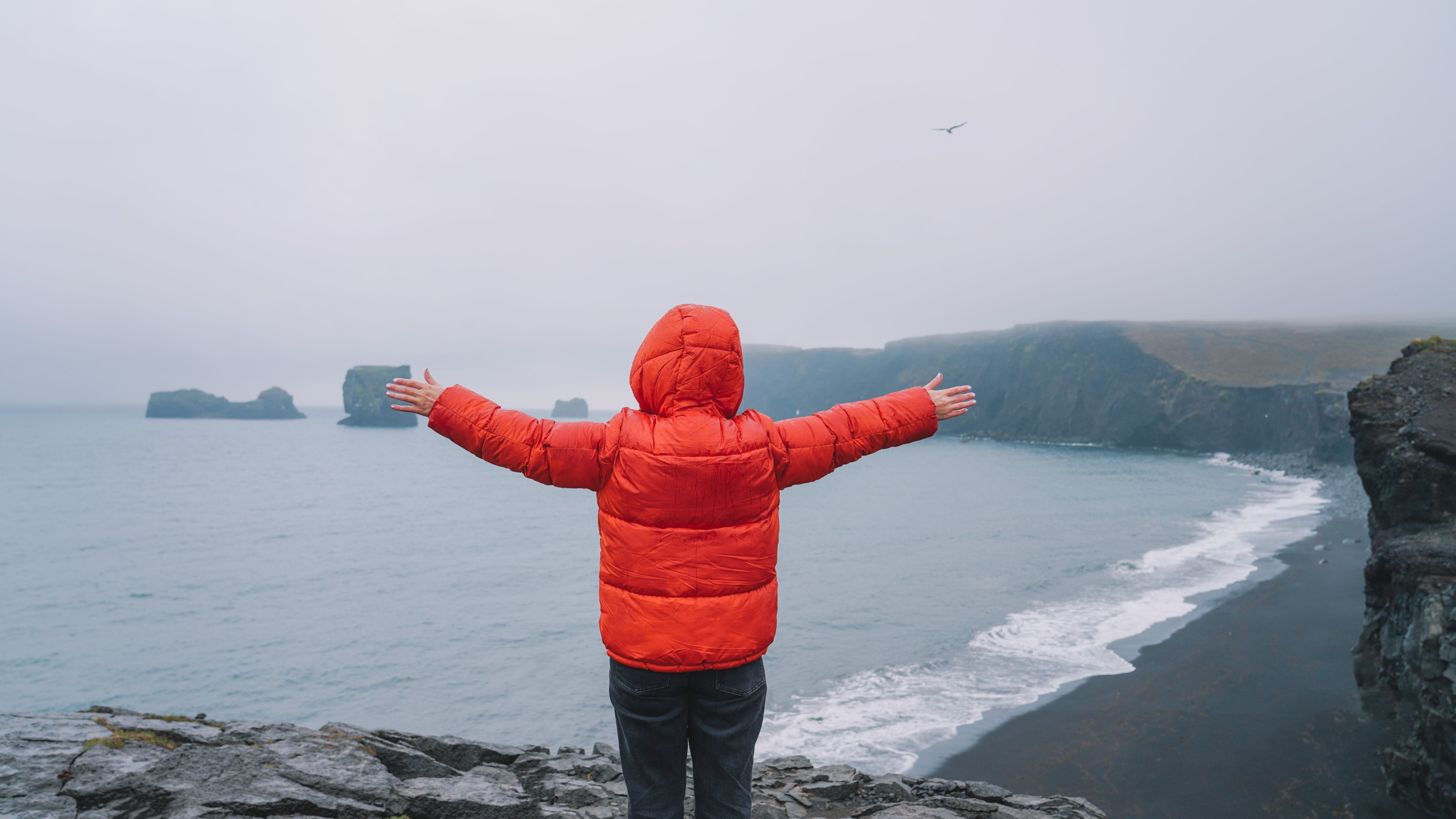
- Dress warmer than expected – Iceland’s winds make it feel colder, even in summer.
- Follow the layer system – base layer for moisture control, insulating mid layer, and a protective windproof outer layer.
- Choose footwear wisely – waterproof boots with strong ankle support are essential for rocky, wet, or icy trails.
- Don’t skip accessories – a warm hat, gloves, and thermal socks provide comfort during long tours.
- Plan for night outings – if chasing the northern lights, dress in extra layers to stay warm while waiting outdoors.
- Stay hydrated – carry a reusable water bottle and refill with Iceland’s pristine tap water.
- Be flexible – weather changes fast, so always be prepared for sun, rain, and snow on the same day.
FAQs
What base layers work best for Icelandic weather on a day tour?
A moisture wicking base layer is essential to keep you dry in cooler temperatures. Pair it with thermal underwear, thermal pants, and moisture wicking socks for maximum comfort. Cotton sweaters or cotton outerwear are not recommended, as they trap moisture and fail to insulate.
What kind of outerwear should winter travelers bring?
For a winter trip, a puffer jacket or a stylish jacket that is water resistant is perfectly fine. Adding a fleece sweater underneath and insulated gloves on top will help protect against frequent rain and chilly winds while exploring stunning glaciers and breathtaking landscapes.
What footwear is considered proper for Iceland tours?
Winter travelers should pack smart and bring insulated boots with good grip. Proper footwear helps prevent slips while hiking stunning landscapes. Comfortable shoes are fine for city walks, but sturdy boots are best for tours.
What small essentials make a big difference?
Thick socks or wool socks keep feet warm, while lip balm helps fight dry air. Synthetic materials in layers provide flexibility, and packing smart ensures you stay comfortable despite Icelandic weather changes.
Conclusion
Dressing correctly for an Iceland day tour is the difference between an uncomfortable outing and an unforgettable experience. The key is to follow the golden rule: layer wisely with a moisture-wicking base, insulating mid layer, and protective outer layers such as a windproof outer layer or waterproof jackets.
Pair this with waterproof hiking boots, strong ankle support, and practical accessories like a warm hat and gloves. Extras such as swimwear for hot springs or the Blue Lagoon, plus a reusable water bottle, add comfort. Rentals are widely available, but preparation ensures you’re ready for any Icelandic adventure.