What to Wear in Iceland During Winter: A Complete Guide for Travelers
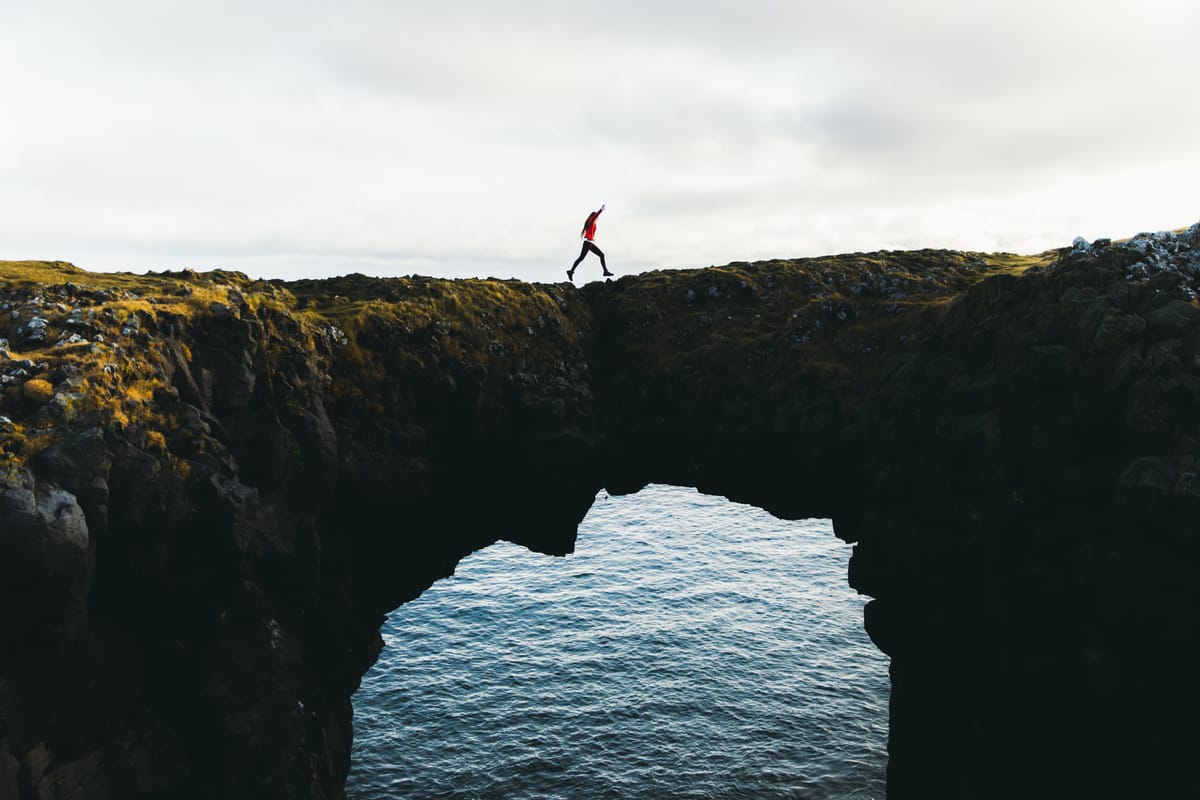
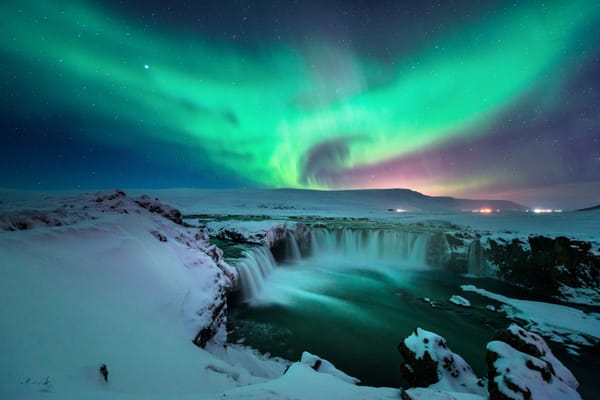
Winter in Iceland is stunning—but also cold, wet, and unpredictable. If you’re visiting between late October and March, you’ll experience magical sights like the Northern Lights, icy waterfalls, frozen black-sand beaches, and snowy volcanic landscapes. To enjoy it all comfortably, you need to dress properly.
Many travelers pack clothes that are stylish but not warm, waterproof, or functional. Icelandic winters aren’t extremely cold (temperatures range from -5°C to 5°C / 23°F to 41°F), but wind, rain, sleet, and snow can all occur in a single day. If you’re wet and cold, your dream trip can quickly become miserable.
This guide covers what to wear in Iceland during winter—how to layer, what to pack, and mistakes to avoid—so you stay warm, dry, and ready for adventure.
Why Is Icelandic Winter Weather So Challenging?
Before diving into what to wear, it’s important to understand why Iceland’s winter climate is so unique.
1. Unpredictable Weather
Iceland's winter conditions can shift in an instant. You might step out of your hotel under clear, sunny skies only to find yourself caught in a snowstorm 20 minutes later. This unpredictability stems from Iceland’s location, where warm Atlantic currents collide with Arctic air systems, creating rapid and dramatic weather changes.
2. Wet and Windy Conditions
Icelandic winters aren’t just about snow; they bring sleet, freezing rain, and powerful coastal winds that can exceed 40 mph. Wind chill plays a significant role in how cold it feels, and staying dry is just as essential as staying warm.
3. Moderate Yet Bone-Chilling Cold
Unlike the deep freeze of regions like Canada or Siberia, Iceland’s coastal temperatures usually hover around freezing. However, the relentless combination of wind and moisture makes it feel far colder than the thermometer suggests.
Understanding these elements is key to preparing for Iceland’s winter weather and ensuring you stay comfortable no matter what Mother Nature throws your way.
The Golden Rule: Master the Art of Layering
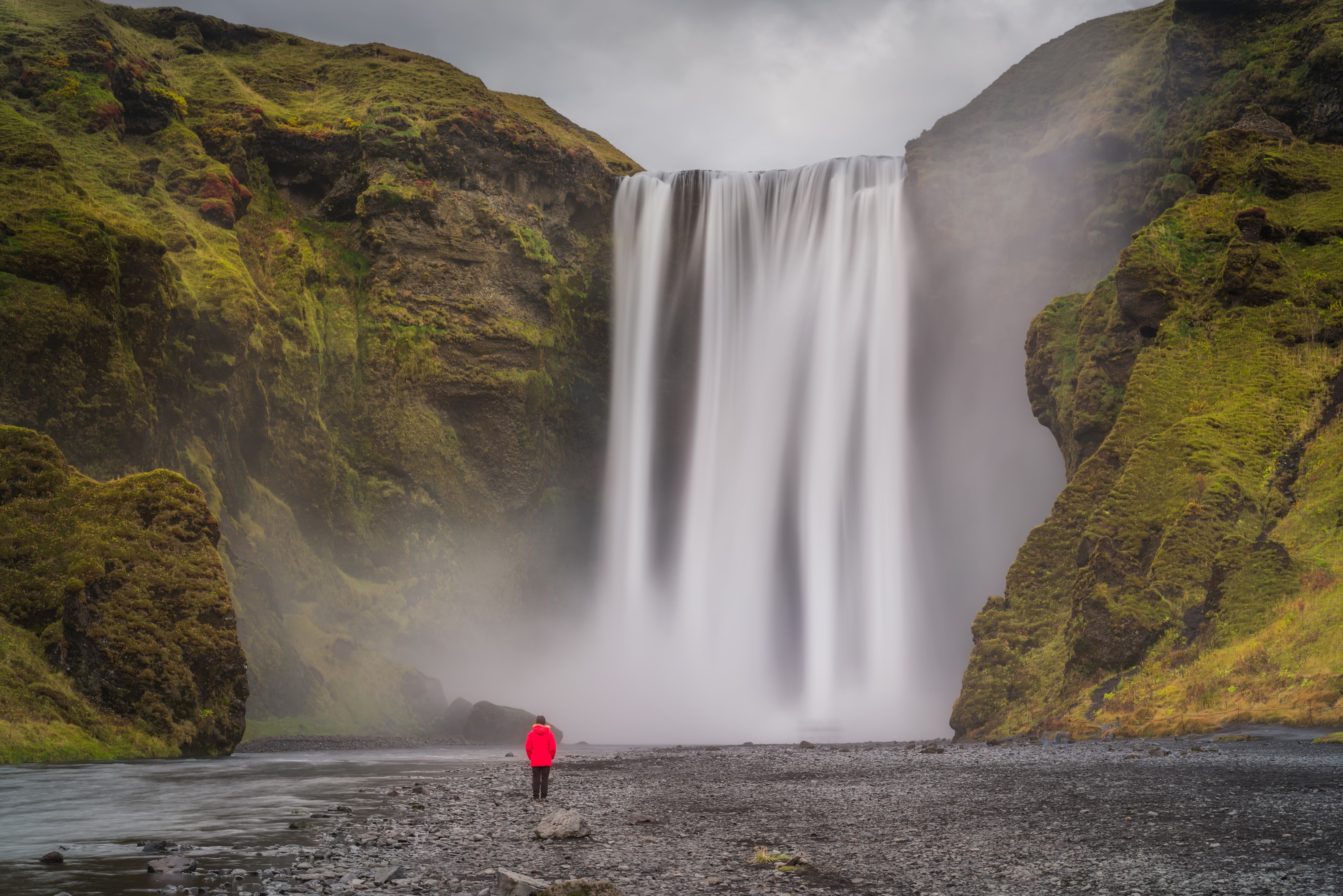
If you ask any Icelander how to dress for winter, they’ll tell you one thing: layering is everything. The secret to staying warm, dry, and comfortable in unpredictable weather lies in a smart, adaptable layering system.
Here’s a breakdown of the tried-and-true 3-layer approach:
1. Base Layer: The Foundation
- Purpose: Wicks away sweat and retains body heat.
- Best Materials: Merino wool or synthetic fabrics (steer clear of cotton, as it traps moisture).
- Essential Items: Thermal long-sleeve top and leggings.
2. Mid Layer: The Insulator
- Purpose: Provides crucial warmth by trapping heat.
- Best Materials: Fleece, down, or wool.
- Essential Items: A fleece jacket, lightweight puffer, or the iconic Icelandic wool sweater (lopapeysa).
3. Outer Layer: The Shield
- Purpose: Protects against wind, snow, and rain.
- Best Materials: Waterproof and breathable fabrics like Gore-Tex.
- Essential Items: An insulated or shell parka paired with waterproof or snow pants.
By mastering these layers, you’ll be prepared for anything Iceland’s winter weather—or any cold climate—throws your way.
Essential Winter Clothing for Iceland
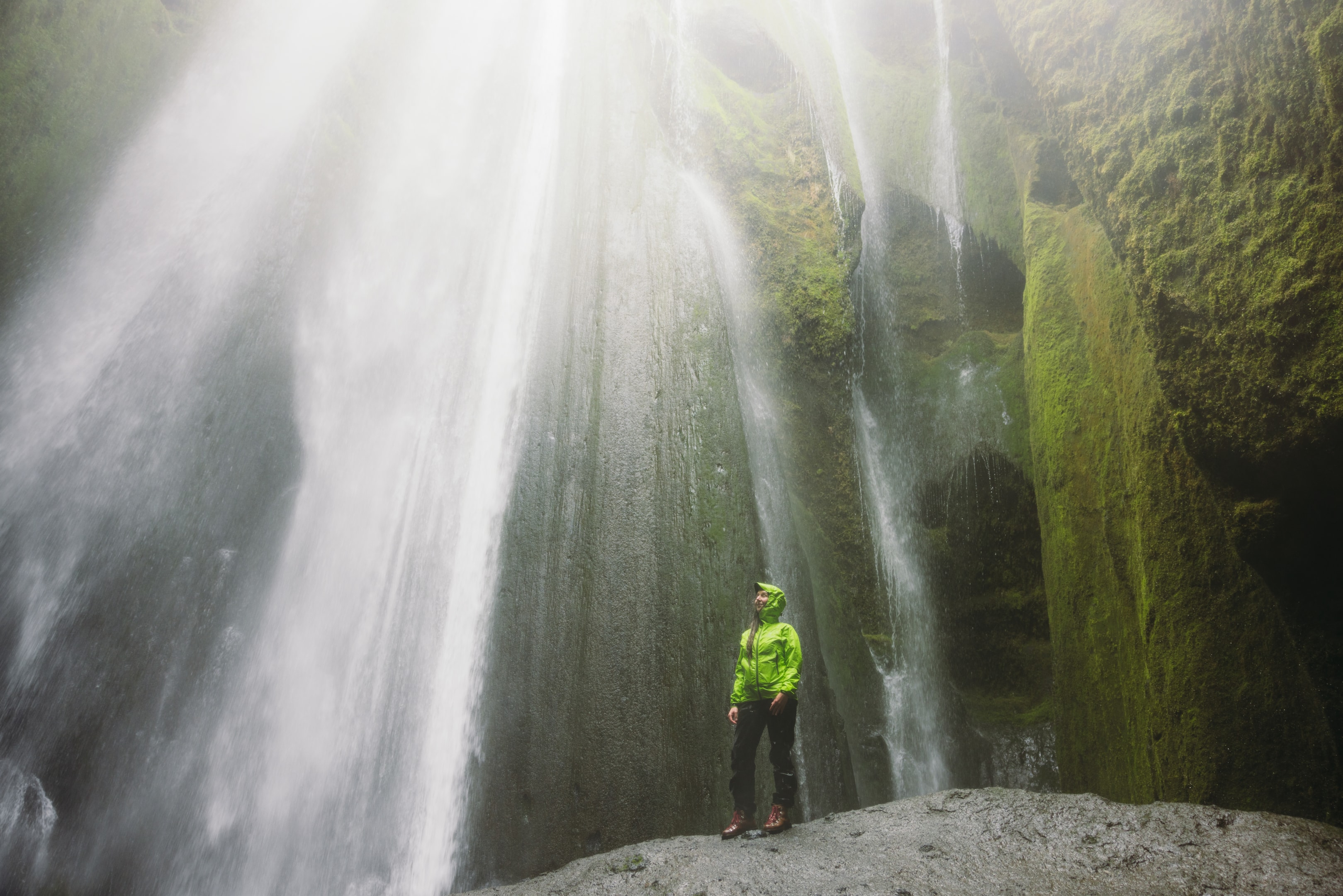
When preparing for Iceland's winter, layering the right gear is key to staying warm, dry, and comfortable. Here’s a head-to-toe guide to ensure you’re ready for the elements.
1. Headwear: Keep the Cold at Bay
- Wool or Fleece-Lined Beanie: Choose a snug, warm beanie that fully covers your ears for maximum protection against the chill.
- Buff or Neck Gaiter: Shield your neck and face from piercing winds and icy air with a versatile buff.
- For Extreme Conditions: A balaclava or ski mask provides additional protection when facing harsh winds or freezing temperatures.
2. Upper Body Layers: Build a Warm, Protective Barrier
- Thermal Base Layer: Begin with a moisture-wicking thermal layer made of wool or synthetic material to keep your skin dry.
- Fleece or Wool Mid-Layer: Add a cozy insulating layer to trap heat and ensure warmth.
- Insulated, Waterproof Parka or Shell: Top it off with a heavy-duty jacket. Look for features like windproof fabric, a hood for extra coverage, and vents (such as pit zips) to regulate your body temperature during activity.
3. Lower Body Layers: Insulate and Protect
- Thermal Long Johns: Essential for keeping your legs warm and insulated.
- Fleece Pants (Optional): Add this layer on extra-cold days for added warmth.
- Waterproof/Windproof Outer Pants: Opt for snow pants or outer shell pants to keep your legs dry and protected from wind and moisture. Avoid cotton or jeans—they retain cold and wetness if damp.
4. Footwear: Keep Your Feet Warm and Dry
- Waterproof Insulated Boots: Invest in sturdy, insulated boots with excellent grip for icy terrains. Choose ones rated for -20°C (-4°F) or lower for optimal warmth.
- Wool Socks: Pack multiple pairs (at least 2–3). Wool socks stay warm even when damp and outperform cotton, which traps moisture and cools your feet.
5. Gloves and Hand Warmers: Protect Your Fingers
- Layered Gloves: Combine lightweight inner liners with waterproof, insulated outer gloves for maximum warmth.
- Mittens: An excellent alternative for extreme cold, as they retain more heat than gloves.
- Hand Warmers: Tuck these into your gloves or pockets for an extra boost of warmth during frigid days.
6. Accessories: The Details Matter
- Backpack Rain Cover: Ensure your belongings stay dry if snow turns to rain.
- Sunglasses: Protect your eyes from the glare of sunlight reflecting off the snow—it can be surprisingly intense.
- Headlamp: With short daylight hours in winter, a headlamp ensures visibility during those long, dark evenings.
By packing the right gear, you’ll be ready to embrace Iceland’s breathtaking winter landscapes while staying warm, dry, and comfortable. Adventure awaits!
What to Wear in Reykjavík During Winter
If you’re spending most of your time in Reykjavík and focusing on city-based tours, you can pack a bit lighter. As a coastal city, Reykjavík is windy, but the conditions aren’t as harsh as those in the Highlands.
Here’s what to pack:
- A waterproof, insulated coat
- A warm scarf and gloves
- Waterproof boots (you’ll be doing plenty of walking)
- Comfortable yet warm outfits for museums, cafés, and nightlife
Reykjavík’s fashion is all about being functional while staying stylish. Icelanders often wear their iconic lopapeysa sweaters, even when dining at upscale restaurants.
What to Wear for Winter Tours and Excursions
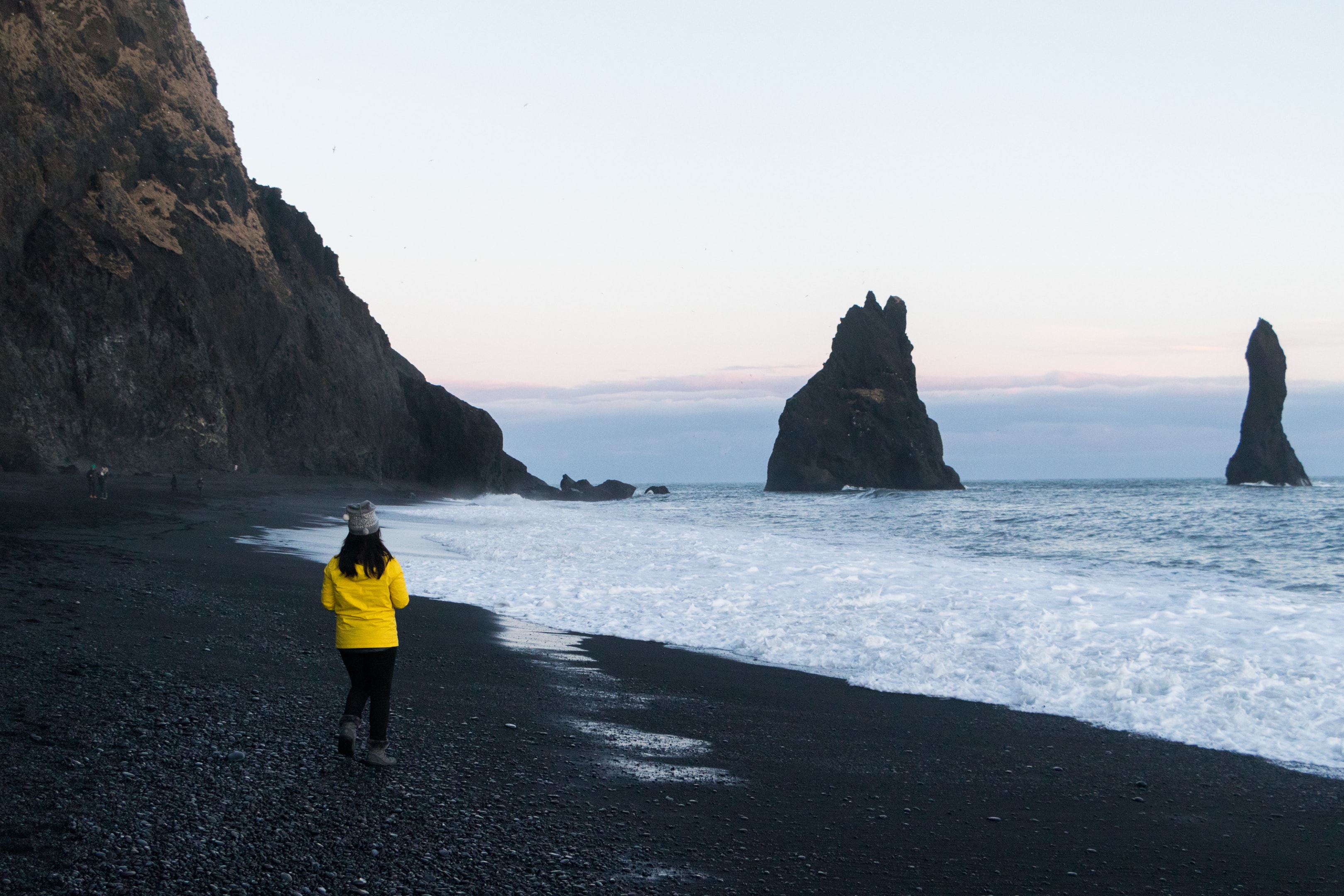
Whether you're chasing the Northern Lights or hiking on glaciers, you’ll need to dress like you're spending hours outdoors—because you are.
Here are outfit examples for:
1. Northern Lights Tour
- Pack for the cold! Wear thermal layers (top and bottom) to stay warm.
- Add a cozy fleece or down mid-layer for extra insulation.
- Top it off with a windproof parka and waterproof or snow pants.
- Insulated boots with wool socks are a must for keeping your toes warm in freezing temperatures.
- Don’t forget a hat, gloves, and a neck gaiter to protect against icy winds.
- Pro tip: Bring an extra phone battery, as the cold can drain your devices quickly!
2. Glacier Hike or Ice Cave Adventure
- Dress as above to stay warm and dry, but add a few key items for safety and comfort.
- Crampons or ice cleats are essential (you can usually rent or get them from your guide).
- A helmet will be provided by your guide for added protection.
- Carry a small daypack stocked with snacks, water, and any personal items you’ll need during the hike.
3. Golden Circle / South Coast Day Trip
- Be prepared for changing conditions by wearing full outdoor gear. You’ll be tackling both indoor and outdoor stops, so layers are key.
- Waterfalls like Gullfoss and Skógafoss mean wet conditions, so waterproof clothing is a lifesaver.
- Pack extra gloves and socks in your day bag—getting wet can quickly ruin your adventure, but spares can save the day!
Whether you’re chasing the Northern Lights, exploring glaciers, or road-tripping through Iceland’s iconic sights, being prepared will ensure you stay warm, safe, and happy!!
Winter Trip to Iceland Packing List (7–10 Days)
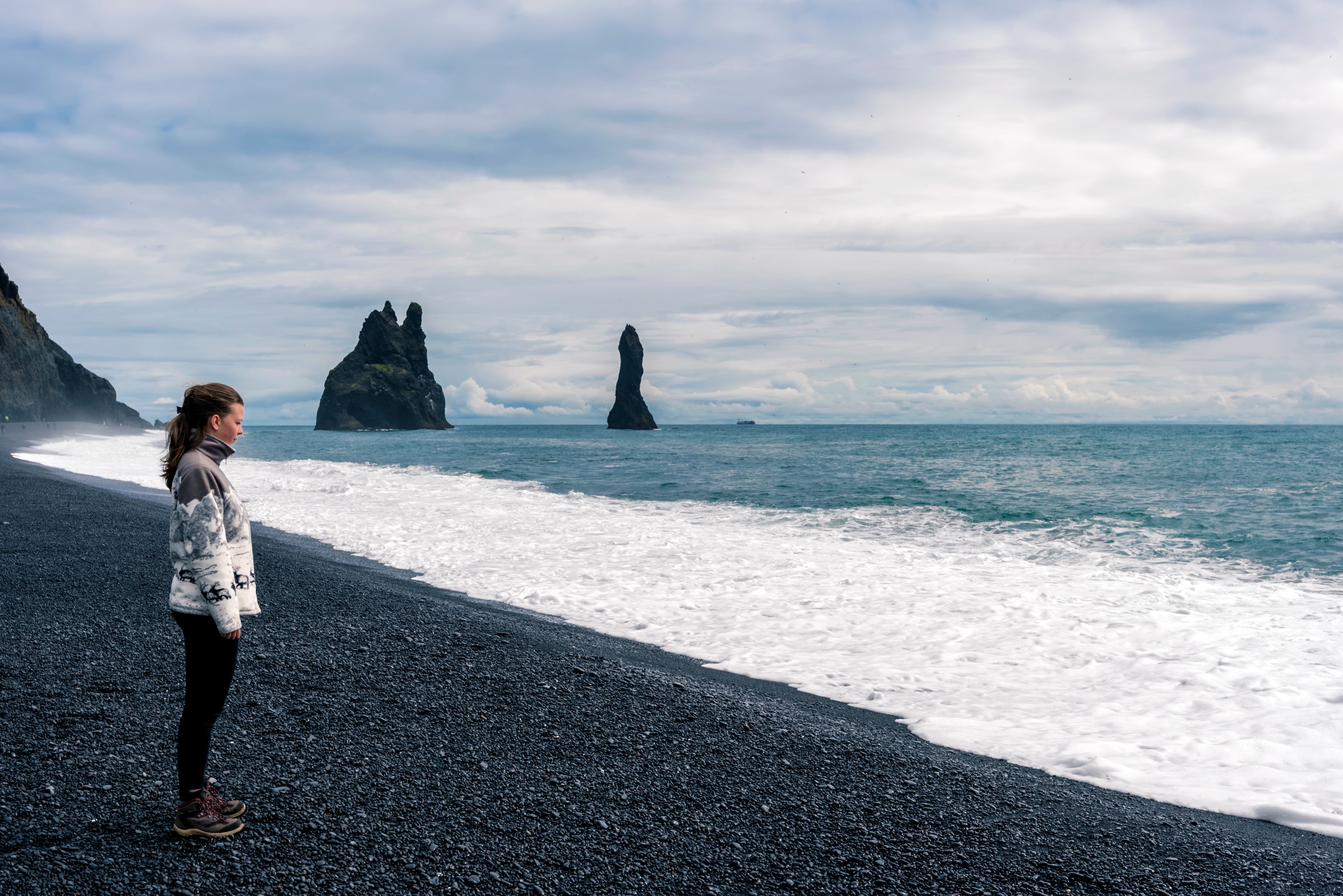
Planning a winter adventure in Iceland? Here’s a streamlined packing checklist to ensure you stay warm, comfortable, and prepared for anything.
Clothing
- 2–3 moisture-wicking base layer tops (merino wool or synthetic)
- 2–3 base layer bottoms for added warmth
- 1–2 cozy mid-layer sweaters (fleece or wool)
- 1 insulated, waterproof winter jacket
- 1 pair of snow pants or waterproof trousers
- 5–7 pairs of thick wool socks
- 5–7 pairs of thermal underwear
- 1 beanie, 1 scarf, and a neck gaiter for wind protection
- 1–2 pairs of waterproof gloves or mittens
- 1–2 sets of comfortable indoor clothing
Footwear
- 1 pair of waterproof, insulated boots for snow and ice
- Optional: flip-flops or slippers for hot springs
Accessories
- Swimsuit and travel towel (for those iconic hot springs)
- Sunglasses (yes, even in winter!)
- A reliable headlamp for low-light conditions
- Sturdy backpack with a rain cover
- Hand warmers for extra coziness
- Crampons (essential for icy terrains; rent if not included in your tour)
With this list, you’ll be ready to explore Iceland’s winter wonderland while staying warm, dry, and comfortable. Safe travels!
Common Mistakes to Avoid When Dressing for Iceland in Winter
Packing for Iceland’s winter can be tricky, and many travelers make avoidable mistakes that leave them cold, wet, and unprepared. To help you stay comfortable and fully enjoy your trip, here are the most common errors and how to avoid them:
Mistake 1: Relying on Fashion Coats
It’s tempting to pack your most stylish winter coat for those Instagram-worthy travel moments. But while fashion coats look great, they’re often ill-suited for Iceland’s harsh winter conditions. Without proper waterproofing or windproofing, these coats will leave you vulnerable to icy winds, snow, and rain.
Instead, opt for a high-quality technical jacket designed specifically for extreme weather. These coats may not be runway-ready, but their insulation and weatherproof features will keep you warm and dry when the weather takes a turn.
Mistake 2: Wearing Cotton Layers
Cotton might feel soft and cozy at first, but it’s one of the worst materials for winter layering. Once cotton gets wet—whether from sweat, snow, or rain—it traps moisture and dries slowly, leaving you cold and uncomfortable.
For a smarter choice, stick to wool or synthetic fabrics like fleece and polyester. These materials wick moisture away from your skin and provide insulation even when damp, helping you stay warm and dry all day long.
Mistake 3: Skipping Waterproof Pants
Waterproof pants might seem unnecessary, but they’re a lifesaver in Iceland’s unpredictable winter conditions. Without them, rain, snow, and slush will quickly soak through your clothing, leaving you chilled to the bone.
Whether you’re hiking snowy trails, exploring waterfalls, or simply walking around town, waterproof pants will keep you dry and comfortable. Investing in a pair ensures that wet, soggy legs won't ruin your adventures.
Mistake 4: Neglecting Hands and Face Protection
Gloves are a winter essential, but they’re often not enough to fully protect you from Iceland’s biting winds. Windchill can wreak havoc on exposed areas like your hands, face, neck, and ears, causing discomfort or even frostbite in extreme cases.
Be sure to pack a buff, scarf, or face mask to shield your skin from the elements. These small additions will keep you cozy and protected, no matter how harsh the weather gets.
By avoiding these common mistakes and choosing the right gear, you’ll be well-prepared to enjoy Iceland’s breathtaking landscapes without worrying about the cold. Stay warm, stay dry, and make the most of your winter adventure!
Renting Gear in Iceland: A Smart Alternative
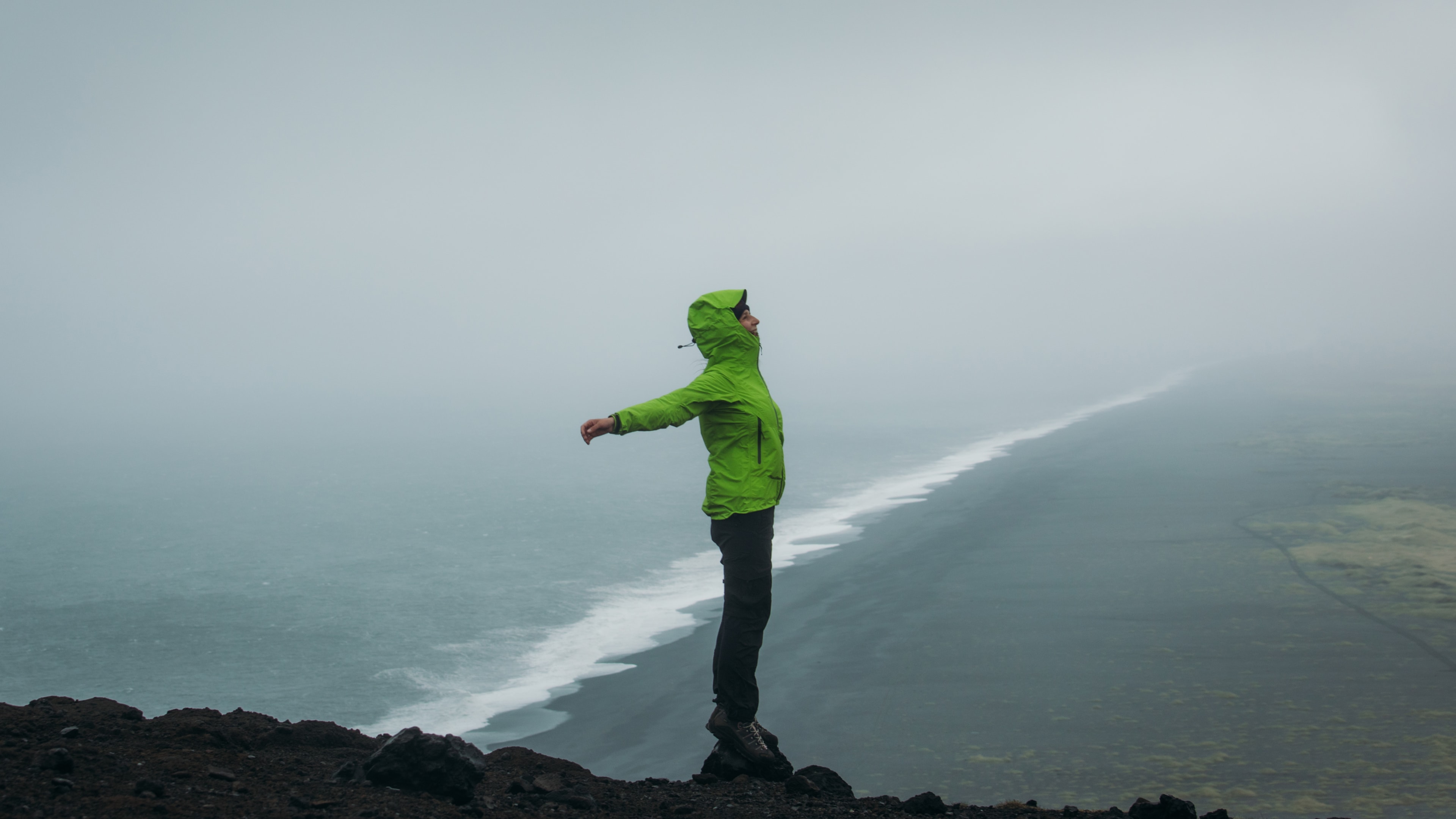
Not keen on splurging on pricey winter gear for just one trip? Renting clothing and equipment locally is a practical and budget-friendly option.
Top items available for rent in Reykjavik include:
- Waterproof jackets and pants
- Sturdy hiking boots
- Crampons for icy terrain
- Insulated gloves and hats
Many rental services offer convenient pick-up in Reykjavík or delivery straight to your hotel, making it easy to gear up without the hassle of overpacking. Travel light while staying safe, warm, and comfortable—perfect for your Icelandic adventure!
Smart Winter Dressing Tips for Reykjavik
Dressing wisely for Reykjavik’s winter can make all the difference in staying comfortable while exploring this beautiful city. Here are some practical and stylish tips to help you navigate the cold and unpredictable weather like a pro:
- Layer up indoors, too: Buildings in Iceland are often very warm. Wear layers so you can easily adjust your comfort. Choose lightweight, breathable fabrics that are easy to add or remove.
- Keep your feet dry: Dry feet are key in Iceland’s chilly, damp climate. Pack moisture-wicking socks and change them if they get wet—your toes will thank you.
- Invest in Icelandic wool: Locally made "lopapeysa" wool sweaters are warm, durable, and make for stylish, authentic souvenirs. Find them in Reykjavik’s shops to stay cozy and fashionable.
- Forget the umbrella: Iceland’s strong winds make umbrellas useless. Bring a hooded, waterproof rain jacket instead.
- Choose sturdy, insulated boots: Reykjavik’s icy streets require boots with great traction. Waterproof, insulated options will keep your feet warm and secure.
- Don’t forget gloves and a hat: Your hands and head lose heat quickly. Pack insulated gloves and a warm hat—especially for windy days.
By following these tips, you’ll be ready to take on Reykjavik’s winter with confidence and style. Stay warm, stay dry, and enjoy your adventures!
FAQs
What should be on my Iceland winter packing list?
Your Iceland winter packing list should include thermal socks, fleece leggings, a down jacket, and rain pants. Don’t forget snow boots and warm clothes for staying cozy during your Iceland winter trip.
Do I need waterproof winter boots for outdoor activities?
Yes, waterproof winter boots or sturdy winter boots are essential for outdoor activities like glacier hiking, exploring ice caves, or seeing south coast waterfalls. They’ll keep your feet dry in snow covered landscapes and slush.
What type of jacket is best for cold weather in Iceland?
A windproof and waterproof jacket or warm jacket is ideal. The cold winter air in North Iceland can be intense, especially when visiting Iceland for northern lights tours or winter travelers exploring icy areas.
Is there a printable winter packing list available?
Yes! Many guides include a printable winter packing list to make sure you're ready for your Icelandic winter adventure—from blue lagoon visits to staying safe with winter tires on the road.
Conclusion
Traveling to Iceland in winter is an unforgettable experience—as long as you’re well-prepared. With the right gear and attitude, you’ll stay warm, dry, and ready to embrace everything Iceland has to offer, from icy glaciers to charming, fire-lit cafés.
The golden rule? Layering is essential, and practicality always outweighs fashion. Whether you’re capturing the magic of the Northern Lights, trekking across frozen lava fields, or unwinding in a soothing geothermal lagoon, dressing appropriately will make all the difference.
Bundle up, stay warm, and savor every moment of your Icelandic adventure!