What Most Travelers Miss When Planning a Northern Lights Trip to Iceland
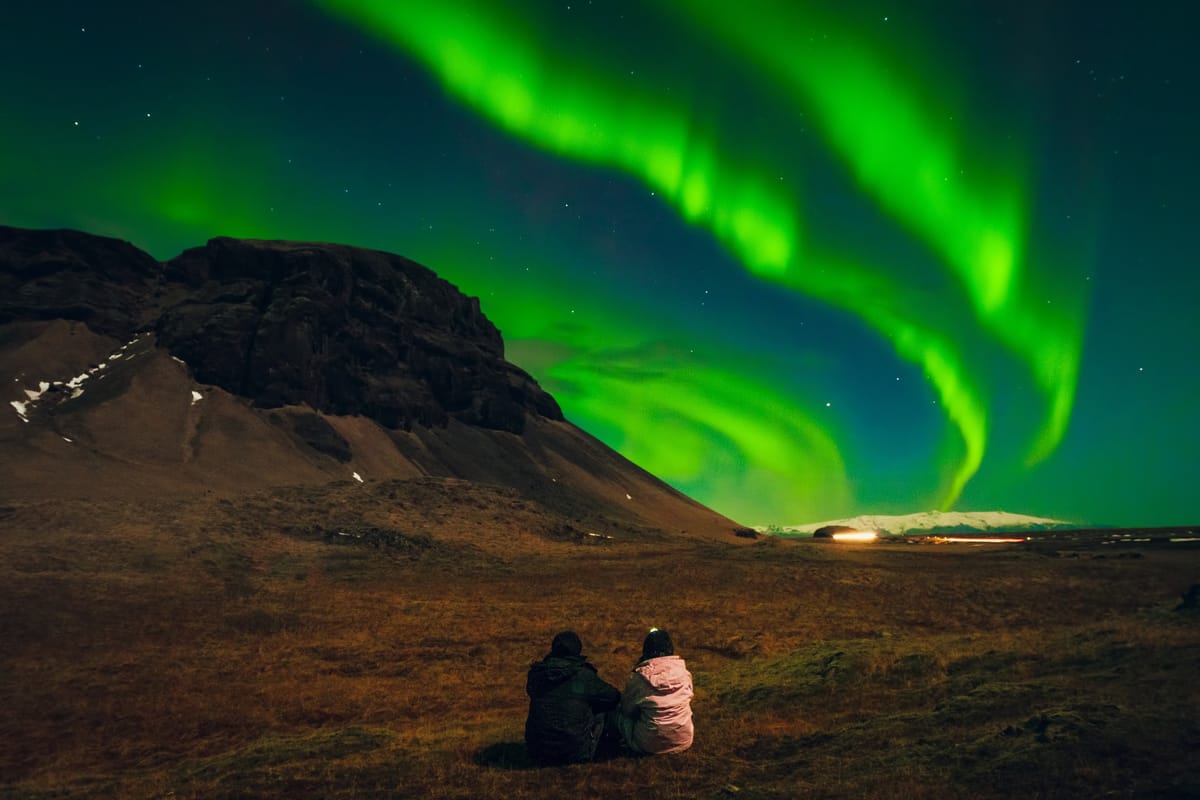
The allure of the Northern Lights draws thousands to Iceland every winter. Yet despite its popularity, many travelers arrive unprepared, disappointed, or frustrated. The aurora is unpredictable; planning it well requires more than just booking dates and hoping for clear skies.
In this article, we’ll dive into the subtle but critical things most travelers miss when planning a Northern Lights trip to Iceland. From picking the wrong season or hotel to misunderstanding forecasts, underpacking, or misjudging logistics — these oversights can derail even the best intentions.
We’ll also provide smart fixes and tips so your client’s journey feels seamless, powerful, and magical.
The Science Behind the Magic That Many Overlook
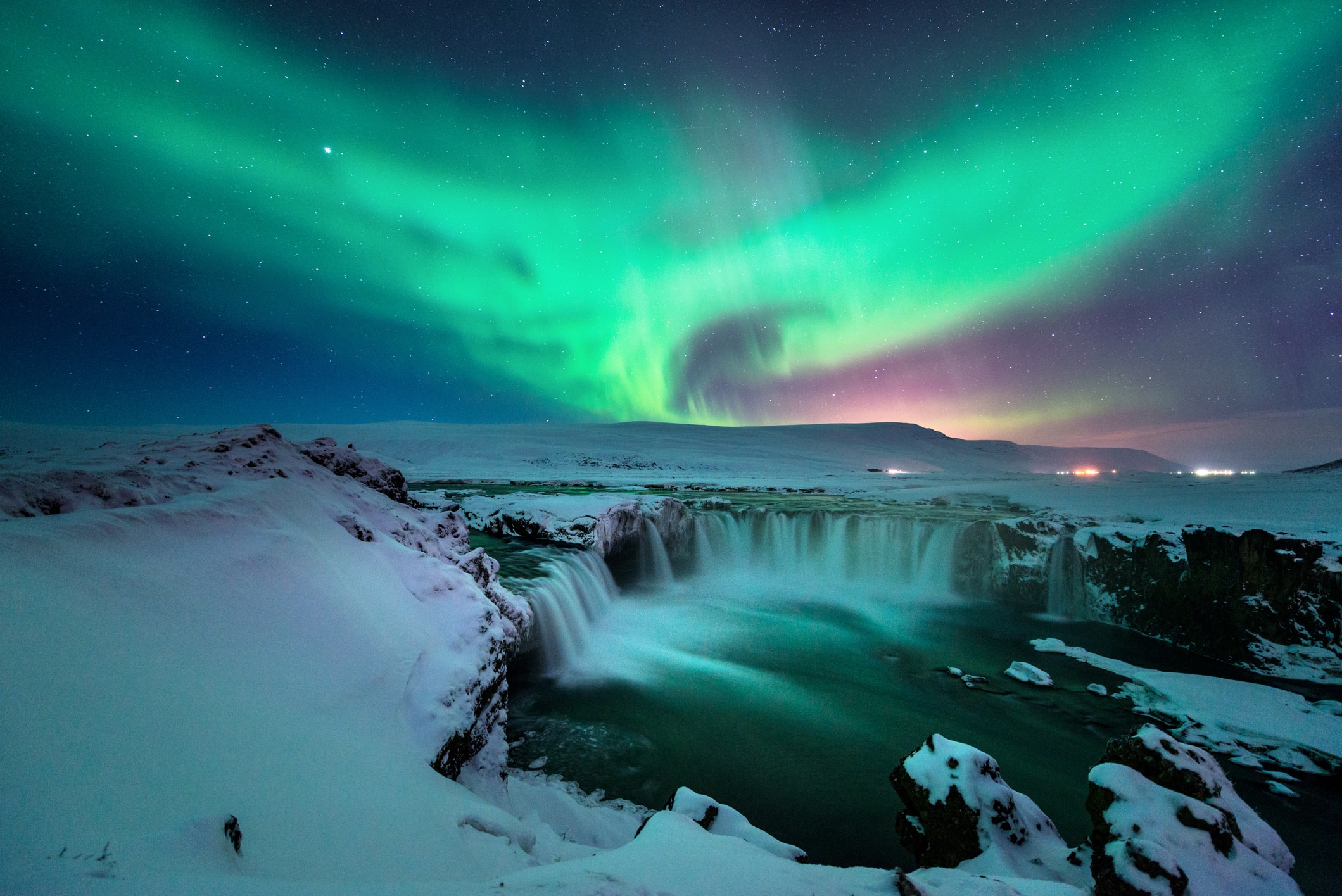
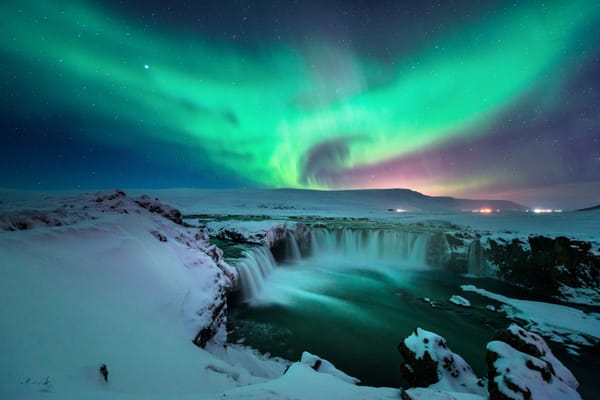
To truly witness the Northern Lights, understanding their origin is key. The aurora is no random event; it's a visible result of the Sun-Earth connection. The Sun constantly emits charged particles, known as solar wind, at high speeds. When these particles hit Earth’s atmosphere, they interact with oxygen and nitrogen atoms, releasing energy as visible light.
The colors reveal a scientific story. Green, the most common, occurs when oxygen at about 100 km emits light. Red auroras appear higher (up to 300 km) from low-pressure oxygen. Purple and pink hues come from nitrogen molecules. This entire process is driven by geomagnetic storms, disturbances in Earth’s magnetic field caused by solar activity.
Iceland's geographic advantage lies in its position under the Auroral Oval. However, its weather is equally crucial. The Gulf Stream creates a mild climate but also frequent clouds. Success hinges on understanding both space weather and local meteorology, which most visitors overlook.
1. Overlooking the Season & Solar Cycle Timing
Mistake: Choosing dates with insufficient darkness
One of the biggest missteps is traveling during periods where nights are too short or skies too bright. Although the Northern Lights technically can occur any time, they are only visible when the sky is truly dark. Iceland’s nights are longest between late September and early April.
Visitors sometimes pick early April or late August and assume they’ll see auroras. In reality, the daylight and moonlight wash out weaker displays.
Mistake: Ignoring the solar cycle
Auroras are driven by solar activity, which follows an ~11-year cycle. 2025 is near the peak of Solar Cycle 25, offering better chances of strong displays.
Travelers who don’t account for this might schedule in years of low activity, reducing their odds dramatically.
Fix: Aim for equinox windows and maximum solar years
Plan trips around late September / early October or late February / early March. These periods often combine longer darkness with milder weather and equinox-related geomagnetic boosting.
Also, prioritize years near solar maximum. For 2025 and 2026, solar conditions are favorable.
2. Underestimating the Power of Clouds & Local Weather
Mistake: Relying only on aurora/KP forecasts
Many travelers focus heavily on KP (geomagnetic activity) without giving equal—or more—weight to cloud cover forecasts. But even a high KP is useless if low and mid clouds are thick overhead.
Mistake: Ignoring cloud layers
Forecasts often break clouds into low, mid, and high layers. Low clouds are the worst culprit for blocking the aurora light. Some sources warn that failing to check cloud layers is a top beginner mistake.
Mistake: Not checking short-term forecasts or local microclimates
Weather in Iceland can shift quickly. A region may clear momentarily while nearby areas remain overcast. Travelers who don’t monitor updated forecasts or local reporting often miss sudden clear windows.
Fix: Use layered weather + aurora forecast tools
- Use Iceland’s Vedur.is or GuidetoIceland to overlay cloud maps (low, medium, high) with aurora strength.
- Monitor apps like Hello Aurora, which also incorporate crowd-sourced sightings and push alerts.
- Check updates every 1–3 hours during your viewing night to catch opening sky windows.
3. Picking the Wrong Location or Staying Inside the City

Mistake: Staying in Reykjavík or near light pollution
Many hope to see auroras from Reykjavík itself. While it’s sometimes possible, light pollution greatly reduces visibility—particularly for fainter displays.
Mistake: Choosing overly touristy “famous” lookouts
Sites like Grótta Lighthouse or Öskjuhlíð Hill draw crowds and cars. On busy aurora nights, those spots get congested, making movement and clear views harder.
Mistake: Underestimating travel time and road difficulty
Some travelers plan remote drives without accounting for winter road closures, icy surfaces, or long distances. During aurora hours, you may not want to be driving in tricky conditions.
Fix: Base yourself strategically and plan dark-sky drives
- Stay 1–2 nights outside Reykjavík in countryside lodges or rural guesthouses—it reduces nightly travel.
- Scout dark spots within 30–60 minutes that avoid city glare.
- Always have alternate nearby locations in case your first choice is cloudy.
- Ensure your rental vehicle is winter-equipped and roads you plan to use are open (check road.is in Iceland).
4. Inadequate Duration: Not Allowing Enough Nights
Mistake: Booking only one or two nights
Because auroras are unpredictable, many travelers leave with zero sightings when they only allowed one or two nights. Experts warn you should plan for at least 3–5 nights to raise your odds.
Mistake: Not buffer nights near departure
Some itineraries put your aurora nights exactly before your departure flight. If storms cancel roads or skies block, you lose your shot. Several travelers report missing auroras because weather turned on their last night and they were stuck returning.
Fix: Add flexible nights & buffer days
- Always include an extra night or two in your aurora-forecast section, not just in your sightseeing days.
- Keep your last night before departure free for aurora chasing, not with major tours.
- Avoid scheduling your viewing nights on the same nights you must travel long distances.
5. Ignoring the Moon Phase & Brightness Sources
Mistake: Overlooking moonlight
A bright moon washes out faint auroras. Many travelers forget to check moonrise/moonset times or plan around full moon phases.
Mistake: Underestimating ambient light sources
City lights, headlights, illuminated signage—even passing vehicles—can degrade visibility. Many guides warn that locating vantage points free of stray light is essential.
Fix: Plan around lunar cycles & pick dark vantage points
- Use moon calendars to favor new moon or crescent moon periods.
- Scout low-glare sites at your potential aurora spots—avoid facing toward lit roads or buildings.
- On cloudy nights, try to find small “dark holes” away from ambient light to stand in readiness.
6. Underpreparing for Cold, Comfort & Photography
Mistake: Inadequate clothing & comfort
Sitting outside in freezing conditions for hours demands serious gear. Many turn back early from cold rather than from invisibility.
Mistake: Forgetting spare batteries, lens cloths, and backups
Battery performance drops fast in cold. Moisture can fog lenses. Without backups, your camera time could fail. Several “mistakes lists” mention underpreparing photography gear as a classic error.
Mistake: No patience or realistic expectations
Auroras often appear late, fade, then return. Those expecting continuous full arcs often leave too early. Many veterans caution patience above all.
Fix: Be gear-forward and emotionally patient
- Dress in base → insulating → waterproof layers, hands, head, feet fully covered.
- Bring extra batteries in insulated pockets, carry lens cloths and protective covers.
- Use tripods and remote triggers for steady shots.
- Go in with the expectation that some nights are shifts and waiting—a slow reveal rather than instant spectacle.
7. Ignoring the Daylight: Missing Half the Experience
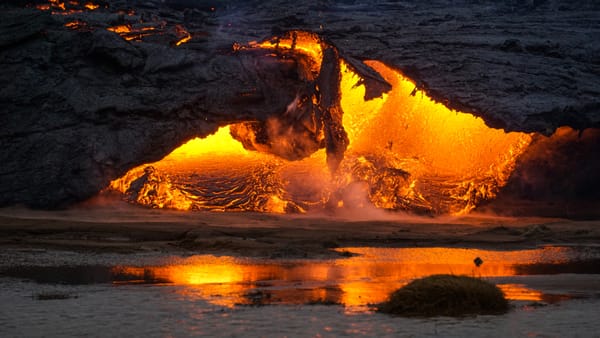
A common mistake is treating daylight hours as filler between aurora hunts. Iceland’s days are an open-air laboratory of Earth science, filled with geothermal wonders, tectonic rifts, and glacial rivers that tell the same story as the lights above—energy, motion, and transformation.
On cloudy or daylight days, tours like the Golden Circle, Friðheimar & Laugarás Lagoon Tour by The Iceland Tour Co. reveal how geothermal and atmospheric forces shape Iceland. You can stand on the Mid-Atlantic Ridge at Þingvellir, watch Geysir’s eruptions driven by subsurface heat, and marvel at Gullfoss waterfall, where glacial meltwater demonstrates the hydrological power of Iceland’s glaciers.
At Friðheimar Tomato Farm, geothermal energy grows fruit year-round using heat exchange systems powered by magma-heated groundwater. It’s renewable science made delicious. Understanding this natural energy network deepens your appreciation for why Iceland’s skies glow—the same geothermal systems that shape the land mirror the magnetism that shapes the lights.
8. Making the Most of “No-Aurora” Nights — Turning Challenges into Opportunities
Common Mistake: Viewing cloudy nights as missed opportunities
Many travelers abandon their aurora-hunting efforts on cloudy nights, losing valuable time that could be put to other memorable uses.
Common Mistake: Lack of alternative evening plans
Without pre-planned backup activities, cloudy nights can result in lost opportunities to explore or enjoy the destination.
Solution: Prepare alternative evening experiences in advance
- Indoor options: Perlan planetarium, Lava Show, museums, geothermal pools, or spas.
- Cultural activities: concerts, film screenings, or storytelling events.
- Light-polluted settings: city exploration, street-lit night photography, or experiencing the local nightlife.
9. Ineffective Use of Aurora and Weather Forecasting Tools
Common Mistake: Relying on generic global KP index maps
Global KP forecasts, while informative, often lack the specificity needed for local aurora activity and can lead to missed opportunities for observing real-time surges.
Common Mistake: Overlooking confidence levels and directional indicators
Features such as directional arrows for aurora expansion or cloud movement are often ignored, reducing the usefulness of forecasting tools.
Solution: Use Iceland-specific aurora forecasting resources
- Vedur.is for comprehensive aurora and cloud coverage mapping.
- Guide to Iceland’s aurora guide, which includes layered maps.
- Forecast apps like Hello Aurora that provide real-time updates and reporting.
10. Mismanagement of Guided Tours (or Avoiding Them Entirely)
Common Mistake: Assuming guided tours guarantee sightings
Many travelers believe that booking a Northern Lights tour ensures aurora sightings, although tour operators cannot control cloud coverage or aurora activity. Disclaimers regarding this are often included on tour pages.
Common Mistake: Selecting the wrong type of tour
Standard motorcoach tours are often less flexible and may not provide the mobility needed to adapt to changing weather conditions.
Solution: Opt for flexible, locally-informed tours
- Choose tours with small groups, adaptable routes, and guides who monitor live weather and aurora forecasts.
- Look for tours that offer “free redo nights” if auroras are not visible.
- Compare guided tours to self-drive options, considering factors like mobility, route flexibility, and the level of local expertise.
Make It Effortless: Private Northern Lights Tours with Lagoon Stops
Not everyone wants to manage the stress of planning aurora forecasts, weather checks, and dark-sky routes — especially after long travel days. That’s where The Iceland Tour Co. makes a difference.
For travelers seeking a smoother, more personal experience, private Northern Lights tours can be arranged with a local guide who handles every detail — from real-time forecast monitoring to finding the clearest skies on the night of your choice.
These private tours can also include relaxing lagoon stops — a perfect way to blend geothermal warmth with aurora adventure. Guests can choose between:
- Sky Lagoon in Reykjavík for an easy-access luxury soak
- Hvammsvík Hot Springs, set in a remote fjord area with minimal light pollution and excellent Northern Lights visibility
- Laugarás Lagoon, Iceland’s newest geothermal spa on the Golden Circle, where its countryside location offers one of the best chances to see the aurora reflecting over calm waters
By combining these experiences into one evening — a soak under the stars followed by an expertly guided aurora chase — you get the best of Iceland’s natural beauty without the logistical headache.
Whether it’s a romantic private outing or a family adventure, The Iceland Tour Co. handles everything, letting you simply relax and watch the northern sky come alive.
Why One Night Out Isn’t Enough (the multi-night mistake)
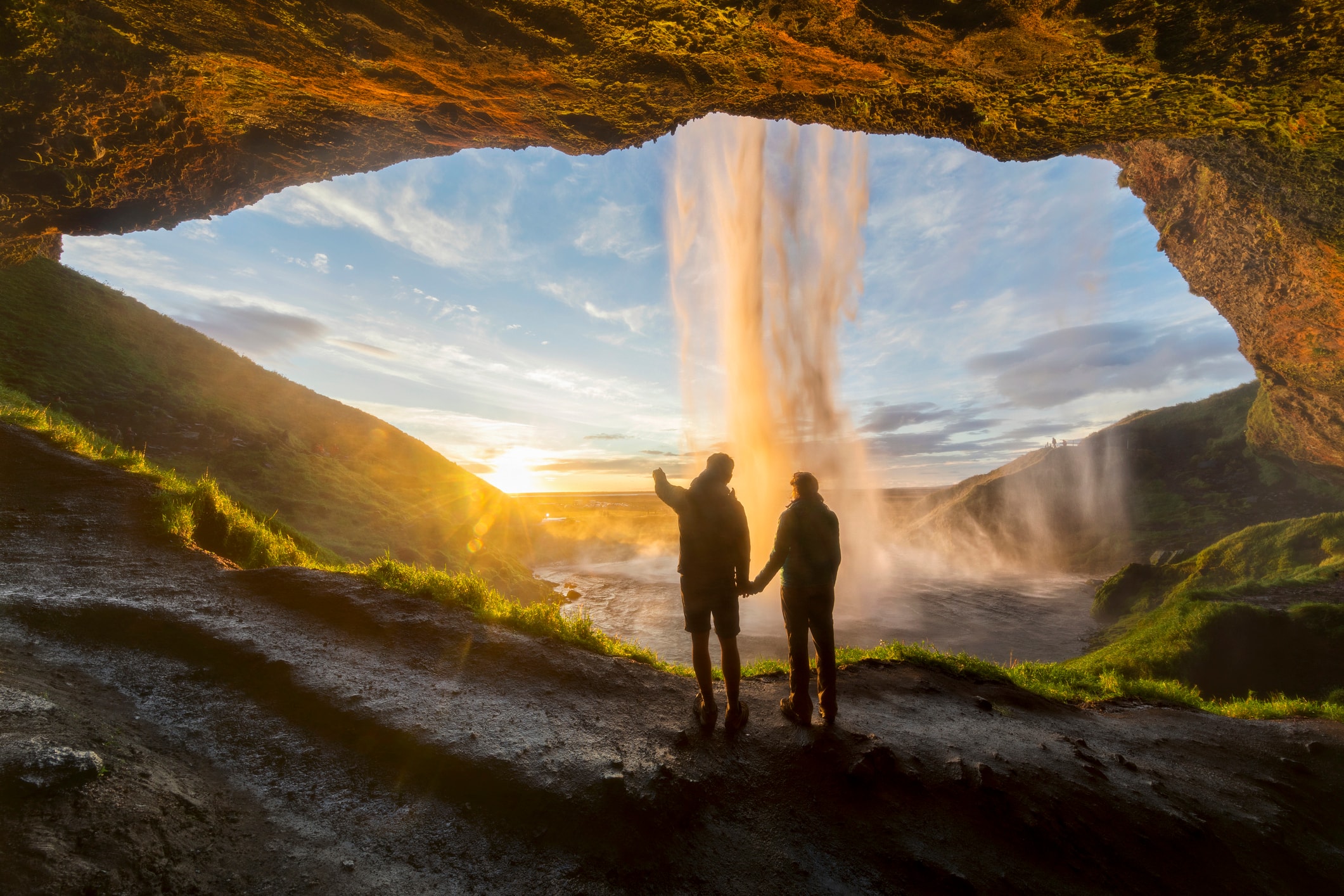
Many travelers make the mistake of booking just one night to see the Northern Lights, assuming a single outing will guarantee success. In reality, aurora visibility depends on multiple factors—solar activity, cloud cover, and local weather—that change hourly.
Even during strong geomagnetic conditions, clouds or fog can easily obscure the display. By planning at least three nights dedicated to chasing, you dramatically improve your odds of witnessing clear, vivid auroras.
Multiple nights also let you explore different locations, adjust to real-time forecasts, and avoid the pressure of a single perfect evening. Patience and flexibility often turn a hopeful glimpse into an unforgettable experience.
FAQs
When is the best time to plan a Northern Lights trip to Iceland?
The northern lights season runs through the winter months, when dark nights and active solar flares make the aurora borealis visible. Around the South Coast or near the North Pole, the aurora borealis appears most vividly under a clear night with minimal light pollution.
What do travelers often overlook when chasing the Northern Lights?
Many visitors expect to see just the northern lights immediately, but cloudy weather and mid-level clouds can block visibility. Always use an aurora app and check data from the Geophysical Institute for auroral activity before heading out.
Is a guided tour better than exploring alone?
Yes. A guided northern lights tour offers expert tour guides who know small villages and remote areas with little artificial light. They also explain how solar storms and magnetic poles influence the auroral display.
How can I capture the aurora properly?
Bring warm clothes, a tripod, and adjust shutter speed for stunning photos. Even with the naked eye, the northern lights dance beautifully—making your Iceland trip a bucket list moment worth sharing on your YouTube channel.
Conclusion
Seeing the Northern Lights in Iceland isn't just about luck—it's about preparation and timing. Many travelers miss the aurora by overlooking key factors like cloud cover, moon phases, or the need for multiple viewing nights.
Success comes from blending science and strategy: understanding geomagnetic forecasts, choosing dark-sky locations, and adapting to Iceland’s unpredictable weather.
Even on cloudy nights, Iceland’s geothermal wonders, volcanic landscapes, and rich culture offer incredible experiences. With smart planning and realistic expectations, every night becomes part of a larger story—one of patience, curiosity, and awe beneath the Arctic sky.
Exploring with The Iceland Tour Co. ensures a deeper connection, combining real-time expertise, scientific insight, and Icelandic warmth. We celebrate the forces shaping both sky and land, because what most travelers miss isn’t just the aurora, but everything that surrounds it.