Why Reykjavík Is the Best Base for Northern Lights Chasing in Iceland
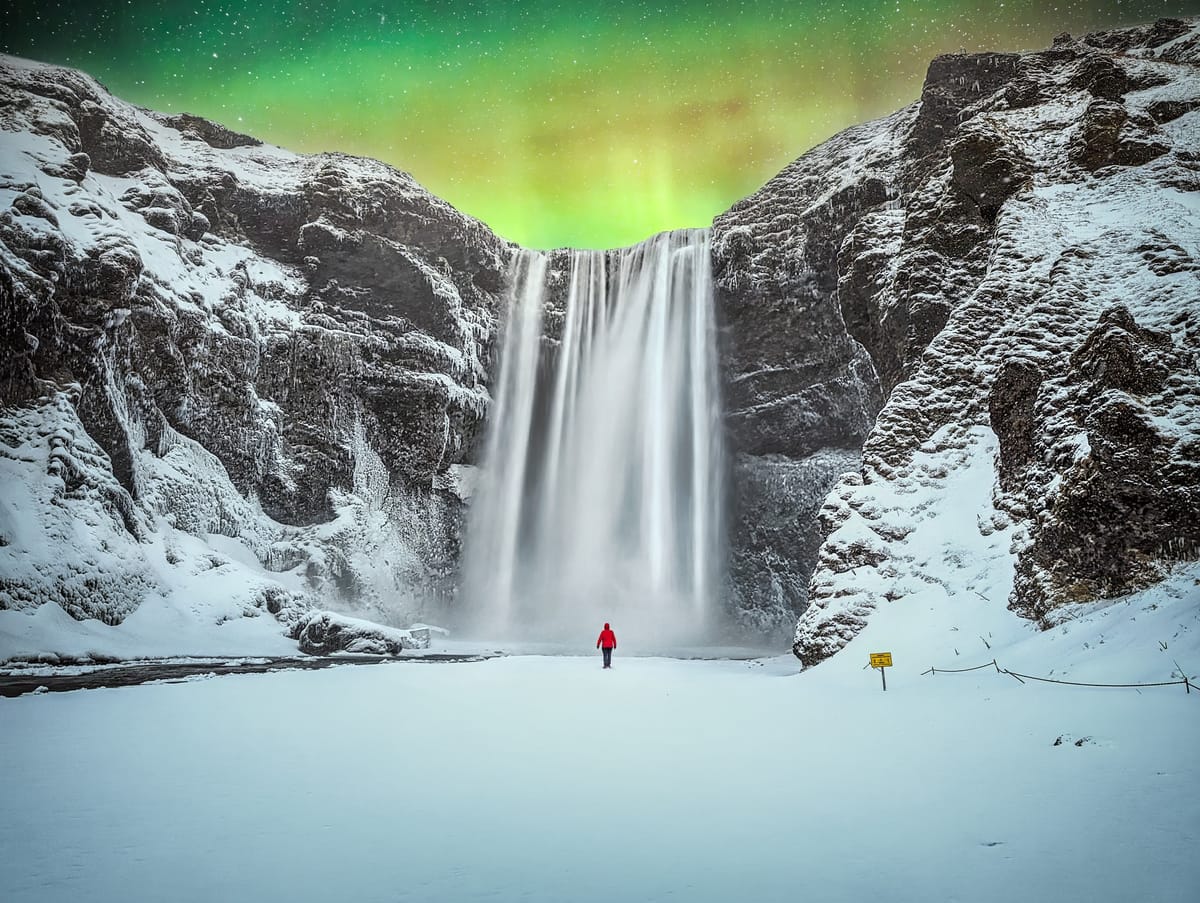
Reykjavík is more than Iceland’s capital—it’s the ultimate launchpad for chasing the Northern Lights. Perfectly positioned beneath the auroral oval, the city offers quick access to dark-sky havens like Þingvellir National Park, Kleifarvatn Lake, and the Reykjanes Peninsula—all within an hour’s drive.
Unlike remote regions, Reykjavík blends convenience with adventure: you can enjoy gourmet dining, lively culture, and modern comforts by day, then head out under clear Arctic skies by night.
With expert-guided tours, reliable forecasts, and easy road networks, it’s the ideal base for both first-time aurora hunters and seasoned photographers seeking that magical moment when the sky dances in green and violet light. In this guide, we’ll explore some of the best spots in Reykjavík and its surrounding areas for aurora viewing and photography.
What is the Science Behind the Northern Lights?
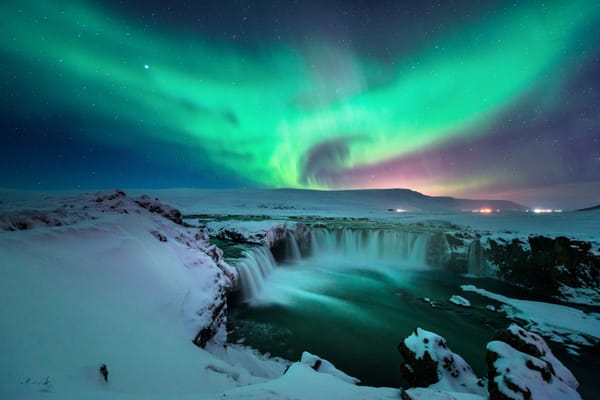
The Northern Lights, or aurora borealis, are one of nature’s most mesmerizing displays—a celestial dance of color born from the interaction between the Sun and Earth’s atmosphere. The phenomenon begins with solar wind, streams of charged particles continuously emitted by the Sun.
When these particles reach Earth, they are guided by the planet’s magnetic field toward the polar regions. As they collide with gases in the upper atmosphere—mainly oxygen and nitrogen—energy is released as light. Green hues occur when oxygen reacts around 100 kilometers above Earth, while reds, purples, and blues appear from other gases and higher altitudes.
The intensity of these lights rises and falls with the 11-year solar cycle, which influences the strength of solar activity. With the Sun now approaching its solar maximum, Iceland’s skies are primed for some of the brightest and most frequent auroral displays in years.
How Can You Read the Aurora Forecast Like a Local in Iceland?
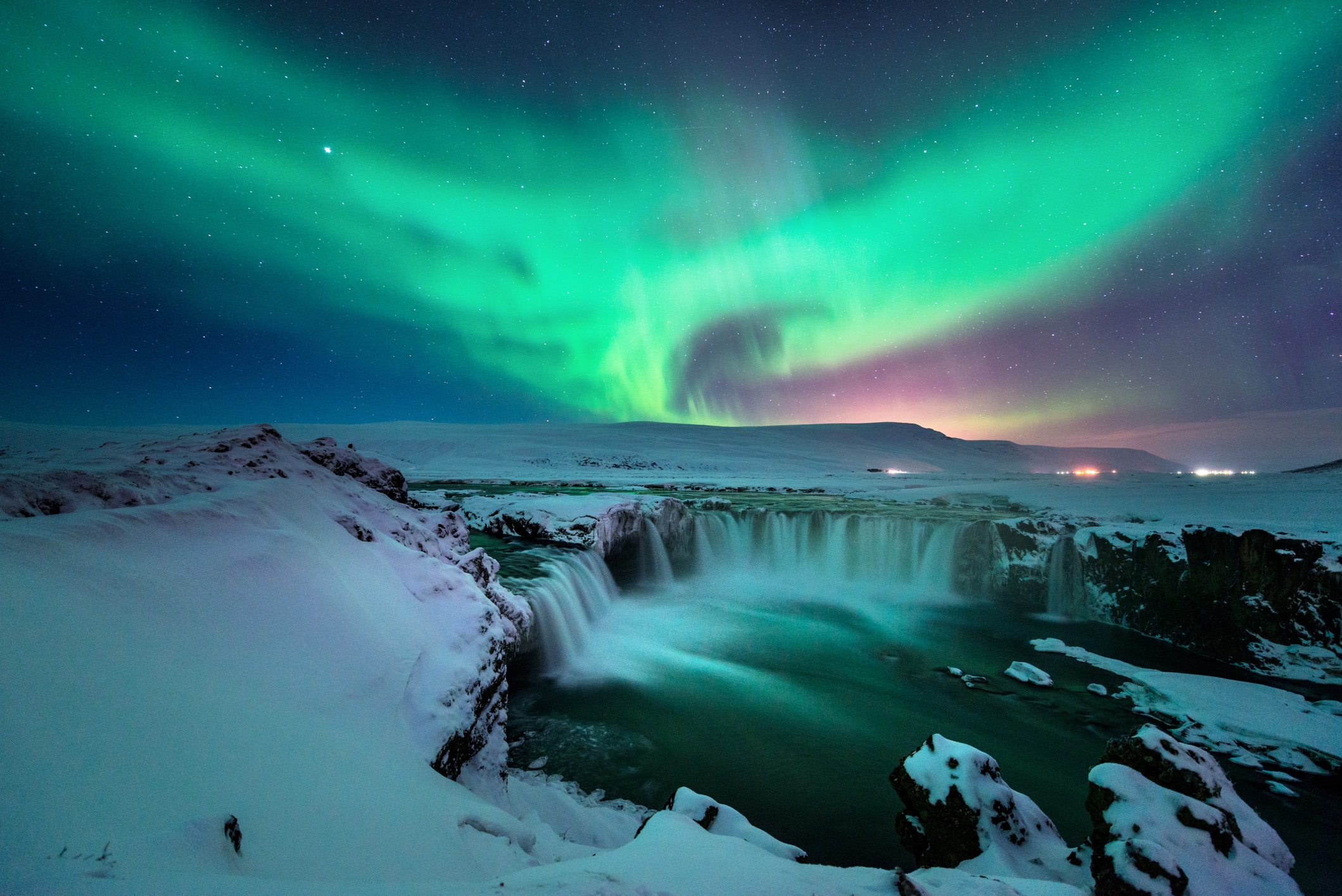
Understanding Iceland’s aurora forecast is the most powerful skill for chasing the Northern Lights. Locals don’t rely on luck—they read maps, track cloud cover, and time their drives precisely. Here’s how to do it like an expert:
Step 1: Learn the KP Index
The KP Index measures geomagnetic activity from 0 to 9. Higher numbers mean stronger aurora potential:
- KP 0–1: Weak activity, rarely visible.
- KP 2–3: Often visible in Iceland due to its high latitude.
- KP 4–5: Strong activity, vibrant colors, visible across most of the country.
- KP 6–9: Powerful solar storms.
Check the KP forecast using tools like Vedur.is, Aurora Service Europe, or the Hello Aurora app—it's what locals do. Just remember, a high KP is useless if it's cloudy, so always check the weather forecast too.
Step 2: Decode Vedur’s Cloud Cover Maps
The cloud map is crucial. Vedur’s forecast page shows a color-coded map that updates hourly:
- White or light grey: Clear skies — best bet.
- Green or dark areas: Cloud cover — avoid.
- Blue or mixed colors: Partial clouds — sometimes worth a try.
Click the time slider to see when your region will clear. Locals plan drives around these shifting windows.
Step 3: Watch the Cloud Layers Separately
Vedur lets you view Low, Middle, and High cloud layers:
- Low clouds (closest to Earth) are the main aurora blockers.
- Middle clouds can diffuse brightness but allow strong auroras through.
- High, thin clouds often permit good photography.
By toggling layers, locals identify if an area will truly clear or just thin out. This small detail makes a big difference.
Step 4: Factor in Moonlight and Timing
Bright moonlight can wash out faint auroras. Plan for new moon weeks or when the moon is low. The best viewing hours are usually 10:00 PM to 1:00 AM, but strong substorms can occur anytime. Solar winds hit in waves, so lights can intensify suddenly after stillness. Patience pays off.
Step 5: Cross-Check with Real-Time Reports
Before heading out, open Hello Aurora or Aurora Notify. These apps combine real-time data, weather, and user sightings. Many Icelanders post live photos. A quick check can save a wasted drive.
Finally, check road.is for closures, wind warnings, or icy patches, especially in rural areas. Safety first.
Step 6: Build Your Own Local Routine
Locals check several forecasts. A seasoned chaser’s routine might look like this:
- 17:00: Check Vedur’s cloud map and KP index.
- 20:00: Confirm the clearest direction (south coast, Golden Circle, or Reykjanes).
- 22:00: Head to the chosen dark-sky area, waiting for breaks in clouds.
- 23:00–01:00: Watch the sky, refresh apps, and listen for updates.
Step 7: Stay Flexible and Observant
The key lesson from locals is adaptability. Icelandic weather shifts fast. Bring a full tank, warm layers, snacks, and patience. If clouds roll in, move quickly; if skies clear, stop and enjoy.
Why Reykjavík Is the Best Base for Northern Lights Chasing in Iceland
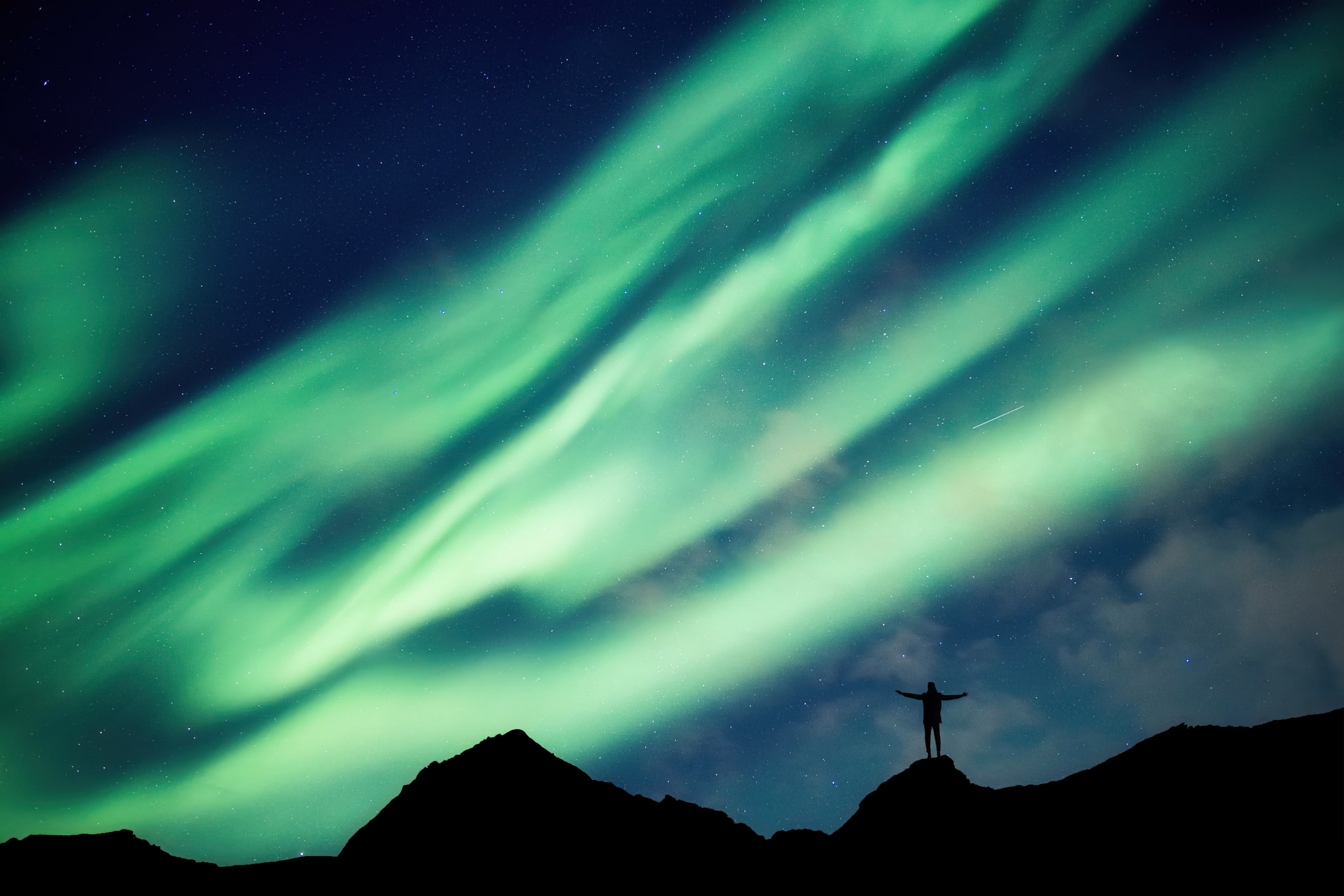
When planning your Iceland trip, one of the most thrilling goals is to witness the Northern Lights — that breathtaking natural wonder where the night sky erupts into shifting curtains of green, purple, and red. But to experience the aurora dance in all its glory, location is everything.
And no place in Iceland offers a better mix of access, comfort, and reliability than Reykjavík. From here, you can chase clear skies in any direction, enjoy Icelandic culture by day, and step into darkness by night — all within easy reach.
1. The Perfect Location Beneath the Auroral Oval
Reykjavík’s greatest advantage lies in its geography. The city sits almost directly under the auroral oval, the high-latitude zone where auroras most often occur. Even with moderate solar activity, the aurora appears frequently across the horizon.
In contrast to North Iceland, where cloud cover and snowstorms can isolate travelers, Reykjavík enjoys quick access to multiple viewing areas in every direction — east toward Þingvellir, south to the Reykjanes Peninsula, or north toward Mount Esja. Within an hour’s drive, you can find dark, open landscapes ideal for aurora photography without sacrificing safety or comfort.
This flexibility is essential during solar storms — when the magnetic fields around Earth interact strongly with the solar wind from the Sun. These bursts of energy, caused by heightened solar activity, create brighter, faster-moving auroras that can fill the entire sky. Being based in Reykjavík means you can respond quickly when forecasts predict one of these bursts, heading toward whichever area promises the clearest skies.
2. Accessibility and Infrastructure
Unlike remote lodges in North Iceland, Reykjavík provides the infrastructure needed for spontaneous night drives. Roads are well-maintained, emergency services are close, and reliable mobile coverage ensures you can safely travel even after midnight. Iceland’s weather changes fast, and locals know that conditions can improve dramatically just a few kilometers away. With Reykjavík as your base, you can check Vedur.is maps, monitor the night sky, and drive toward clear breaks when others might give up.
Fuel stations, warm cafés, and 24-hour restaurants make the logistics simple — and for travelers without a car, dozens of local tour operators run nightly Northern Lights excursions. Many offer rebooking if the aurora doesn’t show, giving you multiple chances during your stay.
3. Culture, Comfort, and Convenience
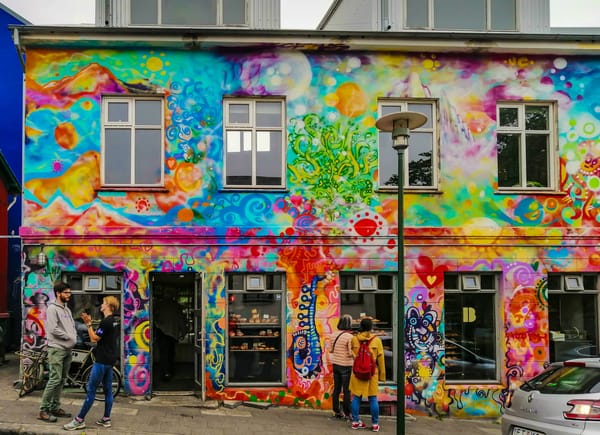
One of Reykjavík’s biggest strengths is how it blends cultural life with natural beauty. You don’t have to choose between wilderness and comfort. Spend your days exploring museums, soaking in geothermal pools, or tasting Iceland’s modern cuisine, and by evening, you can head out to catch the aurora dance under the stars.
Hotels throughout the city often feature aurora wake-up calls, alerting guests when activity spikes overnight. This means you can rest in warmth rather than waiting for hours in the cold. Reykjavík also offers easy access to Northern Lights cruises departing from the Old Harbour — an unforgettable way to watch the sky shimmer above the Atlantic.
4. Best Times and Strategies for Chasing the Lights
Aurora season runs from September to early April, when nights are longest and the skies are darkest. During this period, locals monitor two key metrics: the KP index, which measures geomagnetic strength, and the cloud map showing clear-sky zones. Even a KP 2–3 event can produce stunning lights in Reykjavík’s surroundings, but higher readings, especially during a solar storm, make for truly spectacular displays.
To watch like a local, follow this routine:
- Check the forecast on Vedur.is at 6–7 PM.
- Note the clearest direction (east, west, or south).
- Prepare warm layers, snacks, and gear.
- Head out by 9–10 PM and stay until at least midnight.
5. Photography and Camera Settings
To capture the aurora properly, knowing your camera settings is crucial. Use a wide-angle lens (14–24 mm) with an aperture of f/2.8 or lower, ISO 1600–3200, and a shutter speed of 5–15 seconds depending on movement. Mount your camera on a tripod and shoot in RAW for editing flexibility. Avoid bright phone screens and let your eyes adjust to darkness for at least 10 minutes before shooting.
Reykjavík’s nearby viewing spots — such as Grótta Lighthouse, Kleifarvatn Lake, and Þingvellir National Park — provide perfect compositions, from calm reflections to rugged volcanic silhouettes.
6. Safety, Flexibility, and Local Wisdom
Reykjavík’s combination of modern infrastructure, reliable weather data, and close proximity to nature gives travelers unmatched flexibility. If clouds block the south, you can pivot north toward Esjan within half an hour. If high winds threaten one road, alternative routes remain open. Locals rely on real-time satellite maps, and you can too — transforming your Iceland trip from chance-based sightseeing into a guided scientific pursuit of the natural wonder itself.
Reykjavík is the best base for Northern Lights chasing in Iceland because it offers practicality and wonder, providing the tools, mobility, and comfort to make every night count, whether the aurora is gentle over the city or strong after a solar storm. It balances cultural city life by day with a front-row seat to the cosmos by night.
Best Northern Lights Spots Near Reykjavík
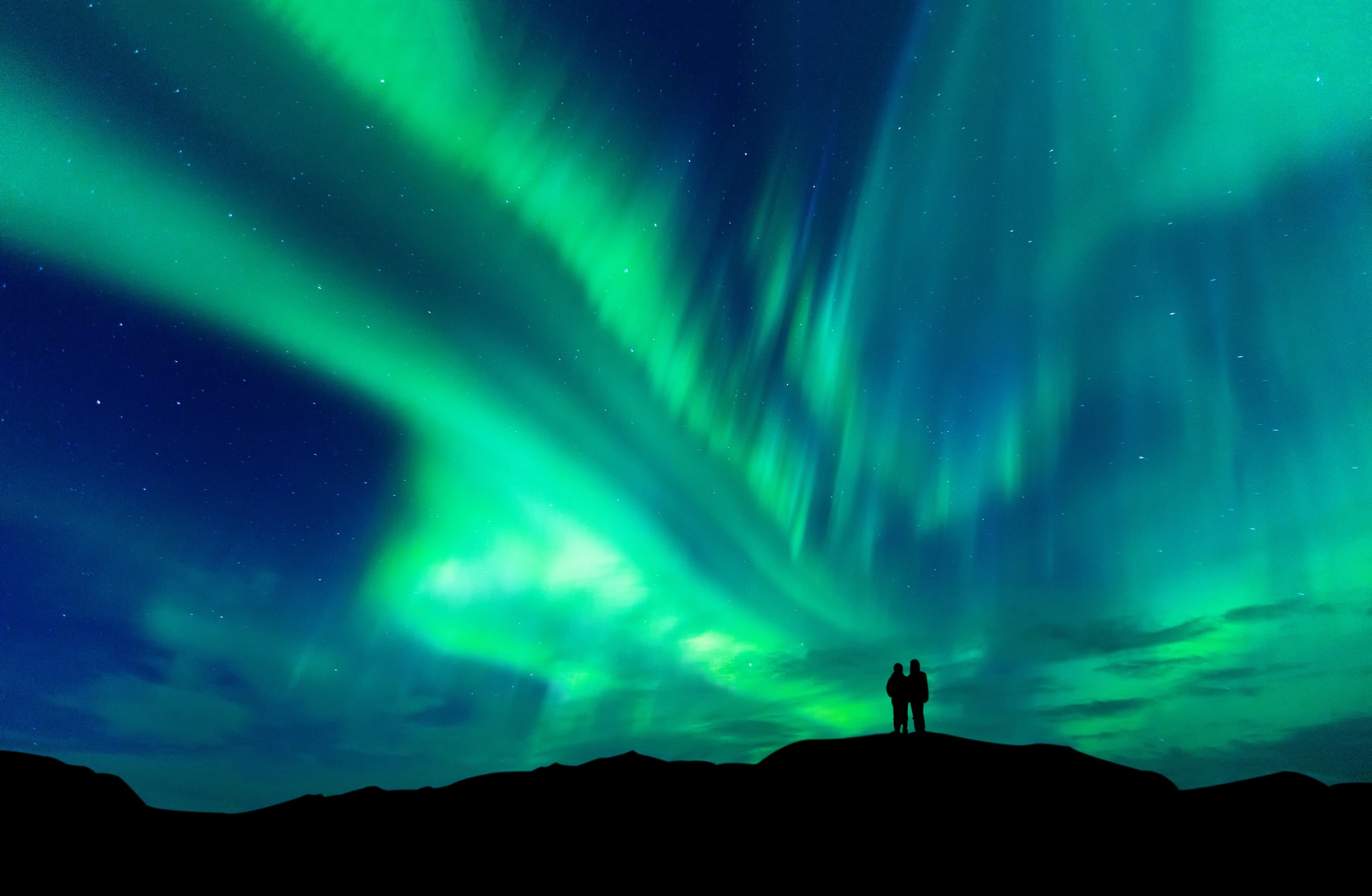
Reykjavík offers quick access to dark skies just outside the city. While downtown lights limit direct viewing, many incredible Northern Lights spots nearby offer dramatic landscapes for photos.
Here's a guide to the best aurora-viewing locations near the capital, with drive times, atmosphere, and local tips from photographers and guides.
1. Grótta Lighthouse (Seltjarnarnes Peninsula) – 10 Minutes from Downtown
Just west of central Reykjavík, Grótta Lighthouse is a beloved aurora-watching spot. This small peninsula provides unobstructed ocean views and minimal light pollution beyond the street lamps.
The lighthouse makes a striking silhouette for photography, especially with the aurora over Faxaflói Bay. It's an easy, car-free option; many locals walk or cycle here.
Pro tip: Check tides (high tide limits access). Bring a tripod and warm gloves for coastal winds.
2. Þingvellir National Park – 45 Minutes East
Part of Iceland’s famous Golden Circle, Þingvellir National Park is a scenic and reliable spot for Northern Lights. The park lies in a rift valley between two tectonic plates, offering vast, open horizons and minimal light pollution. Lake Þingvallavatn's reflective waters amplify the aurora's beauty.
Pro tip: Head to viewing platforms near Öxarárfoss or the Almannagjá gorge for sweeping sky views. Paved roads and parking make late-night winter visits straightforward.
3. Kleifarvatn Lake (Reykjanes Peninsula) – 45 Minutes South
The volcanic landscapes surrounding Kleifarvatn Lake offer eerie beauty under the aurora. Dark basalt hills and geothermal steam vents make it a photographer’s paradise, with few lights ensuring exceptional darkness.
Pro tip: Stay on designated parking spots along Route 42; shoulders are soft and dangerous in winter. Early evening reflections on calm water create breathtaking compositions.
4. Reykjanesviti Lighthouse & Gunnuhver Hot Springs – 1 Hour Away
Further southwest, the Reykjanesviti Lighthouse area combines wild Atlantic waves, cliffs, and geothermal activity—an ideal backdrop for vibrant auroras. Nearby Gunnuhver Hot Springs emit steam plumes that glow under green light, creating otherworldly scenes.
Pro tip: Bundle up; this coastal area can be very windy. Check road conditions carefully.
5. Esjan Mountain & Mosfellsdalur Valley – 30 Minutes North
For a quick evening escape, head toward Mount Esja & Mosfellsdalur Valley. These northern routes offer quiet pull-outs away from city glare, perfect for relaxed viewing or last-minute aurora alerts.
Pro tip: The Lágafellslaug geothermal pool nearby makes a great pre- or post-aurora warm-up stop.
Top Restaurants & Food Stops on Each Route

Around Reykjavík:
- Dill Restaurant – Iceland’s first Michelin-starred venue, showcasing modern Nordic tasting menus.
- Messinn – Famous for its sizzling fish pans, especially Arctic char and cod.
- Grillmarkaðurinn – Locally sourced lamb and seafood in a rustic, fire-grilled style.
- Bæjarins Beztu Pylsur – The iconic Reykjavík hot dog stand; a must-try quick bite.
Golden Circle Route:
- Friðheimar – A greenhouse restaurant where you dine among tomato plants with fresh soups and pasta.
- Laugarvatn Fontana Café – Offers geothermal rye bread tasting and local smoked trout.
- Restaurant Thingvellir – Lakeside dining with traditional Icelandic dishes.
Reykjanes Peninsula:
- Bryggjan Grindavík – Cozy harbor café known for lobster soup and fresh bread.
- Salthúsið Restaurant – Elegant seafood dining near the Blue Lagoon.
South Coast Stops:
- Suður-Vík – Great for pizza, fish, and hearty Icelandic comfort food.
- Pakkhús in Höfn – Renowned for langoustine and harbor views.
What Does a Perfect Weekend in Reykjavík Look Like?
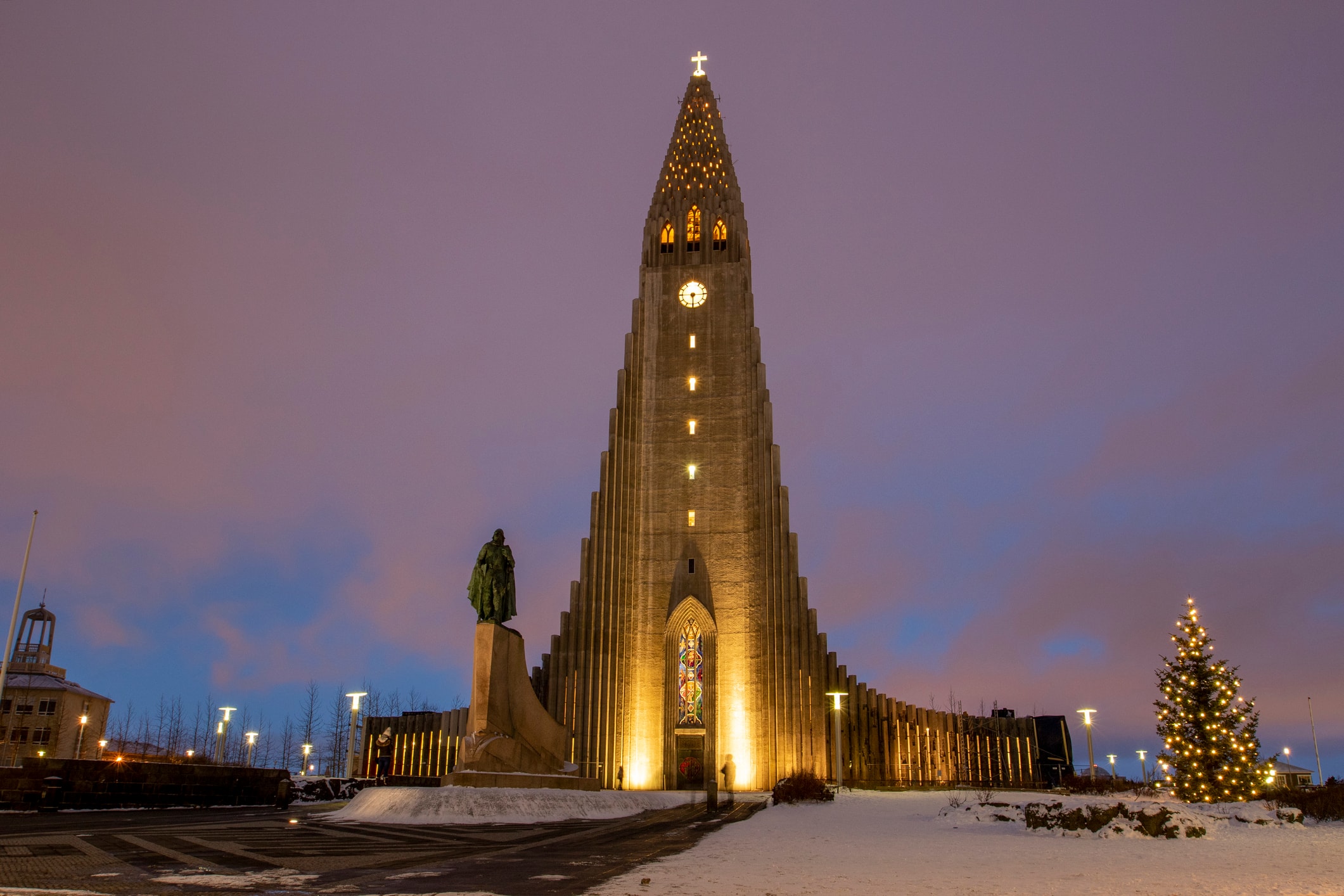
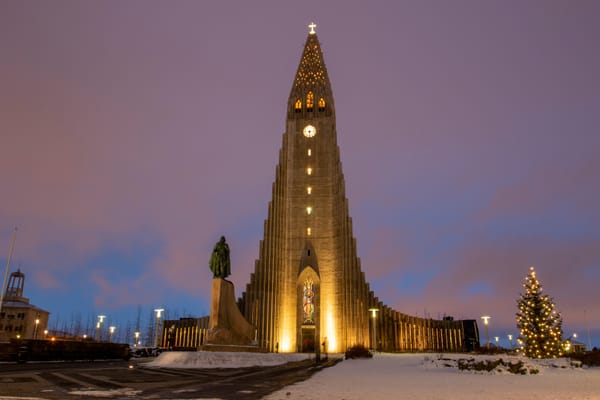
A perfect Reykjavík weekend balances culture, cuisine, and adventure. Day 1: Explore city highlights—Hallgrímskirkja Church, the Old Harbour, and a cocktail class. Enjoy dinner at Grillmarkaðurinn or Messinn, then head to Grótta Lighthouse for your first Northern Lights attempt.
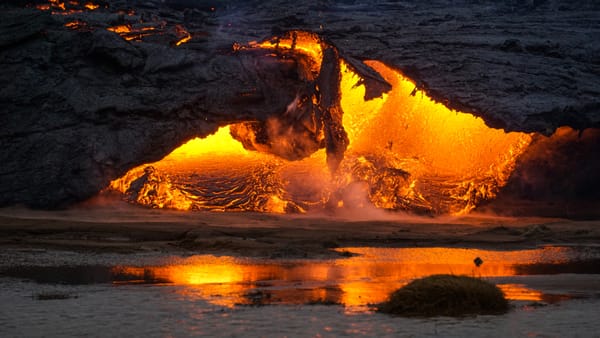
Day 2: Dive into Icelandic nature and creativity. Visit the Lava Show, explore the Perlan Museum's aurora experience, and unwind at the Sky Lagoon. Finish with dinner at Dill or Apótek Kitchen before chasing auroras in Þingvellir National Park.
Day 3: Opt for a quick Golden Circle tour or whale watching. Then, relax in a café, reliving a weekend that blends Reykjavík’s cozy charm with Arctic wonder.
Photography & Practical Tips
Photography Tips:
- Use a DSLR or mirrorless camera with manual settings.
- Choose a wide-angle lens (14–24 mm) and low aperture (f/2.8 or less).
- Set ISO 1600–3200, shutter speed 5–15 seconds, and manual focus to infinity.
- Shoot in RAW format for better editing flexibility.
- Bring a sturdy tripod and use a remote shutter or 2-second timer.
- Keep spare batteries warm—cold drains them quickly.
- Use a red headlamp to preserve night vision while adjusting settings.
Practical Tips:
- Dress in layered thermal clothing and waterproof boots.
- Carry hot drinks and snacks for long waits.
- Check Vedur.is for weather updates before driving.
- Stay patient—auroras can appear suddenly after hours of calm skies.
FAQs
Why is Reykjavík the best base for aurora hunting?
Reykjavík is perfectly located for northern lights tours across Iceland’s South Coast and southern Iceland. It’s close to major roads yet near remote locations with less city lights and better aurora activity. You can see the Northern Lights after a short drive, making it ideal for your Iceland adventure.
When is the best time to spot the dancing lights?
The winter season, from late August to mid-April, offers long dark nights and higher solar flares. Around the winter solstice, skies are darkest, giving the best chance to witness bright auroras when solar particles meet Earth’s magnetic field during a clear night.
How can I prepare for cold weather during aurora hunts?
Dress in thermal base layers, warm wool socks, and insulated gear. Cold weather and icy roads are common, so plan safely. Bring your camera’s night mode to capture stunning photos of this natural phenomenon.
What unique experiences can I book from Reykjavík?
Join a super jeep tour or boat tour to chase dancing lights near black sand beaches, lava fields, or floating icebergs. Many travelers who’ve visited Iceland say Reykjavík offers the perfect mix of comfort, adventure, and amazing photos under the Arctic night sky.
Conclusion
Reykjavík stands unmatched as the ideal base for Northern Lights adventures. Perfectly positioned beneath the auroral oval, it offers quick access to Iceland’s best dark-sky areas—Þingvellir, Kleifarvatn, and the Reykjanes Peninsula—within an hour’s drive.
Unlike remote northern towns, Reykjavík combines modern comfort, vibrant culture, and reliable infrastructure with the raw beauty of nature.
Travelers can enjoy world-class dining, geothermal spas, and museums by day, then chase the aurora dance beneath a vast Arctic night sky by night. With expert tours, accurate forecasts, and flexible travel routes, Reykjavík transforms every Iceland trip into an unforgettable encounter with one of Earth’s greatest natural wonders.