Why Spring Might Be Iceland's Most Underrated Travel Season Revealed
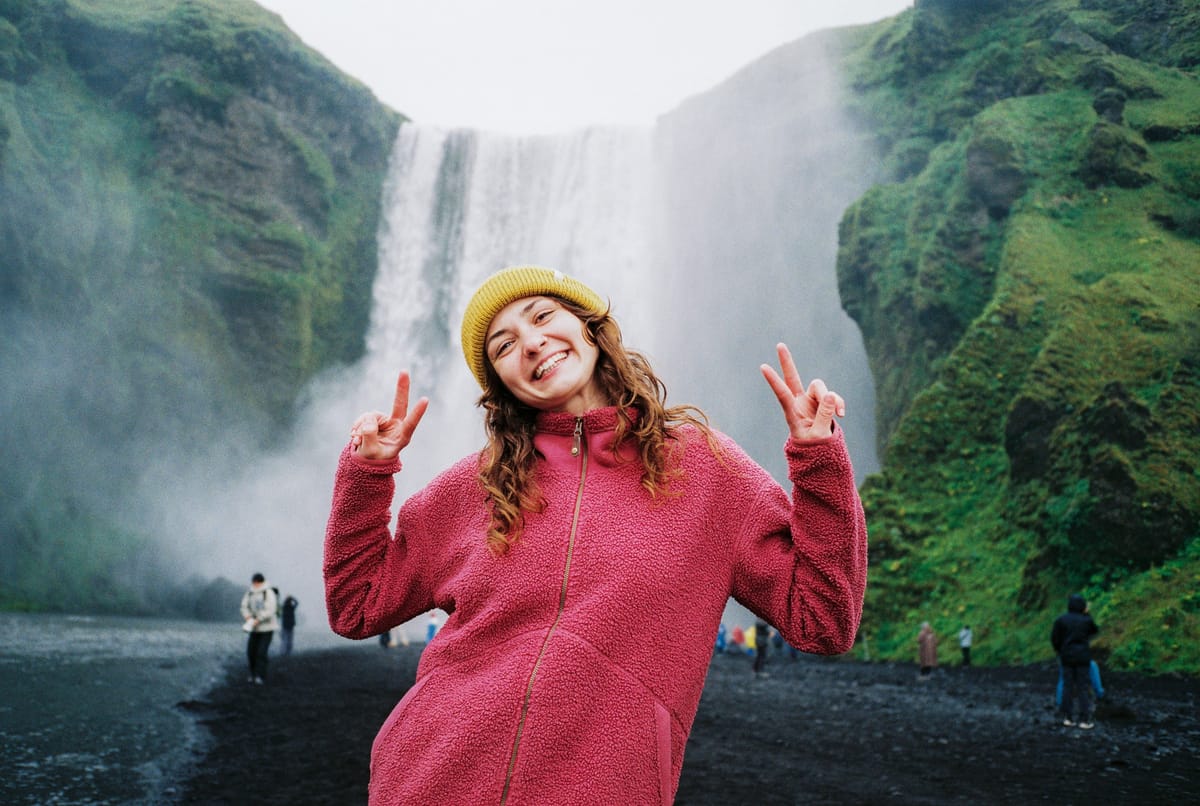
When people dream of visiting Iceland, they often picture the frozen beauty of winter or summer’s midnight sun. But between these extremes lies a hidden gem: spring.
From late March to May, spring in Iceland is a season of change and contrast. Snow melts, flowers break through frost, and waterfalls surge with energy. With fewer crowds, lower prices, and stunning natural beauty, spring might be Iceland’s most underrated season—a time when the country shows its softer, more intimate side.
This article will dive into what makes spring in Iceland unique—its weather, landscapes, wildlife, festivals, and travel perks. We’ll also compare it to summer and winter and share tips to help you plan the perfect spring adventure in the land of fire and ice.
What Is Spring Like in Iceland?
Spring in Iceland is far from the typical image of blooming flowers and warm sunshine. Instead, it unfolds slowly—day by day, glacier by glacier—as winter reluctantly loosens its grip.
From late March to late May, the days grow longer, snow begins to retreat from lower elevations, and temperatures start to climb, though they remain brisk. This is also a time when life quietly reawakens: migratory birds return, green moss spreads across the landscape, lambs are born, and farmers prepare their fields for the season ahead.
Spring in Iceland is anything but predictable. Sunshine, rain, wind, and snow can all arrive within the same day. Yet, this ever-changing weather is part of what makes Icelandic spring so special. It’s raw, untamed, and invigorating—a season that captures the essence of Iceland’s unique beauty.
Temperatures and Daylight in Iceland’s Spring
Here’s a breakdown of typical weather and daylight by month:
| Month | Average Temp (°C) | Average Temp (°F) | Daylight Hours |
|---|---|---|---|
| March | -2 to 3 | 28 to 37 | 10–13 hours |
| April | 0 to 7 | 32 to 45 | 13–17 hours |
| May | 4 to 11 | 39 to 52 | 17–20+ hours |
By late May, Iceland sees nearly 21 hours of daylight, giving travelers long days to explore with the soft golden glow that photographers love.
Reasons Why Spring Is Iceland's Most Underrated Travel Season
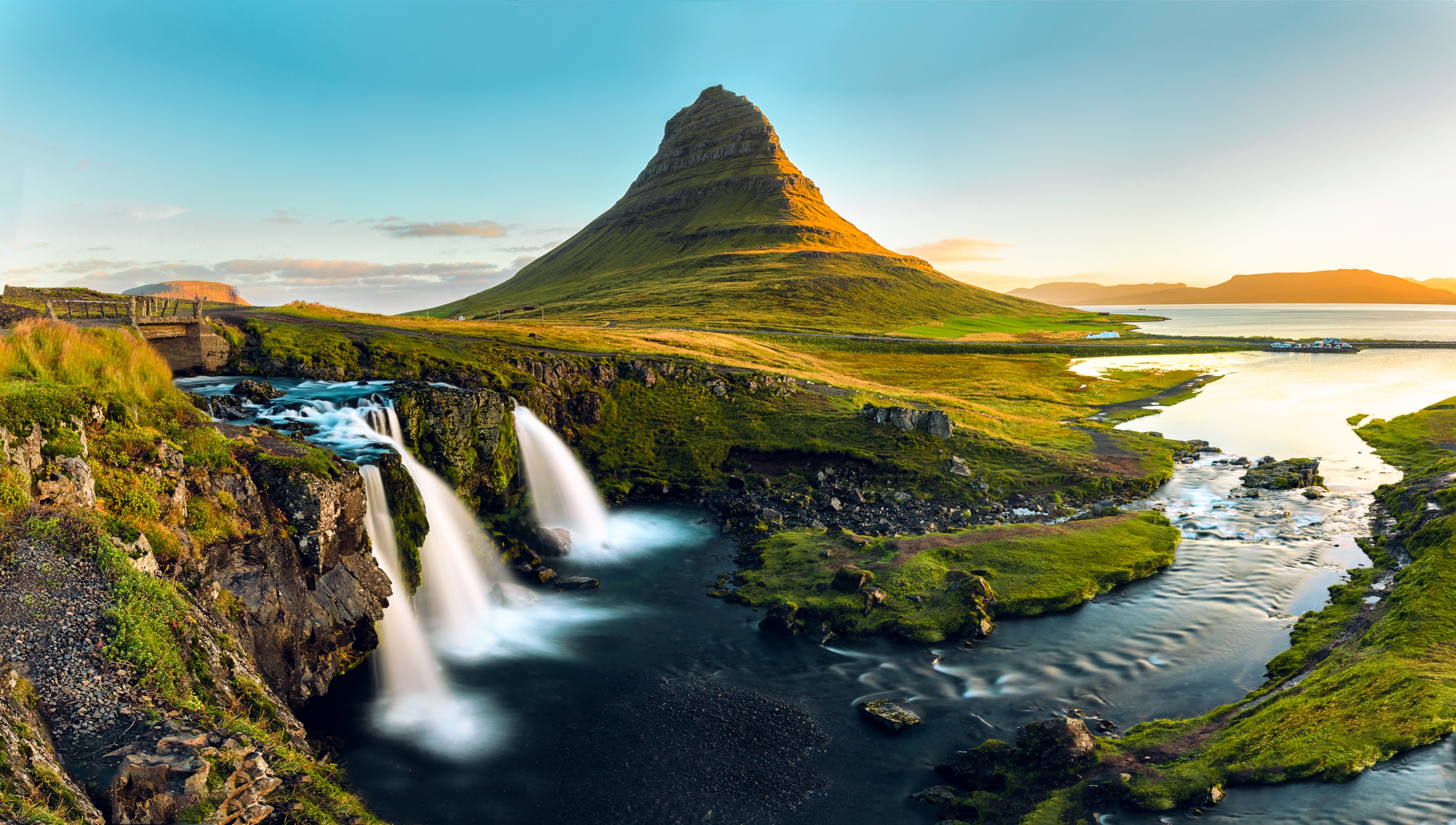
Spring is one of Iceland's most underrated travel seasons. While often overshadowed by summer and winter, spring offers unique experiences you won’t find at other times of the year. Here’s why you should plan your trip to Iceland in spring:
1. Nature Reawakens: Landscapes in Transition
Spring is a time of transformation across Iceland’s landscapes. The contrasts are remarkable—one day you’re hiking through snow-dusted mountains, the next you’re watching waterfalls pour down green cliffs.
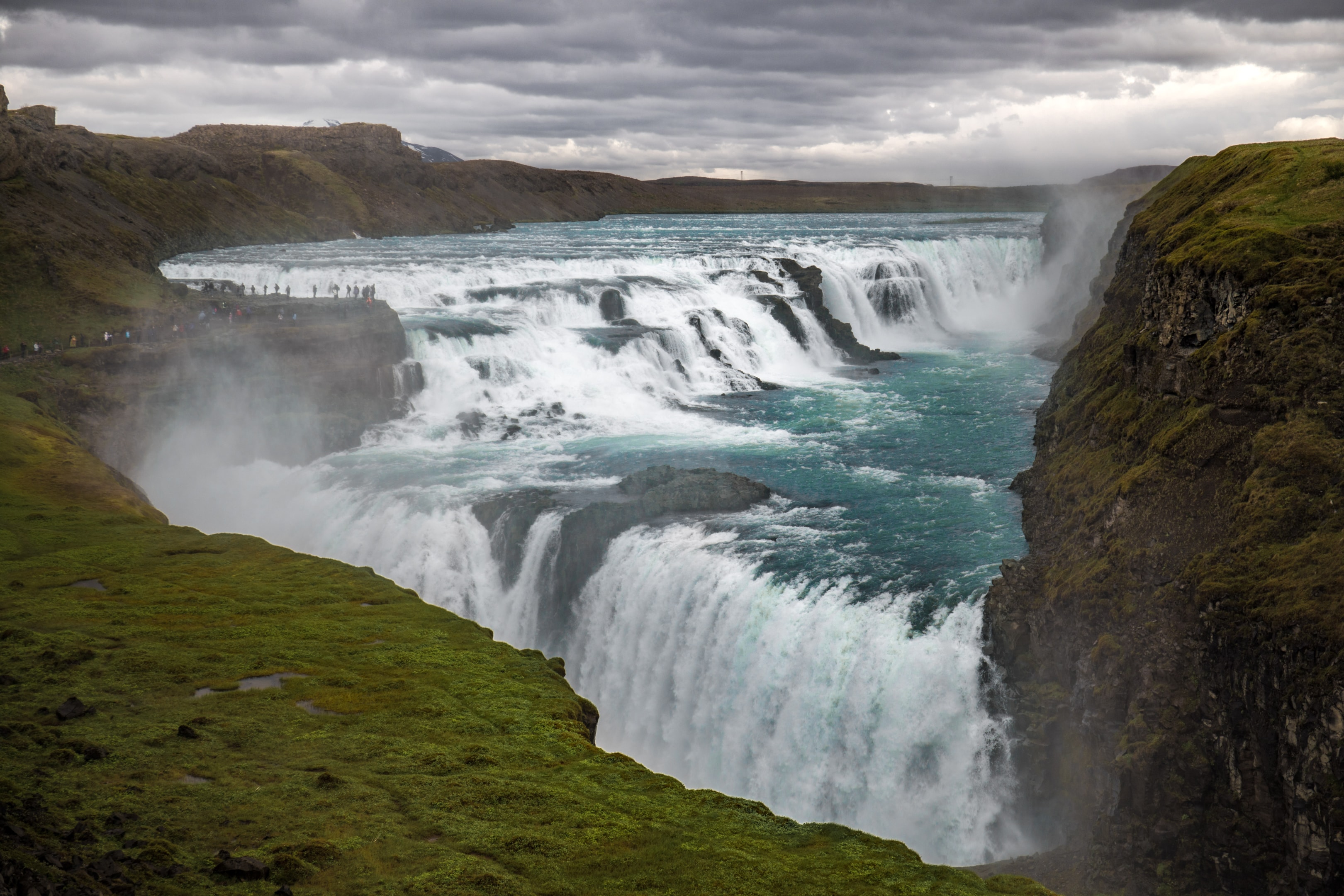
- Waterfalls are at their strongest in spring as snow and ice melt across the highlands. Visit Gullfoss, Skógafoss, and Dettifoss to witness their full power.
- Moss-covered lava fields begin to glow green again.
- Rivers swell, and icebergs crack and drift in glacier lagoons.
- Flowers and wild herbs—especially purple lupines in late May—start blooming along roadsides and valleys.
Spring offers this rare moment where winter and summer collide, creating breathtaking scenery unlike any other season.
2. Fewer Tourists, Lower Prices, More Tranquility
One of the biggest advantages of visiting Iceland in spring is that you’ll beat the crowds. While summer is peak tourist season, spring offers a calmer, more intimate experience.
- Many major sights like Thingvellir, Jökulsárlón, Diamond Beach, and Reykjavík’s Harpa Concert Hall are far less crowded.
- Hotel rates are lower, especially in March and April.
- Rental cars, tours, and excursions are often more available and affordable.
- Popular trails and attractions feel peaceful, allowing for deep connection with nature.
If you're looking for authenticity, space, and quiet beauty, spring is a perfect time to visit.
3. The Return of Wildlife: Puffins, Whales, and More
Spring in Iceland brings the remarkable return of its diverse wildlife, offering a unique experience for nature enthusiasts.
Puffins begin nesting along coastal cliffs in late April, with prime viewing spots including Látrabjarg, Dyrhólaey, and Borgarfjörður Eystri. Whale watching also peaks during this season in Húsavík, Akureyri, and Reykjavík, where species like humpbacks, orcas, and even blue whales can be spotted.
The milder weather also increases activity among Arctic foxes and Icelandic horses, while migratory birds return in large numbers, making Iceland a haven for birdwatchers. Spring provides an excellent opportunity to explore Iceland’s wildlife with fewer crowds.
4. Longer Days Without Midnight Sun Insomnia
By May, daylight stretches to 20+ hours, allowing travelers to make the most of every day. You can drive the Golden Circle, take a long soak in a hot spring, and enjoy a late dinner—all in daylight.
However, unlike summer, the sun still sets—just very late. This means:
- You’ll sleep better, since it still gets dim at night.
- Sunset photography is extended, with golden-hour light lasting for hours.
- Early risers and night owls can both enjoy scenic activities.
It’s a perfect balance of extended exploration without the confusion of a sky that never darkens.
5. Springtime Icelandic Culture and Festivals
Spring isn’t just about nature—it’s also a culturally rich time. Icelanders begin to shake off the winter and celebrate with music, food, and tradition.
Key spring events:
- First Day of Summer (Sumardagurinn Fyrsti): Celebrated in April, this public holiday marks the first day of the old Norse summer calendar. Locals welcome spring with parades, concerts, and festivities.
- Reykjavík Art Festival (May): A world-class celebration of contemporary art, music, dance, and theater.
- Lambing Season: In rural areas, farmers welcome new lambs. Some guesthouses and farm stays allow visitors to experience this firsthand.
- Rites of Spring: Icelanders begin returning to their summer homes, prepping boats, gardens, and cabins.
Spring is a great time to see daily life in motion, blending ancient traditions with modern culture.
Spring Travel Tips for Iceland
Spring in Iceland brings its own unique challenges and opportunities. To help you make the most of your trip, here’s how to prepare:
1. Be Ready for Unpredictable Weather
Iceland’s weather is notoriously unpredictable, so packing layers is essential.
Bring a waterproof jacket for sudden rain, warm base layers for chilly days, and don’t forget gloves and a beanie to keep warm. Even when it’s sunny, the weather can shift rapidly, especially in mountainous areas or along the coast.
2. Opt for a 4x4 Vehicle in Early Spring
If you’re visiting in March or early April, renting a four-wheel-drive vehicle is a smart move.
Many mountain roads and highland routes are still blanketed with snow or ice during this time of year. A 4x4 provides the traction and stability needed to navigate these conditions safely. Confirm with your rental company that the vehicle is properly equipped for Iceland’s spring terrain.
3. Check Road and Weather Updates Daily
Spring weather in Iceland can change in an instant, and so can road conditions.
Before setting out each day, visit road.is for updates on closures, detours, and travel advisories, and check vedur.is for accurate weather forecasts. These resources are invaluable for planning a safe and enjoyable trip.
4. Book Tours Early (Especially for May)
Although spring is considered Iceland’s shoulder season, tours and activities can still book up quickly as May approaches.
Popular experiences like glacier hiking, whale watching, and Golden Circle tours often fill up fast, particularly on weekends or holidays. Secure your spot in advance to avoid disappointment and make the most of your trip.
5. Adjust Plans for Changing Daylight Hours
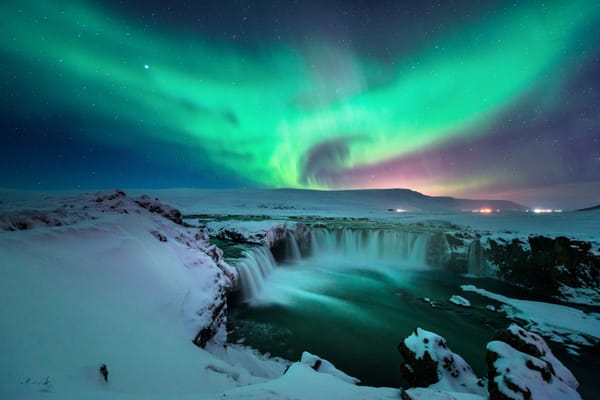
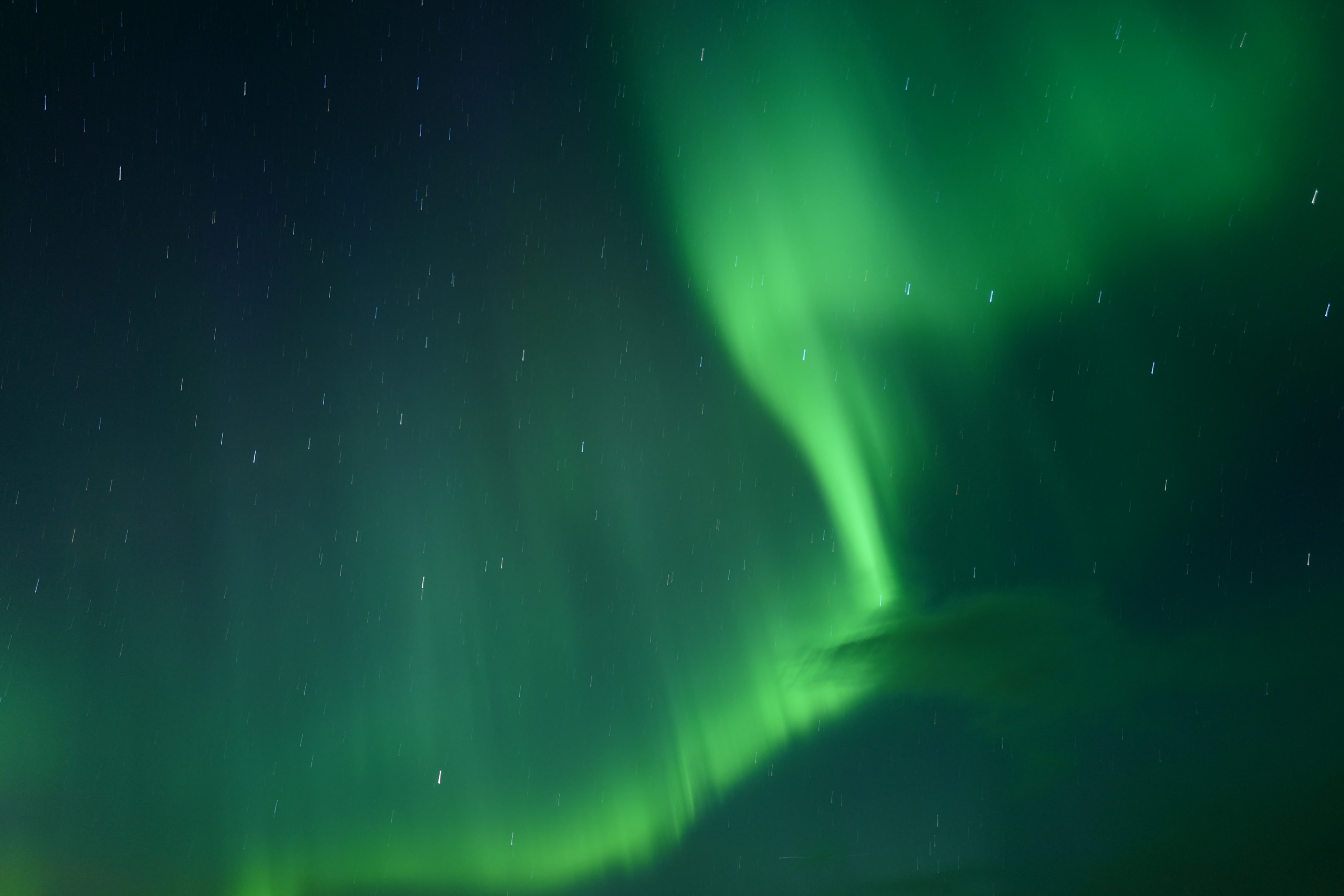
Spring offers a fascinating transition in daylight. In March, you’ll still have dark nights for chasing the Northern Lights, while May ushers in nearly endless daylight with the arrival of the midnight sun.
Plan your schedule around these seasonal changes—whether it’s late-night aurora hunting in early spring or long, adventure-packed days in May.
By preparing for Iceland’s dynamic spring conditions, you’ll be ready to embrace everything this stunning season has to offer. Safe travels!
Top Things to Do in Iceland During Spring
Spring in Iceland is an underrated gem, offering a perfect blend of natural beauty, fewer crowds, and unique experiences. Here are the best activities to make the most of this magical season:
1. Discover the Golden Circle
Spring is an ideal time to explore Iceland’s iconic Golden Circle with fewer tourists. Take your time to marvel at Geysir’s bubbling hot springs, witness the thundering Gullfoss waterfall, and walk through the historic Thingvellir National Park, where the Eurasian and North American tectonic plates meet.
2. Relax in Geothermal Hot Springs
The crisp spring air makes Iceland’s geothermal pools even more inviting. Soak in the tranquil Secret Lagoon surrounded by steaming natural beauty, unwind at the sleek and modern Sky Lagoon, or immerse yourself in the volcanic serenity of the Mývatn Nature Baths.
3. Experience the Power of Waterfalls
As snow melts, Iceland’s waterfalls reach their peak, becoming even more awe-inspiring. Walk behind the curtain of water at Seljalandsfoss, admire the intricate lava rock formations around Hraunfossar, or journey to the remote Aldeyjarfoss, where striking basalt columns frame the powerful cascade.
4. Capture the Highlands
Late spring unlocks limited access to Iceland’s dramatic Highlands, a paradise for adventurers and photographers.
Explore the otherworldly geothermal landscapes of Kerlingarfjöll or the colorful rhyolite mountains of Landmannalaugar. With moody skies and dynamic light, the Highlands provide a dream setting for unforgettable photos.
5. Embrace Farm Life and Horseback Riding
Escape to the Icelandic countryside for a peaceful farm stay. Ride a sturdy Icelandic horse across rolling green meadows as playful lambs frolic nearby.
The serene landscapes and connection to nature create an enchanting, storybook-like experience you won’t forget.
Spring in Iceland offers an extraordinary blend of adventure, relaxation, and beauty—perfect for those looking to explore the Land of Fire and Ice during one of its most charming seasons.
Spring vs. Summer vs. Winter: What’s the Difference?
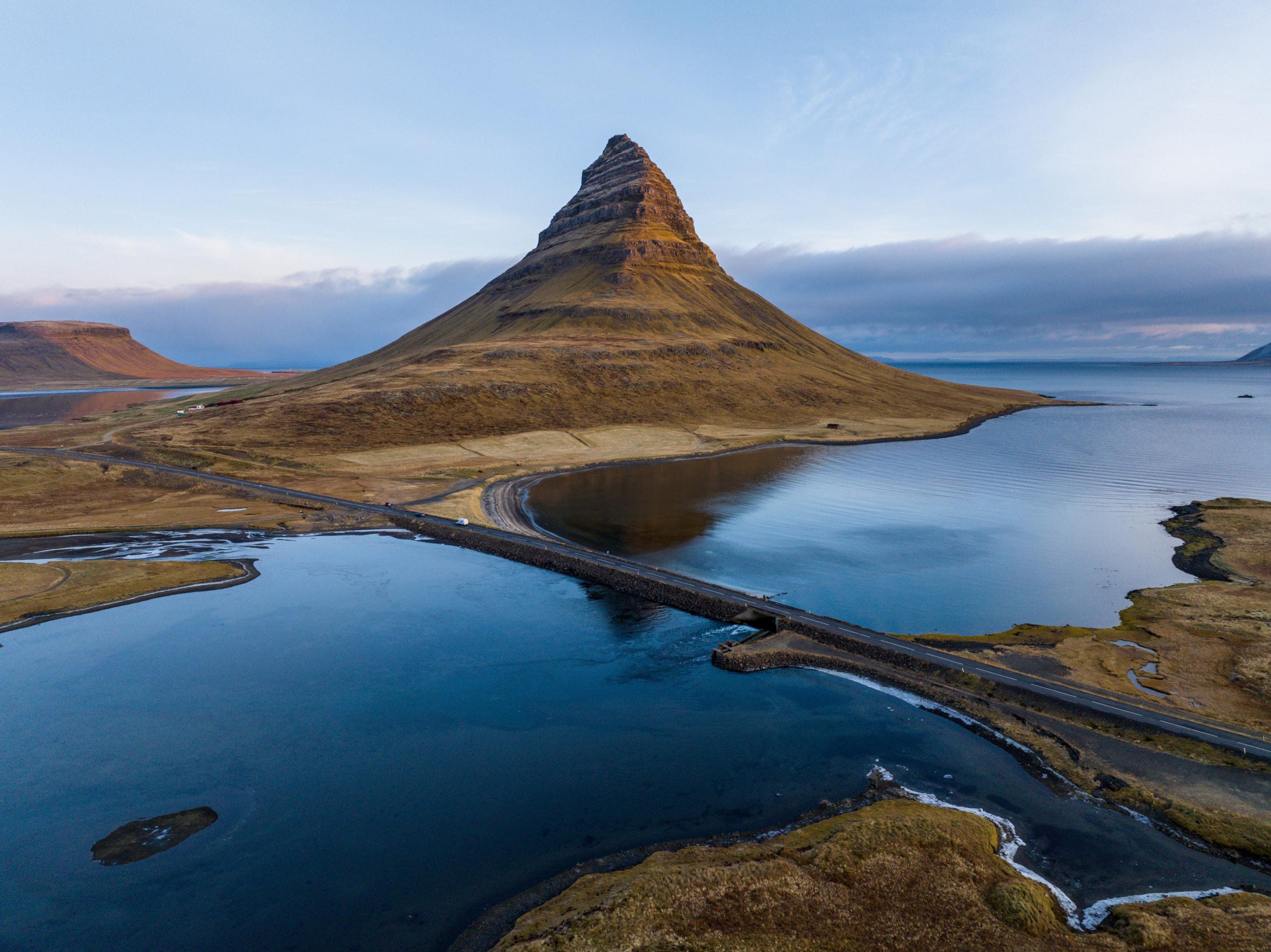
Let’s compare spring with Iceland’s other seasons:
| Feature | Spring (Mar–May) | Summer (Jun–Aug) | Winter (Nov–Feb) |
|---|---|---|---|
| Daylight | 10–21 hrs | 20–24 hrs | 4–7 hrs |
| Weather | Cool, unpredictable | Mild, stable | Cold, snowy |
| Northern Lights | March only | Not visible | Visible |
| Midnight Sun | No | Yes | No |
| Wildlife | Puffins, whales return | All wildlife active | Limited |
| Tourist Volume | Low to medium | High | Low |
| Prices | Lower | Highest | Lower |
Verdict: Spring offers a blend of each—light like summer, sights like winter, but without the crowds.
FAQs
Is spring the best time to visit Iceland for ice cave tours?
Yes! Spring is a great time to visit Iceland for ice cave tours. With melting snow and safer conditions, ice caves near Vatnajökull National Park become more accessible, offering a chance to see their surreal beauty.
What should I pack for outdoor adventures in spring?
For outdoor adventures like glacier tours and road trips, bring thermal base layers, waterproof hiking boots, ice cleats, and hot drinks. These help you stay warm while exploring snowy landscapes and remote locations during your Iceland trip.
Can I see the northern lights return in spring?
Yes! Northern lights hunting in spring is still possible. As clear skies appear and harsh weather conditions fade, the northern lights dancing can be seen—especially from mid April to early autumn.
Is spring good for budget travelers visiting Iceland?
Definitely. Spring is a sweet spot between winter travel and peak season like Iceland summer. Fewer crowds, lower prices, and stunning black sand beach views make it perfect for budget travelers seeking to experience Iceland.
Conclusion
Spring is Iceland's quiet masterpiece—a time when the country slowly stirs back to life and shows its most authentic colors. While not as popular as summer or as iconic as winter, spring offers a more personal, affordable, and soulful experience.
It’s when the waterfalls roar louder, the puffins come home, and the light lasts just long enough to make every moment count. Whether you're a photographer, nature-lover, or just someone looking to explore at your own pace, Iceland in spring invites you to discover its underrated beauty—before everyone else arrives.
So go ahead—pack your raincoat, your camera, and your sense of wonder. Iceland in spring is waiting.